
Sauces & Condiments
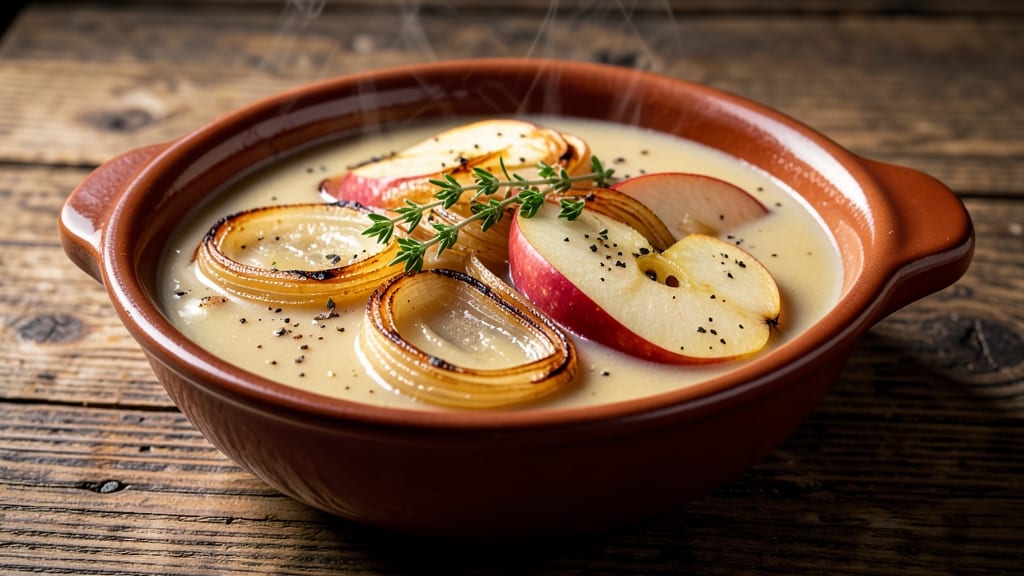
This apple and onion gravy recipe transforms humble ingredients into a rich, caramelized sauce with layers of sweetness and depth that elevate any roasted meat or stuffing. The slow simmering process develops complex flavors—savory onions meld with tender apples, creating a velvety texture that clings beautifully.
What makes this gravy special is the balance: apples add natural sweetness without overpowering, while onions build a rich, aromatic base that thickens perfectly with a simple roux.
Unlike traditional gravies, this version uses apples for a subtle sweetness that brightens the dish while maintaining savory depth. The key is patience—simmering until the onions caramelize and the apples soften creates a sauce that's far more complex than store-bought alternatives.
A classic roux provides the perfect thickening agent, ensuring a smooth, glossy finish without lumps. This gravy works equally well drizzled over roasted pork, spooned over mashed potatoes, or tucked into stuffing for extra moisture.
The result is a gravy that's rich yet balanced, with a glossy sheen and a flavor profile that's both comforting and sophisticated. The caramelized onions and tender apples create a subtle sweetness that lingers, while the savory notes from the roux and herbs provide depth.
It's the kind of sauce that turns an ordinary meal into something memorable—simple to make but impossible to forget. Ready to create this versatile gravy?
Perfect for holiday dinners, weeknight roasts, or even as a glaze for vegetables, this recipe delivers restaurant-quality results with minimal effort. The beauty lies in its adaptability: use it as a drizzle, a dip, or a sauce, and let its complex flavors shine. Here's everything you need to make it.
Ingredients for apple and onion gravy
Rich caramelized onions and tender apples create a velvety sauce that transforms ordinary meals into something extraordinary.
| Ingredient | Amount | Notes |
|---|---|---|
| Yellow Onions 🧅 | 2 large | Chopped into even slices |
| Apples 🍎 | 2 medium | Peeled, cored, sliced |
| Unsalted Butter 🧈 | ½ cup | Cold, cubed for roux |
| All-Purpose Flour 🌾 | ½ cup | Diamond Crystal preferred |
| Beef Stock 🥩 | 2 cups | Homemade or quality store-bought |
| Apple Cider Vinegar 🍏 | 1 tbsp | For brightness and balance |
| Fresh Thyme Leaves 🌿 | 1 tsp | Or 0.25 tsp dried thyme |
| Salt 🧂 | ½ tsp | Kosher or sea salt |
| Black Pepper 🌶️ | ¼ tsp | Freshly ground preferred |
| Granulated Sugar 🍚 | 1 tbsp | Balances acidity |
The onions and apples are the heart of this gravy—yellow onions provide the deep, caramelized sweetness, while Honeycrisp or Fuji apples add natural brightness. Whole Foods Market or Trader Joe's carry excellent varieties for both. Look for onions with dry, papery skins and apples that are firm with no bruising. The butter for the roux should be cold and cubed—this prevents lumps and ensures proper thickening. If you're using store-bought beef stock, Pacific Foods or Kitchen Basics brands deliver consistent quality without artificial additives.
No apples? Pear slices or apple juice concentrate work in a pinch, though flavor will differ slightly. Substituting vegetable stock for beef stock makes this vegetarian-friendly. The apple cider vinegar can be swapped for white wine vinegar at the same amount, but the flavor profile shifts. For a smoother texture, blend the cooked onions and apples before adding to the roux. Diamond Crystal flour absorbs liquid differently than other brands—use it if you have it, but any all-purpose will work. The sugar is optional but recommended to balance the vinegar's acidity, especially if using tart apples.
This gravy reheats beautifully—simply warm on the stove with a splash of stock or water. Store in an airtight container in the fridge for up to 5 days, or freeze for 3 months. For best results, reheat gently over low heat, stirring constantly to prevent scorching. The sauce thickens as it cools, so thin with a bit of stock if needed. Double the recipe for holiday meals—it's perfect for stuffing, roasted meats, or even as a glaze for vegetables.
Why You'll Love This Recipe
- Pantry Magic: I swear by this recipe when I forget to buy fresh herbs. The sweetness of the caramelized onions and apples—just a few slices of yellow onion and one crisp apple—builds depth without needing anything fancy. Honestly, the flour and butter roux is the star, but the fruit keeps it from tasting heavy.
- Sweet-Savory Balance: That first spoonful? It’s like autumn in a bowl. The apples soften just enough to melt into the gravy, while the onions add a caramelized punch. I’ll be real: it’s the kind of flavor that makes you reach for the bread basket twice.
- Leftovers Reinvented: This gravy thickens beautifully the next day—perfect for dumping over mashed potatoes or stirring into scrambled eggs. Between us, I’ve even used it as a glaze for roasted chicken. The beef stock base means it’s hearty enough to stretch for days without tasting flat.
- Budget-Friendly Luxury: Five ingredients, zero specialty items. A single onion, one apple, and a handful of flour turn into something that feels gourmet. I make this when I’m pinching pennies but still want a meal that tastes like I put in effort. (Yes, even on a Tuesday night.)
Step-by-step instructions for apple and onion gravy
This technique transforms humble ingredients into a rich, velvety gravy with perfect balance.
Develop the Roux for Foundation
Melt the 0.5 cup unsalted butter in a heavy-bottomed saucepan over medium heat. Once fully melted and foaming subsides, reduce heat to medium-low and whisk in the 0.5 cup all-purpose flour all at once. Cook for 2-3 minutes, stirring constantly with a wooden spoon, until the mixture turns a deep, golden brown color—this is your roux.
I press down gently on the roux with the spoon during the last minute to ensure even cooking. The roux should smell nutty and develop a rich, toasted aroma. If it darkens too quickly, reduce the heat slightly—you want color, not burning. This roux forms the flavor backbone of your gravy, so take your time here.
Caramelize Onions and Apples
Add the 2 large chopped yellow onions and 2 medium sliced apples to the roux. Stir well to coat the vegetables completely in the butter and flour mixture. Cook over medium heat for 10-12 minutes, stirring occasionally, until the onions become translucent and the apples begin to soften.
Here's where the magic happens: the onions will slowly caramelize, developing deep sweetness, while the apples break down into a tender purée. You'll notice the mixture darkens slightly and releases its own juices. If it sticks to the pan, add 1-2 tablespoons of beef stock to deglaze and keep everything moving. This step builds the complex flavor profile that makes this gravy special.
Build the Gravy Base
Gradually whisk in the 2 cups beef stock, about ½ cup at a time, ensuring each addition fully incorporates before adding more. Bring the mixture to a gentle simmer over medium heat, then reduce heat to low to maintain a slow bubble. Add the 1 tbsp apple cider vinegar, 1 tbsp granulated sugar, 1 tsp fresh thyme leaves, 0.5 tsp salt, and 0.25 tsp black pepper. Stir well to combine.
Let the gravy simmer uncovered for 15-20 minutes, stirring occasionally. You're looking for the liquid to reduce slightly and thicken to a velvety consistency—it should coat the back of a spoon but still be pourable. The thyme will infuse its earthy aroma, the vinegar adds brightness, and the sugar balances any acidity from the apples. If it thickens too much, whisk in 1-2 tablespoons of water to reach your desired consistency.
Refine and Finish
Remove the pan from heat and let the gravy rest for 5 minutes. This resting period allows the flavors to meld and the gravy to thicken further. Taste and adjust seasoning—you may need a touch more salt or pepper to balance the sweetness from the caramelized onions and apples.
For a silky texture, strain the gravy through a fine-mesh sieve into a clean saucepan, pressing on the solids with a spoon to extract maximum flavor. Return to low heat and simmer for another 2-3 minutes to heat through. The finished gravy should be rich, slightly sweet, and perfectly balanced with savory depth. Serve immediately over roasted meats, mashed potatoes, or crusty bread to capture all those beautiful juices.
Pro Tips For Making Apple And Onion Gravy
- Cook Onions Low: Don’t rush the onions—simmer them in butter for at least 15 minutes until they’re deep golden and nearly caramelized. I used to skip this, and the gravy always tasted raw and sharp, like someone forgot to finish the job.
- Slice Apples Thin: Cut the apples into ⅛-inch slices so they soften evenly without turning to mush. Thicker slices make the gravy clumpy, and nobody wants that texture fight in their mashed potatoes.
- Whisk Like Your Life Depends on It: When adding flour to the butter-onion mix, stir vigorously for 2 full minutes before pouring in the stock. Skimping here means lumps, and lumps mean extra work later—trust me, you don’t want to fish them out.
- Deglaze Hot: Pour the beef stock into the pan right after removing it from heat—this keeps the butter from seizing up and ensures a smooth, glossy gravy. Cold stock dumped on hot butter? Instant curdled mess.
Regional styles of this recipe
English Country Style
In the UK, this gravy is often called apple and onion sauce and serves as a classic accompaniment to roast pork or pork pies. The English version traditionally uses sweet apples like Braeburn and red onions for a milder sweetness profile.
I find adding a splash of cider (about 2 tbsp) at the end enhances the rustic character. The sauce is typically served with Yorkshire puddings or mashed potatoes, creating that quintessential British pub feel.
Southern U.S. Twist
Down South, this gravy gets a smoky depth from a dash of smoked paprika (about ½ tsp) and sometimes a splash of bourbon (about 1 tbsp) for richness.
I’ve seen it paired with pulled pork sandwiches or cornbread—the sweetness of the apples cuts through the richness of the meat beautifully. The Southern approach often includes a pinch of cayenne for subtle heat, balancing the sweetness. 🌶️
French-Inspired Version
For a French touch, replace the beef stock with vegetable stock and add a splash of dry white wine (about ¼ cup) when deglazing the pan. The French version often includes a sprig of fresh tarragon (about 1 tsp chopped leaves) instead of thyme, adding an anise-like note.
This lighter gravy works wonderfully with coq au vin or roasted chicken. The key here is a longer simmer (about 25 minutes) to let the flavors meld.
German Apple-Onion Gravy
In Germany, this gravy is called Apfel-Zwiebel-Sauce and is a staple with sausages or roast pork. The German approach uses red wine vinegar (about 1 tbsp) instead of apple cider vinegar and often includes a pinch of ground cloves (about ⅛ tsp) for warmth.
The onions are typically cooked longer (about 15 minutes) to achieve a deeper caramelization. This version is slightly thicker and pairs perfectly with potato dumplings or cabbage dishes.
Scandinavian Simplicity
In Sweden and Norway, this gravy is often served with meatballs or roast beef. The Scandinavian version skips the sugar and uses a splash of aquavit (about 1 tbsp) for a subtle herbal note.
The focus is on slow-cooked onions (about 20 minutes) until they’re deep brown, creating a molasses-like sweetness. I love adding a pinch of allspice (about ¼ tsp) for a warm, spiced depth. This gravy is lighter and more savory, perfect for balancing rich Nordic dishes.
Nutrition facts
Frequently asked questions
Why does this gravy need a roux?
The roux creates the perfect thickening agent while adding rich, nutty depth to the sauce. A classic blonde roux (light brown) balances the sweetness of the apples and onions without overpowering them. The slow cooking process develops complex flavors that a cornstarch slurry simply can't match. Plus, it gives that beautiful glossy finish we all love in gravy!
Can I make this gravy vegetarian?
Simply replace the beef stock with an equal amount of vegetable stock and consider adding a splash of soy sauce (about 1 teaspoon) for umami depth. The flavor profile will shift slightly but still deliver that wonderful sweet-savory balance. This vegetarian version works beautifully with roasted vegetables or mushroom dishes.
How do I prevent the gravy from getting lumpy?
Whisk constantly when adding the flour to the butter to create a smooth paste, and always whisk vigorously when incorporating the stock. For extra insurance, strain the finished gravy through a fine-mesh sieve. The key is patience—don't rush the roux cooking process. If lumps appear, simply whisk them out or press the gravy through a sieve before serving. A smooth texture makes all the difference!
Can I make this gravy ahead of time?
Yes! This gravy actually tastes better the next day as the flavors meld further. Store it in an airtight container in the fridge for up to 5 days. When reheating, warm it gently over low heat, stirring frequently, and add a splash of stock or water if it thickens too much. The texture will be even more velvety after resting. Perfect for meal prep!
What's the best way to use leftover gravy?
Leftover gravy is incredibly versatile! Use it as a glaze for roasted vegetables, drizzle over mashed potatoes, or even as a dip for crusty bread. For extra richness, stir in a pat of butter or a splash of cream. It also makes an excellent filling for crepes or stuffed mushrooms. The possibilities are endless—don't let it go to waste!