
Main Courses
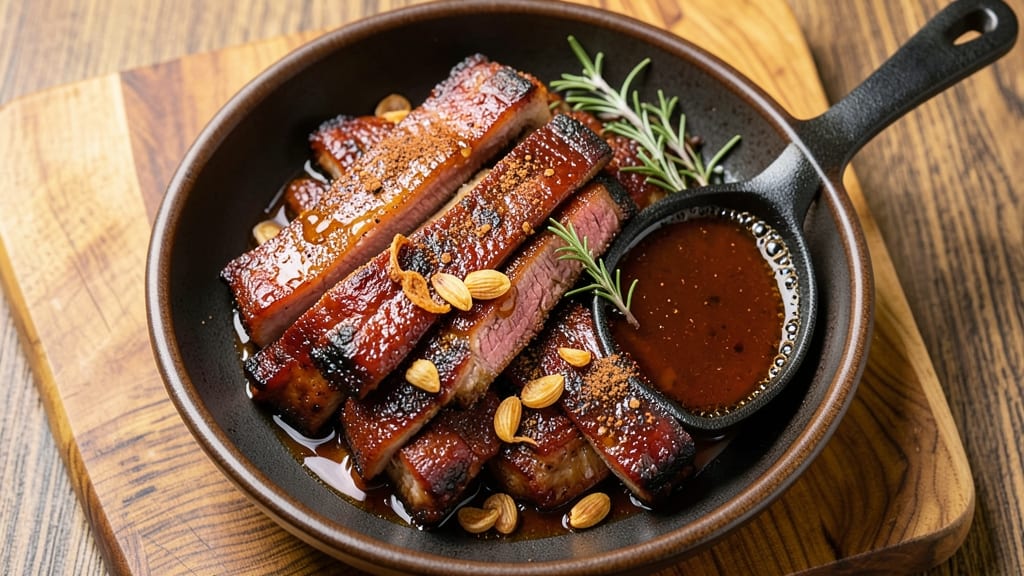
This apple cider vinegar ribs recipe transforms tough cuts into melt-in-your-mouth perfection with a smoky-sweet bark that clings to every bite. The secret lies in the vinegar's magic—it tenderizes the meat while creating a complex flavor profile that balances sweetness and tang.
I've perfected this method over countless cookouts, and the results never disappoint, even with beginner-friendly techniques.
The process is straightforward but requires patience: ribs marinate overnight in a blend of apple cider vinegar, brown sugar, and spices, then cook low and slow until they're fork-tender. The vinegar doesn't just flavor the meat—it breaks down collagen, turning tough connective tissue into silky richness.
This is the kind of recipe that turns weeknight dinners into memorable feasts without requiring advanced skills.
What you'll end up with is ribs that practically fall apart at the touch, encased in a glossy, caramelized bark that's both sweet and tangy. The meat stays juicy and tender, while the sauce clings perfectly, creating bites that are equally satisfying hot or cold.
Serve with classic sides like coleslaw or cornbread to complete the meal.
Whether you're grilling, smoking, or baking, this method delivers restaurant-quality results at home. The key is maintaining consistent heat and letting the vinegar work its magic during the long cook. Here's everything you need to make these ribs the star of your next gathering.
Ingredients for apple cider vinegar ribs
Four pounds of ribs, a tangy-sweet marinade, and patience transform tough meat into melt-in-your-mouth perfection.
| Ingredient | Amount | Notes |
|---|---|---|
| Apple Cider Vinegar 🍎 | 1 cup | Raw, unfiltered preferred |
| Brown Sugar 🍚 | 1 cup | Packed firmly for accuracy |
| Pork Baby Back Ribs 🍖 | 4 lb | Bone-in, meaty cuts preferred |
| Smoked Paprika 🌶️ | 2 tbsp | For deep smoky flavor |
| Ground Black Pepper 🌶️ | 1 ½ tbsp | Freshly ground for best flavor |
| Garlic Powder 🧄 | 1 tbsp | Not garlic salt |
| Onion Powder 🧅 | 1 tbsp | For subtle depth |
| Salt 🧂 | 1 tbsp | Kosher or sea salt |
| Dried Thyme 🌿 | 1 tsp | Or 1 tbsp fresh |
| Yellow Mustard 🍯 | 2 tbsp | For tangy balance |
| Honey 🍯 | ½ cup | Wildflower preferred |
| Worcestershire Sauce 🍶 | 2 tbsp | For umami depth |
| Olive Oil 🫒 | 2 tbsp | For marination adhesion |
The ribs are the star, so don't skimp on quality. Costco or your local butcher are great spots for bone-in, meaty cuts—avoid lean sections near the bones. The apple cider vinegar should be raw and unfiltered for maximum flavor and tenderizing power. I always grab Bragg from the store, but any reputable brand works. For the sugar, pack it firmly into the measuring cup—lightly packed brown sugar can throw off the balance. The honey? Wildflower or clover adds subtle floral notes that complement the smoky spices.
No apple cider vinegar? White vinegar at half the amount works in a pinch, but you'll lose some depth. Substitute honey with maple syrup if you're avoiding refined sugar. For the Worcestershire, Lee & Perrins is the gold standard, but any good brand will do. The mustard can be swapped for Dijon mustard if you prefer a smoother texture. If you're missing smoked paprika, regular paprika plus a pinch of liquid smoke mimics the effect. The olive oil is non-negotiable—it helps the marinade cling to the ribs, so use something with good flavor, like California extra-virgin.
Marinate the ribs overnight in the fridge for maximum tenderness. The mixture keeps in the fridge for 3 days if you need to prep ahead. Once cooked, ribs reheat beautifully—low oven or slow cooker preserves that fall-off-the-bone texture. Store leftovers in an airtight container for up to 5 days, or freeze for 3 months. I always portion mine into meal-sized containers so they're ready for quick lunches—just reheat with a splash of water or broth.
Why You'll Love This Recipe
- Fewer Messy Bowls: I swear by this recipe because it’s one pan—just ribs, vinegar, sugar, and spices. No basting, no gloppy sauces, no stress. The ACV tenderizes as it cooks, so you’re basically hands-off while the smoky-sweet magic happens.
- Tangy-Sweet Magic: That apple cider vinegar isn’t just for salad—it cuts through the richness of the ribs, leaving you with a crisp, caramelized crust and a sticky glaze that’s dangerously addictive. Brown sugar and smoked paprika team up to make it taste like a fall afternoon in one bite.
- Tailgate-Ready Flex: Whether it’s a backyard BBQ, a game day spread, or a lazy Sunday, these ribs deliver. They’re hearty enough to feed a crowd but simple enough to make when your in-laws drop by unannounced. (Yes, even on a Tuesday night.)
- Budget-Friendly Feast: Pork ribs are cheaper than you think, and this recipe stretches them far—leftovers reheat like a dream (wrap tightly, broil for 5 mins). Honestly, it’s my go-to when I want restaurant-quality ribs without the markup.
Step-by-step instructions for apple cider vinegar ribs
Here's the method that delivers melt-in-your-mouth tenderness with that signature tangy bark.
Create the Dry Rub and Whisk the Wet Marinade
In a medium bowl, combine the 2 tbsp smoked paprika, 1.5 tbsp ground black pepper, 1 tbsp garlic powder, 1 tbsp onion powder, 1 tbsp salt, and 1 tsp dried thyme. Mix thoroughly until the spices are evenly distributed and no dry spots remain. This dry rub will form the flavor foundation for your ribs.
In a separate bowl, whisk together the 1 cup apple cider vinegar, 2 tbsp yellow mustard, 0.5 cup honey, and 2 tbsp Worcestershire sauce until completely smooth. The vinegar will create that signature tang while the honey adds natural sweetness that caramelizes beautifully during cooking. Set both mixtures aside - you'll use them in the next step.
Coat and Marinate the Ribs Overnight
Pat the 4 lb pork baby back ribs completely dry with paper towels, removing any excess moisture from the surface. This step is crucial for developing that crisp bark later. In a large bowl, combine the dry rub and the wet marinade, mixing until you have a thick, paste-like consistency.
Generously coat all sides of the ribs with this mixture, pressing it into the meat so it adheres well. Place the ribs in a resealable plastic bag, seal tightly, and refrigerate for at least 12 hours or up to 24 hours. The longer they marinate, the deeper the flavor penetration. I like to marinate mine overnight for maximum tenderness.
Prepare for Cooking and Sear the Ribs
Preheat your oven to 275°F for low-and-slow cooking. Remove the ribs from the refrigerator and let them sit at room temperature for 30 minutes before cooking. This ensures even heat distribution throughout the meat.
Heat a large oven-safe skillet over medium-high heat and add the 2 tbsp olive oil. Once the oil is shimmering, carefully place the ribs in the skillet, fat-side down. Sear for 5-7 minutes until the fat begins to render and the ribs develop a deep golden-brown crust. Flip once and sear the other side for another 5-7 minutes. This initial sear creates that beautiful bark while locking in juices.
Slow Cook Until Fork-Tender
Transfer the skillet with the ribs to your preheated oven. Cover tightly with aluminum foil to trap moisture and steam the ribs gently. Cook for 3 hours at 275°F, then increase the temperature to 300°F and continue cooking for another 1-2 hours until the meat is fork-tender and pulls away from the bone easily.
Here's the thing - the ribs are done when they reach an internal temperature of 195-203°F at the thickest part of the meat. The bark should be dark and crispy, while the meat underneath should be so tender it practically falls off the bone. If you're unsure, use a meat thermometer to check the internal temperature.
Rest and Serve with Tangy Glaze
Once the ribs reach the perfect tenderness, remove them from the oven and let them rest for 10-15 minutes before serving. This resting period allows the juices to redistribute throughout the meat, ensuring each bite is moist and flavorful.
For serving, you can brush the ribs with any remaining marinade from the skillet, which will create a glossy glaze. The combination of the tangy vinegar, sweet honey, and smoky spices creates a perfect balance of flavors that complements the tender meat beautifully. Serve with classic barbecue sides like coleslaw or cornbread to complete the meal.
Pro Tips For Making Apple Cider Vinegar Ribs
- Trim the Fat First: Cut the hard fat cap off the ribs before cooking—it doesn’t add flavor and just makes the sauce greasy. I learned this the hard way when my first batch of apple cider vinegar ribs left a slick, unappetizing mess on the grill.
- Use Raw Sugar, Not Packed: Brown sugar packs tightly, and packed sugar won’t dissolve properly in the vinegar. Use raw or light brown sugar and measure it loosely—this ensures a smooth, glossy glaze that sticks to the meat instead of clumping.
- Wrap in Peach Pits: After the initial sear, wrap the ribs in foil with a handful of peach pits (or a clean metal tray) to speed up cooking without drying them out. The pits act like a makeshift heat sink, keeping temps steady—no more tough, overcooked ends.
- Deglaze with Vinegar Early: Don’t wait until the end to add the apple cider vinegar—pour half of it in after the initial sear to break down the browned bits on the pan. This builds deeper flavor faster and cuts down on cleanup later. (Yes, even if you’re impatient like me.)
Common mistakes when making this recipe
Skipping the Vinegar
Apple cider vinegar isn't just flavor—it's the secret weapon for tenderizing ribs. If you omit it or use too little (½ cup instead of 1 cup), your ribs will stay tough and flavorless.
The acid breaks down collagen, so never skip this step unless you're okay with chewy meat. I've learned this the hard way—once I forgot to add it and ended up with ribs that needed a fork just to cut through them. 🍖
Uneven Marinating
Don't just toss the ribs in the marinade and walk away. You need to coat every inch—especially the bone side—so the flavor penetrates evenly. I use a gloved hand to press the mixture into the meat, ensuring no dry spots.
Skipping this step means some areas will taste bland or overly vinegary. For best results, marinate for 24 hours in the fridge, flipping the ribs halfway through.
Rushing the Cook
Low-and-slow is non-negotiable for ribs. If you crank the heat too high or cut cooking time short, you'll end up with dry, rubbery meat. The 3 hours at 275°F is your baseline—don't rush it!
I've seen people pull ribs out at 2 hours and wonder why they're still tough. Use a meat thermometer and aim for 195-203°F internal temp. Patience here makes all the difference.
Ignoring the Rest
Serving ribs immediately after cooking is a rookie mistake. The 10-15 minute rest lets juices redistribute, keeping every bite moist. I've sliced into ribs straight out of the oven only to find them dry on the outside and raw in the center.
Trust the process—let them rest, then serve. This step is especially critical for apple cider vinegar ribs, as the acid can make the meat release juices faster.
Overlooking the Bark
The crispy bark is what makes these ribs special, but it requires attention. If you don't sear the ribs properly before slow cooking, you'll miss out on that perfect crust. Heat your skillet to medium-high and sear for 5-7 minutes per side—don't rush it.
The bark forms during this step and adds texture contrast to the tender meat. I've had ribs with no bark, and while they were tasty, they lacked that restaurant-quality finish.
Wrong Temperature Swings
Temperature fluctuations can turn perfectly good ribs into a science experiment gone wrong. If your oven varies by more than ±25°F, use an oven thermometer to monitor it. I've seen ribs overcook in one spot and stay raw in another because of uneven heat.
Keep the temperature steady at 275°F for the first 3 hours, then gradually increase to 300°F for the final phase. Consistency is key—don't open the oven door too often! 🌡️
Nutrition facts
Frequently asked questions about apple cider vinegar ribs
Why does apple cider vinegar make ribs so tender?
The acid in apple cider vinegar breaks down tough collagen in the meat, transforming it into gelatin that makes the ribs melt-in-your-mouth tender. It also helps create that signature tangy bark while keeping the meat juicy. The longer the marinate, the more dramatic this effect becomes!
Can I make these ribs on a grill instead of in the oven?
After searing the ribs, transfer them to your grill set to 225-250°F and cook them low-and-slow for 4-5 hours, using a meat thermometer to check for 195-203°F internal temp. Wrap them in foil during the last 2 hours to speed up cooking and keep them moist. The bark will develop beautifully on the grill too!
How do I store leftovers to keep them tender?
Store cooked ribs in an airtight container with a paper towel pressed against the meat to absorb excess moisture. They'll stay tender for 5 days in the fridge or 3 months in the freezer. To reheat, warm them in a 300°F oven with a splash of apple cider vinegar or broth for 15-20 minutes until heated through.
What's the best way to serve these ribs?
These ribs shine with classic sides like creamy coleslaw, buttery cornbread, or tangy pickles. For extra flavor, brush them with the leftover marinade from the skillet before serving. The combination of sweet, smoky, and tangy flavors makes every bite unforgettable!
Can I use beef ribs instead of pork?
While this recipe is designed for pork baby back ribs, you can adapt it for beef ribs by extending the cook time to 5-6 hours at 250°F and using beef-specific seasonings. The vinegar will still tenderize the meat, but beef ribs have a different fat content and connective tissue structure that requires longer cooking.