
Main Courses
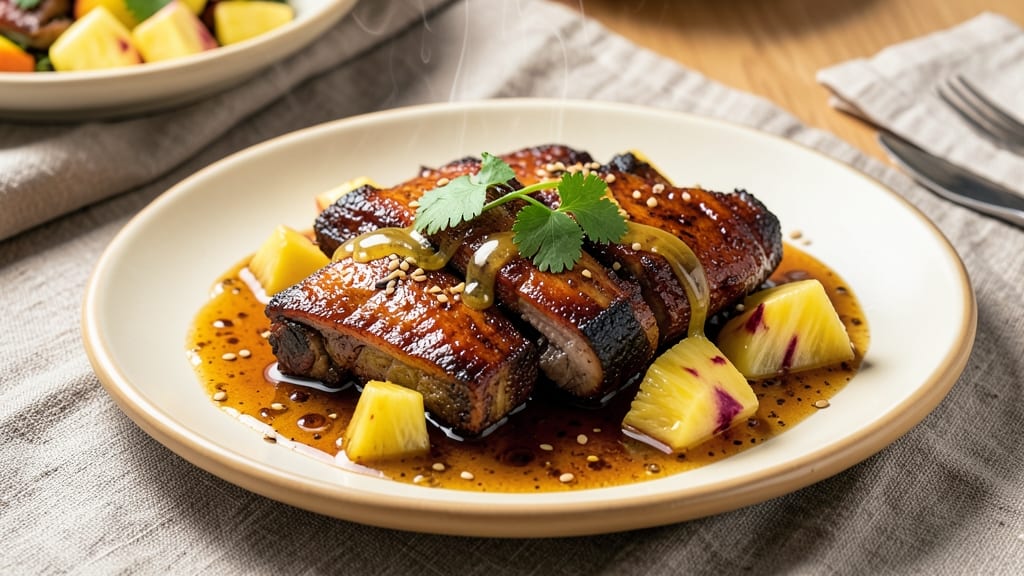
This Panlasang Pinoy pork ribs recipe brings the bold flavors of Filipino comfort food to your table with a perfect balance of sweet, savory, and tangy notes. 🌟 The secret lies in marinating the ribs overnight in a blend of soy sauce, calamansi (or lime), and pineapple juice—a technique that tenderizes the meat while infusing it with vibrant tropical flavors.
I first discovered this method while visiting my cousin in Manila, where every family gathering featured ribs glazed with pineapple and vinegar, creating that signature caramelized crust.
The magic happens when you braise the ribs low and slow, allowing the marinade to reduce into a sticky, aromatic glaze that clings to every bite.
Unlike many recipes that rely on heavy sauces, this version keeps things balanced with just enough sweetness from the pineapple to complement the smoky, charred edges. The result?
Ribs that are tender enough to fall off the bone yet still hold their shape, with a glossy sheen from the caramelized glaze.
What makes this dish truly special is how it pairs with classic Filipino sides—steamed jasmine rice to soak up the juices, crisp atchara (pickled papaya) for a tangy contrast, or garlic fried rice for extra richness.
The pineapple not only adds natural sweetness but also tenderizes the meat, making each bite incredibly juicy. This is the kind of recipe that feels like a hug in food form, perfect for family dinners or gatherings where you want to impress without spending hours in the kitchen.
Ready to make these ribs? The process is straightforward: marinate overnight, braise until tender, and finish with a quick broil for that caramelized crust. Trust me, the aroma alone will have everyone gathering around the table. Let's get cooking!
Ingredients for pork ribs with pineapple recipe panlasang pinoy
Sweet, tangy, and smoky—these ingredients transform simple pork ribs into Filipino comfort food magic.
| Ingredient | Amount | Notes |
|---|---|---|
| Pork Ribs (Baby Back) 🍖 | 2 ½ lb | Meaty cut with bones intact |
| Pineapple Juice 🍍 | 1 cup | Freshly squeezed preferred |
| Soy Sauce 🥄 | ½ cup | Regular or dark for depth |
| Calamansi Juice (or Lime Juice) 🍋 | ¼ cup | Substitute lime if unavailable |
| White Vinegar 💧 | ¼ cup | Distilled preferred |
| Brown Sugar 🍚 | ½ cup | Packed for sweetness |
| Garlic Cloves 🧄 | 6 cloves | Minced for marinade |
| Fresh Ginger 🌿 | 1 tbsp | Grated, for zesty kick |
| Black Peppercorns 🌶️ | 1 tsp | Freshly cracked |
| Olive Oil 🫒 | 2 tbsp | For searing ribs |
| Salt 🧂 | 1 ½ tsp | Kosher or sea salt |
| Fresh Pineapple Chunks 🍍 | 1 cup | For garnish and sweetness |
| Green Onions 🧅 | 4 whole | Sliced, for garnish |
The ribs are non-negotiable—baby back ribs (not spare ribs) hold up best to the braising. Look for meaty cuts with good marbling at your local butcher or grocery store's meat section. Costco or Trader Joe's often have pre-cut ribs at great prices, but if you're buying a whole slab, ask for the meatier sections trimmed of excess fat. Fresh pineapple juice is key here—Dole or Del Monte canned juice works in a pinch, but nothing beats freshly squeezed. The calamansi (or lime) adds that signature tangy brightness, so don’t skip it. If you can’t find calamansi, key lime juice is the closest substitute.
No fresh ginger? Ground ginger at half the amount works, but the texture won’t be the same. The soy sauce can be swapped for coconut aminos if you’re avoiding gluten, though the flavor will be slightly lighter. For extra depth, add 1 tbsp fish sauce (if not vegetarian)—it’s a classic Filipino touch. The brown sugar should be packed into the measuring cup for accuracy. If you’re short on time, pineapple chunks from a can (drained) can replace fresh chunks for garnish, though they won’t add the same juiciness to the braising liquid.
Marinate the ribs overnight for maximum tenderness—4-6 hours minimum if you’re short on time. The marinade keeps in the fridge for 3 days, so make extra for stir-fries or dipping sauce. The cooked ribs reheat beautifully—wrap them in foil and bake at 350°F for 20 minutes. Store leftovers in an airtight container for 4 days in the fridge or freeze for 3 months**. Pro tip: Save the braising liquid—it’s perfect for rice or as a quick soup base.
Why You'll Love This Recipe
- Panlasang Pinoy Magic: The moment that tangy-sweet-savory sauce hits your ribs—chef’s kiss. The pineapple juice tenderizes while the calamansi brightens everything, and that vinegar kick? It’s the secret weapon no one tells you about.
- One-Pan, Zero Stress: Honestly, this is my "I’m too tired to do much" dish. Toss the ribs in the marinade, pop them in the oven or pan, and let the sauce bubble down. No flipping, no basting, no mess—just set it and forget it (until the smell wakes you up).
- Leftover Goldmine: Between us, these ribs taste better the next day. The sauce thickens just enough to cling to every bite, and reheating? Five minutes in the microwave or oven turns them into a quick lunch or dinner. My freezer’s full of these because I’m lazy that way.
- Budget-Friendly Feast: You’re getting a full rack of ribs for the price of takeout, and the ingredients? Pantry staples. Soy sauce, vinegar, pineapple—stuff you’d buy anyway. Plus, it stretches to feed four for under $15, and everyone walks away happy. (Yes, even my picky teenager.)
Step-by-step instructions for sweet-savory Filipino-style pork ribs
Here's how to create that perfect balance of sweet, tangy, and savory flavors that make this dish so beloved.
🔥 Step 1: Sear the Ribs for Maximum Flavor
Pat the 2.5 lb pork ribs (baby back) dry with paper towels and season generously with 1.5 tsp salt and 1 tsp freshly cracked black peppercorns. Heat 2 tbsp olive oil in a large oven-safe skillet over medium-high heat until shimmering.
Place the ribs fat-side down in the pan and sear undisturbed for 5-6 minutes until the fat begins to render and the meat develops a deep golden-brown crust. Here's the thing—don't move them around. You want that crust to form properly, which locks in juices and creates that caramelized flavor we're after. Flip the ribs once and sear the other side for another 4-5 minutes until equally browned.
🍳 Step 2: Build the Sweet-Savory Marinade
While the ribs are searing, combine 1 cup pineapple juice, 0.5 cup soy sauce, 0.25 cup calamansi juice (or lime juice), 0.25 cup white vinegar, 0.5 cup packed brown sugar, 6 minced garlic cloves, and 1 tbsp grated fresh ginger in a bowl. Whisk until the brown sugar dissolves completely—you should see a glossy, syrupy mixture.
This marinade is where all the magic happens. The acidity from the vinegar and citrus will tenderize the ribs, while the sugar caramelizes beautifully during cooking. I like to taste it at this stage—it should be sweet, tangy, and slightly salty. If it needs more depth, add a splash more soy sauce.
🥘 Step 3: Simmer the Ribs in Flavorful Sauce
Remove the seared ribs from the skillet and pour the marinade mixture over them. Return the pan to the stove over medium heat and bring to a gentle simmer. You want bubbles forming steadily but not a rolling boil—this ensures the ribs cook through without falling apart.
Cover the skillet and let it cook for 45-50 minutes, turning the ribs occasionally to coat them evenly in the sauce. Here's where patience pays off—the ribs will slowly absorb all those amazing flavors. You'll know they're getting tender when you can easily slide a fork between the bones. Keep an eye on the sauce too—it should reduce slightly but still coat the back of a spoon.
🔥 Step 4: Finish with Caramelized Glaze
After the ribs are tender, increase the heat to medium-high and uncover the skillet. Let the sauce reduce for 3-5 minutes until it thickens into a glossy glaze that coats the ribs beautifully. The color should deepen to a rich amber—this is your signal that the sugars have caramelized.
Real talk: This is the moment that matters. If the sauce starts to burn, simply reduce the heat slightly and give it another minute. The ribs should be fully coated in that sticky, sweet-savory glaze. The aroma alone will make your kitchen smell like a Filipino restaurant!
🍽️ Step 5: Garnish and Serve
Transfer the ribs to a serving platter and garnish with 1 cup fresh pineapple chunks and 4 sliced green onions. The pineapple adds a fresh, bright contrast to the rich ribs, while the green onions bring a touch of freshness. Serve immediately while the sauce is still warm and glossy—this dish tastes best straight from the pan.
Each bite should deliver tender meat with that perfect balance of sweet, tangy, and savory flavors. The caramelized glaze should cling beautifully to every bite, making every mouthful delicious. Don't forget to save some of that amazing sauce in the pan for drizzling over rice or serving on the side!
Pro Tips For Making Pork Ribs With Pineapple Recipe Panlasang Pinoy
- CRANK THE HEAT FIRST: The first 3 minutes in a screaming-hot pan with just a splash of oil—no crowding—gets those ribs searing instead of steaming. I learned this the hard way after making ribs that tasted like they were boiled in their own juices. High heat = flavor, not just color.
- USE FRESH PINEAPPLE JUICE: Canned juice lacks the bright tang that fresh pineapple brings—if you’re pressed for time, at least use 100% pineapple juice, not that watery "cocktail" mix. My grandmother swore by this, and she was right: the acidity cuts through the richness of the ribs better than any substitute.
- STOP WHEN THE MEAT THERE’S: Ribs pull apart easily at 195°F (90°C) internal temp, but if you cook them bone-dry, they’ll turn into chewy rubber. Tent them loosely with foil the last 10 minutes—just enough to steam, not suffocate. (Yes, even if you’re impatient like me.)
- SAVE THE CALAMANSI FOR LAST: Add the calamansi (or lime) juice only in the final 2 minutes—it cooks off fast and makes the sauce bitter if you rush it. I was skeptical until I tried it: the bright finish cuts through the soy and vinegar without overpowering the ribs.
Troubleshooting great pork ribs with pineapple recipe panlasang pinoy
Ribs Too Tough?
If your ribs come out tough instead of tender, you likely didn’t marinate long enough. The acid in the pineapple juice and vinegar needs at least 4 hours (overnight is ideal) to break down the connective tissue.
For a quick fix, simmer the ribs in the marinade for an extra 20-30 minutes uncovered—this helps the sauce penetrate deeper. I’ve also found that boneless pork shoulder (cut into rib-sized pieces) becomes fork-tender faster than baby back ribs. 💪
Sauce Too Thin?
A watery sauce usually means the ribs weren’t cooked long enough to reduce the liquid. After searing, simmer the ribs uncovered for 10-15 minutes at the end to thicken the sauce naturally.
If it’s still too thin, remove the ribs, boil the sauce over high heat for 3-5 minutes until it coats the back of a spoon. For extra thickness, whisk in 1 tsp cornstarch mixed with 1 tbsp water—just don’t overdo it, or the sauce will turn gluey. 🍲
Burnt Glaze?
Caramelizing the glaze too aggressively leads to burnt spots. Keep the heat at medium-high and stir frequently, especially if your pan has hot spots. A nonstick skillet (like Calphalon) helps prevent sticking, but cast iron adds better flavor.
If it burns, scrape off the burnt bits, then reduce the heat to medium-low and let it thicken slowly. For a backup plan, brush the ribs with 1 tbsp honey before serving to restore sweetness. 🔥
Pineapple Too Overpowering?
If the pineapple flavor dominates, balance it by adding 1 tbsp fish sauce (for umami depth) or ½ tsp smoked paprika (for warmth). The vinegar and soy sauce already provide acidity and saltiness, so adjust gradually.
For a subtler touch, reduce the pineapple juice to ½ cup and add ½ cup coconut milk to the marinade—this softens the tropical notes while keeping the dish creamy. 🌶️
Ribs Stick to Pan?
Sticking happens when the ribs aren’t seared properly or the pan lacks fat. Always pat the ribs bone-dry before seasoning, and use 2 tbsp olive oil (not butter). For stubborn sticking, add 1 tbsp butter to the pan while searing—it creates a natural barrier.
If ribs still cling, let them cook undisturbed for 8-10 minutes before flipping. A well-seasoned cast-iron skillet (like Lodge) is my go-to for this recipe. ✨
Leftovers Dry Out?
Ribs lose moisture when reheated improperly. Store them in the braising liquid (or sauce) in an airtight container in the fridge. To reheat, place ribs in a skillet with 2 tbsp sauce, cover, and warm over low heat for 10-12 minutes.
For extra juiciness, brush with 1 tsp honey before serving. If they’re dry, simmer in ¼ cup water for 5 minutes to revive them. 💫
Nutrition facts
Frequently asked questions
Can I use spare ribs instead of baby back ribs?
Yes, but expect different results! Spare ribs are meatier and fattier, so they'll need 10-15 extra minutes of braising time to become tender. The flavor will be richer, but the bones are larger and may require more effort to pull apart. If using spare ribs, trim excess fat first to prevent greasiness in the sauce.
What's the best way to substitute calamansi?
Since calamansi isn't always available, use a mix of lime juice (3 parts) + key lime juice (1 part) for the closest tangy flavor. For extra depth, add ½ tsp sugar to mimic calamansi's natural sweet-tart balance. If you can find calamansi powder (available at Asian markets), dissolve 1 tsp in 2 tbsp hot water as a substitute.
How do I make this recipe gluten-free?
Replace the soy sauce with coconut aminos (½ cup) and add 1 tsp fish sauce (if not vegetarian) for umami depth. The texture will be slightly lighter, but the sweet-savory balance remains intact. For extra richness, stir in 1 tbsp gluten-free oyster sauce at the end. Always check labels—some coconut aminos contain wheat.
Can I grill these ribs instead of pan-searing?
Grilling adds wonderful smoky notes. Marinate the ribs as directed, then grill over indirect medium heat (275°F-300°F) for 2-2.5 hours, basting with the marinade every 30 minutes. Finish with a quick 2-minute direct flame sear to caramelize. For extra flavor, add ½ cup wood chips (hickory or apple) to the grill.
What sides pair best with these pineapple ribs?
Classic Filipino pairings include steamed jasmine rice (to soak up the sauce), atchara (pickled papaya) for tangy contrast, or garlic fried rice with scrambled eggs. For a lighter option, serve with cucumber salad or sautéed bok choy. The sweetness of the ribs balances well with bitter greens or crunchy vegetables.