
Salads
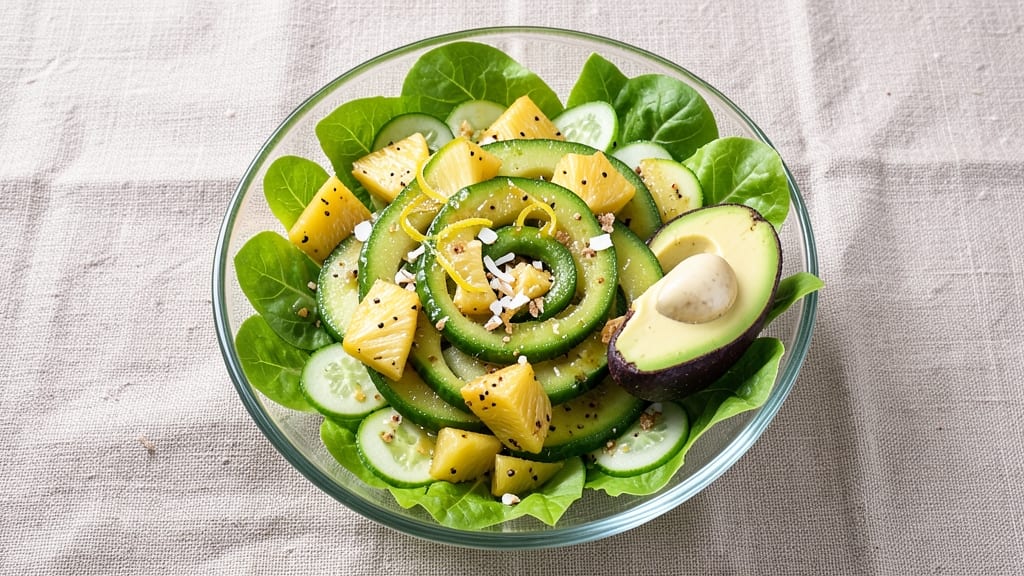
This ampalaya salad with pineapple recipe transforms humble bitter melon into a vibrant, tropical dish that balances sweet, tangy, and silky textures in every bite.
The key lies in properly preparing the ampalaya—thinly slicing and blanching it to soften the bitterness—while fresh pineapple adds bright sweetness that cuts through the vegetable's natural astringency.
What makes this salad special is how the flavors come together: crisp cucumber, creamy avocado, and a zesty lime dressing that binds everything into a refreshing, restaurant-worthy meal.
The preparation process is straightforward but requires attention to detail, particularly when handling the ampalaya. Start by blanching the slices to remove excess bitterness, then toss them with the pineapple and other ingredients while the dressing is still fresh.
This ensures the salad maintains its crispness and vibrant colors. The dressing, a simple mix of lime juice, coconut milk, and a touch of chili, enhances the tropical flavors without overpowering the natural taste of the ingredients.
What you'll end up with is a visually stunning dish that's as beautiful as it is delicious—golden pineapple chunks, pale green ampalaya, and creamy avocado slices arranged on a bed of crisp lettuce.
The texture contrast between the crunchy pineapple, tender ampalaya, and smooth avocado creates a satisfying mouthfeel, while the dressing ties everything together with a perfect balance of tang and creaminess.
This salad is perfect for warm weather gatherings, potlucks, or as a refreshing side dish for grilled meats. You can easily adjust the sweetness or bitterness by adding more pineapple or blanching the ampalaya for a longer time.
Let's get started on creating this tropical-inspired salad that will impress everyone at the table.
Ingredients for ampalaya salad with pineapple
Transform bitter melon into a tropical delight with these vibrant, fresh ingredients.
| Ingredient | Amount | Notes |
|---|---|---|
| Ampalaya (Bitter Melon) 🍈 | 1 ½ lb | Thinly sliced, blanched to soften |
| Fresh Pineapple 🍍 | 1 ½ cups | Diced, fresh or frozen (thawed) |
| English Cucumber 🥒 | 1 whole | Thinly sliced, seeds removed |
| Ripe Avocado 🥑 | 1 whole | Peeled, sliced into strips |
| Romaine Lettuce 🥬 | 4 cups | Chopped, crisp variety preferred |
| Fresh Lime Juice 🍋 | ½ cup | Strained, freshly squeezed |
| Light Coconut Milk 🥥 | ¼ cup | Full-fat for creamier dressing |
| Red Chili Flakes 🌶️ | ½ tsp | Adjust for heat preference |
| Honey 🍯 | 1 tbsp | For balancing bitterness |
| Extra-Virgin Olive Oil 🫒 | 2 tbsp | For drizzling over salad |
| Diamond Crystal Kosher Salt 🧂 | ½ tsp | For seasoning |
| Fresh Mint Leaves 🌿 | ¼ cup | Chopped, for garnish |
| Sesame Seeds 🌾 | 1 tsp | Toasted for crunch |
The ampalaya is the star—look for firm, pale green melons with minimal blemishes at Asian markets or well-stocked grocery stores. Whole Foods often carries them, though you may need to order ahead. The key is blanching: 30 seconds in boiling water removes bitterness while keeping texture tender. For pineapple, fresh is ideal but frozen works if thawed overnight. The avocado should yield slightly to gentle pressure—ripe but not mushy. Cucumber? English varieties are crispest; avoid seed-heavy varieties like Persian. Fresh mint from the grocery store's produce section adds brightness, but if it's wilted, skip it entirely—dried won't cut it here.
No fresh pineapple? Frozen chunks work perfectly—just thaw and drain well. Substitute avocado with sliced pear for a milder texture, though you'll lose creaminess. The dressing can be adjusted: more honey for sweetness, extra chili flakes for heat. For a nutty crunch, swap sesame seeds for toasted peanuts. Blanching the ampalaya too long? It turns mushy—stick to 30 seconds max. The dressing separates? Whisk vigorously before tossing. And if your coconut milk smells off? Discard it**—rancid coconut milk ruins everything.
Assemble the salad last minute—lettuce wilts fast, and avocado oxidizes. Store dressing separately in the fridge for up to 3 days, but toss the salad together only when ready to serve. The ampalaya keeps 2 days in the fridge if blanched and stored in water; drain and pat dry before using. For meal prep, store components separately and assemble when ready. Garnishes like mint and sesame seeds can be added fresh right before serving—they make all the difference in presentation and flavor.
Why You'll Love This Recipe
- No Chopping Chaos: I swear by this recipe on lazy Sundays—just slice the ampalaya thin (no seeds!), dice the pineapple, and toss. The cucumber and avocado practically dress themselves.
- Sweet-Bitter Magic: That first bite? Pineapple’s tang cuts through the ampalaya’s bitterness while the avocado adds creamy richness. It’s like a flavor hug—unexpected but addictive.
- Lunchbox Hero: Pack it for work or school—romaine holds up, pineapple stays juicy, and the dressing keeps everything fresh. My kids actually eat their veggies this way. (Small victories.)
- Budget Brightener: Ampalaya’s cheap, pineapple’s versatile, and avocado stretches across meals. Make a big batch—it’s just as good tomorrow, and half the cost of takeout. Win.
Step-by-step instructions for ampalaya salad with pineapple
Transform bold flavors into a refreshing tropical salad that balances bitter notes with sweet and creamy textures.
Blanch and Prepare the Ampalaya
Cut the 1.5 lb ampalaya (bitter melon) into ¼-inch thick slices, removing any seeds or fibrous cores. This vegetable needs pre-treatment to soften its naturally bitter texture. Bring a large pot of water to a rolling boil and add the slices. Blanch for exactly 2 minutes—this brief cooking time preserves texture while reducing bitterness. Immediately drain and transfer to an ice bath for 3 minutes to halt cooking and maintain crispness.
After blanching, pat the ampalaya dry with paper towels. The slices should be pliable but still hold their shape. If they feel too firm, return them to the boiling water for an additional 30 seconds. This step is critical—under-blanching leaves the salad bitter, while over-cooking makes it mushy. Set aside until ready to assemble.
Assemble the Salad Base
In a large mixing bowl, combine the blanched ampalaya slices with the 4 cups chopped romaine lettuce, 1.5 cups diced fresh pineapple, and 1 whole English cucumber (thinly sliced with seeds removed). The pineapple's acidity will help neutralize any remaining bitterness in the ampalaya, while the cucumber adds refreshing crunch. Toss gently to distribute ingredients evenly without bruising the lettuce.
Add the 1 whole ripe avocado (peeled and sliced into strips) just before serving to prevent browning. The avocado's creamy texture provides a luxurious contrast to the salad's other components. Reserve ½ cup avocado slices for garnish if desired. This assembly creates a vibrant color palette that makes the dish visually appealing as well as delicious.
Create the Tropical Dressing
In a small bowl, whisk together the 0.5 cup fresh lime juice, 0.25 cup light coconut milk, 1 tbsp honey, 0.5 tsp red chili flakes, and 0.5 tsp Diamond Crystal kosher salt. The lime juice and honey create a bright, balanced flavor profile while the chili flakes add subtle heat. Gradually drizzle in the 2 tbsp extra-virgin olive oil while whisking continuously until emulsified. This dressing should coat the back of a spoon with a silky consistency.
Taste and adjust seasoning—add more honey if the salad needs sweetness or additional chili flakes for heat. The dressing should complement rather than overpower the salad's natural flavors. For extra freshness, stir in the 0.25 cup chopped fresh mint leaves just before dressing the salad. The mint adds an aromatic brightness that elevates the tropical theme.
Combine and Garnish
Pour the dressing over the salad mixture and toss gently but thoroughly to ensure even coating. The salad should glisten slightly from the dressing while maintaining its crisp textures. Let it sit for 5 minutes before serving to allow flavors to meld. This resting period lets the dressing penetrate the ingredients, creating a cohesive eating experience.
For final presentation, transfer the salad to a platter and sprinkle with 1 tsp toasted sesame seeds. The seeds add a nutty crunch that contrasts beautifully with the salad's silky components. Serve immediately while the avocado remains fresh and the dressing is at its peak flavor. Each bite should deliver a harmonious balance of tropical sweetness, creamy textures, and refreshing acidity.
Pro Tips For Making Ampalaya Salad With Pineapple
- Peel Ampalaya Thin: Use a sharp knife to slice off just the skin—don’t go deep into the flesh. Ampalaya’s bitterness hides right under the surface, so thicker cuts mean more work later to remove it. I learned this the hard way after ending up with a bowl of bitter mush.
- Core Pineapple Fast: Cut the pineapple base flat, then slice off the rind in one continuous spiral motion—no chopping. This keeps the fruit intact and saves time. (Yes, even if you’re impatient like me.)
- Salt Ampalaya Twice: Toss the sliced bitter melon with salt first, let it sit 10 minutes, then rinse. This pulls out the bitterness before cooking. Skipping this step means your salad will taste like a pharmacy.
- Dress Lettuce Last: Toss the romaine with dressing only right before serving—it wilts fast. If you’re prepping ahead, keep it dry and add dressing when assembling. (Your future self will thank you.)
Pro cooking tips for this recipe
Blanching Perfection
The ampalaya's bitterness is the star we tame—blanching for exactly 2 minutes in boiling water is non-negotiable. I use a large pot with plenty of water (about 8 cups) to ensure even cooking.
After blanching, the ice bath is crucial—3 minutes max—to shock the slices and lock in their crisp texture. Pro tip: Work in batches if your pot can't handle all slices at once. Overcrowding keeps the water temp down, making the ampalaya mushy. 🌡️
Pineapple Prep Secrets
Fresh pineapple is ideal, but if using frozen, thaw overnight in the fridge—never at room temp. I dice it into ½-inch cubes for perfect bite-sized texture. For extra sweetness, sprinkle with ½ tsp sugar and let sit for 10 minutes before adding to the salad.
This caramelizes the edges slightly, adding depth. And always remove the core and peel—those fibrous bits ruin texture. 🍍
Dressing Emulsification
The dressing needs to cling to every ingredient, so whisk vigorously when combining coconut milk and olive oil. I start with just 1 tbsp olive oil, then add more drop by drop while whisking until the mixture thickens slightly.
For extra stability, add ½ tsp cornstarch mixed with 1 tsp water to the dressing before whisking. This creates a silky finish that coats the salad beautifully. 💫
Avocado Timing
Add avocado last minute—its flesh turns brown within 10 minutes of exposure to air. I slice it just before serving and toss it with 1 tsp lemon juice to preserve color. For presentation, arrange slices fan-style on top of the salad.
Pro tip: Use a mandoline for perfectly even slices, but never skip the lemon juice—it's the secret to keeping avocado vibrant. 🥑
Balancing Flavors
Taste as you go! The ampalaya's bitterness should be barely noticeable—if it's still strong, add more pineapple or honey. For heat lovers, increase chili flakes to 1 tsp. I often adjust the dressing ratio: more lime juice for tang, more coconut milk for creaminess.
The goal is one bite where all flavors harmonize—sweet, creamy, and refreshing in perfect balance. ✨
Garnish Like a Pro
Toast sesame seeds in a dry skillet over medium heat for 1-2 minutes until golden and fragrant. The nutty aroma elevates the dish instantly. For extra flair, add thin lime zest or crushed peanuts—both work beautifully.
I sprinkle garnishes just before serving so they stay crisp. Presentation matters: A well-garnished salad looks as good as it tastes! 🌿
Nutrition facts
Frequently asked questions
Why does ampalaya taste so bitter, and how can I reduce it?
The bitterness in ampalaya is natural, but blanching for 2 minutes removes most of it. For extra mildness, soak slices in cold water with 1 tbsp vinegar for 10 minutes before blanching. The pineapple in this salad naturally balances the bitterness with its sweetness—just adjust the ratio if needed.
Can I make this salad ahead of time?
Prepare components separately up to 2 days ahead: Blanch the ampalaya and store in water in the fridge, chop veggies, and make the dressing. Keep avocado and pineapple separate until serving to prevent browning. Toss everything together just before eating for the best texture and flavor.
What if I can't find fresh ampalaya?
No problem! Substitute with zucchini or eggplant—they provide a similar texture when blanched. For bitterness, add ½ tsp salt to the blanching water. The pineapple and dressing will still balance the flavors beautifully. Just be sure to adjust cooking time—eggplant needs 1 minute while zucchini only needs 30 seconds.
How can I make this salad spicier?
Boost the heat by adding 1 tsp chili flakes to the dressing or drizzle with 1 tbsp sriracha before serving. For extra kick, sprinkle with chopped fresh chili (like Thai bird's eye) or add ½ tsp cayenne pepper** to the dressing. Start with small amounts—you can always add more!
Is this salad safe to eat raw ampalaya?
Never eat raw ampalaya—it's extremely bitter and can cause stomach upset. Always blanch it first to remove bitterness and make it safe to eat. The blanching process also softens the texture, making it more enjoyable in salads. If you're concerned, try a small piece first to test the flavor.