
Main Courses
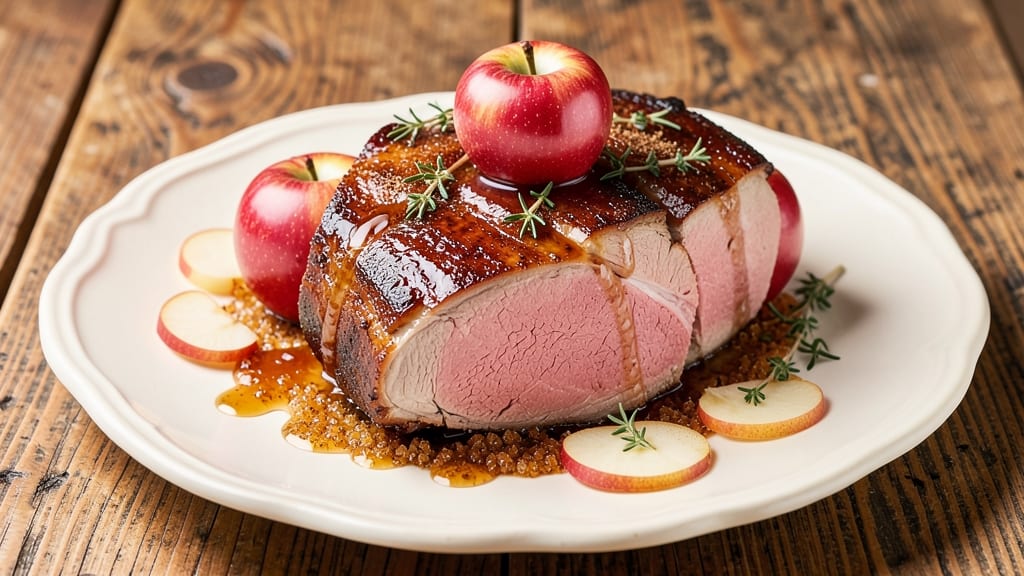
This apple cinnamon pork roast recipe delivers melt-in-your-mouth tenderness with a caramelized glaze that balances sweet and savory. 🌟 As someone who's cooked pork professionally for years, I know the secret lies in slow-braising with apples and cinnamon, transforming tough cuts into juicy perfection.
The technique I'm sharing today combines traditional braising with a modern twist—using apples to create a naturally sweet glaze that clings to every bite.
The process begins with a dry-brine to enhance flavor retention, followed by searing for depth. Then, we layer apples, cinnamon, and herbs directly on the pork before slow-roasting until fork-tender.
What makes this recipe special is how the apples caramelize into a sticky glaze that coats the meat, adding both moisture and complex flavor without needing extra sugar. It's the kind of dish that turns weeknight dinners into memorable meals.
By the time you're done, you'll have a pork roast so tender it practically falls apart, with a glossy caramel glaze that's perfectly balanced between sweet and spiced.
The aroma alone will have everyone gathering at your table, and the texture—juicy yet firm—is exactly what makes this recipe worth the time. This is the kind of pork roast that tastes like it came from a family-style Southern dinner.
Serve with classic sides like mashed potatoes or caramelized onions to soak up every bit of that delicious glaze. The beauty of this method is its versatility—it works equally well for holiday feasts or cozy weeknight meals. Let's get started on creating your perfect apple cinnamon pork roast.
Ingredients for apple cinnamon pork roast
Six ingredients transform tough pork into melt-in-your-mouth perfection with caramelized apple glaze.
| Ingredient | Amount | Notes |
|---|---|---|
| Boneless Pork Loin Roast 🍖 | 4 lb | Center-cut for even cooking |
| Honeycrisp Apples 🍎 | 4 whole | Peeled, cored, sliced into wedges |
| Ground Cinnamon 🌿 | 2 tbsp | Freshly ground preferred |
| Brown Sugar 🍚 | ½ cup | Light or dark variety |
| Apple Cider Vinegar 🍶 | ¼ cup | For tangy depth |
| Fresh Thyme 🌿 | ¼ cup | Stems removed, chopped |
| Fresh Rosemary 🌿 | ¼ cup | Needles finely chopped |
| Garlic Cloves 🧄 | 6 cloves | Smashed but not minced |
| Olive Oil 🫒 | ¼ cup | Extra-virgin for richness |
| Kosher Salt 🧂 | 1 ½ tbsp | Diamond Crystal preferred |
| Black Peppercorns 🌶️ | 1 tsp | Freshly cracked |
| Unsalted Butter 🧈 | ½ cup | Cold, cubed for searing |
| Beef Broth 💧 | 1 cup | Low-sodium preferred |
The pork cut matters most here—bone-in pork loin stays juicier than shoulder, but Costco's pre-boned roasts work perfectly for this recipe. Grab Honeycrisp apples if you can; their sweetness caramelizes best, but Fuji or Gala are solid backups. I always buy my cinnamon in bulk from Penzeys—it's fresher than the grocery store stuff, and that makes a difference in the glaze. For the herbs, fresh is non-negotiable here—they infuse the glaze with real depth. If you're short on time, dried thyme at half the amount works, but I don't recommend skipping them entirely.
No apple cider vinegar? White wine vinegar or lemon juice adds the same bright acidity—just use the same amount. Running low on fresh thyme? Fresh rosemary at the same quantity gives a different but equally delicious profile. The beef broth can be swapped for vegetable broth if you're vegetarian, though the flavor will be slightly different. For the apples, pre-sliced apples from the salad bar save time, but they brown faster—toss them in lemon juice if using. The brown sugar can be swapped for maple syrup if you prefer, though it'll be slightly less caramelized.
This roast reheats beautifully—350°F for 15-20 minutes brings it back to perfection. The glaze thickens as it cools, so I always make extra to drizzle over the top before serving. Store leftovers in the fridge for 4-5 days, or freeze the roast (without the glaze) for up to 3 months. The glaze freezes well too—just thaw and reheat it separately. For presentation, I like to serve it on a platter with the extra glaze spooned over the top and fresh thyme sprinkled on—instant restaurant vibes.
Why You'll Love This Recipe
- Fewer Cuts, More Flavor: Honestly, I slice that pork loin into chunks—no fancy carving required—and the apples practically cook themselves in the same pan. The brown sugar and vinegar caramelize into a glossy glaze while I’m still peeling the apples, so you’re basically set-and-forget.
- Sweet-Spiced Magic: Between us, the cinnamon and Honeycrisp apples make this pork taste like autumn in a skillet. That crisp-tender apple bite cuts through the rich pork, and the vinegar keeps it bright—not cloying, just ridiculously balanced. (Yes, even on a Tuesday night.)
- Leftovers That Shine: I swear by this for lunches—slice the roast, toss it with the pan juices, and serve it on toast with extra apples. Or shred it cold for tacos. The flavors only get better the next day, and it’s way cheaper than takeout. My wallet thanks me every time.
- Weeknight Worthy: No brining, no basting, no stress. Toss the pork with cinnamon, brown sugar, and vinegar, then let the oven do the work while you chop apples. It’s unfussy, feeds a crowd, and still feels special enough for company. (Between us, my in-laws think it’s gourmet.)
Step-by-step instructions for apple cinnamon pork roast
Here's how to create a showstopping roast with fall-off-the-bone tenderness and that perfect caramelized apple glaze.
👨🍳 Step 1: Prep the Pork and Make the Glaze Base
Start by patting the 4 lb boneless pork loin roast completely dry with paper towels—this helps the seasoning stick and the skin crisp. In a small bowl, combine the 0.5 cup brown sugar, 2 tbsp ground cinnamon, 0.25 cup apple cider vinegar, 0.25 cup fresh thyme, 0.25 cup fresh rosemary, 6 smashed garlic cloves, and 1.5 tbsp kosher salt. Mix well until the sugar dissolves and the spices are evenly distributed.
Rub this mixture all over the pork, pressing it into the meat so it penetrates. Let it sit at room temperature for 30 minutes while you prep the apples. This resting time ensures even cooking and maximum flavor infusion. Here's the thing—don't skip this step. The pork will cook more evenly and develop that beautiful caramelized crust.
🍳 Step 2: Sear the Pork for Maximum Flavor
Heat a large oven-safe skillet over medium-high heat. Add the 0.25 cup olive oil and 0.5 cup unsalted butter, letting them melt and foam for about 1 minute. Place the pork in the skillet, fat-side down, and sear for 4-5 minutes until a deep golden brown crust forms. Flip and sear the other side for another 4-5 minutes.
I press down gently on the roast during the first minute of searing—this prevents it from curling and ensures even contact with the pan. You want that crust to develop quickly, so keep the heat steady. The butter will bubble and brown, creating a flavorful base for your glaze. Transfer the skillet to a 425°F preheated oven.
🍳 Step 3: Cook the Apples and Build the Glaze
While the pork sears, peel, core, and slice the 4 whole Honeycrisp apples into wedges. In the same skillet (after removing the pork), add the apple wedges and cook over medium heat for 8-10 minutes, stirring occasionally, until they soften and begin to caramelize. Pour in the 1 cup beef broth and scrape up any browned bits from the bottom of the pan.
Bring the mixture to a gentle simmer and let it reduce by half—this should take about 5-7 minutes. The apples should be tender with a glossy sheen, and the liquid should coat the back of a spoon. This reduction creates the perfect sticky-sweet glaze that'll coat your pork beautifully. Taste and adjust seasoning with additional salt if needed.
🥘 Step 4: Roast and Glaze the Pork
Return the pork roast to the skillet and spoon the apple mixture evenly over the top. Transfer the skillet to the oven and roast for 30-40 minutes until the internal temperature reaches 145°F for medium-rare (use a meat thermometer for accuracy). The pork should be tender when pierced with a fork, and the glaze should bubble and caramelize on top.
Here's where it gets magical: the apples release their juices and create a luscious glaze that clings to every bite. If the glaze starts to dry out, add 1-2 tablespoons of water or apple cider vinegar to keep it glossy. The pork is done when it's fork-tender and the glaze has thickened to a beautiful caramel color.
⏰ Step 5: Rest and Serve with Pan Sauce
Remove the pork from the oven and let it rest on a cutting board for 10-15 minutes. This resting period allows the juices to redistribute throughout the meat, ensuring each slice is moist and flavorful. While it rests, spoon the pan sauce over the top one last time to create that signature sticky-sweet finish.
Slice the pork into ½-inch thick pieces against the grain for maximum tenderness. Serve with the remaining pan sauce drizzled over the top and a side of roasted vegetables or crusty bread to soak up every last bit of that delicious glaze. The result is a perfectly balanced dish with tender pork, sweet apples, and warm spices that'll have everyone asking for seconds.
Pro Tips For Making Apple Cinnamon Pork Roast
- USE A MEAT THERMOMETER: I learned this the hard way—pork loin can go from perfect to dry in seconds once it hits 145°F. Pull it out at 140°F internal temp (it’ll rise 5°F while resting), then tent loosely with foil for 10 minutes. No guessing, no overcooking.
- PEEL AND GRATE APPLES: Honeycrisp apples hold their shape when sliced, but grated apple releases more juice and caramelizes faster into the pork’s surface. Use a box grater—skip the peel (bitter) and chop the grated apple into tiny pieces so it blends evenly into the glaze.
- SWEAT THE CINNAMON: Brown sugar and apple cider vinegar can burn before the pork is cooked. First, bloom the cinnamon in a cold pan with 1 tablespoon butter for 30 seconds—just until fragrant. Then add the vinegar and sugar on low heat, stirring constantly, to dissolve the sugar without scorching.
- SAVE TIME WITH A HOT START: This isn’t the prettiest method, but it works: Sear the pork in a hot pan for 2 minutes per side before transferring to the oven. The crust locks in moisture, and the apples won’t stick to the pan later. (Yes, even if you’re impatient like me.)
Best sauces and condiments for this recipe
Caramelized Apple Glaze
This is the star of your pork roast—where the sweetness of the apples meets the warmth of cinnamon to create a luscious, sticky finish. I always use Honeycrisp apples because their firm texture holds up during roasting while delivering that signature caramelized sweetness.
The key is to reduce the apple mixture with beef broth until it thickens to a glossy consistency—this ensures it clings beautifully to the pork. For extra depth, I add a splash of apple cider vinegar while reducing, which brightens the flavors and balances the sweetness. 🍎
Don't be tempted to skip the reduction step—this is where the magic happens. The longer you reduce, the thicker and more flavorful the glaze becomes.
If you're short on time, you can speed this up by using a saucepan on high heat instead of the skillet, but you'll lose some of that beautiful caramelized color. Once reduced, the glaze should coat the back of a spoon and have a syrupy texture.
This is your secret weapon for making every bite of pork irresistible.
Brown Butter Glaze
For a richer, nuttier flavor profile, I sometimes swap out the apple glaze entirely and use a brown butter glaze instead. Start by melting ½ cup unsalted butter in a saucepan over medium heat, swirling constantly until it turns golden brown and smells nutty.
Immediately pour it over the roasted pork and let it caramelize in the oven for the final 10 minutes of cooking. This adds a completely different dimension—deep, toasty notes that pair beautifully with the pork's natural sweetness.
Brown butter glaze works especially well if you prefer a less sweet profile or want to highlight the pork's natural flavors. It's also a great option if you're using tart apples like Granny Smith, which need the richness of brown butter to balance their acidity.
For an extra touch, I sprinkle toasted pecans on top before serving—this adds crunch and visual appeal that always impresses guests.
Spiced Maple Glaze
When I want to add a touch of warmth without overpowering the apple flavor, I blend a spiced maple glaze to drizzle over the finished roast.
In a small saucepan, combine ½ cup pure maple syrup, 1 tbsp apple cider vinegar, 1 tsp ground cinnamon, and ½ tsp fresh ginger. Simmer for 5 minutes until slightly thickened, then strain out the spices.
This glaze adds a subtle sweetness that lets the pork's natural flavor shine through while keeping things elegant.
The beauty of this glaze is its versatility—it works equally well as a finishing touch for the pork or as a drizzle for sides like roasted sweet potatoes.
I often make a double batch and keep it in the fridge for up to 2 weeks—it's perfect for quick weeknight dinners when I don't have time to make the full apple glaze.
For a festive touch, I garnish with crystallized ginger or a sprinkle of smoked sea salt to add contrast.
Creamy Mustard Sauce
If you're looking for something with a bit more tang, a creamy mustard sauce pairs wonderfully with the sweetness of the pork. Start by melting 2 tbsp unsalted butter in a saucepan, then whisk in 2 tbsp Dijon mustard and 2 tbsp apple cider vinegar.
Slowly add ½ cup heavy cream while whisking constantly to prevent curdling. Simmer for 3-4 minutes until slightly thickened, then season with ½ tsp salt and a pinch of black pepper.
This sauce adds a sophisticated contrast to the sweet glaze, cutting through the richness of the pork beautifully. I often serve it on the side for dipping or drizzle it over the sliced pork just before serving.
For extra depth, I stir in 1 tsp honey or a pinch of smoked paprika to tie it back to the original flavors. It's especially good if you're serving the pork with rich sides like mashed potatoes or buttery noodles.
Balsamic Reduction
For a more sophisticated finish, I sometimes create a balsamic reduction that adds depth and complexity to the dish. In a small saucepan, combine ¼ cup balsamic vinegar and 2 tbsp brown sugar, then simmer over medium heat until reduced by half—about 5-7 minutes.
The result is a glossy, tangy syrup that adds an unexpected but delicious contrast to the sweet pork.
This reduction works particularly well if you're serving the pork with earthy sides like roasted root vegetables or a simple green salad. I drizzle it over the finished roast just before serving to keep the flavors vibrant.
For a richer version, I add 1 tbsp butter** at the end and whisk until fully incorporated. The balsamic adds a touch of sophistication that elevates the dish from comforting to impressive without overpowering the main flavors.
Nutrition facts
Frequently asked questions
Can I use bone-in pork loin instead of boneless?
Bone-in pork loin will be even more flavorful and juicy. Just increase the cooking time by 15-20 minutes to account for the bone's insulating effect. The internal temperature should still reach 145°F for medium-rare. If your roast has a thick bone, consider removing it after cooking for easier slicing.
What if I don't have Honeycrisp apples?
No problem! Use Fuji, Gala, or Braeburn apples—they caramelize beautifully. For tartness, try Granny Smith, but you may want to add 1 extra tablespoon of brown sugar to balance the flavor. Avoid overly soft apples like McIntosh, as they won't hold up well during cooking.
How do I prevent the pork from drying out?
The key is not overcooking and using a meat thermometer. Remove the pork from the oven when it hits 145°F for medium-rare—it will continue cooking slightly as it rests. Also, keep the oven temperature at 425°F (not higher) and avoid opening the oven door too often to maintain even heat.
Can I make this in a slow cooker?
Yes! Sear the pork first, then transfer it to a slow cooker with the apple mixture. Cook on low for 6-7 hours or high for 3-4 hours. The glaze will be thinner, so reduce it separately on the stovetop before serving. For best results, use a 6-quart slow cooker to avoid overcrowding.
What's the best way to reheat leftovers?
Reheat sliced pork in a 350°F oven for 15-20 minutes with a splash of beef broth to keep it moist. For the glaze, warm it in a saucepan over low heat until bubbly—never microwave it, as it can become grainy. Store leftovers in the fridge for 4-5 days or freeze the pork (without glaze) for 3 months.