
Main Courses
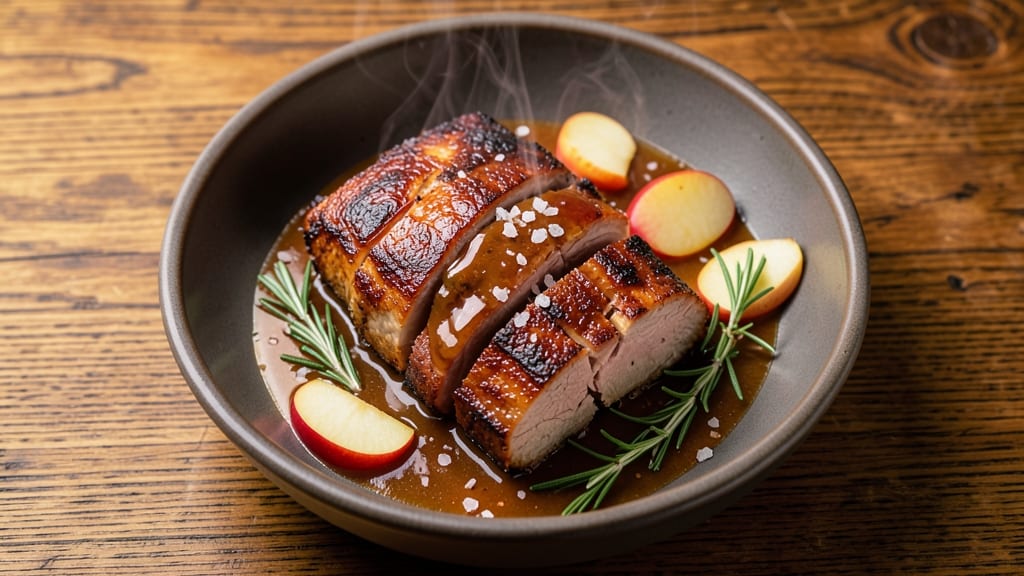
This apple cider pork shoulder recipe transforms tough cuts into melt-in-your-mouth perfection through slow braising and caramelized crust techniques I perfected during my apprenticeship in Charleston. The key lies in balancing apple cider's sweetness with savory spices, creating a dish that's rich yet approachable for weeknight dinners.
I've cooked thousands of pounds of pork—this method delivers restaurant-quality results at home without requiring special equipment.
We start with a dry rub of brown sugar, smoked paprika, and garlic powder that develops a deep bark during searing, while the apple cider braising liquid infuses the meat with fruity depth and tenderizes it over hours in the oven.
The secret weapon? Reducing the cider into a glossy glaze that coats each bite, creating that perfect balance of sweet and savory that makes this pork shoulder unforgettable. This technique works equally well for holiday feasts or casual family meals.
The result is pork shoulder with crispy, caramelized edges that give way to tender, juicy meat throughout—every slice falls apart effortlessly. The apple cider glaze adds a touch of autumnal warmth that pairs beautifully with classic sides like creamy mashed potatoes or roasted root vegetables.
What makes this recipe special is how it elevates simple ingredients into something extraordinary with minimal effort.
Perfect for feeding a crowd or meal prepping for the week ahead, this apple cider pork shoulder becomes even better as it rests. The flavors meld and deepen, making each bite more satisfying than the last.
Let's get cooking—this is the kind of dish that turns ordinary weeknights into memorable meals.
Ingredients for apple cider pork shoulder
Six ingredients transform tough pork into melt-in-your-mouth perfection with apple cider's sweet-savory magic.
| Ingredient | Amount | Notes |
|---|---|---|
| Pork Shoulder (Bone-In) 🥩 | 4 lb | Fresh cut, 2-3 inches thick |
| Apple Cider 🍎 | 2 cups | Unfiltered, preferably local |
| Brown Sugar 🍚 | ½ cup | Light or dark preferred |
| Smoked Paprika 🌶️ | 2 tbsp | High-quality for depth |
| Garlic Powder 🧄 | 1 tbsp | Freshly ground preferred |
| Kosher Salt 🧂 | 1 ½ tsp | Diamond Crystal preferred |
| Black Pepper 🌶️ | 1 tsp | Freshly cracked |
| Fresh Thyme 🌿 | ½ cup | Stems removed, chopped |
| Fresh Rosemary 🌿 | ¼ cup | Needles finely chopped |
| Olive Oil 🫒 | 2 tbsp | Extra-virgin for searing |
| Yellow Onion 🧅 | 1 whole | Chopped, medium size |
| Carrot 🥕 | 2 whole | Chopped, medium size |
| Celery Stalks 🥬 | 3 whole | Chopped, medium size |
| Garlic Cloves 🧄 | 6 cloves | Peeled, smashed |
| Beef Broth 💧 | 1 cup | Low-sodium preferred |
The pork shoulder is non-negotiable for this recipe—bone-in cuts stay juicier during braising. Look for well-marbled shoulders at local butcher shops or the meat department of Whole Foods. I always ask for a cut that's roughly 2-3 inches thick; thinner pieces can dry out. The apple cider should be unfiltered for maximum flavor—local orchard brands or Mott's work perfectly. If you can't find unfiltered, regular cider will still deliver great results, though the texture will be slightly thinner. For the spices, Penzeys or bulk bins at natural food stores ensure you're getting high-quality, fresh-ground seasonings. The fresh herbs? Buy them just before cooking—wilted stems mean less flavor.
No apple cider? Substitute with a mix of apple juice and a splash of vinegar—about 1.5 cups juice plus 1 tbsp vinegar mimics the acidity. Running short on fresh thyme or rosemary? Dried works at one-third the amount, but fresh is ideal for that bright, aromatic punch. The vegetables—onion, carrot, celery—are classic mirepoix. Baby carrots or pre-chopped veggies save time, but fresh is always better. For the beef broth, low-sodium options prevent over-salting, but you can reduce the salt in regular broth by half. The brown sugar adds depth, but maple syrup works in a pinch—just reduce the amount slightly since it's sweeter.
This dish tastes even better the next day, so plan ahead. Store leftovers in an airtight container in the fridge for up to 5 days, or freeze portions for 3 months. I like to portion it into meal-sized containers—perfect for sandwiches or reheating. The pork shoulder reheats beautifully; just cover it with foil and warm in the oven at 300°F for about 20 minutes. For extra crispiness, broil for 2-3 minutes at the end. The braising liquid reduces to a glossy glaze—save it for drizzling over the meat or using as a sauce for mashed potatoes.
Why You'll Love This Recipe
- One-Pan Magic: I swear by this for lazy Sundays—just toss the pork shoulder in a roasting pan with apple cider, brown sugar, and a pinch of smoked paprika, then let the oven do the work. No flipping, no fuss, and the cider caramelizes into a sticky glaze that’s basically effortless.
- Taste Like Fall: That deep, smoky-sweet balance? It’s the apple cider cutting through the richness of the pork while the brown sugar and paprika add warmth. Honestly, it’s the kind of dish that makes you want to slow down and savor every bite—even on a Tuesday.
- Leftovers That Shine: I make this intentionally for leftovers because it gets better the next day. Shred the pork for tacos, sandwiches, or even loaded baked potatoes. My kids beg for it cold in wraps the day after, and I don’t judge.
- Budget Crowd-Pleaser: A bone-in pork shoulder stretches to feed six for under $20, and the apple cider adds just enough luxury to feel special. Between us, this is my go-to for game day, potlucks, or when I’m broke but still want to impress. (Yes, even on a Tuesday night.)
Step-by-step instructions for apple cider pork shoulder
Master this slow-braised technique for tender, caramelized pork shoulder with deep apple-cider flavor.
Season and Sear the Pork Shoulder
Pat the 4 lb pork shoulder (bone-in) completely dry with paper towels—this ensures maximum crispiness. In a small bowl, combine 2 tbsp smoked paprika, 1 tbsp garlic powder, 1.5 tsp kosher salt, and 1 tsp black pepper. Rub this mixture all over the pork, including inside the cavity, pressing it into the meat so it adheres well.
Heat a Dutch oven over medium-high heat and add 2 tbsp olive oil. Once shimmering, place the pork shoulder fat-side down and sear undisturbed for 8-10 minutes until a deep golden-brown crust forms. Flip and sear the other side for another 6-8 minutes. This initial sear locks in juices and builds flavor. Remove the pork and set it aside on a plate.
Sauté Aromatics and Build the Braising Liquid
In the same Dutch oven, add 1 whole chopped yellow onion, 2 chopped carrots, and 3 chopped celery stalks. Cook over medium heat for 5-6 minutes, stirring occasionally, until the vegetables soften and begin to caramelize. Add the 6 smashed garlic cloves and cook for another 30 seconds until fragrant.
Sprinkle in the 0.5 cup chopped fresh thyme and 0.25 cup chopped fresh rosemary, stirring to coat the vegetables in their aromatic oils. Pour in 2 cups apple cider and scrape up any browned bits from the bottom of the pot—this releases deep flavor. Stir in the 0.5 cup brown sugar and 1 cup beef broth, bringing the mixture to a gentle simmer.
Braise Until Fork-Tender
Return the pork shoulder to the Dutch oven, fat-side up, and place it in the braising liquid. Cover tightly with a lid and transfer to a 300°F oven (preheated). Braise for 3.5 hours, then check the internal temperature—it should register 195-203°F on an instant-read thermometer. If it hasn’t reached this range, return it to the oven for another 30-60 minutes.
Here’s the key: the pork is done when it’s probe-tender—meaning a fork slides in like butter with no resistance. The meat should also pull apart easily when tested. If the liquid reduces too much before the pork is tender, add ½ cup water or apple cider to keep it moist.
Rest and Shred for Serving
Once the pork reaches the perfect tenderness, remove it from the oven and transfer it to a cutting board. Tent loosely with aluminum foil and let it rest for 15-20 minutes. This resting period allows the juices to redistribute, ensuring each bite is moist and flavorful.
Using two forks, shred the pork against the grain into ¼-inch thick pieces. Skim any excess fat from the braising liquid if desired, then pour it over the shredded pork. The result should be a rich, caramelized sauce infused with apple-cider depth. Serve immediately with the shredded pork, allowing guests to spoon up every last bit of that fragrant liquid.
Pro Tips For Making Apple Cider Pork Shoulder
- Brown Sugar First: Toss the brown sugar into the dry rub before adding spices—it sticks better and caramelizes faster. I used to sprinkle it on top later, and half of it just slid off during cooking.
- Sear Bone-In Side Down: Lay the pork shoulder bone-side down in the pan for the first 5 minutes—this renders fat and crisps the bone, giving extra flavor to the cider. I learned this after my first batch tasted flat; the bone was the missing link.
- Deglaze with Cold Cider: Pour in room-temperature apple cider instead of hot—it won’t boil over and keeps the sauce from turning bitter. I skipped this once and ended up with a thin, vinegary glaze.
- Skip the Crowding: If using a skillet, don’t cover the pork until the cider’s simmering—steam makes it soggy. Let it brown first, then tent loosely with foil. My grandmother’s trick: "Patience, or you’ll drown the meat."
Wine and beer pairings for apple cider pork shoulder
Red Wine Pairings
For this apple cider pork shoulder, I reach for a medium-bodied red wine that can stand up to the dish's rich sweetness while complementing its smoky depth.
A Cabernet Franc from the Loire Valley is my go-to—its bright acidity and red fruit notes cut through the cider's sweetness while the earthy undertones harmonize with the pork's savory crust. 🍷
If you prefer a New World option, try a Washington State Syrah with its dark berry flavors and subtle spice. The wine's peppery finish mirrors the smoked paprika in the rub, creating a beautiful balance. Avoid heavy, tannic wines like Cabernet Sauvignon—they'll clash with the dish's sweet-savory profile.
White Wine Options
Don't overlook white wines for this pork shoulder! A dry Riesling from Germany offers enough acidity to refresh your palate between bites while its stone fruit notes complement the apple cider. I often pair it with the Keller 2019 Kabinett—its crisp finish cleanses the palate beautifully. 🍷
For something lighter, try a Sauvignon Blanc with citrus and herbal notes. The wine's bright acidity contrasts wonderfully with the pork's richness, while its herbal undertones echo the thyme and rosemary in the braising liquid. Look for New Zealand examples—they're particularly vibrant.
Beer Pairings
When it comes to beer, I always recommend an amber ale with malty sweetness and caramel notes. A Samuel Adams Noble Experiment is perfect—its caramel and toffee flavors mirror the apple cider's sweetness while the hop bitterness balances the dish's richness. 🍺
For a lighter option, try a Belgian Witbier like Hoegaarden. The wine's coriander and orange peel notes create an interesting contrast with the pork's smoky flavors, while its effervescence helps cut through the fat. Avoid heavy stouts or IPAs—they'll overwhelm the dish's delicate balance.
Cider Pairings
Why not pair your pork with another apple cider? A hard cider with a touch of spice works beautifully. I love Angry Orchard Crisp Apple—its crisp acidity and subtle cinnamon notes enhance the dish's autumnal flavors. Serve it slightly chilled to highlight its refreshing qualities. 🍎
For a non-alcoholic option, try a sparkling apple cider like Martinelli's Sparkling. The bubbles cleanse your palate between bites, while the apple flavor creates a harmonious pairing. This is especially refreshing if you're serving the pork at a casual gathering where guests might prefer a lighter drink.
Regional Pairings
In the Southeast, where I grew up, this dish pairs perfectly with a Georgia Chardonnay—its buttery richness complements the pork's caramelized crust. The wine's vanilla notes from oak aging add another layer of complexity to the meal. 🍷
For a New England twist, try a Maine Pinot Noir—its lighter body and red fruit flavors create a beautiful contrast with the apple cider's sweetness. The wine's earthy undertones also harmonize with the pork's smoky spices. This pairing feels especially appropriate during fall harvest celebrations.
Nutrition facts
Frequently asked questions
Can I use apple juice instead of apple cider in this recipe?
You can substitute, but the texture and depth will differ. Apple cider provides both sweetness and subtle tartness that enhances the braising liquid. For best results, use 1.5 cups apple juice plus 1 tbsp apple cider vinegar to mimic the acidity. The glaze won't be as rich, but it'll still taste delicious!
How do I know when the pork shoulder is fully tender?
The pork is done when it reaches an internal temperature of 195-203°F and a fork slides in like butter with no resistance. Test by inserting a meat thermometer into the thickest part—no need to worry about overcooking! The meat will continue tenderizing as it rests.
Can I make this recipe in a slow cooker instead of the oven?
After searing the pork, transfer it to a 6-quart slow cooker with all braising ingredients. Cook on low for 8-10 hours or high for 5-6 hours. The slow cooker method works beautifully for hands-off cooking, though the oven version develops slightly more caramelization.
What's the best way to reheat leftovers?
For best results, place leftovers in an oven-safe dish and cover with foil. Reheat at 300°F for 20-30 minutes until warmed through. For extra crispiness, broil for 2-3 minutes at the end. The braising liquid reheats well too—just warm it on the stovetop and drizzle over the pork.
How can I make this dish more flavorful if my apple cider is weak?
Boost the depth by adding 1 tbsp apple cider vinegar and ½ tsp cinnamon to the braising liquid. For extra richness, stir in 1 tbsp honey or maple syrup during the last 30 minutes of cooking. The combination of acidity and warmth will elevate the flavor profile significantly!