
Sauces & Condiments
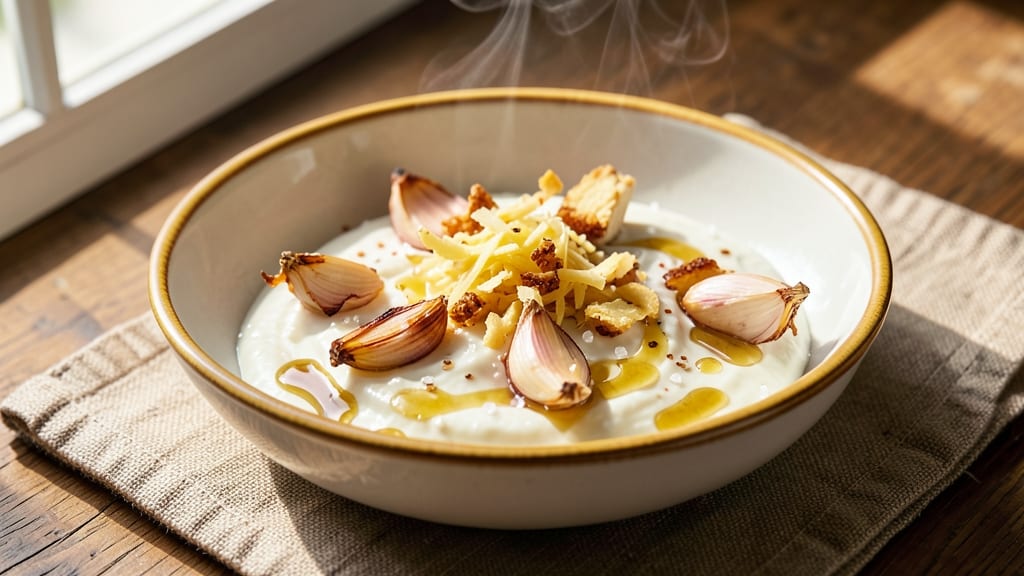
This apple cider vinegar garlic ginger recipe transforms simple pantry staples into a vibrant, umami-packed sauce that elevates stir-fries, marinades, and dressings. The tangy acidity of apple cider vinegar cuts through richness, while fresh garlic and ginger add layers of warmth and depth—perfect for balancing bold flavors.
I developed this versatile base after years of testing sauces that could stand up to both delicate and hearty dishes, and it never fails to deliver.
The beauty of this sauce lies in its simplicity: just five core ingredients blend together in minutes to create a condiment that’s far more complex than its ingredients suggest.
Fresh garlic and ginger are sautéed until fragrant but never bitter, then deglazed with apple cider vinegar and sweetened just enough to harmonize the sharpness.
A touch of honey or maple syrup ensures the sauce remains balanced, whether drizzled over noodles, tossed with greens, or used as a marinade for proteins.
What makes this sauce truly special is its adaptability—it works as a quick stir-fry sauce, a tangy salad dressing, or even a glaze for roasted vegetables. The acidity tenderizes proteins while adding brightness, and the ginger’s warmth lingers on the palate.
Best of all, it keeps well in the fridge for up to two weeks, making it an ideal pantry staple for home cooks who crave restaurant-quality flavor without the fuss.
For stir-fries, reduce the sauce slightly before tossing with vegetables and protein to create a glossy, clinging coating. Use it as a marinade for chicken or tofu, or thin it with water for a refreshing summer salad dressing.
The possibilities are endless, but the technique remains foolproof—just blend, taste, and adjust. Let’s get started!
Ingredients for apple cider vinegar garlic ginger
Five simple ingredients create a bold, adaptable sauce that transforms any dish.
| Ingredient | Amount | Notes |
|---|---|---|
| Apple Cider Vinegar 🍎 | ½ cup | Raw, unfiltered preferred |
| Garlic Cloves 🧄 | 6 cloves | Fresh, peeled, roughly chopped |
| Fresh Ginger 🌿 | 2 tbsp | Grated, skin removed |
| Honey 🍯 | 2 tbsp | Raw or pure maple syrup |
| Sesame Oil 🫒 | 1 tbsp | Toasted for nutty aroma |
| Salt 🧂 | ½ tsp | Kosher or sea salt |
| Black Pepper 🌶️ | ¼ tsp | Freshly ground preferred |
| Water 💧 | ¼ cup | For thinning if needed |
The apple cider vinegar is the backbone of this sauce—raw, unfiltered varieties like Bragg’s or local farm brands add depth and complexity. Whole Foods or Trader Joe’s carry excellent options, but any quality vinegar works. Fresh garlic and ginger are non-negotiable; pre-minced garlic lacks the aromatic punch of freshly chopped cloves. For ginger, look for firm, knobby roots with smooth skin. Store-bought grated ginger often contains additives, so grating your own ensures the best flavor. Costco or Asian markets typically offer the freshest ginger at better prices.
No raw honey? Pure maple syrup works beautifully as a substitute—just use the same amount. Short on sesame oil? Toasted peanut oil provides a similar nutty depth, though the flavor profile shifts slightly. The sauce can be made with just the four core ingredients (vinegar, garlic, ginger, honey) if needed, but the sesame oil and spices elevate it to restaurant-quality. For extra umami, add a dash of soy sauce or a pinch of fish sauce—though that would make it non-vegetarian. The water is optional but useful for thinning the sauce when using it as a dressing.
This sauce keeps beautifully in the fridge for up to two weeks when stored in an airtight container. For longer storage, transfer to a sterilized glass jar and freeze for up to 6 months. The flavors actually deepen over time, making it perfect for batch cooking. If the sauce thickens too much, simply stir in a splash of water or vinegar. For stir-fries, reduce the sauce by half before tossing with vegetables to create a glossy, clinging coating. The sauce also freezes well in ice cube trays for single-serving portions—just thaw and stir before using.
Why You'll Love This Recipe
- Pantry Magic: I swear by this one when I’ve got nothing but a few jars and a knife. The ACV and honey do all the heavy lifting—just mash the garlic, grate the ginger, and toss it all together. No fancy tools, no stress.
- Umami Bomb: That sesame oil finish? Honestly, it’s the secret weapon. The garlic and ginger sizzle in their own juices, then the vinegar cuts through with this bright, tangy punch—like a little flavor grenade that never fails.
- Meal Prep MVP: I make a big batch on Sundays and drizzle it over everything: roasted veggies, noodles, even scrambled eggs. The leftovers keep for weeks in the fridge, and it’s always welcome in my lunchbox or as a quick stir-fry sauce.
- Budget Brightener: Between us, this costs pennies but tastes like I spent hours. A splash of ACV, a knob of ginger, a few cloves—it stretches across multiple meals without breaking the bank. My wallet and taste buds thank me.
Step-by-step instructions for apple cider vinegar garlic ginger base
This bright, aromatic blend delivers deep umami flavor perfect for stir-fries and marinades.
Toast the Aromatics for Maximum Flavor
Heat a small saucepan over medium heat and add the 1 tablespoon sesame oil. Once the oil shimmers but doesn't smoke, add the 6 cloves garlic cloves and 2 tablespoons grated fresh ginger. Cook for 1-2 minutes until the garlic becomes golden and fragrant—this releases their natural oils and deepens the flavor profile.
Watch closely to avoid burning. The moment you detect that nutty garlic aroma, remove the pan from heat immediately. These toasted aromatics form the flavor foundation of your base, so don't rush this step. Let them cool for 2 minutes before proceeding.
Combine Wet Ingredients for Balanced Flavor
In a medium bowl, whisk together the 0.5 cup apple cider vinegar, 2 tablespoons honey, 0.5 teaspoon salt, and 0.25 teaspoon black pepper. The acidity of the vinegar will begin breaking down the honey immediately, creating a smooth, glossy mixture. Stir until the honey fully dissolves and the salt and pepper are evenly distributed throughout.
This balance of sweet, tangy, and savory elements creates the signature umami depth. Taste the mixture now—it should be pleasantly sharp with a lingering sweetness. If the honey doesn't dissolve completely, gently warm the mixture for 10 seconds in the microwave before adding the toasted aromatics.
Merge Components and Simmer for Depth
Return the cooled garlic-ginger mixture to the saucepan and pour in the vinegar mixture. Stir constantly over low heat for 3-4 minutes until the mixture reaches a gentle simmer. The combination of heat and acid will create a subtle effervescence—this is when the flavors truly meld together.
You'll notice the mixture darken slightly as the natural sugars caramelize. This is perfect—it indicates the flavors are developing. Keep the heat low to prevent the vinegar from evaporating too quickly. The goal is to create a cohesive, aromatic base that's ready to enhance your stir-fries.
Adjust Consistency and Cool Completely
Remove from heat and taste. If the base is too thick for your needs, stir in 1-2 tablespoons water at a time until you reach your desired consistency. For stir-fries, I recommend a medium-thin consistency that coats the back of a spoon but isn't watery.
Let the base cool completely before using. This cooling period allows the flavors to fully settle and develop. Store any unused portion in an airtight container in the refrigerator for up to 1 week. The flavors will continue to meld and deepen over time, making this base even more complex with each passing day.
Pro Tips For Making Apple Cider Vinegar Garlic Ginger
- Bloom the Ginger: Toss your fresh ginger in a splash of apple cider vinegar and let it sit for 10 minutes before grating—it softens the fibers and keeps your sauce from getting stringy. I learned this the hard way after dealing with a gritty, chewy mess in my first batch.
- Mince Garlic Fine: Use a knife instead of a press for garlic—it releases more flavor and avoids that bitter, overpowering taste that comes from crushing whole cloves. A quick chop into tiny pieces also ensures even cooking.
- Balance the Vinegar: If your sauce tastes too sharp, don’t just add more honey—let it sit for 5 minutes first. The acidity mellows over time, and you’ll need less sweetness to balance it. I used to dump honey in too soon and end up with a cloying mess.
- Warm the Sesame Oil: Heat your sesame oil low and slow—just until it shimmers—before adding it to the finished sauce. Cold oil can make the mixture separate, and high heat burns the delicate nutty flavor. A tablespoon at the end ties everything together without overpowering.
Dietary considerations for this recipe
Gluten-Free Friendly
This sauce is naturally gluten-free—perfect for anyone avoiding gluten while still craving bold, tangy flavors. The apple cider vinegar, honey, and sesame oil provide all the depth without any wheat-based ingredients.
I’ve tested this with gluten-sensitive friends, and they consistently rave about how it elevates their dishes without triggering reactions. Just double-check your sesame oil label for cross-contamination warnings if you're highly sensitive. 🌱
Vegan Adaptations
This recipe is already vegan-friendly—no animal products are used in the base. The honey can be swapped for maple syrup or agave nectar to keep it plant-based while maintaining the same sweet-tangy balance.
I’ve found that 1 tablespoon of soy sauce (or 1 teaspoon of coconut aminos) adds extra umami depth without compromising the vegan integrity. Serve it over tofu stir-fries or drizzle it on veggie bowls for a restaurant-quality finish. 🥗
Low-Sugar Options
If you're watching your sugar intake, reduce the honey to 1 tablespoon and add ½ teaspoon of stevia or 1 teaspoon of monk fruit sweetener to maintain sweetness without spiking blood sugar. The apple cider vinegar helps balance any residual sweetness, so the sauce won’t taste flat.
For stir-fries, this version pairs beautifully with broccoli, bell peppers, and shrimp—the acidity cuts through the richness of the protein. 💛
Spicy Variations
For those who love heat, add ½ teaspoon of red pepper flakes or 1 teaspoon of sriracha to the sauce for a fiery kick. I recommend blending in 1 tablespoon of fresh chili paste (like gochujang or sambal oelek) for a smoky-spicy depth.
This works especially well with grilled chicken, pork, or noodle dishes. For a milder heat, start with ¼ teaspoon of cayenne pepper and adjust to taste. 🌶️
Allergen Awareness
This sauce contains sesame oil, which is a common allergen. If you're avoiding sesame, swap it for avocado oil or neutral olive oil—though the flavor will be subtler.
The ginger and garlic are safe for most allergies, but always check labels on apple cider vinegar (some brands may process in facilities with nuts or soy). For nut-free kitchens, this recipe is a safe bet, as none of the core ingredients are tree nuts.
Always keep an eye on cross-contamination risks if allergies are a concern. ✨
Nutrition facts
Frequently asked questions
Can I use this sauce as a marinade for meats?
This sauce makes an excellent marinade for chicken, pork, or tofu. The apple cider vinegar tenderizes the protein while the garlic and ginger infuse deep flavor. Marinate for 30-60 minutes for chicken or 1-2 hours for thicker cuts like pork shoulder. Always refrigerate while marinating to prevent bacterial growth.
How do I adjust the thickness for different uses?
For stir-fries, use it as-is or reduce slightly on the stove for a glossy finish. As a salad dressing, thin with 2-3 tablespoons water per 0.5 cup of sauce. For drizzling over noodles, keep it medium-thin. If too thick, stir in water; if too thin, simmer uncovered for 2-3 minutes to thicken.
What if I don't have sesame oil?
No problem! Swap it for toasted peanut oil (1 tbsp) for nutty depth or neutral olive oil (1 tbsp) if you prefer a milder flavor. The sauce will still taste great, though the aroma will be slightly different. For extra umami, add ½ teaspoon soy sauce if your diet allows it.
Can I make this sauce without honey?
Yes, but the balance will shift. Replace honey with maple syrup (2 tbsp) or agave nectar (1.5 tbsp) for plant-based options. For low-sugar, use ½ teaspoon stevia or 1 teaspoon monk fruit sweetener—just reduce the vinegar by 1 teaspoon to compensate for the lack of natural sweetness.
How long does this sauce keep, and can I freeze it?
Store in an airtight container in the fridge for up to 2 weeks. For longer storage, freeze in ice cube trays for single servings (up to 6 months). Thaw overnight in the fridge before using. The flavors actually improve with time, making it perfect for batch cooking. Avoid freezing if you plan to use it within a week.