
Sauces & Condiments
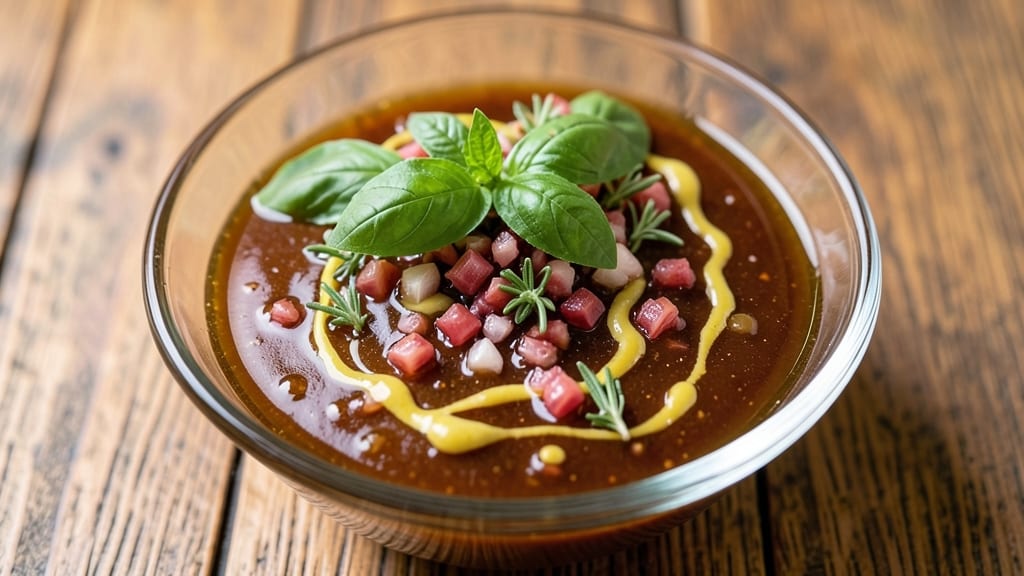
This apple cider vinegar Italian dressing recipe transforms ordinary salads and pasta into vibrant, tangy masterpieces with just a few simple ingredients.
The secret lies in balancing sharp apple cider vinegar with rich olive oil, creating an emulsified dressing packed with Italian herbs and garlic that clings beautifully to greens or noodles.
I developed this version after craving a dressing that was brighter than traditional Italian but still deeply flavorful—perfect for cutting through rich ingredients while adding a zesty kick.
The dressing comes together in minutes with a foolproof emulsification technique using Dijon mustard, ensuring it stays creamy and stable for days. Fresh basil and oregano deliver that classic Italian flavor profile, while garlic and onion powder add depth without overpowering.
What makes this recipe stand out is its versatility—it elevates simple salads, enhances roasted vegetables, and even works as a marinade for grilled chicken or fish.
Once mixed, this dressing stays fresh in the refrigerator for up to two weeks, making it ideal for meal prep. The tangy-sweet balance makes it especially refreshing in summer salads, but its bold flavors also shine in winter dishes like hearty pasta or roasted Brussels sprouts.
The key to success? Whisking the ingredients thoroughly and letting the flavors meld for at least 15 minutes before using—this ensures every bite is packed with bright, cohesive flavor.
Whether you're dressing a classic Caesar salad or drizzling it over warm pasta, this Italian dressing brings restaurant-quality flavor to your kitchen. The apple cider vinegar adds a subtle complexity that traditional vinegar lacks, while the herbs and garlic create a profile that’s both familiar and exciting.
Ready to elevate your meals with a dressing that’s as easy as it is delicious?
Ingredients for apple cider vinegar italian dressing
Nine simple ingredients transform into a dressing that elevates every dish with vibrant Italian flavors.
| Ingredient | Amount | Notes |
|---|---|---|
| Apple Cider Vinegar 🍏 | ¼ cup | Raw, unfiltered preferred |
| Extra-Virgin Olive Oil 🫒 | ¾ cup | High-quality, fruity variety |
| Dijon Mustard 🥬 | 1 tbsp | For perfect emulsification |
| Fresh Basil Leaves 🌿 | ¼ cup | Packed, stems removed |
| Fresh Oregano Leaves 🌿 | 1 tbsp | Or 1 tsp dried oregano |
| Garlic Cloves 🧄 | 3 cloves | Minced for depth |
| Onion Powder 🧅 | 1 tsp | For subtle sweetness |
| Granulated Honey 🍯 | 1 tbsp | Balances acidity |
| Sea Salt 🧂 | 1 tsp | Diamond Crystal preferred |
| Black Pepper 🌶️ | ½ tsp | Freshly cracked |
The apple cider vinegar is the heart of this dressing—raw, unfiltered adds complexity that regular vinegar lacks. Trader Joe's and Whole Foods carry excellent brands like Bragg's or local organic options. For the olive oil, Californian or Italian varieties work best—their fruity notes complement the vinegar perfectly. Fresh basil and oregano are non-negotiable for that authentic Italian flavor, though dried will work in a pinch. The garlic should be freshly minced—pre-minced loses flavor fast. If you're short on time, a garlic press speeds this up without sacrificing quality.
No Dijon mustard? Whole-grain mustard thinned with 1 tsp water works in a bind. Running out of fresh herbs? Dried oregano at one-third the amount maintains the flavor profile. The honey balances the vinegar's sharpness—avoid artificial sweeteners, as they won't emulsify properly. For a sugar-free version, reduce the vinegar by 1 tbsp and add 1 tsp maple syrup instead. The onion powder adds subtle depth without overpowering, but if you prefer raw onion, 1 tsp finely minced yellow onion works beautifully. Always taste before emulsifying—adjust honey or vinegar as needed for your preferred tang level.
This dressing stays fresh for two weeks in an airtight jar in the fridge. For best results, store it in a glass container with a tight seal—plastic can absorb flavors over time. Shake well before each use, as the ingredients naturally separate. The emulsification technique keeps it creamy, but if it breaks, just whisk in 1 tsp water to restore consistency. Portion into small jars for salads, pasta, or marinades—it's equally brilliant on both. Freezes for up to 3 months if you prefer to make a big batch ahead.
Why You'll Love This Recipe
- Five-Ingredient Magic: I swear by this combo—just vinegar, oil, mustard, and fresh herbs. No fancy gadgets, no measuring cups with tiny markings. Honestly, I’ve made it while waiting for pasta to boil.
- Herb-Packed Punch: That tangy apple cider vinegar cuts through the richness of the olive oil, while the Dijon mustard adds depth. Fresh basil and oregano? It’s like a burst of summer in every drizzle—bright, aromatic, and impossible to resist.
- Salad to Pasta Party: Dress your greens, toss it with roasted veggies, or drizzle it over warm pasta. I’ve used it for everything from charcuterie boards to quick weeknight dinners—it’s the kind of dressing that makes ordinary meals feel special.
- Lasts All Week: Make a big batch and store it in the fridge. The flavors actually get better over time, and I’m not exaggerating. Between us, I’ve had this dressing survive three meals and still taste fresh—no waste, no stress.
Step-by-step instructions for apple cider vinegar Italian dressing
This bright, tangy dressing comes together in minutes with simple techniques that guarantee a perfect emulsion every time.
Combine Wet Ingredients for Smooth Emulsification
In a medium bowl, whisk together the 0.25 cup apple cider vinegar, 0.75 cup extra-virgin olive oil, and 1 tbsp Dijon mustard until fully incorporated. The vinegar will initially separate from the oil, but keep whisking—this is normal. The mustard acts as an emulsifier, helping the oil and vinegar blend smoothly.
Add the 1 tbsp granulated honey and 1 tsp onion powder to the mixture. Whisk again until the honey dissolves completely and the onion powder is evenly distributed. This step balances the acidity of the vinegar with natural sweetness while adding subtle depth. The mixture should now look like a light, pale yellow emulsion with no visible streaks of oil.
Add Aromatics and Herbs for Maximum Flavor
In a small food processor or with a sharp knife, finely mince the 3 cloves garlic until you have a smooth paste. Add this to the dressing along with the 0.25 cup fresh basil leaves and 1 tbsp fresh oregano leaves. Pulse or chop the herbs briefly—just enough to break them down slightly while preserving their vibrant color.
Transfer the herb mixture to the bowl with the wet ingredients and whisk vigorously for 30-45 seconds. You want the herbs to release their oils and infuse the dressing without turning it into a chunky pesto. The dressing should now have a rich, emerald-green hue with visible flecks of herbs. If you notice any separation, whisk vigorously for another 10-15 seconds to re-emulsify.
Season and Adjust for Perfect Balance
Add the 1 tsp sea salt and 0.5 tsp black pepper to the dressing. Taste immediately—this is critical. The dressing should be tangy from the vinegar, slightly sweet from the honey, and well-seasoned. If it tastes too sharp, add another ½ tsp honey. If it needs more acidity, add ½ tsp apple cider vinegar. Adjust the seasoning gradually until you achieve a perfect balance of bright, tangy, and savory.
Give the dressing one final whisk to ensure all the seasonings are evenly distributed. The texture should be silky with no visible separation. If you notice any oil pooling on top after a few minutes, whisk again—this is normal with homemade dressings and simply means the emulsion needs a little more time to stabilize.
Rest and Serve for Optimal Freshness
Let the dressing sit at room temperature for 10-15 minutes before using. This resting period allows the flavors to meld completely and the emulsion to fully stabilize. The longer it sits, the better the flavors will develop—up to 24 hours in the refrigerator if you're making it ahead.
Before serving, give the dressing one final shake or whisk. It should now have a glossy, velvety texture with no separation. This dressing works beautifully on fresh salads, pasta dishes, or as a marinade for grilled vegetables. Store any leftovers in an airtight container in the refrigerator for up to 1 week, shaking well before each use to re-emulsify.
Pro Tips For Making Apple Cider Vinegar Italian Dressing
- STIR BEFORE MEASURING: The mustard and vinegar won’t blend smoothly if you just dump them in. Give that jar a good shake first—especially if you’re using whole-grain Dijon—so the thick bits disperse evenly. I learned this the hard way when my first batch looked like swirled paint instead of a cohesive dressing.
- USE COLD OIL: Pour your extra-virgin olive oil straight from the fridge. Cold oil emulsifies better with the acidic vinegar, and it won’t turn the dressing into a warm, oily mess that separates the second it hits your salad. (Yes, I’ve made that mistake. No, it’s not pretty.)
- STRAIN THE HERBS: Tear the basil and oregano by hand instead of chopping—it releases more flavor—and then strain the dressing through a fine-mesh sieve before serving. This keeps your dish elegant and prevents gummy herb bits that turn your fancy vinaigrette into a textural disappointment. (Your guests won’t complain, but you’ll notice the difference.)
- LET IT REST: Don’t pour it over your salad the second you mix it. Give the dressing 10 minutes to marry—especially if you’re using fresh herbs. The flavors mellow out, and the mustard’s bite softens just enough to make it actually pleasant. (I know, I know—you’re hungry now, but trust me on this one.)
Wine and beer pairings for apple cider vinegar italian dressing
Italian Whites
This dressing pairs beautifully with Italian white wines like Pinot Grigio from Alto Adige or Vermentino from Sardinia. The crisp acidity of these wines mirrors the dressing’s tangy brightness, while their citrus notes complement the apple cider vinegar’s depth.
I love a chilled glass of Soave Classico—its almond undertones harmonize perfectly with the dressing’s herbal notes. 🍷
Crisp Italian Beers
For beer lovers, a Peroni or Birra del Borgo Italian lager cuts through the dressing’s richness without overpowering it. The light, effervescent quality refreshes your palate between bites of vinaigrette-dressed greens.
If you prefer craft options, a Belgian witbier like Hoegaarden adds a subtle citrusy contrast that enhances the dressing’s apple cider vinegar base.
Red Wine for Hearty Dishes
When using this dressing on rich pasta dishes or grilled meats, a medium-bodied red like Chianti or Sangiovese stands up to the bold flavors. The wine’s bright acidity and earthy notes bridge the gap between the dressing’s tang and the heartiness of the dish.
Avoid heavy, tannic reds—they’ll clash with the dressing’s brightness.
Non-Alcoholic Options
For a refreshing non-alcoholic pairing, try San Pellegrino Aranciata, an Italian blood orange soda. The citrusy sweetness balances the dressing’s acidity beautifully. Alternatively, a sparkling water with a splash of apple juice keeps the palate clean and highlights the dressing’s herbal complexity. 🥤
Seasonal Adjustments
In summer, the dressing’s brightness pairs well with iced Spritz cocktails**—try an Aperol Spritz with its bittersweet notes. For winter, a glass of Barolo, a bold Italian red, complements the dressing’s depth when used on hearty dishes like roasted root vegetables or braised meats.
Nutrition facts
Frequently asked questions
Why does this dressing use apple cider vinegar instead of regular vinegar?
The apple cider vinegar adds a subtle sweetness and complexity that regular vinegar lacks. Its mellow acidity creates a more nuanced flavor profile, balancing the richness of the olive oil and herbs beautifully. For best results, always use raw, unfiltered apple cider vinegar.
Can I make this dressing without Dijon mustard?
Yes! If you don't have Dijon mustard, substitute with 1 tbsp whole-grain mustard thinned with 1 tsp water. The key is using an emulsifier to keep the oil and vinegar blended. Without one, the dressing may separate more quickly.
How do I fix a separated dressing?
Simply whisk in 1 tsp water or 1 tsp olive oil to restore the emulsion. The Dijon mustard helps re-stabilize the mixture. Shake or whisk vigorously for 10-15 seconds until smooth again. This is completely normal with homemade dressings.
What are the best uses for this dressing besides salads?
This versatile dressing works beautifully as a marinade for grilled chicken or fish, a drizzle on warm pasta, or a dip for crusty bread. It also enhances roasted vegetables, especially Brussels sprouts or asparagus, and adds depth to grain bowls.
Can I make this dressing sugar-free?
Yes! Reduce the apple cider vinegar by 1 tbsp and substitute with 1 tsp maple syrup instead of honey. For a completely sugar-free version, omit the honey entirely and increase the vinegar by 1 tsp to compensate for the lost sweetness.