
Sauces & Condiments
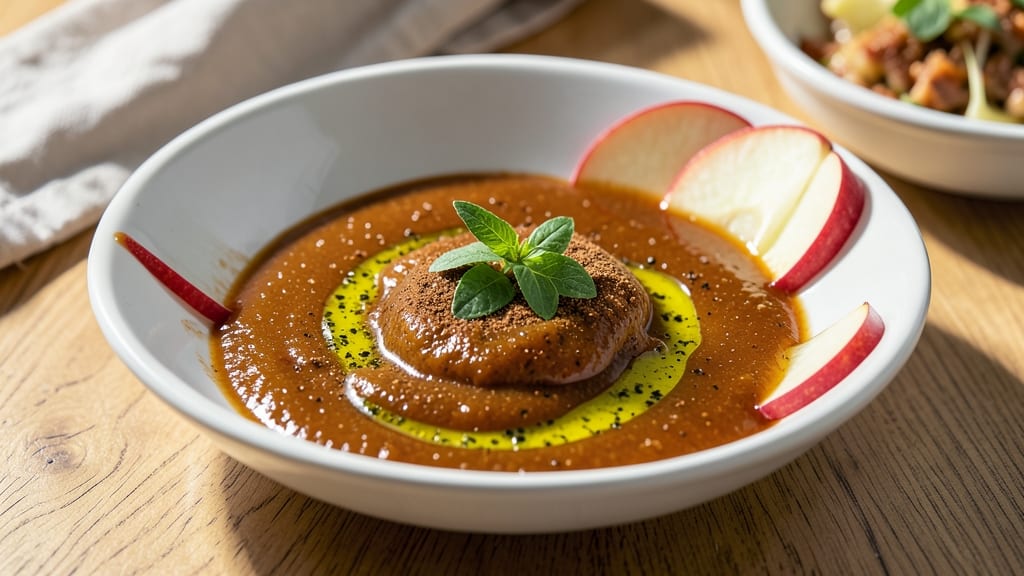
This apple cider vinegar sauce recipe transforms simple ingredients into a versatile glaze that elevates roasted vegetables, salads, and even grilled meats with its perfect balance of tangy brightness and subtle sweetness. The secret lies in the slow reduction of vinegar with honey or maple syrup, creating a glossy finish that clings beautifully to everything it touches. I developed this sauce after years of experimenting with vinegar-based dressings, and it consistently delivers restaurant-quality results at home.
The beauty of this sauce is its adaptability—it works as a tangy dressing for crisp winter salads, a glossy glaze for roasted Brussels sprouts or carrots, or even a marinade for chicken or pork.
The combination of apple cider vinegar, warm spices like cinnamon, and a touch of Dijon mustard creates depth that makes it more interesting than plain vinegar. With just five simple ingredients and a 10-minute active prep time, you'll have a pantry staple that lasts for weeks when stored properly.
What sets this recipe apart is its ability to enhance rather than overpower. The sauce's tangy-sweet profile cuts through rich dishes while complementing delicate flavors, making it ideal for both hearty meals and light lunches.
The reduction process concentrates the flavors, resulting in a sauce that's more complex than it appears. Once you try this, you'll find yourself reaching for it whenever you need a quick but impressive finishing touch.
Store it in an airtight container in the refrigerator for up to two weeks, or extend its shelf life to months by canning it. The possibilities are endless—drizzle it over roasted vegetables, toss it with greens, or use it as a marinade.
This sauce proves that simple ingredients, when combined thoughtfully, can create something truly special.
Ingredients for apple cider vinegar sauce
Five simple ingredients transform into a restaurant-quality glaze with perfect tangy-sweet balance.
| Ingredient | Amount | Notes |
|---|---|---|
| Apple Cider Vinegar 🍏 | 1 cup | Raw, unfiltered preferred |
| Pure Maple Syrup 🍁 | ½ cup | Grade A for best flavor |
| Dijon Mustard 🥫 | 1 tbsp | High-quality, whole-grain preferred |
| Ground Cinnamon 🌿 | ½ tsp | Freshly ground for optimal flavor |
| Sea Salt 🧂 | ½ tsp | Diamond Crystal preferred |
| Extra-Virgin Olive Oil 🫒 | 2 tbsp | For glossy finish and richness |
| Freshly Ground Black Pepper 🌶️ | ¼ tsp | Freshly cracked for best aroma |
| Garlic Cloves 🧄 | 2 cloves | Minced for subtle depth |
The apple cider vinegar is the heart of this sauce—Bragg Organic or Texas Pete are excellent choices for their robust flavor. Look for raw, unfiltered varieties at Whole Foods or Trader Joe's for maximum depth. Maple syrup should be pure, Grade A—Wilder's or Whittaker's deliver consistent quality. The Dijon mustard adds complexity; Maille is a professional favorite, but French's works perfectly for home use. Freshly ground spices make all the difference—Penzeys bulk spices are ideal for this recipe, but any quality brand will suffice if stored properly.
No maple syrup? Agave nectar or honey (for non-vegan versions) work beautifully at the same quantity. Substitute balsamic vinegar for apple cider if needed, though the flavor profile will shift slightly. Mustard-free? Omit it entirely—the sauce will still work, but the depth of flavor will be more subtle. Garlic powder at half the amount can replace fresh garlic in a pinch, though the texture will differ. Olive oil can be swapped for avocado oil for a neutral flavor, though it lacks the same fruity finish. Always taste as you reduce—adjust sweetness or acidity to your preference.
This sauce develops deeper flavor over time, so reheat gently before each use. Store in a sterilized glass jar in the refrigerator for up to two weeks, or extend shelf life to six months by canning in a water bath. Portion into ice cube trays for single-use servings—perfect for quick drizzling. The sauce thickens as it cools, so re-warm with a splash of water if it becomes too stiff. Freeze for up to three months in airtight containers, though texture may slightly alter upon thawing.
Why You'll Love This Recipe
- Five-Ingredient Magic: I swear by this—just stir, taste, adjust. No peeling, no chopping, no stress. The ACV and maple syrup do all the work while I’m still debating what to eat for dinner.
- Tangy-Sweet Balance: That first bite? The vinegar’s sharp kick meets the maple’s warmth, then the Dijon mustard ties it all together like a hug. Honestly, it’s the kind of sauce that makes you pause mid-bite and go, “Wait, why didn’t I think of this sooner?”
- Pantry Staple Power: Already have ACV, maple syrup, and mustard? You’re golden. No last-minute grocery runs—just pull from what’s there. Between us, this is my go-to when I’m too tired to plan but still want something that tastes like I bothered.
- Leftovers That Shine: Make a double batch and store it in the fridge. Drizzle it on roasted veggies one night, toss it with grilled chicken the next—it’s that adaptable. And since it’s cheap to make, I never feel guilty about using it up fast.
Step-by-step instructions for apple cider vinegar glaze
This tangy-sweet glaze comes together in minutes with simple technique and bold flavors.
Combine Vinegar and Maple Syrup
In a medium saucepan, pour in the 1 cup apple cider vinegar and 0.5 cup pure maple syrup. Place over medium-high heat and bring to a gentle simmer. I like to stir occasionally with a wooden spoon—this helps prevent scorching while ensuring even heating.
Watch for small bubbles forming around the edges of the pan. Once the mixture reaches a gentle rolling simmer (about 3-4 minutes), reduce the heat to medium-low. The vinegar's acidity will mellow slightly as it cooks, allowing the sweetness to emerge more prominently. This initial reduction concentrates the flavors and creates the perfect balance for the glaze.
Add Aromatics and Seasonings
Lower the heat to low and stir in the 2 cloves minced garlic, 1 tbsp Dijon mustard, 0.5 tsp ground cinnamon, 0.5 tsp sea salt, and 0.25 tsp freshly ground black pepper. Let the mixture simmer gently for 5-6 minutes, stirring occasionally. The cinnamon will infuse the glaze with warmth, while the Dijon mustard adds depth and a subtle tang.
Here's the thing—don't rush this step. The garlic needs time to mellow and release its aroma, and the spices should fully integrate. You'll notice the mixture thickens slightly as the liquid reduces. If it starts to look too thick before the 5 minutes are up, add 1-2 tablespoons of water to maintain a glossy consistency.
Incorporate Olive Oil for Richness
Remove the saucepan from heat and let it cool slightly for 2 minutes. This prevents the olive oil from separating when added. Using a whisk, slowly drizzle in the 2 tbsp extra-virgin olive oil while whisking vigorously. The oil should emulsify into the glaze, creating a silky, glossy finish that coats everything beautifully.
If the glaze looks slightly separated after adding the oil, return it to low heat for 30 seconds while whisking continuously. The residual heat will help the oil fully incorporate. Once smooth, taste and adjust seasoning—add a pinch more salt or cinnamon if needed. The glaze should be tangy, sweet, and subtly spiced, with a rich mouthfeel from the olive oil.
Cool and Adjust Consistency
Transfer the glaze to a bowl and let it cool to room temperature. As it cools, it will thicken naturally. If it becomes too thick for your liking (especially if using it as a salad dressing), thin it with 1-2 teaspoons of warm water or apple cider vinegar until it reaches a pourable consistency. For roasted vegetables, you can leave it slightly thicker—it will glaze beautifully when brushed on hot produce.
This glaze keeps well in an airtight container in the refrigerator for up to 2 weeks, making it a versatile pantry staple. For best results, give it a quick stir before using, as the flavors meld even more over time. The balance of acidity, sweetness, and warmth makes it perfect for drizzling over roasted Brussels sprouts, Brussels sprouts salad, or even as a marinade for grilled chicken.
Pro Tips For Making Apple Cider Vinegar Sauce
- Whisk in Stages: Start by mixing the apple cider vinegar and maple syrup over low heat—just enough to warm the syrup so it blends smoothly. Then, take the pan off the heat before adding the Dijon mustard, or you’ll risk scrambling its texture. I learned this the hard way when my sauce turned grainy and weird.
- Use Raw Vinegar: Skip the pasteurized stuff—only raw, unfiltered apple cider vinegar has the depth of flavor this sauce needs. The sediment might look gross, but it’s packed with flavor. If you’re in a pinch, strain it, but don’t skip the raw kind entirely—it makes a real difference.
- Salt Last, Taste Often: Hold off on the sea salt until the very end, or you’ll risk overpowering the balance of sweet and tangy. Taste as you go, but remember: the mustard and cinnamon will mellow out once the sauce cools. Trust your palate, not your memory of how it tasted hot.
- Simmer, Don’t Boil: Keep the heat low and steady—a gentle simmer, not a rolling boil. Boiling turns vinegar sharp and maple syrup bitter. If it’s too hot, pull it off the heat for 30 seconds to let it cool slightly. Your sauce will stay bright and balanced, not harsh.
Essential equipment for perfect results
Saucepan Essentials
A medium-sized stainless steel saucepan is my go-to for this recipe because it provides even heat distribution and prevents scorching. I recommend a 3-quart pan like the All-Clad Stainless Steel Saucepan—it handles the acidity of vinegar beautifully without reacting.
For budget-friendly options, a Calphalon nonstick saucepan works well, though I avoid nonstick for high-heat reductions since it can degrade over time. 🔥
Whisk for Emulsification
A balloon whisk is essential for incorporating the olive oil smoothly. The OXO Good Grips Balloon Whisk has the perfect balance of wire density and handle comfort. I use it to whisk the oil into the warm glaze, ensuring a silky texture.
If you don’t have one, a long-handled spoon works in a pinch, but it requires more elbow grease. The whisk’s flexibility helps break up any oil separation instantly.
Wooden Spoon for Stirring
A heat-resistant wooden spoon prevents scratching your saucepan while stirring the vinegar mixture. I prefer a maple or bamboo spoon from Williams Sonoma—they’re gentle on pans and durable.
Avoid metal utensils during the reduction phase, as they can cause hot spots and scorching. The spoon’s curved shape helps scrape the bottom of the pan for even cooking.
Fine-Mesh Strainer (Optional)
If you prefer a smoother glaze, a fine-mesh strainer removes any garlic bits or sediment. I use a Mesh King Strainer—it’s sturdy and won’t clog easily. Simply pour the warm glaze through it before transferring to a jar.
This step is optional but elevates the sauce’s presentation, especially when drizzled over delicate dishes like salads or roasted asparagus.
Glass Jars for Storage
Store your glaze in sterilized glass jars with airtight lids to preserve freshness. I love Le Parfait 16-ounce jars—they’re sturdy and fit perfectly in the fridge. For single-serving portions, silicone ice cube trays work great; just pop out a cube and drizzle directly over food.
Glass keeps the sauce’s integrity better than plastic and allows you to check consistency at a glance.
Nutrition facts
Frequently asked questions
Can I substitute maple syrup with honey in this apple cider glaze?
Yes, you can use honey at a 1:1 ratio, but keep in mind it may thicken the glaze slightly more than maple syrup. For a smoother consistency, add 1 teaspoon of warm water per 2 tablespoons of honey to balance it out. Also, honey has a stronger flavor, so start with slightly less if you prefer a more delicate sweetness.
How do I prevent the glaze from becoming too thick when reducing?
Monitor the heat closely and keep it at a gentle simmer rather than a rolling boil. If it thickens too quickly, remove from heat for 30 seconds to cool slightly, then add 1-2 tablespoons of water or apple cider vinegar to thin it. The glaze will naturally thicken more as it cools, so adjust while it's still warm for best results.
What are the best ways to use this glaze beyond roasted vegetables?
This versatile glaze works beautifully as a salad dressing, marinade, or finishing sauce. Drizzle it over grilled chicken, pork chops, or tofu for extra flavor. It also elevates simple dishes like scrambled eggs, mashed potatoes, or even as a dip for fresh bread. For extra richness, add a splash to soups or stews just before serving.
Can I make this glaze without Dijon mustard?
Omit the mustard entirely, or substitute with 1/2 teaspoon of yellow mustard powder for a similar depth of flavor. The glaze will still be delicious but will have a slightly simpler profile. If you love mustard, try adding a pinch of smoked paprika or a dash of soy sauce for extra umami instead.
How can I tell if my homemade glaze has gone bad?
Check for any off smells (sour or fermented odors) or visible mold before using. The glaze should smell tangy and sweet, not vinegary or sharp. If it smells fine but looks cloudy or separates significantly, it's best to discard it. Properly stored in an airtight container, this glaze should last 2 weeks in the fridge.