
Main Courses
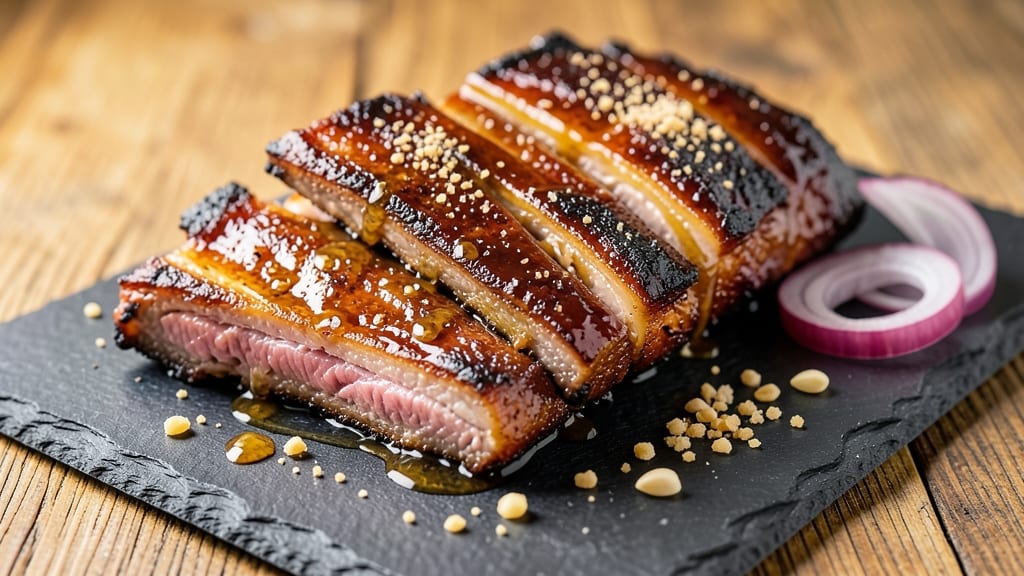
This apple juice ribs recipe transforms tough cuts into fall-apart tenderness with a smoky-sweet glaze that clings to every bone. 🔥 The secret? A marinade where apple juice tenderizes while balancing the bold flavors of brown sugar and spices.
I've perfected this method over years of backyard grilling, and it never fails to impress—even skeptics who swear they don't like ribs.
The process starts with a 24-hour marinade that breaks down the meat, then moves to slow cooking (smoker, grill, or oven) where the apple juice caramelizes into a sticky, aromatic glaze. Basting during the last hour ensures that glossy finish that makes these ribs irresistible.
The result is meat so tender it falls off the bone, coated in a perfect balance of sweet, smoky, and tangy flavors.
What sets these apart is how the apple juice interacts with the other ingredients—its acidity tenderizes while its natural sugars caramelize into a sauce that sticks to the ribs like magic.
This isn't just another BBQ recipe; it's a game-changer for anyone who wants restaurant-quality ribs at home without the fuss. Serve with classic sides like tangy coleslaw and buttery cornbread to complete the meal. The combination of textures and flavors makes this more than just ribs—it's an experience.
Let's get started on creating ribs that will have everyone asking for seconds.
Ingredients for apple juice ribs
Four pounds of ribs, two cups of apple juice—this is where sweet meets smoky magic.
| Ingredient | Amount | Notes |
|---|---|---|
| Pork Baby Back Ribs 🍖 | 4 lb | Bone-in, meaty cuts preferred |
| Unsweetened Apple Juice 🍎 | 2 cups | Freshly squeezed preferred |
| Light Brown Sugar 🍚 | ¾ cup | Packed, not granulated |
| Yellow Onion 🧅 | 1 whole | Medium, sliced thin |
| Garlic Cloves 🧄 | 6 cloves | Fresh, minced finely |
| Apple Cider Vinegar 🍶 | ¼ cup | For tangy depth |
| Smoked Paprika 🌶️ | 2 tbsp | For smoky flavor |
| Ground Black Pepper 🌶️ | 1 ½ tbsp | Freshly cracked |
| Kosher Salt 🧂 | 1 ½ tbsp | Diamond Crystal preferred |
| Wood Chips 🌳 | 1 package | Hickory or apple wood |
| Olive Oil 🫒 | ¼ cup | Extra-virgin for richness |
| Honey 🍯 | ½ cup | For extra caramelization |
| Fresh Thyme Leaves 🌿 | ¼ cup | Chopped, stems removed |
| Beef Broth 🍲 | ½ cup | Low-sodium preferred |
The ribs are the star, so bone-in, meaty cuts are non-negotiable—baby back or St. Louis style. Costco or local butchers often have the best quality, but any grocery store ribs work if they're fresh. Look for good marbling and vibrant color. The apple juice should be unsweetened—freshly squeezed has more depth, but store-bought works too. Mott's is a reliable brand if you're buying bottled. For the wood chips, hickory or apple wood complements the apple juice perfectly—avoid fruit woods like cherry if you want a clean smoky flavor.
No unsweetened apple juice? White grape juice works in a pinch, though it lacks the same caramelization potential. Swap the honey for maple syrup if you prefer, but honey adds that extra depth. The beef broth can be subbed with water plus a bouillon cube if needed. Fresh thyme is ideal, but dried thyme at one-third the amount gets you close. For the brown sugar, if you only have white, lightly toast it in a dry pan for 3-4 minutes to deepen the flavor. The apple cider vinegar can be swapped for red wine vinegar if that's what you have on hand.
This marinade keeps for 3 days in the fridge, but the ribs should marinate for 24 hours for best results. The ribs themselves last 3 days in the fridge once cooked or 3 months frozen. I always make extra marinade to use as a basting sauce during cooking—it's worth the effort. For storage, wrap cooked ribs tightly in foil and refrigerate. When reheating, a quick 10-minute bake at 300°F with a splash of apple juice keeps them moist and flavorful.
Why You'll Love This Recipe
- Here’s what sold me: the apple juice caramelizes into this glossy, sticky glaze while the brown sugar adds just enough depth. It’s not too sweet—promise—it’s like a hug for your taste buds, crispy on the outside, tender inside.
- One-Pan Magic: I swear by this recipe when I’m too tired to scrub pots. Just toss the ribs, onions, and garlic on a sheet pan, pour in that apple juice, and let the oven do the work—no flipping, no fussing, no stress.
- Sweet-Savory Balance: Here’s what sold me: the apple juice caramelizes into this glossy, sticky glaze while the brown sugar adds just enough depth. It’s not too sweet—promise—it’s like a hug for your taste buds, crispy on the outside, tender inside.
- Weeknight Crowd-Pleaser: Between us, these ribs disappear at family gatherings. The kids go for the sticky sauce, my partner loves the caramelized edges, and honestly? I’ll eat them straight from the pan. Perfect for game days, potlucks, or when you’re feeding a houseful.
Step-by-step instructions for smoky apple-caramel glazed ribs
Master this perfect balance of tender meat and sticky glaze with precise timing and technique.
🔥 Step 1: Prep and Season the Ribs for Maximum Flavor
Remove the ribs from packaging and pat them dry with paper towels. You want them completely dry so the seasoning sticks and the bark develops properly. Place them meat-side down on a wire rack set over a baking sheet.
In a small bowl, combine the 2 tbsp smoked paprika, 1.5 tbsp ground black pepper, and 1.5 tbsp kosher salt. Rub this mixture all over the ribs, pressing it into the meat and working it into the crevices. This ensures even flavor distribution. Let the seasoned ribs sit uncovered in the refrigerator for at least 1 hour—this drying step is crucial for developing that perfect bark later.
🔥 Step 2: Smoke the Ribs Low and Slow for Tender Results
Set up your smoker with the 1 package wood chips (hickory or apple wood) and preheat to 225°F. Place the ribs bone-side down on the smoker grates. The fat side up helps protect the meat during the long cook. Smoke the ribs for 3 hours without disturbing them—this is where the magic happens.
After 3 hours, check the internal temperature using an instant-read thermometer. It should reach about 160-165°F—this is when the ribs hit "the stall" and stop rising in temperature. Don't panic; this is normal. At this point, you'll want to wrap the ribs tightly in heavy-duty aluminum foil with the 0.5 cup beef broth to help tenderize them further.
🍳 Step 3: Prepare the Apple-Caramel Glaze
While the ribs are smoking, make the glaze by combining the 2 cups unsweetened apple juice, 0.75 cup light brown sugar, 0.5 cup honey, 0.25 cup apple cider vinegar, 1 whole yellow onion (sliced thin), 6 cloves garlic (minced), and 0.25 cup fresh thyme leaves in a saucepan. Whisk to dissolve the sugar completely.
Bring the mixture to a boil over medium-high heat, then reduce to a simmer. Let it cook uncovered for 20-25 minutes until it thickens to a syrupy consistency—it should coat the back of a spoon. The aroma will be incredible, with sweet apple and caramel notes mingling with the vinegar's tang. Strain out the onion and garlic if you prefer a smoother glaze, but I like to leave them in for extra depth.
🥘 Step 4: Glaze and Finish the Ribs
Unwrap the ribs from the foil and place them back on the smoker. Brush them generously with the apple-caramel glaze, making sure to coat all sides. Return them to the smoker and cook for another 1-2 hours at 225°F, basting with more glaze every 30 minutes. The ribs are done when the internal temperature reaches 203°F and the meat pulls apart easily with tongs.
For the final touch, increase the smoker temperature to 250°F and let the ribs sit uncovered for 10-15 minutes. This helps set the glaze and gives it that beautiful glossy finish. The glaze should be sticky and caramelized, clinging to the bones like it's supposed to.
⏰ Step 5: Rest and Serve with Confidence
Remove the ribs from the smoker and let them rest for 10 minutes before serving. This resting period allows the juices to redistribute throughout the meat. The ribs should be fork-tender with a dark, glossy glaze that's slightly sticky but not runny.
Slice between the bones and serve immediately with extra glaze drizzled on top. The contrast of tender meat with the sweet-tangy glaze is what makes this recipe special. Pair with crusty bread or coleslaw to balance the richness.
Pro Tips For Making Apple Juice Ribs
- Trim the Membrane: DESCRIPTION:
- Reduce the Juice First: DESCRIPTION:
- Skip the Boiling Start: DESCRIPTION:
- Add Sugar in Stages: DESCRIPTION:
Best sauces and condiments for this apple juice ribs
Sweet-Tangy Glaze
This apple-caramel glaze is the star of the show, where 2 cups unsweetened apple juice and 0.75 cup light brown sugar create a sticky, aromatic sauce that clings to every rib bone. The 0.25 cup apple cider vinegar adds tangy brightness, while 0.5 cup honey deepens the caramelization.
Simmer these ingredients with 1 sliced yellow onion and 6 minced garlic cloves for 20-25 minutes until syrupy. Strain for smoothness or leave the aromatics for extra depth. 🍎
Smoky BBQ Sauce
For a smokier twist, blend 1 cup leftover glaze with 2 tbsp smoked paprika and 1 tbsp liquid smoke to create a bold BBQ-style sauce. Brush this over the ribs during the last 30 minutes of cooking for a deeper, charred flavor.
I love adding 1 tbsp hot sauce for a spicy kick—just adjust to taste. This sauce pairs perfectly with the sweetness of the apple glaze.
Honey-Mustard Drizzle
Brighten the ribs with a honey-mustard drizzle by mixing 0.25 cup honey with 2 tbsp Dijon mustard and 1 tbsp apple cider vinegar. Drizzle this over the ribs in the final 10 minutes of cooking for a tangy-sweet contrast.
The mustard cuts through the richness while enhancing the apple flavors. Serve extra drizzle on the side for dipping.
Spicy Apple Slaw Dip
Serve the ribs with a spicy apple slaw dip made by combining 1 cup shredded cabbage, 0.5 cup diced apple, 2 tbsp apple juice, 1 tbsp honey, and 1 tsp cayenne pepper.
Toss and chill for 30 minutes before serving. This dip adds crunch and a sweet-spicy bite that complements the ribs beautifully. 🌶️
Creamy Blue Cheese Dressing
For a rich contrast, whip together 0.5 cup sour cream, 0.5 cup crumbled blue cheese, 2 tbsp apple juice, and 1 tsp apple cider vinegar.
This creamy, tangy dressing balances the sweetness of the ribs and pairs wonderfully with coleslaw or crusty bread. It’s a crowd-pleaser for those who love bold flavors.
Final Glaze Tips
For an extra-glossy finish, brush the ribs with 0.25 cup olive oil right before serving. This adds richness and helps the glaze stick better. If the glaze thickens too much while cooking, thin it with 1-2 tbsp apple juice or beef broth.
The key is keeping it sticky but not runny—this ensures it clings to every rib bone. 💫
Nutrition facts
Frequently asked questions
Why does apple juice make the ribs so tender?
The acidity in apple juice breaks down tough muscle fibers while the natural sugars caramelize into a sticky glaze. This dual action tenderizes the meat and creates that signature clingy sauce. The 24-hour marinade gives the acid enough time to work its magic without over-cooking the ribs.
Can I make these ribs without a smoker?
Use an oven set to 225°F with a water pan for moisture. Place the ribs on a rack over a baking sheet. For extra smokiness, add 1 tbsp liquid smoke to the glaze. The cooking time remains similar—just monitor the internal temperature closely.
How do I fix ribs that are too sweet?
Balance the sweetness with tangy elements. Add 1 tbsp apple cider vinegar to the glaze or serve with a side of spicy slaw or blue cheese dressing. For immediate fixes, drizzle with a mix of 1 tbsp Dijon mustard + 1 tbsp apple juice before serving.
What's the best way to reheat leftover ribs?
Wrap ribs tightly in foil with 1 tbsp apple juice and reheat at 300°F for 10-15 minutes. For extra crispiness, broil for 2-3 minutes at the end. Avoid microwaving—it makes the glaze rubbery. Store cooked ribs in the fridge for 3 days or freeze for 3 months.
Can I use beef ribs instead of pork?
Yes, but adjust the cooking time—beef ribs need 1-2 extra hours to reach 203°F internal temp. Use the same marinade, but reduce the apple juice to 1.5 cups since beef absorbs flavors differently. The glaze will still work, but expect a deeper, richer flavor profile.