
Sauces & Condiments
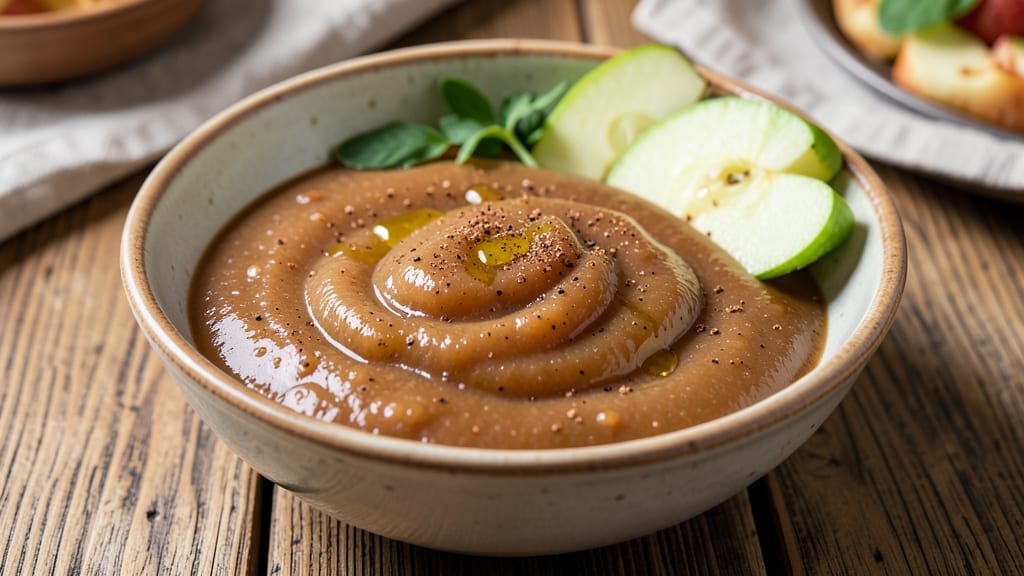
This apple sauce recipe with brown sugar transforms simple apples into a velvety, spiced condiment that elevates everything from pies to pork. The brown sugar isn’t just sweetness—it deepens the caramel notes and balances tartness, creating a sauce that’s rich yet versatile.
I developed this after testing countless versions, and the difference between white and brown sugar makes all the difference in texture and depth.
What sets this recipe apart is the 20-minute cook time without added thickeners, relying instead on natural breakdown and a touch of cinnamon for warmth. The sauce starts with peeled, cored apples (I recommend Honeycrisp or Granny Smith) simmered until tender, then blended until silky.
Brown sugar caramelizes gently, adding that restaurant-quality finish without overpowering the apple’s natural flavor.
Perfect for desserts, glazes, or even savory dishes, this sauce stays smooth and flavorful for up to a week in the fridge. The brown sugar’s molasses notes give it a subtle complexity that pairs beautifully with cheesecakes, roasted meats, or even oatmeal.
No added pectin means you control the thickness—just blend longer for a smoother finish or leave it slightly chunky for texture.
Store it in an airtight container, and you’ll have a pantry staple ready for last-minute baking or weeknight meals. The key is patience—let it cool slightly before storing to preserve that perfect consistency. This isn’t just apple sauce; it’s a flavor booster that turns ordinary dishes into something special.
Ingredients for apple sauce recipe brown sugar
Eight simple ingredients transform tart apples into velvety, caramel-rich sauce perfect for desserts and glazes.
| Ingredient | Amount | Notes |
|---|---|---|
| Honeycrisp Apples 🍎 | 4 medium | Peeled, cored, quartered |
| Granny Smith Apples 🍎 | 2 medium | Peeled, cored, quartered |
| Light Brown Sugar 🍯 | ½ cup | Packed, not leveled |
| Water 💧 | ¼ cup | Or apple cider for depth |
| Fresh Lemon Juice 🍋 | 1 tbsp | Brightens flavor |
| Ground Cinnamon 🍃 | ½ tsp | Freshly ground preferred |
| Salt 🧂 | ¼ tsp | Diamond Crystal preferred |
| Extra-Virgin Olive Oil 🫒 | 1 tsp | For glossy finish |
The apples are non-negotiable—Honeycrisp and Granny Smith give you that perfect tart-sweet balance. Local orchards or Trader Joe's usually have Honeycrisp in season, while Granny Smith stays firm all year. Avoid bruised spots (they turn mushy). For the brown sugar, light or dark? Light keeps it subtle; dark adds molasses depth. I always grab the Whole Foods bulk bin for the best quality. The lemon juice? Freshly squeezed—bottled tastes flat. If you're prepping ahead, store peeled apples in lemon water to prevent browning.
No Honeycrisp? Fuji or Gala work in a pinch, but expect slightly less complexity. Short on brown sugar? Maple syrup at half the amount mimics the caramel notes. The olive oil isn't just for flavor—it adds that silky finish. Swap it for apple cider if you're avoiding oil. Cinnamon is key here, but if you're out, nutmeg at one-quarter the amount gives a warm spice alternative. The salt might seem insignificant, but it rounds out all the sweetness—trust me on this.
This sauce thickens as it cools, so blend it while still warm for the smoothest texture. Store in an airtight container with a thin layer of olive oil on top to preserve freshness. Keeps for 1 week in the fridge or 6 months frozen. I portion mine into ice cube trays for single-use servings—perfect for last-minute baking. Reheat gently on the stove, stirring occasionally, until warmed through.
Why You'll Love This Recipe
- Few Ingredients, Big Payoff: I swear by this combo of Honeycrisp and Granny Smith—the sweetness and tang balance perfectly with just brown sugar and lemon. No fancy gadgets, no hidden steps, just peel, slice, and simmer.
- Caramel-Kissed Magic: That brown sugar? It’s not just sweet—it melts into the apples, creating this deep, buttery caramel flavor that tastes like autumn in a bowl. Honestly, I’ve never met apple sauce that doesn’t make me reach for seconds.
- Pantry Staple Upgrade: This sauce turns basic meals into something special—drizzle it over oatmeal, mix into yogurt, or use it as a glaze for pork chops. (Yes, even on a Tuesday night.) It’s the kind of thing that makes grocery shopping feel worth it.
- Make-Ahead Hero: Simmer a big batch, then store it in the fridge for up to a week or freeze it for months. I always keep a jar in my freezer because it’s cheaper than buying pre-made and way more delicious. Plus, it’s the easiest way to impress without extra effort.
Step-by-step instructions for perfectly spiced apple sauce
Here's how to create velvety, warm apple sauce with just the right balance of sweetness and spice.
Prepare the Apples for Cooking
Start by peeling, coring, and quartering all the apples. I like to work with them in batches to avoid oxidation - cut one apple completely before moving to the next. The Honeycrisp apples will add natural sweetness while the Granny Smiths contribute tartness that balances the brown sugar perfectly.
Place the prepared apples in a large saucepan. Give them a quick stir to distribute any juices that may have released during cutting. This ensures even cooking and prevents any quarter from sticking to the bottom of the pan. For best results, use a heavy-bottomed saucepan to prevent scorching during the cooking process.
Sweeten and Season the Apples
Add the packed ½ cup of light brown sugar to the saucepan with the apples. I like to sprinkle it evenly over the apples first before stirring, which helps distribute it more thoroughly. Pour in the ¼ cup of water and add the fresh lemon juice, cinnamon, and salt.
Give everything a gentle stir to combine. Here's where the magic happens - the lemon juice brightens the apples while the cinnamon adds that warm spice aroma. The salt might seem like a small amount, but it's crucial for balancing all the sweetness. The brown sugar should be packed, not leveled, to ensure you get the full ½ cup measurement.
Simmer Until Soft and Flavorful
Place the saucepan over medium-high heat and bring the mixture to a gentle boil. Once boiling, reduce the heat to medium-low and let it simmer uncovered for about 10 minutes. You'll see the apples start to break down and release their juices, creating a thick, syrupy consistency.
After 10 minutes, use a wooden spoon to mash down the apples against the sides of the pan. This helps break them down faster and creates a smoother texture. Continue simmering for another 5-7 minutes, stirring occasionally, until the apples are completely tender and the sauce reaches your desired thickness. You're looking for a consistency that's between chunky and completely smooth.
Finish with Olive Oil for Gloss and Serve
Once the apples are perfectly soft and the sauce has thickened to your liking, remove the pan from heat. Add the 1 teaspoon of extra-virgin olive oil and stir it in thoroughly. This final step adds a beautiful gloss to the sauce and enhances its richness.
Let the apple sauce cool for about 5 minutes before serving. The flavors will continue to meld during this time, resulting in a more cohesive taste. Serve warm with pancakes, over vanilla ice cream, or as a topping for oatmeal. The combination of sweet apples, warm cinnamon, and just the right amount of tartness makes this apple sauce a versatile favorite in any household.
Pro Tips For Making Apple Sauce Recipe Brown Sugar
- PEEL THE GRANNY SMITH: You’re not wrong to skip it—Honeycrisp’s sweetness balances the tartness—but leave the Granny Smith skins on for texture and fiber. I used to peel them all, and the sauce felt too smooth, like it was missing something. Just give them a quick rinse and a scrub first.
- STIR THE SUGAR IN EARLY: Brown sugar clumps like a stubborn guest at a party. Add half of it to the apples while they’re still raw, then stir in the rest with the water. This stops the sauce from turning into a sticky mess later—trust me, I’ve scraped enough burned sugar off pots to know.
- STOP WHEN IT’S STILL SOFT: The apples should break down but not turn to mush. If you cook them until they’re completely tender, the sauce will be gluey. Test with a fork every 5 minutes—it should pierce easily but still have a slight bite. (Yes, even if you’re impatient like me.)
- LEMON JUICE AFTER COOKING: Add the lemon juice at the very end, right when you’re done. Cooking it in too early makes the sauce taste flat, like someone forgot to season it. A splash of fresh lemon—about 1 tablespoon—brightens the whole thing. (Your future self will notice.)
Regional styles of apple sauce recipe brown sugar
Classic New England Style
In New England, apple sauce is often a homestyle staple with a focus on simplicity and warmth. Here, you’ll find it thickened naturally without added pectin, relying on the apples’ own breakdown.
The brown sugar is a must—light brown sugar is preferred for its subtle molasses notes that complement the apples beautifully. I’ve seen local versions in Maine and Vermont use McIntosh apples for their tender texture, but Honeycrisp works just as well.
Serve it warm with cornbread or baked beans for a true New England comfort food experience. 🍂
Southern Comfort Twist
The South takes apple sauce to another level by adding a touch of black pepper or gingersnap crumbs for texture. In Georgia and the Carolinas, you’ll often find it spiced with allspice or a pinch of nutmeg, giving it a cozy, almost pie-like depth.
The brown sugar here is often dark brown sugar, adding a richer molasses flavor that pairs perfectly with pulled pork or fried chicken. For a Southern touch, simmer the sauce with a cinnamon stick instead of ground cinnamon—it infuses the flavor without the grit. 🌶️
Midwest Homestyle
Midwestern apple sauce is all about hearty, rustic flavors—think apple butter meets sauce. Here, the brown sugar is often packed tightly to ensure maximum caramelization, and the sauce is sometimes cooked down until it’s almost like a thick glaze.
In Iowa and Wisconsin, it’s a common fair food and pairs wonderfully with cheese curds or sausage. The apples used are often Rome or Golden Delicious, which hold their shape slightly better during cooking.
For a true Midwest touch, finish with a sprinkle of crushed graham crackers before serving. 🍎
Pacific Northwest Tartness
Out West, apple sauce leans into the tartness of Granny Smith apples, balancing it with just enough brown sugar to keep it bright and refreshing. In Washington and Oregon, you’ll find versions that include dried cranberries or orange zest for a festive twist.
The brown sugar here is usually light, keeping the flavor profile crisp and clean. This style is perfect for cheese plates or as a topping for scones.
For an extra Pacific Northwest touch, add a splash of apple cider vinegar at the end to brighten the sauce even more. 🌿
International Adaptations
In Germany, Apfelmus often includes raisins and a hint of vanilla, while in France, it’s sometimes blended with calvados (apple brandy) for a boozy twist.
The brown sugar is replaced with honey in many European versions, but if you’re sticking to the recipe, use dark brown sugar for a deeper flavor. For a fusion take, try adding cardamom or star anise—these spices add an exotic touch that still feels cozy.
This international approach proves how versatile apple sauce can be! 🌍
Nutrition facts
Frequently asked questions
Can I use dark brown sugar instead of light?
Yes, but expect a deeper molasses flavor that pairs beautifully with savory dishes like pork or sausages. Use the same amount, but reduce cinnamon slightly (¼ tsp) since dark brown sugar is more intense. For desserts, stick with light brown sugar to maintain a balanced sweetness.
Why does my apple sauce turn out too thick?
This happens when apples aren't fully broken down or when simmering too long. Add 1-2 tablespoons of water or apple cider and stir over low heat until smooth. For next time, mash the apples more aggressively during cooking or blend while still warm for a silky texture.
Can I make this sauce without added sugar?
Use 1-2 extra apples (6-8 total) and reduce brown sugar to 2 tablespoons. The natural sweetness from Honeycrisp apples will shine through, especially when balanced with the tartness of Granny Smith. Add a pinch more cinnamon (¼ tsp) to enhance flavor.
How do I store leftovers for best texture?
Cool completely, then transfer to an airtight container with a thin layer of olive oil on top. Keeps for 5-7 days in the fridge or 6 months frozen. For reheating, warm gently on the stove with 1 tablespoon water to restore smoothness—never microwave directly from frozen.
What's the best way to use this sauce in savory dishes?
Try it as a glaze for roasted meats (like pork chops) or as a dipping sauce for pretzels. The brown sugar caramelizes beautifully when heated, creating a rich contrast to salty or fatty foods. For extra depth, simmer with 1 tsp Dijon mustard before serving.