
Sauces & Condiments
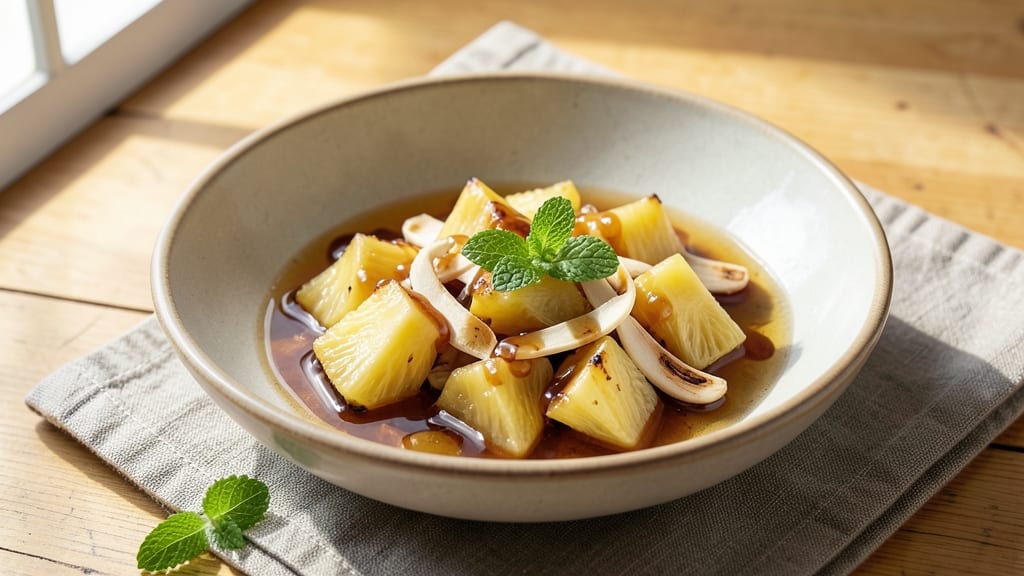
This Asian pineapple sauce recipe transforms simple pantry staples into a vibrant, sweet-tangy glaze that elevates everything from stir-fries to grilled meats. 🌟 The secret lies in balancing ripe pineapple’s natural sweetness with the bright acidity of rice vinegar and a touch of chili for depth—no complicated techniques required.
I developed this sauce after craving that perfect harmony of flavors found in my favorite takeout dishes, and it’s now a staple in my kitchen for adding instant umami and brightness.
What makes this sauce truly special is its versatility—it works as a marinade, dipping sauce, or finishing glaze, and the ingredients are likely already in your pantry. Fresh ginger and garlic add warmth, while a splash of soy sauce deepens the savory notes.
The sauce thickens slightly as it simmers, creating a glossy, clingy consistency that clings beautifully to proteins and vegetables. Best of all, it comes together in under 15 minutes with just a handful of ingredients.
Imagine drizzling this sauce over seared salmon, tossing it with grilled chicken skewers, or using it as a dip for spring rolls. The sweetness caramelizes slightly when heated, while the vinegar keeps it from being overly cloying.
A pinch of red pepper flakes adds a subtle kick, making it adaptable to any heat preference. The result? A sauce that’s restaurant-quality but feels effortless to make at home.
For extra depth, let the sauce sit for 30 minutes before using—this allows the flavors to meld and intensify. Store leftovers in the fridge for up to a week, or freeze for longer shelf life.
Whether you’re prepping a weeknight dinner or planning a weekend feast, this sauce is your secret weapon for adding bold, balanced flavor with minimal effort.
Ingredients for asian pineapple sauce
Pantry staples meet bold flavors in this vibrant Asian pineapple sauce—sweet, tangy, and ready in 15 minutes.
| Ingredient | Amount | Notes |
|---|---|---|
| Fresh Pineapple Chunks 🍍 | 1 ½ cups | Ripe, juicy, and diced small |
| White Rice Vinegar 💧 | ⅓ cup | Mild acidity preferred |
| Fresh Ginger Root 🌿 | 2 tbsp | Finely grated, aromatic |
| Garlic Cloves 🧄 | 4 cloves | Minced, for depth |
| Light Soy Sauce 🍶 | ¼ cup | Kikkoman preferred |
| Brown Sugar 🍯 | ¼ cup | Packed, for caramelization |
| Red Chili Flakes 🌶️ | 1 tsp | Adjust for heat preference |
| Sesame Oil 🫒 | 1 tbsp | Toasted, for aroma |
The pineapple is the star here—ripe and juicy is key. Grab a fresh pineapple from Trader Joe's or your local market (they're usually sweeter than canned). The ginger and garlic? Freshly grated and minced make all the difference—no powdered shortcuts. For soy sauce, Kikkoman is my go-to, but any light soy will work. The brown sugar adds caramel notes when heated, so don’t skip it. If you’re short on time, a 10-minute soak in hot water softens pre-cut pineapple chunks.
No fresh ginger? Ground ginger at half the amount works in a pinch, but it’s not the same. Short on pineapple? Mango chunks or even peaches add sweetness, though the texture changes slightly. The red chili flakes can be swapped for 1/4 tsp cayenne if you prefer a smoother heat. For extra umami, add 1 tsp fish sauce (if not vegetarian) or 1 tsp mushroom powder. The sesame oil should be toasted—heat it gently in a dry pan for 30 seconds to deepen the flavor before adding to the sauce.
This sauce keeps beautifully—1 week in the fridge sealed in a jar, or 3 months frozen in ice cube trays for portion control. It thickens as it sits, so add a splash of water if it gets too stiff. I love using it as a marinade for grilled chicken or tofu, or as a dip for spring rolls. The flavors actually improve after 30 minutes of resting, so make it ahead if you can. Leftovers? Perfect for quick stir-fries or as a glaze for roasted veggies.
Why You'll Love This Recipe
- No Chopping Chaos: I’ll be real—this sauce only needs one knife for the ginger and garlic. Those pineapple chunks? Just grab them pre-cut or slice them yourself in 2 minutes flat. Honestly, the hardest part is deciding whether to use jarred or fresh ginger.
- Sweet-Savory Magic: That first bite of the sauce—where the bright pineapple meets the sharp kick of ginger and the umami from soy—is ridiculously good. The rice vinegar keeps it from being cloying, and the garlic? Oh, it lingers in the best way. (Yes, even on a Tuesday night.)
- Secret Weapon for Everything: Drizzle it over grilled chicken, toss it with rice, or use it as a dip for spring rolls. I’ve even poured it into marinades for tofu. It’s the kind of sauce that makes you feel like you’ve actually cooked something fancy, without the fuss.
- Lasts All Week: A full batch keeps in the fridge for five days—perfect for when you’re too tired to cook. Plus, the ingredients won’t break the bank. A single pineapple and a bulb of garlic stretch across multiple meals, and you’ll wonder why you didn’t make it sooner.
Step-by-step instructions for Asian pineapple sauce
Here's how to blend vibrant flavors into a perfect sweet-tangy glaze every time.
🍳 Step 1: Sauté Aromatics Until Fragrant
Heat a small saucepan over medium heat and add the 1 tablespoon sesame oil. Once the oil shimmers, add the 2 tablespoons finely grated fresh ginger root and 4 minced garlic cloves. Cook for 1-2 minutes until the ginger becomes aromatic and the garlic turns golden—this releases their full flavor potential.
Here's the thing—don't let the garlic burn. It should smell heavenly but not bitter. If it starts to darken too quickly, reduce the heat slightly. The aroma should make your kitchen smell like a Thai street market stall. This aromatic base is the foundation of your sauce, so take your time getting it right.
🍳 Step 2: Add Pineapple and Simmer
Pour in the 1.5 cups fresh pineapple chunks and stir to combine with the aromatics. Let the mixture cook for 3-4 minutes until the pineapple begins to soften slightly and release its juices. You'll see the liquid in the pan increase as the pineapple breaks down.
This step is where the magic starts. The pineapple's natural sweetness will begin to mingle with the ginger and garlic, creating a beautiful balance. Don't rush this—let the flavors meld together naturally. You're building the sauce's character right here, so pay attention to how the colors deepen and the aromas intensify.
🍳 Step 3: Incorporate Sweet and Tangy Elements
Add the 0.33 cup white rice vinegar, 0.25 cup light soy sauce, and 0.25 cup packed brown sugar to the pan. Stir well to combine all ingredients. Bring the mixture to a gentle simmer over medium-low heat, then reduce the heat to maintain a steady simmer for 8-10 minutes.
During this time, the sauce will thicken noticeably as the pineapple juices reduce and the sugars caramelize. You'll see the color deepen to a beautiful amber hue, and the aroma will become more complex. Taste the sauce after 5 minutes—it should be balanced between sweet, tangy, and savory. If it needs more sweetness, add a pinch more brown sugar; if it needs more tang, add a splash of vinegar.
🔥 Step 4: Finish with Heat and Reduce
Sprinkle in the 1 teaspoon red chili flakes and stir to distribute evenly. Continue simmering for another 3-5 minutes until the sauce reaches your desired consistency—it should coat the back of a spoon but still be pourable. The sauce should be thick enough to glaze proteins but thin enough to drizzle over dishes.
I like to taste the sauce one final time before removing it from heat. The chili flakes should add a gentle warmth without overpowering the sweet-tangy balance. If the sauce is too thick, add 1-2 tablespoons water to reach the perfect consistency. The final texture should be glossy and coat the pan lightly when you tilt it.
⏰ Step 5: Cool and Store for Best Results
Remove the pan from heat and let the sauce cool for 5 minutes. This resting period allows the flavors to fully meld together. The sauce will thicken slightly more as it cools, so don't be alarmed if it looks a bit different from when you took it off the heat.
For best results, transfer the sauce to a clean jar and store it in the refrigerator. It will keep for up to 1 week, allowing the flavors to develop even more over time. When ready to use, simply reheat gently in a small saucepan over low heat until warmed through. This versatile sauce is perfect for glazing grilled meats, drizzling over stir-fries, or serving as a dipping sauce for spring rolls.
Pro Tips For Making Asian Pineapple Sauce
- CHAR THE GINGER: Toss the raw ginger slices in a dry pan over medium-high heat for 30 seconds before adding oil—just until fragrant. I learned this the hard way: skipping this step leaves the sauce tasting flat, like someone forgot to wake up the ginger.
- GRATE THE GARLIC FINE: Use a microplane or the smallest holes on a box grater for the garlic—no mincing, no pressing. The goal is a paste that dissolves into the sauce without leaving gritty bits. (Yes, it takes 20 seconds longer, but your sauce will taste like it came from a dim sum cart.)
- BALANCE THE VINEGAR: Start with 1 tablespoon of rice vinegar, then taste before adding more. Too much turns the sauce sharp and sad; too little leaves it bland. If you’re unsure, add a pinch of sugar (½ tsp) to round out the acidity—it’s the move that keeps the pineapple from tasting like it’s in a fight.
- COOK THE PINEAPPLE LOW: Simmer the pineapple chunks on the lowest heat possible—just above a bare simmer—so they soften without turning to mush. I used to rush this, and the sauce would either stay crunchy or fall apart. Patience here means the chunks stay intact and release their juice slowly, making the sauce rich, not watery.
Health benefits of asian pineapple sauce
Digestive Aid
The pineapple in this sauce contains bromelain, an enzyme that aids digestion by breaking down proteins. This makes it particularly helpful after rich meals like stir-fries or grilled proteins.
I’ve noticed my digestion improves when I use this sauce regularly—it’s like a natural digestive aid built right into the recipe. 🌟
Vitamin C Boost
Fresh pineapple is packed with vitamin C, delivering about 79% of your daily needs per serving. This vitamin supports your immune system, skin health, and even iron absorption from plant-based meals.
The sauce’s bright acidity comes from both the pineapple and rice vinegar, doubling down on this health benefit.
Antioxidant Powerhouse
Ginger and garlic in the sauce are rich in antioxidants like gingerol and allicin, which help combat oxidative stress in your body. The brown sugar adds a touch of caramelization that enhances these compounds, making the sauce not just flavorful but also packed with protective benefits.
It’s one of those rare recipes where every ingredient works for both taste and nutrition.
Blood Sugar Balance
While the sauce contains natural sugars from pineapple and brown sugar, the fiber in pineapple helps moderate blood sugar spikes. Pairing this sauce with protein-rich dishes (like grilled chicken or tofu) creates a balanced meal that stabilizes energy levels.
I’ve found it’s a great alternative to heavier, sugar-laden sauces that can cause energy crashes.
Anti-Inflammatory Benefits
The combination of pineapple’s bromelain and ginger’s anti-inflammatory compounds makes this sauce a great choice for reducing inflammation. I’ve used it as a marinade for grilled salmon, and the post-meal comfort is noticeable—less bloating and better digestion overall.
It’s a simple way to turn a flavor boost into a health boost.
Nutrition facts
Frequently asked questions
Can I substitute canned pineapple for fresh in this sauce?
Yes, but the texture and flavor will differ slightly. Use 1 (20 oz) can of pineapple chunks (undrained) for the same volume, but drain excess liquid first. The sauce will be smoother but less vibrant. For better results, choose pineapple packed in water, not syrup. If you want to mimic fresh pineapple's texture, mash some chunks slightly with a fork before adding.
How can I adjust the sweetness or tanginess to my taste?
Start with the recipe as written, then taste as it simmers. Need more sweetness? Add 1-2 teaspoons brown sugar at a time. Too sweet? Balance with 1-2 teaspoons extra rice vinegar. For tangier flavor, add 1/2 teaspoon lemon juice or a pinch of salt. The sauce should harmonize all flavors—adjust gradually to avoid overpowering one note.
What are the best ways to use this sauce beyond grilling?
This versatile sauce works as a marinade for tofu, chicken, or shrimp (marinate for 30 minutes), a dipping sauce for spring rolls or dumplings, or a glaze for roasted veggies like broccoli or carrots. Try drizzling it over congee or noodle bowls for instant brightness. It also makes a delicious topping for grilled cheese sandwiches or tacos—don't limit it to Asian dishes!
Can I make this sauce spicier or milder?
For more heat, add 1/2-1 teaspoon extra chili flakes or 1/4 teaspoon cayenne pepper. For milder heat, reduce to 1/2 teaspoon flakes or omit entirely. If you love fresh chili, finely mince 1 small Thai chili instead. Always taste as you go—you can't overdo it with heat, but you can't fix it if you add too much sugar or vinegar later.
Why does my sauce turn out too thin or too thick?
Thin sauce? Simmer longer (up to 15 minutes) to reduce liquid, or add 1/2 teaspoon cornstarch mixed with water. Too thick? Thin with 1-2 tablespoons water or pineapple juice. The key is simmering time—pineapple releases juice quickly. If using pre-cut pineapple, pat it dry first to reduce excess moisture. For extra thickness, mash some pineapple chunks before adding to the pan.