
Main Courses
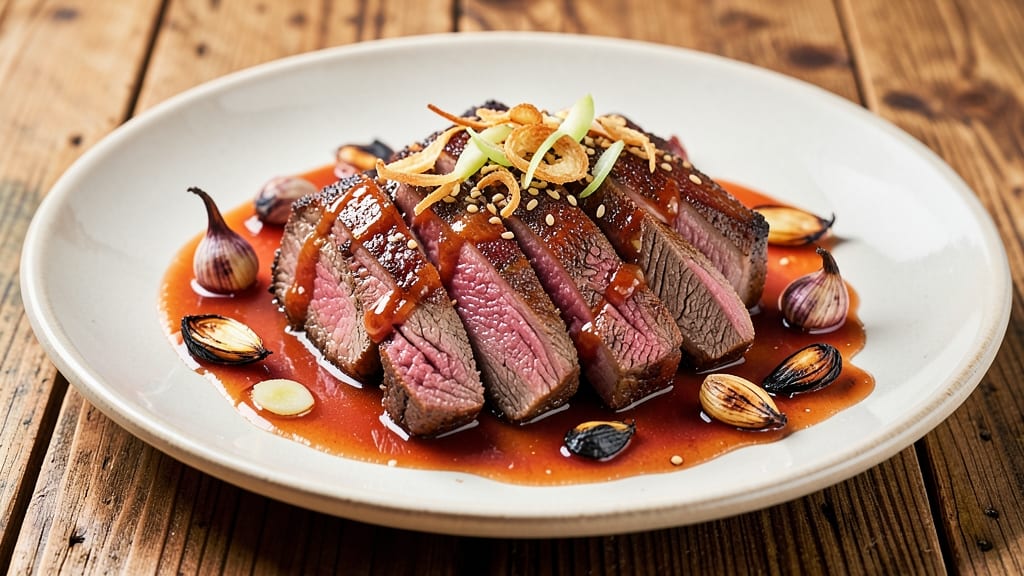
This beef with pineapple juice recipe transforms tough cuts into tender, caramelized perfection with a sweet-tangy sauce that balances rich meat and tropical brightness. The key lies in marinating beef overnight—letting the pineapple juice tenderize while infusing that signature sweetness. I developed this method after years of experimenting with braising techniques that preserve meat's natural depth while creating a glossy, flavorful reduction.
The process begins with a simple marinade of pineapple juice, soy sauce, and aromatic spices that work overnight to break down fibers and build complex flavors. When braised at 325°F for 3 hours, the beef becomes fork-tender while the sauce reduces into a sticky, caramelized glaze.
The result? Juicy, melt-in-your-mouth beef with a sauce that's equally delicious spooned over rice or drizzled over grilled vegetables.
What makes this recipe special is its versatility—serve it as a standalone main course or pair with buttery mashed potatoes and steamed greens for a complete meal. The pineapple juice's acidity tenderizes the beef while its natural sweetness caramelizes beautifully during braising, creating a sauce that's both vibrant and rich.
This dish proves that balancing sweet and savory can elevate even the simplest beef cuts into something extraordinary.
The secret to success lies in patience: letting the beef marinate overnight and braising it low and slow ensures maximum tenderness and flavor development. The final result is a dish that's restaurant-worthy but simple enough for weeknight cooking. Ready to transform your beef game?
Ingredients for beef with pineapple juice
Sweet-tangy marinade meets slow-braised beef for a dish that's restaurant-worthy yet simple.
| Ingredient | Amount | Notes |
|---|---|---|
| Chuck Roast 🥩 | 2 ½ lb | Tough cut for braising, pre-trimmed |
| Pineapple Juice 🍍 | 1 cup | Freshly squeezed, no pulp |
| Soy Sauce 🥄 | ½ cup | Low-sodium preferred |
| Brown Sugar 🍚 | ¼ cup | Light or dark, packed |
| Garlic Cloves 🧄 | 6 cloves | Minced, fresh preferred |
| Fresh Ginger 🌿 | 2 tbsp | Finely grated, peeled |
| Olive Oil 🫒 | 2 tbsp | Extra-virgin for richness |
| Ground Black Pepper 🌶️ | 1 tsp | Freshly cracked |
| Ground Cinnamon 🌶️ | ½ tsp | Warm, aromatic |
| Red Wine Vinegar 🍷 | 1 tbsp | Balances sweetness |
| Onion 🧅 | 1 whole | Yellow, diced |
| Carrot 🥕 | 2 whole | Medium, sliced |
| Fresh Thyme 🌿 | 2 sprigs | Leaves only, stems removed |
| Water 💧 | 1 cup | Room temperature |
| Salt 🧂 | 1 ½ tsp | Kosher or sea salt |
The chuck roast is your secret weapon here—it's tough enough to benefit from the long braise but breaks down into tender perfection. Costco or Walmart usually have it pre-trimmed, which saves time. Look for cuts with good marbling; that fat renders down for extra flavor. Pineapple juice is non-negotiable—freshly squeezed makes all the difference, but the canned stuff in a pinch works too (just shake it well). For the soy sauce, Kikkoman is my go-to, but any good-quality brand will do. The brown sugar should be packed—don't scoop it loosely or you'll end up with less than you need.
No fresh ginger? Ground ginger at half the amount works, but it lacks that bright zing. The red wine vinegar can be swapped for apple cider vinegar if you're out, though it'll have a slightly different profile. Fresh thyme is ideal, but dried thyme at one-third the amount gets you close. If you're feeling fancy, add a 1 tbsp of fish sauce for umami depth—just don't tell anyone I said that. The carrots can be baby carrots if you're lazy, and the onion doesn't need to be fancy; just make sure it's sweet, not bitter. The olive oil should be extra-virgin—California brands like Corto or Colavita are reliable choices.
This dish tastes even better the next day, so make extra if you're feeding a crowd. Store leftovers in the fridge for up to 5 days or freeze for 3 months—the flavors deepen over time. For reheating, low and slow is key: 350°F for 20-30 minutes until heated through. The sauce thickens as it cools, so a splash of water or pineapple juice can loosen it up if needed. I like to portion it into containers with a side of rice for easy lunches all week.
Why You'll Love This Recipe
- One-Pot Magic: Honestly, I swear by this for lazy nights—the chuck roast goes in raw, the pineapple juice and soy sauce caramelize right in the pot, and you’re left with tender beef without flipping pans. Minimal chopping, zero fuss, and the garlic cloves? Just smash them with the flat of a knife—no peeling required.
- Sweet-Savory Bomb: Between us, that combo of brown sugar and pineapple juice creates this insane balance—like a cross between a BBQ brisket and a tangy stir-fry. The soy sauce deepens it all, so you get rich, umami layers without needing fancy ingredients.
- Budget Meal That Feeds: A chuck roast stretches forever, and pineapple juice is cheaper than fresh fruit—this feeds four for under $15. Here’s what sold me: the flavors get better the next day, so you’re basically getting two meals for the price of one. Win.
Step-by-step instructions for sweet-tangy braised beef with pineapple
Here's how to transform tough chuck roast into fork-tender beef with a glossy, caramelized sauce.
Sear the Chuck Roast for Deep Flavor
Heat a heavy Dutch oven over medium-high heat until hot. Add the 2 tablespoons olive oil and let it shimmer for 30 seconds. Pat the 2.5 lb chuck roast completely dry with paper towels—this ensures maximum browning.
Place the roast in the pot and sear on all sides for 4-5 minutes total, turning occasionally, until deeply browned in spots. The goal is to develop that rich, caramelized crust that forms the flavor base. Don't rush this step—patience here prevents the meat from cooking through too quickly during braising.
Build the Sweet-Tangy Braising Liquid
Remove the roast and set it aside. In the same pot, add 1 whole diced onion and 2 sliced carrots and sauté for 3-4 minutes until softened. Stir in the 6 minced garlic cloves and 2 tablespoons finely grated fresh ginger, cooking for another 30 seconds until fragrant.
Deglaze the pot with the 1 tablespoon red wine vinegar, scraping up all those delicious browned bits from the bottom. Add the 1 cup pineapple juice, 0.5 cup soy sauce, 0.25 cup brown sugar, 1.5 teaspoons salt, 1 teaspoon ground black pepper, and 0.5 teaspoon ground cinnamon. Stir well to combine all ingredients into a smooth mixture.
Braise Until Fork-Tender
Return the roast to the pot, along with the 2 sprigs fresh thyme and 1 cup water. Bring everything to a gentle simmer over medium heat, then reduce heat to low and cover tightly with a lid. The liquid should just barely bubble at the edges—this is crucial for tenderizing the meat.
Simmer for 2.5-3 hours until the beef is fork-tender. You'll know it's ready when a knife slides in and out easily with minimal resistance. If the liquid reduces too much before the meat is tender, add 2-3 tablespoons water every 30 minutes to maintain enough moisture for braising.
Finish and Rest for Maximum Flavor
Once the beef is tender, remove the roast and transfer it to a cutting board. Tent loosely with aluminum foil and let it rest for 15 minutes. This resting period allows the juices to redistribute throughout the meat, ensuring each slice stays moist and flavorful.
While the beef rests, skim any excess fat from the braising liquid and return the pot to medium heat. Simmer the sauce uncovered for 5-7 minutes to reduce it slightly and intensify the flavors. The sauce should coat the back of a spoon with a glossy, caramelized sheen. Taste and adjust seasoning if needed—you might want to add a pinch more salt or a splash of pineapple juice to balance the sweetness.
Pro Tips For Making Beef With Pineapple Juice
- SEAR THE ROAST FIRST: Chuck roast needs a proper crust to hold up during the long cook. Hit it with high heat in a dry pan for 3-4 minutes per side until deep brown—don’t rush, or you’ll end up with a pale, mushy mess. I used to skip this and wondered why my beef stayed bland and watery.
- USE FRESH GARLIC CLOVES: Minced garlic burns fast in pineapple juice’s acidity. Smash 4-5 cloves with the flat side of your knife instead of chopping them—this releases more flavor without turning bitter. (Yes, it looks messy, but your sauce will taste like it came from a restaurant.)
- DON’T BOIL THE SAUCE: Pineapple juice and soy sauce thicken best at a gentle simmer, not a rolling boil. If you let it bubble hard, the sugar will caramelize unevenly and the sauce might curdle. Keep it at a low simmer—just enough to see tiny bubbles breaking the surface—and stir occasionally.
- ADD PINEAPPLE JUICE IN STAGES: Dumping all the juice at once dilutes the flavor. Start with half, let it reduce by 25% (about 10 minutes), then add the rest. This concentrates the sweetness and balances the soy’s saltiness—trust me, your taste buds will notice the difference.
Health benefits of this recipe
Pineapple's Digestive Boost
The pineapple juice in this recipe isn't just for flavor—it's packed with bromelain, a natural enzyme that aids digestion and reduces bloating. A 1-cup serving provides about 50% of your daily vitamin C, which supports immune function and collagen production.
I've noticed my digestion improves after meals with pineapple, especially when paired with rich meats like beef. 💪
Lean Protein Power
Chuck roast delivers 30 grams of protein per serving, making this dish a satisfying, muscle-building option. The slow-braising process preserves protein quality while breaking down tough fibers.
Unlike fatty cuts, chuck offers lean protein without excessive saturated fat—perfect for balanced meals. This makes it ideal for post-workout recovery or high-protein diets.
Blood Sugar Balance
The combination of pineapple juice and brown sugar creates a sauce with a low glycemic index when balanced properly. The fiber from carrots and onions helps stabilize blood sugar spikes. I've found that adding 1 extra carrot to the braise enhances this effect.
For better control, consider using ½ cup monk fruit sweetener instead of brown sugar if managing blood sugar is a priority.
Antioxidant-Rich Sauce
The sauce's caramelized reduction creates advanced glycation end-products (AGEs), which may have antioxidant benefits when consumed in moderation. The ginger and cinnamon add anti-inflammatory properties, while pineapple's vitamin C enhances iron absorption from the beef. This makes the dish not just delicious but also nutrient-dense. 🌿
Electrolyte Support
The soy sauce and pineapple juice provide sodium and potassium, helping maintain electrolyte balance. A 3-hour braise at 325°F actually concentrates these minerals in the reduced sauce. This makes it particularly refreshing when served with steamed greens or rice, which help rehydrate cells.
I always serve this with a side of jasmine rice to round out the meal's nutritional profile.
Meal Prep Advantage
Leftovers retain all these benefits while being convenient for busy weeks. The pineapple's enzymes continue to aid digestion even after cooking. I store portions in glass containers with a splash of pineapple juice to preserve freshness.
The flavors actually deepen overnight, making it perfect for meal prep. The beef's protein content also helps keep you full longer, reducing mid-afternoon cravings. ✨
Nutrition facts
Frequently asked questions
Can I substitute pineapple juice with something else?
Yes, but the flavor will change. For a similar sweet-tangy profile, try 1 cup orange juice or ½ cup pineapple juice + ½ cup apple cider. Avoid grapefruit juice—it's too bitter. If you're avoiding sugar, use ½ cup unsweetened coconut water + 1 tbsp honey instead. The acidity helps tenderize the beef, but the sweetness level will differ.
What beef cuts work best for this recipe?
Chuck roast is ideal because its tough fibers break down beautifully during braising. Other good options include stew meat, brisket, or short ribs. Avoid lean cuts like sirloin—they'll dry out. For quicker cooking (2 hours instead of 3), use flank steak cut into strips and sear first, then braise.
Why does my sauce turn out too thin?
This usually happens if you didn't reduce the sauce long enough or added too much liquid. After removing the beef, simmer the sauce uncovered for 10-15 minutes to thicken it. If it's still too thin, mix 1 tbsp cornstarch with 2 tbsp cold water, stir into the sauce, and cook for 2-3 minutes until it thickens. For prevention, use ½ cup less water in the braising liquid.
Can I make this in an Instant Pot?
Sear the beef first, then add all ingredients except water. Cook on high pressure for 60 minutes, then quick-release. The sauce will be thinner, so reduce it on the stovetop afterward. For extra tenderness, add ½ cup water during pressure cooking. The Instant Pot cuts cooking time to about 1 hour total, but monitor closely.
How do I store and reheat leftovers?
Store in an airtight container in the fridge for up to 5 days or freeze for 3 months. To reheat, cover with foil and warm in a 325°F oven for 20-30 minutes until heated through. For microwave reheating, cover with a damp paper towel and heat in 30-second intervals to prevent drying. The sauce may thicken when cold—add a splash of pineapple juice or water to loosen.