
Sauces & Condiments
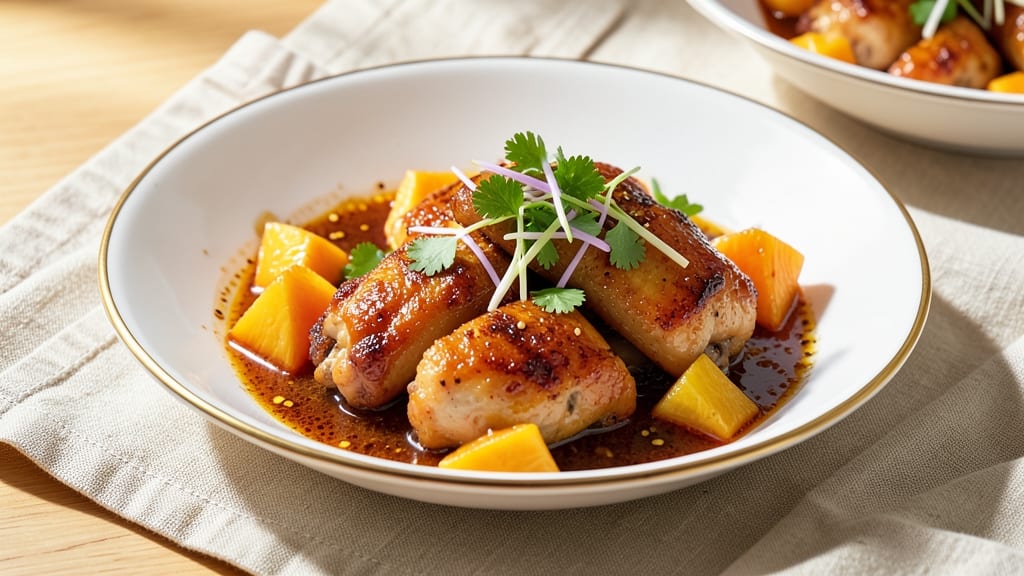
This Chinese pineapple chicken sauce transforms ordinary stir-fries into vibrant, restaurant-quality meals with just 15 minutes of simmering. 🌟 The perfect balance of sweet, tangy, and savory flavors comes from a simple combination of pineapple juice, soy sauce, honey, and aromatic garlic-ginger paste—no complicated techniques required.
I developed this recipe after years of testing variations, and it consistently delivers that signature glaze you find in Asian takeout dishes.
The sauce's magic lies in its simplicity: fresh pineapple juice provides natural sweetness and acidity, while soy sauce and a touch of honey create that addictive sweet-savory profile. Aromatic garlic and ginger infuse the sauce with depth, ensuring every bite of chicken or stir-fry vegetable is packed with flavor.
Unlike store-bought versions, this homemade glaze stays fresh and vibrant for up to a week in the refrigerator.
What makes this sauce truly special is its versatility—it elevates everything from stir-fried chicken and pork to noodle bowls and even grilled vegetables. The texture is perfectly balanced: not too thick to coat properly, not too thin to cling to ingredients.
With just 6 ingredients and 15 minutes of active time, you'll have a sauce that tastes like it came from a bustling Chinese kitchen.
Use it immediately for maximum flavor impact, or store it in the fridge for up to a week. The sauce thickens slightly when chilled, so simply reheat and stir before using. This is the kind of condiment that turns simple weeknight dinners into memorable meals—let's make it.
Ingredients for chinese pineapple chicken sauce
Six ingredients create this vibrant, restaurant-style glaze that transforms simple stir-fries into flavorful masterpieces.
| Ingredient | Amount | Notes |
|---|---|---|
| Fresh Pineapple Juice 🍍 | 1 cup | From ripe, fresh pineapple |
| Low-Sodium Soy Sauce 🥢 | ½ cup | Kikkoman preferred for balance |
| Raw Honey 🍯 | ¼ cup | For natural sweetness |
| Garlic-Ginger Paste 🧄 | ¼ cup | Freshly made or store-bought |
| Cornstarch 🌾 | 1 tbsp | For thickening consistency |
| Sesame Oil 🫒 | 1 tbsp | Toasted for aromatic finish |
| Red Chili Flakes 🌶️ | ½ tsp | Adjust for heat preference |
| Black Pepper 🌶️ | ¼ tsp | Freshly ground for depth |
The pineapple juice is non-negotiable for authentic sweet-tangy flavor—fresh is best, but canned pineapple juice (no added sugar) works in a pinch. Kikkoman soy sauce delivers the perfect umami balance, though any low-sodium brand suffices. For the garlic-ginger paste, freshly made (blend 3 cloves garlic + 1 tbsp grated ginger + 1 tsp water) elevates the sauce, but quality store-bought versions (like Maesri) save time without sacrificing flavor. The honey should be raw and unfiltered for depth, while the cornstarch ensures the glaze clings beautifully to proteins and vegetables.
No fresh pineapple? Coconut water or apple juice can replace pineapple juice, though flavor will differ slightly. Substitute honey with maple syrup or agave nectar for vegan adaptations. The garlic-ginger paste can be swapped for 1 tsp garlic powder + 1 tsp grated ginger, though texture will be less vibrant. For heat adjustments, reduce or omit chili flakes entirely—black pepper adds subtle warmth without spice. The sesame oil is optional but adds that signature aromatic finish; toasted sesame oil from Asian markets delivers the best results.
This sauce thickens as it cools, so reheat gently before using. Store in an airtight container in the fridge for up to 7 days, or freeze for 3 months in ice cube trays for portion control. The glaze reheats beautifully—simply stir and warm over low heat. For extra shine, add 1 tsp water when reheating. Double the batch if you're prepping for the week; it's perfect over stir-fried chicken, pork, or even grilled vegetables.
Why You'll Love This Recipe
- Pantry Magic: I swear by this recipe when I forget to grocery shop—just soy sauce, honey, and a splash of pineapple juice transform plain chicken into something ridiculously good. No specialty ingredients, no fuss, just flavor.
- Sweet-Savory Balance: That honey and pineapple juice combo? It’s like a hug for your taste buds—bright, sticky, and just salty enough to make your mouth water. The garlic-ginger paste ties it all together with a warmth that lingers.
- Leftover Hero: This sauce thickens perfectly, so it’s my go-to for meal prep. Toss it with rice, noodles, or even stir-fried veggies—it’ll taste fresh every time, no reheating drama.
- Weeknight Win: Twenty minutes, one pot, and zero cleanup. The cornstarch slurry makes the sauce glossy and clingy, so it coats every bite without turning gluey. Honestly, I’ve made it after work while scrolling through my phone—it’s that easy.
Step-by-step instructions for Chinese pineapple chicken sauce
Here's how to create a balanced, restaurant-quality glaze that bridges sweet, tangy, and umami notes.
🍳 Step 1: Bloom the Garlic-Ginger Paste
Heat the 1 tablespoon sesame oil in a medium saucepan over medium-low heat. Add the ¼ cup garlic-ginger paste and cook for 2-3 minutes until fragrant but not browned. This step develops the aromatic foundation of your sauce—don't rush it or the flavors will be raw.
I press the paste directly into the oil using a wooden spoon to ensure even distribution. Watch closely as the paste releases its oils and begins to sizzle gently. If it darkens too quickly, reduce the heat immediately—burnt aromatics will make the sauce bitter.
🥘 Step 2: Combine Wet Ingredients
Pour in the 1 cup fresh pineapple juice, ½ cup low-sodium soy sauce, and ¼ cup raw honey all at once. Stir vigorously to dissolve the honey completely—it should blend smoothly without any graininess. Bring the mixture to a gentle simmer over medium heat.
Here's where the science matters: The pineapple juice provides acidity that balances the sweetness, while the soy sauce adds depth. Let it simmer uncovered for 5 minutes until the liquid reduces by about 25%—you'll see the sauce thicken slightly and the aroma intensify.
⏰ Step 3: Thicken the Sauce
In a small bowl, whisk the 1 tablespoon cornstarch with 2 tablespoons water until completely dissolved. Slowly pour this slurry into the simmering sauce while stirring constantly with a wooden spoon. The sauce will thicken dramatically within 1-2 minutes—this is your signal to remove it from heat.
I like to keep stirring for an additional 30 seconds after it thickens to ensure no lumps remain. The final consistency should coat the back of a spoon but still be pourable. If it's too thick, add 1 teaspoon water at a time until you reach the perfect balance.
🔥 Step 4: Finish with Aromatics and Heat
Return the sauce to low heat and stir in the ½ teaspoon red chili flakes and ¼ teaspoon black pepper. Let it warm through for just 30 seconds—no longer, or the chili flakes will lose their potency. The sauce should now have a glossy sheen and a complex aroma combining sweet, tangy, and slightly spicy notes.
Taste and adjust the balance: Need more sweetness? Add ½ teaspoon honey. Too tangy? A pinch more soy sauce. Too mild? More chili flakes. Remember, you can always adjust at the table with extra soy sauce or honey if needed.
⏰ Step 5: Rest and Prepare for Use
Transfer the sauce to a clean bowl and let it rest at room temperature for 10-15 minutes. This resting period allows the flavors to meld completely and the sauce to reach its optimal consistency. The sauce will thicken slightly more as it cools—this is normal and actually improves the texture.
Use your sauce immediately for stir-fries, grilled chicken, or as a dipping sauce. For best results, reheat gently over low heat for 2-3 minutes before using, stirring constantly to prevent scorching. The sauce keeps well in the refrigerator for up to 5 days—just give it a quick stir before reheating.
Pro Tips For Making Chinese Pineapple Chicken Sauce
- Simmer Pineapple Slowly: Fresh pineapple juice has a lot of natural acidity, and if you boil it too hard, it’ll turn cloudy or even curdle. Keep the heat at a gentle simmer—just small bubbles breaking the surface—and let it cook for at least 10 minutes before adding the other ingredients. This mellows the acid and lets the flavors meld properly.
- Strain That Juice: I learned this the hard way—using pineapple juice straight from the blender leaves tiny fiber bits that make the sauce look unappealing and gum up the sauce consistency. Strain it through a fine-mesh sieve or cheesecloth first, even if it means waiting a few extra minutes. Your sauce will be silky smooth.
- Slurry Cornstarch Properly: Dumping dry cornstarch into a hot sauce will clump like a science experiment gone wrong. Mix it first with a splash of cold water or pineapple juice to make a smooth paste, then whisk it into the sauce while it’s still simmering. This guarantees a glossy, thick finish without lumps—no one likes to chew through gluey bits in their sauce.
- Balance Honey Last: Adding honey too early can make the sauce taste cloyingly sweet before the other flavors have a chance to develop. Wait until the garlic-ginger paste and soy sauce have simmered for at least 5 minutes, then stir in the honey. This lets the acidity and umami build first, so the sweetness feels intentional, not overwhelming.
Wine and beer pairings for this chinese pineapple chicken sauce
Crisp White Wine
This sauce's sweet-tangy profile pairs beautifully with crisp, dry white wines that cut through the richness without overpowering. I reach for a Sauvignon Blanc from New Zealand—think Cloudy Bay or Kim Crawford—for its bright citrus and herbal notes that mirror the pineapple and ginger.
The acidity in these wines refreshes your palate between bites of glazy chicken or noodles. 🍷
Light-Bodied Reds
If you prefer red wine, opt for a Pinot Noir with delicate fruit flavors. A bottle from Oregon or California (like La Crema or Meiomi) complements the sauce's sweetness without clashing.
The wine's subtle earthiness balances the sauce's brightness, creating a harmonious pairing. Serve slightly chilled to enhance the wine's freshness.
Asian-Inspired Beers
For beer lovers, a Japanese lager like Asahi Super Dry or Sapporo works wonders. The clean, crisp profile lets the sauce's flavors shine while adding a light effervescence.
Alternatively, a wheat beer from Belgium (such as Hoegaarden) adds a subtle citrus note that enhances the pineapple. Avoid heavy IPAs—they'll overpower the delicate sauce.
Non-Alcoholic Options
Don't drink alcohol? No problem. A sparkling green tea like Jasmin Tea from Harney & Sons offers a refreshing contrast. For something more substantial, try a ginger beer with a touch of honey—it mirrors the sauce's sweet-spicy balance perfectly. The effervescence cleanses your palate between bites. 💛
Serving Temperature
Always serve your wine or beer slightly chilled—around 45-50°F for whites and 50-55°F for reds. The cool temperature enhances the sauce's vibrant flavors and prevents the wine from becoming too warm and flat.
For beers, serve at the temperature recommended on the label. A well-chilled beverage ensures every sip complements the sauce's complexity.
Nutrition facts
Frequently asked questions
Can I substitute pineapple juice with another fruit juice?
Yes, but expect some flavor variations. For best results, use orange juice (similar acidity) or mango nectar (sweeter profile). Avoid apple juice—it lacks the tangy brightness that balances the sauce. If using substitutes, reduce honey by 1-2 teaspoons since other juices may already contain sugar.
How do I adjust the sweetness level?
The sauce's sweetness comes from honey and pineapple juice. For less sweetness, reduce honey to 2 tablespoons and add 1 extra tablespoon soy sauce for umami balance. For more sweetness, increase honey to 3 tablespoons or add 1 teaspoon maple syrup. Always taste as you go—adjustments can be made even after thickening.
Can I make this sauce without cornstarch?
For a gluten-free option, use 1 tablespoon arrowroot powder> mixed with 2 tablespoons water instead. If avoiding all thickeners, reduce the pineapple juice by 2 tablespoons (to ¾ cup) and simmer uncovered for 8-10 minutes to achieve a similar consistency. The sauce will be slightly thinner but still effective.
How should I store leftover sauce?
Store in an airtight container in the refrigerator for up to 5 days. For longer storage, freeze in 1-tablespoon portions> (using ice cube trays) for up to 3 months. Thaw overnight in the fridge before using. When reheating, warm over low heat> for 2-3 minutes while stirring constantly to prevent scorching.
What's the best way to use this sauce?
This versatile glaze works perfectly on stir-fried chicken, grilled pork, or even tofu. For maximum flavor, toss cooked proteins with 1-2 tablespoons sauce> and sear in a hot pan for 1-2 minutes until caramelized. It also makes an excellent dipping sauce for spring rolls or egg rolls. The sauce can be thinned with 1 teaspoon water**> if needed for drizzling.