
Main Courses
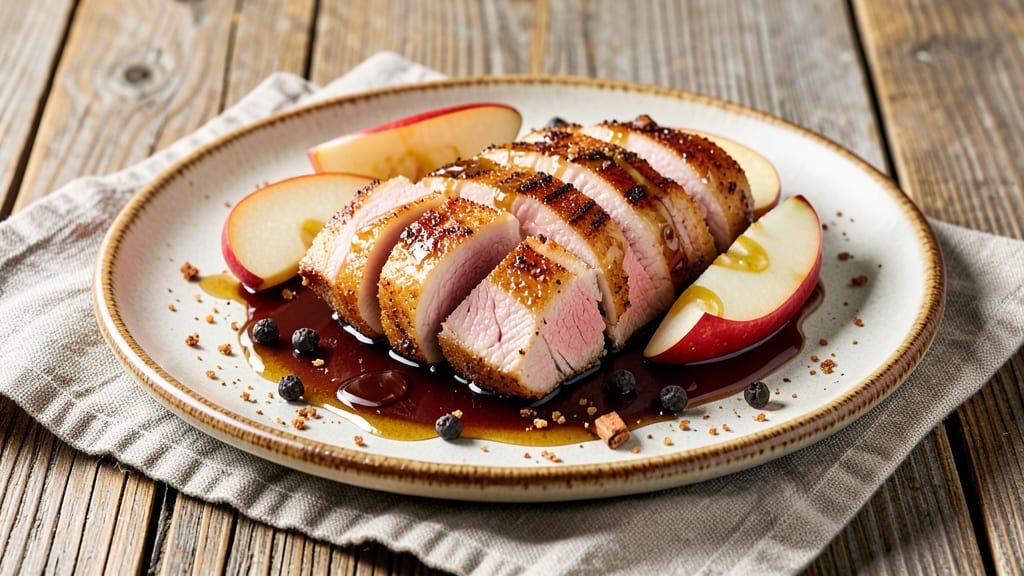
This cinnamon apple pork tenderloin recipe transforms simple ingredients into a showstopping dish that balances sweet and savory flavors perfectly. 🌟 The secret lies in braising the tenderloin with caramelized apples and warm cinnamon, creating a dish that feels both elegant and approachable—ideal for weeknight dinners or special occasions.
After years of perfecting this technique, I can confidently say it’s one of those recipes that impresses without requiring hours in the kitchen.
The process starts with a quick marinade of cinnamon, apple cider, and spices, which tenderizes the meat while infusing it with aromatic depth.
Then, the pork braises slowly in a rich sauce made from the same marinade, apples, and a touch of brown sugar—this ensures the meat stays tender and juicy while absorbing all the caramelized flavors.
The result is a dish that’s rich, slightly sweet, and deeply satisfying, with a texture that’s impossible to resist.
What makes this recipe truly special is how the flavors come together: the warmth of cinnamon, the natural sweetness of the apples, and the savory depth of the pork create a harmonious balance that’s both comforting and refined.
The caramelized fruit adds a delightful crunch, while the tender meat melts in your mouth. It’s the kind of dish that feels like a hug on a plate—perfect for family gatherings or when you want to elevate a simple weeknight meal.
Pair it with roasted sweet potatoes or a crisp green salad to round out the meal, and you’ll have a dinner that’s as beautiful as it is delicious.
The best part? This recipe delivers restaurant-quality results with minimal effort, making it a go-to for anyone who loves bold flavors without the fuss. Let’s get cooking!
Ingredients for cinnamon apple pork tenderloin
This elegant yet approachable recipe balances sweet caramelized apples with savory pork tenderloin, all tied together by aromatic cinnamon and thyme.
| Ingredient | Amount | Notes |
|---|---|---|
| Pork Tenderloin 🥩 | 1 ½ lb | Center-cut for even cooking |
| Granny Smith Apples 🍎 | 2 medium | Peeled, cored, sliced into wedges |
| Apple Cider 🍏 | 1 cup | Unsweetened, preferably organic |
| Ground Cinnamon 🌿 | 2 tsp | Freshly ground for optimal flavor |
| Brown Sugar 🍚 | 2 tbsp | Light or dark variety preferred |
| Dijon Mustard 🥫 | 1 tbsp | For depth of flavor |
| Olive Oil 🫒 | 2 tbsp | Extra-virgin for richness |
| Garlic Cloves 🧄 | 3 cloves | Minced for marinade |
| Salt 🧂 | 1 tsp | Diamond Crystal kosher salt |
| Black Pepper 🌶️ | ½ tsp | Freshly ground preferred |
| Fresh Thyme Leaves 🌿 | ¼ cup | Chopped, stems removed |
| Unsalted Butter 🧈 | 1 tbsp | For finishing sauce |
| Chicken Broth 💧 | ½ cup | Low-sodium preferred |
The pork tenderloin is the star, so choose a center-cut piece—it’s more uniform and cooks evenly. Most butchers will trim excess fat for you, but if you're buying whole, look for a piece with minimal silver skin. Costco or high-end grocery stores like Whole Foods carry excellent quality, but even your local supermarket should have a decent selection. Granny Smith apples are ideal—their tartness balances the sweetness, but any crisp apple will work. Just make sure they're firm and free of bruises. For the apple cider, unsweetened is key—it adds depth without overpowering the dish.
No Granny Smith apples? Fuji or Honeycrisp work beautifully—they're sweeter but still hold their shape during braising. Short on apple cider? Unsweetened apple juice is a perfect substitute, though it lacks the subtle complexity. The cinnamon should be freshly ground if possible—pre-ground loses potency quickly. If you're using dried thyme, reduce to one-third the amount of fresh. For the Dijon mustard, avoid the sweetened varieties—you want the tangy, peppery kick. And if you're concerned about the pork being too lean, adding a thin slice of bacon to the braising liquid adds incredible depth.
This dish reheats beautifully—3-4 days in the fridge, covered, or freeze for up to 3 months for those busy nights. The sauce thickens as it cools, so a splash of warm water or broth brings it back to perfection. For make-ahead convenience, braise the pork and apples fully, then refrigerate. When ready to serve, reheat gently with a splash of broth and finish with butter. The caramelized apples add a delightful crunch contrast that disappears when reheated, so serve immediately for that restaurant-quality texture.
Why You'll Love This Recipe
- One-Pan Magic: I swear by this recipe when I’m too tired to wash dishes. The apples caramelize right alongside the pork—no extra pots, no fuss—just a single sheet pan that’s almost too easy to resist.
- Sweet-Savory Balance: That first bite? The crisp apples cut through the tender pork while the cinnamon and brown sugar add this warm, cozy depth. It’s like autumn in a bite, but without the pumpkin spice overload.
- Weeknight to Dinner Party: I make this for lazy nights when I’m craving something special, but it also impresses guests. The apple cider glaze gives it that restaurant-worthy shine—no one will guess it took me 25 minutes.
- Leftovers That Don’t Suck: Honestly, I often make extra because the pork stays juicy for days. Slice it for sandwiches, toss it in salads, or reheat it with a splash of cider—it’s the kind of leftovers people actually ask for.
Step-by-step instructions for cinnamon apple pork tenderloin
Master this braising technique for melt-in-your-mouth pork with caramelized apple crunch.
🍳 Step 1: Prepare the Pork and Marinade
Pat the 1.5 lb pork tenderloin completely dry with paper towels—this ensures maximum browning later. In a small bowl, whisk together the 2 tbsp olive oil, 1 tbsp Dijon mustard, 1 tsp salt, 0.5 tsp black pepper, 2 tsp ground cinnamon, and 3 minced garlic cloves until smooth. Rub this marinade all over the pork, pressing it into the meat so it penetrates deeply.
Place the pork on a plate, cover with plastic wrap, and refrigerate for at least 2 hours (overnight is ideal). This step develops flavor and ensures even cooking. The pork should be at room temperature when you're ready to cook, so remove it from the fridge 30 minutes before starting.
🍳 Step 2: Sear the Pork for Depth of Flavor
Heat a large oven-safe skillet over medium-high heat until hot. Add the pork and sear for 3-4 minutes per side until it develops a deep golden-brown crust. You want that crust—it locks in juices and adds texture. Don't move the pork during searing; let it develop color evenly.
Once browned, remove the pork from the skillet and set it aside on a plate. Reduce the heat to medium, then add the 2 medium sliced Granny Smith apples to the same skillet. Cook them for 3-4 minutes until they begin to soften slightly and release their juices. Remove the apples and set them aside with the pork.
🥘 Step 3: Build the Braising Liquid
In the same skillet, add 1 tbsp unsalted butter and let it melt completely. Sprinkle in the 0.25 cup chopped fresh thyme leaves and cook for 30 seconds until fragrant. Pour in the 1 cup apple cider and scrape up any browned bits from the bottom of the pan—this releases flavor locked in during searing.
Add the 2 tbsp brown sugar and stir until it dissolves completely. Return the pork and apples to the skillet, then pour in the 0.5 cup chicken broth. The liquid should come about halfway up the sides of the pork. Bring the mixture to a simmer over medium heat until small bubbles form around the edges.
⏰ Step 4: Braise Until Fork-Tender
Transfer the skillet to a 375°F preheated oven. Cover tightly with a lid or foil and braise for 30-35 minutes, or until the pork reaches an internal temperature of 145°F (use a meat thermometer for accuracy). The pork should be tender enough to pierce easily with a fork, and the apples should be soft but still holding their shape.
During the last 10 minutes of cooking, check the liquid level occasionally. If it reduces too much, add 1-2 tablespoons of water to prevent the pork from drying out. The apples should be caramelizing slightly at the edges—this is where the magic happens for that perfect crunch.
🍽️ Step 5: Rest and Serve
Remove the pork from the oven and transfer it to a cutting board. Tent loosely with foil and let it rest for 10-15 minutes before slicing. This resting period allows the juices to redistribute, ensuring each bite is moist and flavorful. Discard any herbs that have fallen into the braising liquid.
Slice the pork into ½-inch thick medallions and arrange on a serving platter. Spoon the caramelized apple sauce over the top, then garnish with any remaining apple slices. Serve immediately with crusty bread or roasted potatoes to soak up every last bit of that spiced, caramelized sauce.
Pro Tips For Making Cinnamon Apple Pork Tenderloin
- USE A MEAT THERMOMETER: Pork tenderloin’s lean and dries out fast—pull it at 140°F internal temp, not 160°F. I learned this the hard way when my first batch turned into jerky. Trust the thermometer, not guesswork.
- PEEL AND GRATE APPLES: Skip slicing Granny Smiths—they brown fast and get mushy. Instead, peel and grate them (skin on adds bitterness). Toss the grated apples in a splash of cider and ½ tsp cinnamon right away to keep them bright and prevent a watery sauce.
- BROWN THE PORK FIRST: Don’t rush the sear—get it golden on all sides before adding liquids. I used to toss it in the pan with everything, and the sauce turned bland. A 3-4 minute crisp on high heat locks in flavor and keeps the meat juicy.
- DEGLAZE WITH CIDER + SALT: After searing, pour in ½ cup apple cider (not water) and scrape every last bit from the pan—those browned bits are pure flavor. Add a pinch of salt now; the pork’s natural juices will release and meld with the sauce. (Yes, even if you’re impatient like me.)
Wine and beer pairings for this dish
Red Wine Harmony
For this dish, I reach for Pinot Noir—its bright acidity and subtle fruit notes cut through the richness of the pork while complementing the caramelized apples. A 2019 Willamette Valley Pinot from Oregon offers perfect balance with its red berry undertones and silky texture.
If you prefer something with a touch more body, try a German Spätburgunder—it’s lighter than most reds but still holds its own against the spiced pork. 🍷
Crisp White Pairings
Surprisingly, a dry Riesling from Alsace or Germany works beautifully here. The wine’s crisp acidity and hints of green apple enhance the dish’s caramelized notes, while its slight sweetness echoes the apples.
I love a 2020 Dr. Loosen Blue Slate Riesling—it’s off-dry enough to play with the cinnamon without overpowering the pork’s savory depth. For a budget-friendly option, Chardonnay with minimal oak (like a California La Crema) provides a creamy contrast.
Beer Balance
A Belgian witbier like Hoegaarden or St. Bernardus Wit brings refreshing citrus and peppery notes that cleanse your palate between bites. The effervescence also helps cut through the dish’s richness.
For beer lovers, I also recommend a light German lager—something crisp like Weihenstephaner Original—which won’t compete with the pork’s spiced sweetness. Avoid heavy stouts or IPAs, as they’ll clash with the delicate apple-cinnamon profile. 🍺
Cider Complements
Since apple cider is a key ingredient, why not serve it as a drink? A dry hard cider like Angry Orchard Crisp Apple or Woodchuck Hard Cider mirrors the dish’s flavors without overpowering. For a non-alcoholic option, Martinelli’s Sparkling Apple Cider (the dry variety) offers a refreshing, slightly fizzy contrast.
I often serve this chilled in small glasses alongside the meal—it’s a crowd-pleaser that ties everything together.
Unexpected Pairing
Here’s a fun twist: Port wine (specifically a Ruby Port) works surprisingly well as a dessert pairing. Its rich, fruity notes bridge the meal and dessert beautifully. For a non-alcoholic surprise, sparkling grape juice like Martinelli’s Sparkling Grape adds a festive touch to the table.
I’ve even seen guests request seconds of the pork just to enjoy it with another sip of their favorite pairing! 💫
Nutrition facts
Frequently asked questions
Can I substitute chicken breast for pork tenderloin?
While you can technically use chicken, it won't yield the same rich, tender results. Pork tenderloin's lean yet tender nature absorbs the cinnamon-apple marinade beautifully, while chicken breast can dry out during braising. If you must substitute, use bone-in chicken thighs instead—they stay juicier and complement the sweet-savory flavors. Cooking time will also differ: chicken reaches 165°F internal temp vs pork's 145°F.
How do I prevent the apples from turning mushy?
Use firm, tart apples like Granny Smith or Honeycrisp—they hold up better during braising. Slice them ¼-inch thick and add them to the skillet only after searing the pork (not at the start). The key is timing: apples should soften but remain slightly crisp. If they're getting too soft, remove them 5-10 minutes before the pork is done. A splash of lemon juice at the end also helps preserve their texture.
Can I make this recipe in a slow cooker?
Follow the same marinade and searing steps, then transfer everything to a 3-4 quart slow cooker. Cook on LOW for 4-5 hours or HIGH for 2-3 hours, adding ¼ cup water if the liquid reduces too much. The slow cooker's gentle heat ensures tender pork and perfectly caramelized apples without drying out. Just skip the foil cover—leave the lid slightly ajar for the last 30 minutes to allow caramelization.
Why does my pork come out dry?
Overcooking is the #1 culprit—pork tenderloin is lean and dries out quickly above 145°F. Always use a meat thermometer! Other common mistakes: not resting the meat (10-15 minutes is non-negotiable) or overcrowding the pan during searing. For extra insurance, brush the pork with 1 tbsp melted butter before serving. Pro tip: If your pork starts looking dry during braising, add 2 tbsp chicken broth and cover tightly for 10 minutes to rehydrate.
What's the best way to reheat leftovers?
Reheat gently in a skillet with 1 tbsp apple cider or broth over low heat for 3-4 minutes—this prevents drying. Microwaving works too, but wrap the pork in a damp paper towel and heat in 30-second bursts, stirring between each. For the sauce, reduce any extra liquid by half before reheating to thicken it back up. Leftovers keep 3-4 days in the fridge or 3 months frozen.