
Sauces & Condiments
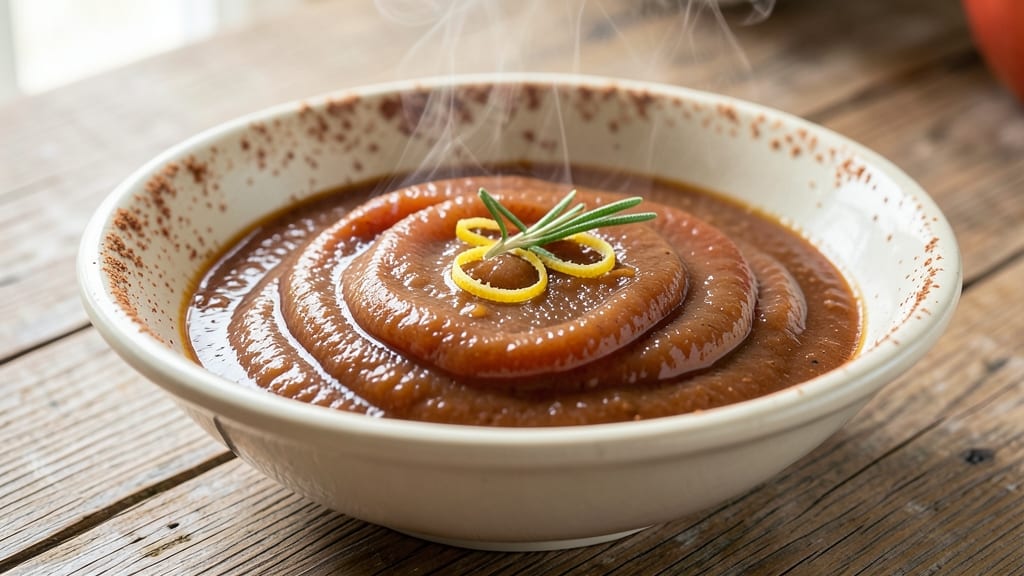
This cooking apple sauce recipe transforms ordinary apples into a versatile, spiced simmer that elevates everything from toast to roasted pork. The secret lies in balancing sweetness with warm cinnamon and bright lemon, creating a sauce that's both comforting and sophisticated.
I developed this recipe after years of testing—it's the one that finally earned a permanent spot in my pantry, ready to transform simple meals into something special.
What makes this apple sauce truly exceptional is its adaptability. Whether you're spreading it on morning toast, drizzling it over roasted chicken, or using it as a glaze for pork tenderloin, the flavor profile remains rich and well-rounded.
The slow simmer caramelizes the apples naturally, eliminating the need for added sugar while maintaining that signature apple aroma. Plus, it keeps beautifully in the refrigerator for up to two weeks—making it a true pantry workhorse.
The process couldn't be simpler: peel, chop, and simmer apples with cinnamon, lemon juice, and just enough sugar to enhance their natural sweetness. A quick blend (or mash, if you prefer texture) delivers a smooth, velvety sauce with just the right amount of spice.
The result is a restaurant-quality condiment that costs pennies to make and takes less than 30 minutes to prepare.
Use it as a spread for morning pancakes, a topping for vanilla ice cream, or a glaze for holiday roasts. The possibilities are endless, and the flavor only gets better with time. Here's how to make it—your taste buds will thank you.
Ingredients for cooking apple sauce
Eight simple ingredients transform basic apples into a spiced, versatile sauce perfect for any meal.
| Ingredient | Amount | Notes |
|---|---|---|
| Cooking Apples 🍎 | 4 medium | Firm variety like Braeburn or Granny Smith |
| Granulated Sugar 🍚 | ¼ cup | Adjust based on apple sweetness |
| Ground Cinnamon 🌿 | 1 ½ tsp | Freshly ground for best flavor |
| Lemon Juice 🍋 | 2 tbsp | Freshly squeezed, bright flavor |
| Water 💧 | ½ cup | For simmering apples |
| Salt 🧂 | ¼ tsp | Kosher or sea salt |
| Vanilla Extract 🌸 | ½ tsp | Optional, for depth |
| Unsalted Butter 🧈 | 1 tbsp | For richness (optional) |
The apples are the star—Braeburn or Granny Smith hold up best during cooking, but any firm variety works. Trader Joe's or Whole Foods usually carry cooking apples in the produce section, or grab a bag of pre-washed ones for convenience. If you're using pre-peeled apples, skip the peeling step, but fresh apples give the best texture. Look for firmness and vibrant color—those are your best indicators of quality. I always buy a few extra apples since they keep well in the fridge for up to two weeks.
No cinnamon? Nutmeg or pumpkin pie spice works in a pinch, though the flavor will be slightly different. Short on sugar? Maple syrup or honey can replace granulated sugar at a 1:1 ratio, but reduce the water slightly since they're liquid. Fresh out of lemon juice? Bottled lemon juice works fine, but fresh is always brighter. The butter is optional but adds a lovely richness—Earth Balance vegan butter works if you're avoiding dairy. For a smoother texture, blend the sauce until silky, or leave it slightly chunky for rustic appeal.
This sauce keeps beautifully in the fridge for up to 2 weeks—just store it in an airtight container. For longer storage, freeze it in ice cube trays for perfect single-serving portions. The flavor actually improves over time as the spices meld together. I always make a double batch: one for immediate use and one to freeze for when I'm craving something comforting. It reheats perfectly—just warm it gently on the stove or microwave until hot. Perfect for spreading, drizzling, or glazing!
Why You'll Love This Recipe
- Five-Ingredient Magic: I swear by this recipe—just apples, sugar, cinnamon, lemon, and water. No fancy tools, no stress, and zero guesswork. Peel, core, chop, and simmer. That’s it. Even my college-dorm version turned out fine.
- Sweet-Tart Balance: The lemon juice cuts through the sugar just enough to keep it bright, not cloying. A sprinkle of cinnamon? That’s where it becomes ridiculously good. It’s the kind of flavor that sticks with you—like apple pie, but better.
- Weeknight Workhorse: Slather it on toast when you’re too tired for breakfast. Stir it into oatmeal for a cozy lunch. Use it as a topping for pancakes or yogurt. I’ve even drizzled it over roasted pork—trust me, it works. Always.
- Pantry Staple, Zero Waste: Apples get mushy in the crisper? Toss them in here. A bag of cooking apples on sale? Stock up. The sauce keeps for weeks in the fridge, and you’ll never overbuy fruit again. Plus, it’s cheaper than store-bought—by a lot.
Step-by-step instructions for cooking apple sauce
Here's how to make a smooth, spiced apple sauce that's perfect for pies, pancakes, or just eating with a spoon.
Peel, Core, and Chop the Cooking Apples
Start by washing the 4 medium cooking apples thoroughly under cold water. Using a sharp paring knife, peel the skin off each apple, working from the top down to avoid cutting into the flesh. This step is important—peeling ensures a smooth sauce without any tough skin pieces.
Cut each apple in half from stem to base, then use a small spoon to scoop out the core and seeds. This prevents bitterness from the seeds and makes the apples easier to chop. Once cored, slice each apple half into 4-6 wedge-shaped pieces. You should end up with about 16-20 apple wedges total. For even cooking, try to keep the pieces roughly the same size—about 1-inch thick.
Simmer the Apples Until Tender
In a medium-sized saucepan, combine the chopped cooking apples with the 0.5 cup water, 0.25 cup granulated sugar, 1.5 teaspoons ground cinnamon, and 0.25 teaspoon salt. Stir gently to combine, making sure all the apple pieces are submerged in the liquid. This helps prevent browning and ensures even cooking.
Place the saucepan over medium-high heat and bring the mixture to a gentle boil. Once boiling, reduce the heat to medium-low and let the apples simmer uncovered for 10-12 minutes. You'll know they're ready when a fork slides in easily with minimal resistance. If the apples aren't tender enough after 12 minutes, continue simmering for another 2-3 minutes—they should break down completely when pressed with a fork.
Finish with Lemon Juice and Vanilla
After the apples are tender, remove the saucepan from heat and stir in the 2 tablespoons lemon juice and 0.5 teaspoon vanilla extract. The lemon juice brightens the flavor and balances the sweetness, while the vanilla adds depth. If you're using the optional 1 tablespoon unsalted butter, add it now and stir until melted and fully incorporated. The butter adds richness and helps create a smoother texture.
For a perfectly smooth sauce, use an immersion blender right in the saucepan to blend until completely smooth. If you prefer a slightly chunky texture, mash the apples with a potato masher instead. Taste and adjust seasoning if needed—you may want to add a bit more sugar or cinnamon depending on the sweetness of your apples.
Cool and Store for Maximum Freshness
Let the apple sauce cool to room temperature for about 15 minutes, stirring occasionally. This prevents a skin from forming on the surface. Once cooled, transfer the sauce to airtight containers or jars. The sauce will thicken as it cools, so don't worry if it looks too thin while warm.
For short-term storage, refrigerate the apple sauce for up to 5 days. For longer storage, freeze it in airtight containers for up to 6 months. When ready to use, thaw in the refrigerator overnight or microwave in 30-second intervals until warmed through. This versatile sauce pairs beautifully with breakfast dishes, baked goods, or even as a topping for yogurt or oatmeal.
Pro Tips For Making Cooking Apple Sauce
- PEEL AND CORE APPLES UNIFORMLY: I learned this the hard way—uneven chunks take forever to soften. Use a paring knife to slice just under the skin in one continuous spiral, then twist the peel off in one piece. For speed, cut apples into ½-inch dice instead of wedges; they cook faster and blend smoother.
- SIMMER LOW AND LONG: After burning three batches, I finally figured out that apple sauce needs patience. Keep the heat at a bare simmer—no boiling—so the apples break down evenly without turning mushy or scorching. A gentle roll of the pot every few minutes prevents sticking.
- SKIP THE STARCHY APPLES: Russets or Granny Smiths? Nope. Choose firm, tart cooking apples like Braeburn or Jonagold—they hold their shape longer and release less pectin, which means less gummy sauce. Starchy varieties turn to glue.
- STRAIN FOR SMOOTHNESS: Sounds weird, but it works: After simmering, press the cooked apples through a fine-mesh sieve or food mill. This removes skins and seeds, giving you a velvety texture instead of a chunky mash. (Yes, even if you’re impatient like me.)
Dietary considerations for cooking apple sauce
Sugar-Free Adaptation
Skip the granulated sugar entirely and rely on the natural sweetness of your apples. Use Braeburn or Fuji apples—they're naturally sweeter than Granny Smith. If you need extra sweetness, add 1-2 tablespoons of maple syrup or 1 mashed banana for a fruit-based alternative.
The sauce will still have depth from the cinnamon and lemon. 🍎
Low-Sodium Option
Reduce the salt to ¼ teaspoon or omit it entirely if you're watching sodium. The natural sweetness of the apples and the bright acidity of the lemon juice will keep the flavors balanced.
For extra flavor without salt, add ½ teaspoon of ground cardamom—it pairs beautifully with cinnamon and apples. Always taste as you go!
Gluten-Free Friendly
This recipe is naturally gluten-free since it doesn't contain any wheat-based ingredients. Just ensure your cinnamon and vanilla extract are certified gluten-free if you're highly sensitive. I always check the labels on my McCormick spices to be safe. The apples, sugar, lemon juice, and water are all gluten-free staples. 🌾
Vegan Variations
For a vegan version, replace the optional butter with 1 tablespoon of coconut oil or Earth Balance vegan butter. The sauce will still be creamy and delicious.
You can also use agave nectar instead of sugar if you prefer a plant-based sweetener. The texture remains smooth whether blended or mashed.
Nut-Free Allergy
This recipe is already nut-free, but if you're making it for someone with nut allergies, double-check that your cinnamon and vanilla extract aren't processed in facilities that handle nuts.
I always opt for Trader Joe's cinnamon and Goya vanilla extract because they're clearly labeled as nut-free. The apples and other ingredients are naturally safe for nut allergies.
Diabetic-Friendly Adjustments
To make this apple sauce lower in carbs, reduce the sugar to 1 tablespoon and use ½ cup of water or unsweetened apple cider instead of full-strength apple juice. The sauce will still be flavorful, and the fiber from the apples helps balance blood sugar.
I often serve it with protein-rich Greek yogurt to create a balanced snack. 💪
Nutrition facts
Frequently asked questions
Can I use any type of apples for this apple sauce?
For the best results, use firm cooking apples like Braeburn or Granny Smith—they hold their shape during cooking and create a smoother texture. Avoid overly soft varieties like Red Delicious, which can turn mushy. If you only have sweet apples like Gala or Fuji, add a touch more cinnamon (½ tsp extra) to balance the flavor.
How do I fix apple sauce that's too thick or too thin?
If your sauce is too thick, stir in 1-2 tablespoons of water or apple cider while warm. For a thinner sauce, simmer uncovered for 5-10 extra minutes to reduce the liquid naturally. Pro tip: Blending hot sauce with an immersion blender often makes it smoother and less likely to thicken upon cooling.
Can I make apple sauce without a blender?
Simply mash the cooked apples with a potato masher or fork until you reach your desired texture. For extra smoothness, press the apples through a fine-mesh sieve to remove any remaining skin or seeds. The result will be slightly rustic but still delicious—great for serving with pork chops or oatmeal.
Why did my apple sauce turn gray?
Gray apple sauce usually means oxidation from exposure to air. To prevent this, cover the saucepan with a lid while cooking and stir occasionally. If it happens, add ½ teaspoon of lemon juice per cup of sauce and blend again. For storage, always use airtight containers and press plastic wrap directly on the surface before sealing.
What are the best ways to use leftover apple sauce?
This versatile sauce works as a spread for toast, a topping for yogurt or pancakes, or a glaze for roasted meats. Try it in muffins or quick breads for moisture, or mix with oats for homemade granola clusters. Freeze extras in ice cube trays for perfect single-serving portions—great for baking or smoothies!