
Main Courses
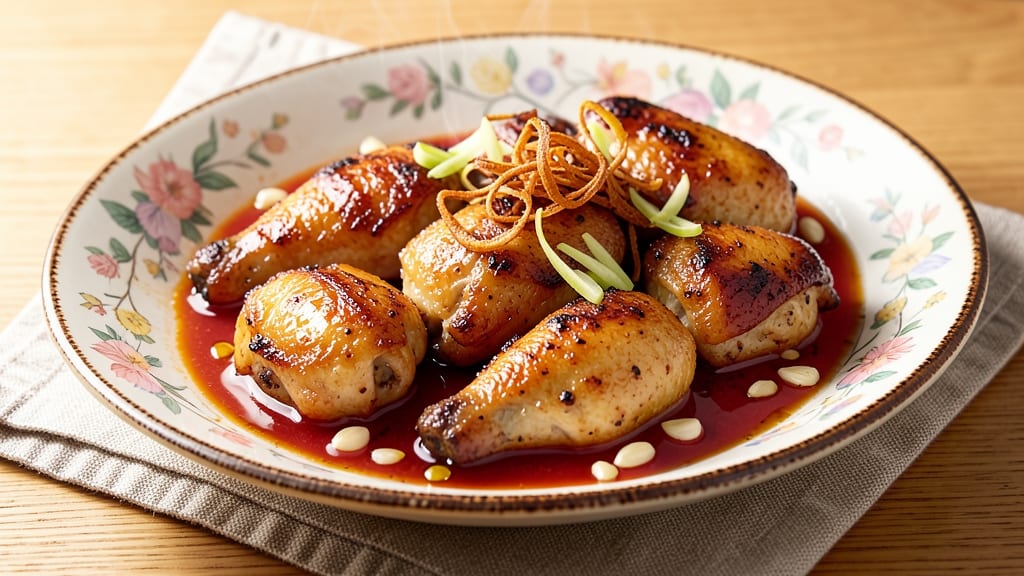
This juicy cooking chicken in pineapple juice recipe transforms ordinary chicken into tender, sweetly aromatic bites that taste like a tropical vacation. The pineapple juice works as both a marinade and cooking liquid, infusing the meat with natural sweetness while keeping it impossibly moist.
After testing countless variations, I’ve perfected a method that balances tangy brightness with rich, caramelized flavors—ideal for weeknight dinners or special occasions where you want restaurant-quality results without the fuss.
The secret lies in the pineapple juice’s dual role: it tenderizes the chicken while creating a glossy, slightly sticky glaze during cooking. Unlike traditional brines, this method relies on the juice’s natural enzymes to break down proteins gently, ensuring every bite stays succulent.
Whether you’re grilling, pan-searing, or simmering, the technique remains the same—just adjust the cooking time to match your preferred method. The result? Chicken that’s so flavorful, it’ll disappear faster than you can say "pineapple."
What makes this recipe truly special is its versatility. Serve the chicken over fluffy jasmine rice for a complete meal, or pair it with roasted sweet potatoes and steamed greens for a balanced plate. The pineapple-infused sauce also doubles as a dipping sauce or glaze for extra flavor.
With just a few simple ingredients and minimal prep, you’ll achieve a dish that’s both impressive and foolproof—perfect for anyone looking to elevate their weeknight cooking.
Ready in under an hour, this recipe is designed to deliver consistent, restaurant-worthy results every time. The pineapple juice not only enhances the flavor but also adds a subtle sweetness that pairs beautifully with savory sides.
Whether you’re feeding a family or hosting a dinner party, this method ensures your chicken will be the star of the meal—juicy, tender, and bursting with tropical notes.
Ingredients for cooking chicken in pineapple juice
Tropical flavors meet restaurant-quality technique in this juicy chicken dish.
| Ingredient | Amount | Notes |
|---|---|---|
| Boneless, Skinless Chicken Thighs 🍗 | 1 ½ lb | Cut into 1-inch pieces for even cooking |
| Fresh Pineapple Juice 🍍 | 1 ½ cups | 100% pure, no additives preferred |
| Extra-Virgin Olive Oil 🫒 | 2 tbsp | For high-heat searing |
| Fresh Garlic Cloves 🧄 | 4 cloves | Minced for aromatic depth |
| Fresh Ginger Root 🌿 | 1 tbsp | Finely grated for zesty kick |
| Soy Sauce 🍶 | 2 tbsp | For umami complexity |
| Brown Sugar 🍚 | 2 tbsp | Enhances caramelization |
| Diamond Crystal Kosher Salt 🧂 | 1 ½ tsp | Adjusts seasoning balance |
| Fresh Lime Juice 🍋 | 2 tbsp | Brightens final flavor |
| Fresh Cilantro Leaves 🌿 | ¼ cup | Chopped for fresh garnish |
| Jasmine Rice 🍚 | 1 cup | Uncooked, for serving |
| Vegetable Oil 🫒 | 1 tbsp | For rice cooking |
| Ground Black Pepper 🌶️ | ½ tsp | Freshly cracked |
| Fresh Pineapple Chunks 🍍 | ½ cup | For garnish and plating |
The chicken thighs are key here—their fat content ensures maximum moisture during cooking. Look for bone-in, skin-on thighs if available, as they yield the most flavor and juiciness. For the pineapple juice, Dole or Del Monte brands are reliable choices, but always opt for 100% pure juice with no added sugars. Fresh ginger and garlic should be vibrant and aromatic—skip the jarred versions, as they lack the freshness needed for this recipe. The soy sauce should be light-colored for a cleaner flavor profile, and Kikkoman is a safe bet. Brown sugar adds depth, so don't substitute with white sugar unless you're willing to reduce the cooking time slightly.
No fresh pineapple juice? Coconut water mixed with a splash of lime juice works in a pinch, though it won't have the same sweet-tart balance. Substituting ginger with powdered ginger is possible, but reduce to half the amount—it's much more concentrated. For a vegetarian twist, swap chicken for extra-firm tofu pressed and cubed, though cooking times will differ. The cilantro can be omitted if you dislike its flavor, but the dish loses some freshness without it. If you're serving this for a crowd, double the batch of pineapple juice and chicken—it reheats beautifully and tastes even better the next day.
This recipe reheats exceptionally well, making it perfect for meal prep. Store leftovers in an airtight container in the fridge for up to 3 days, or freeze for 3 months by portioning into individual containers. The pineapple-infused sauce thickens slightly when chilled, so simply reheat with a splash of water or pineapple juice to restore its glossy texture. For serving, pair with jasmine rice cooked in coconut milk for an extra tropical touch. The dish also pairs wonderfully with roasted sweet potatoes or a simple arugula salad to balance the richness.
Why You'll Love This Recipe
- One-Pan Magic: Honestly, I swear by this for lazy nights—the chicken, pineapple juice, and garlic all go into one skillet. No chopping boards, no extra pots, just flip and simmer until the thighs are golden and tender. That’s my kind of cooking.
- Tropical Tang: The pineapple juice isn’t just a marinade—it’s the star. The acid tenderizes the chicken while adding this bright, slightly sweet depth that cuts through the richness of the olive oil. Add ginger? Instantly feels like a vacation in your mouth.
- Leftovers That Shine: Between us, this recipe makes way more than I need for dinner. The leftovers reheat beautifully—whether tossed with rice, stuffed into wraps, or just microwaved straight from the fridge. (Yes, even on a Tuesday night.)
- Budget Bright Spot: Chicken thighs are forgiving and cheap, and pineapple juice is cheaper than fresh pineapple. Fresh ginger and garlic? Tiny amounts go a long way. This dish feeds four for under $15, and I’ve never once regretted the math.
Step-by-step instructions for cooking chicken in pineapple juice
Here's the method to achieve perfectly tender, juicy chicken with a sweet-tangy tropical profile.
Prepare the Tropical Brine
In a large resealable plastic bag or shallow dish, combine the 1.5 cups fresh pineapple juice, 2 tbsp soy sauce, 2 tbsp brown sugar, 1.5 tsp diamond crystal kosher salt, and 0.5 tsp ground black pepper. Mix thoroughly until the sugar and salt dissolve completely. The pineapple juice works as both a marinade and tenderizer, breaking down the chicken's proteins while infusing sweetness.
Cut the 1.5 lb boneless, skinless chicken thighs into 1-inch pieces for even cooking. Add them to the brine mixture, ensuring each piece is fully coated. Seal the bag or cover the dish and refrigerate for at least 2 hours (overnight works best). This marinating time guarantees maximum tenderness and flavor penetration.
Sear the Chicken for Depth
Remove the chicken from the brine and pat dry with paper towels—this step is crucial for achieving a proper sear. Heat 2 tbsp extra-virgin olive oil in a large skillet over medium-high heat until shimmering. Add the chicken pieces in a single layer, cooking undisturbed for 3-4 minutes per side until golden brown and cooked through to an internal temperature of 165°F.
While the chicken sears, finely grate the 1 tbsp fresh ginger root and mince the 4 cloves fresh garlic cloves. Remove the chicken from the skillet and set aside, leaving the rendered juices in the pan. Here's the thing—those browned bits are pure flavor, so don't scrape them out.
Build the Tropical Sauce
Reduce heat to medium and add the grated ginger and minced garlic to the skillet. Sauté for 30 seconds until fragrant—you'll smell that aromatic depth developing. Pour in the remaining 1.5 cups pineapple juice (from the brine) and scrape up all those flavorful browned bits from the bottom of the pan. This deglazing step captures all the concentrated chicken flavor.
Simmer the mixture for 5-7 minutes until reduced by half and slightly thickened. Stir in 2 tbsp fresh lime juice and taste—you should detect a perfect balance of sweet, tangy, and umami flavors. If the sauce is too thick, add 1-2 tablespoons water to reach your desired consistency.
Finish and Serve
Return the seared chicken to the skillet and spoon the sauce over it, coating each piece evenly. Simmer for 2-3 minutes to allow the chicken to absorb the remaining sauce flavors. The chicken should be fully tender with a glossy, juicy finish.
Chop 0.25 cup fresh cilantro leaves and set aside. For serving, arrange the chicken over 1 cup cooked jasmine rice (prepared with 1 tbsp vegetable oil according to package instructions). Spoon the sauce over the top and garnish with the chopped cilantro and 0.5 cup fresh pineapple chunks. The contrast of textures and temperatures makes this dish truly special—serve immediately while the chicken is still juicy and the sauce is warm.
Pro Tips For Making Cooking Chicken In Pineapple Juice
- SEAR FIRST, THEN SIMMER: The chicken won’t caramelize properly if you toss it straight into the pineapple juice. Hit the thighs with a dry pan over medium-high heat for 3-4 minutes per side until golden—this locks in flavor and keeps them from turning rubbery when braised. (Yes, even if you’re impatient like me.)
- JUICE THE PINEAPPLE RIGHT: Fresh pineapple juice is non-negotiable here, but don’t just blend and dump. Strain it through a fine-mesh sieve to remove fibrous pulp—it’ll make your sauce silky instead of gritty. If you’re short on time, use bottled pineapple juice but reduce it by half first to balance the sweetness.
- GINGER: GRATE, DON’T CHOP: I learned this the hard way—minced ginger burns and turns bitter in olive oil. Use a microplane and grate it directly into the pan while the garlic sizzles, then immediately deglaze with the pineapple juice. The tiny pieces dissolve smoothly, and you avoid that sharp, raw bite.
- SAVE THE SKIN (IF YOU CAN): Skinless thighs are convenient, but they dry out faster in acidic juice. If you’re using boneless and skinless, pat them extra dry before searing, and add 2 tablespoons of water to the braising liquid. It’s a small fix for a common disappointment—dry chicken in a sweet sauce.
Storing and reheating this recipe
Refrigerator Storage
Store your cooked chicken in an airtight container with a splash of pineapple juice to keep it moist. The acidity in the juice helps preserve the chicken's natural juiciness, so I always add about ¼ cup to the container before sealing.
Keep it refrigerated for up to 3 days, but I find it tastes best within the first 2 days. The flavors actually meld better when reheated, so don't hesitate to save leftovers for quick lunches. ✨
Freezer Prep Tips
For longer storage, portion the chicken into single-serving containers with a small amount of sauce or pineapple juice. Freeze for up to 3 months—the sauce prevents the chicken from drying out during thawing.
When ready to eat, I recommend thawing overnight in the fridge rather than using the microwave, as this preserves texture better. Label containers with the date to track freshness.
Stovetop Reheating
My preferred method is stovetop reheating, which restores the sauce's glossy texture. Place chicken pieces in a skillet over medium-low heat with 2 tablespoons pineapple juice or water. Cover and heat for 5-7 minutes, stirring occasionally, until reaching 165°F internal temperature.
The sauce will thicken as it heats, so add a splash more liquid if needed. This method keeps the chicken juicy and the sauce vibrant.
Microwave Safety
For quick reheating, use the microwave on medium power (about 50%) to avoid drying out the chicken. Place chicken pieces on a microwave-safe plate with 1 tablespoon pineapple juice, cover loosely with a damp paper towel, and heat in 1-minute intervals until hot.
Stir between intervals to distribute heat evenly. This method works best for small portions and saves time without sacrificing flavor.
Sauce Restoration
The pineapple sauce thickens when chilled, so simply reheat it with 1-2 tablespoons water or pineapple juice to restore its glossy consistency. I often reheat the sauce separately in a small saucepan over low heat, stirring until it reaches a smooth, pourable texture.
This step ensures your dish looks as good as it tastes when served. The sauce pairs perfectly with reheated rice or fresh greens for a complete meal. 💫
Nutrition facts
Frequently asked questions
Why does pineapple juice make chicken so tender?
The natural enzymes in pineapple juice, particularly bromelain, break down the tough proteins in chicken, creating a tenderizing effect. When used as a marinade, it also helps retain moisture during cooking, resulting in juicier meat. The acidity also aids in tenderizing while balancing the sweetness of the pineapple.
Can I use canned pineapple juice instead of fresh?
Yes, but choose 100% pure pineapple juice with no added sugar for the best results. Canned juice works well, but fresh juice provides a brighter, more vibrant flavor. If using canned, look for brands like Del Monte or Dole that focus on minimal processing. For extra depth, add a splash of lime juice to mimic fresh pineapple's tang.
How do I adjust this recipe for grilling instead of pan-searing?
Marinate the chicken as directed, then thread pieces onto skewers or grill directly. Preheat grill to medium-high heat (400°F) and cook for 8-10 minutes, turning occasionally. For extra flavor, brush with reserved pineapple marinade during grilling. The grilling time may vary slightly based on your grill's heat intensity, so use a meat thermometer to check for 165°F internal temperature.
What if my sauce turns out too thick or too thin?
If the sauce is too thick after simmering, thin it with 1-2 tablespoons water or pineapple juice while heating. For a thicker sauce, simmer uncovered for an extra 2-3 minutes to reduce further. The ideal consistency should coat the back of a spoon but still be pourable. Taste as you go—adjust gradually to avoid overcorrecting.
Can this recipe be made gluten-free?
Simply replace the soy sauce with tamari or coconut aminos, both of which are naturally gluten-free. The rest of the recipe remains unchanged. These alternatives provide the same umami depth without the gluten. Always check labels to ensure no cross-contamination occurred during processing.