
Sauces & Condiments
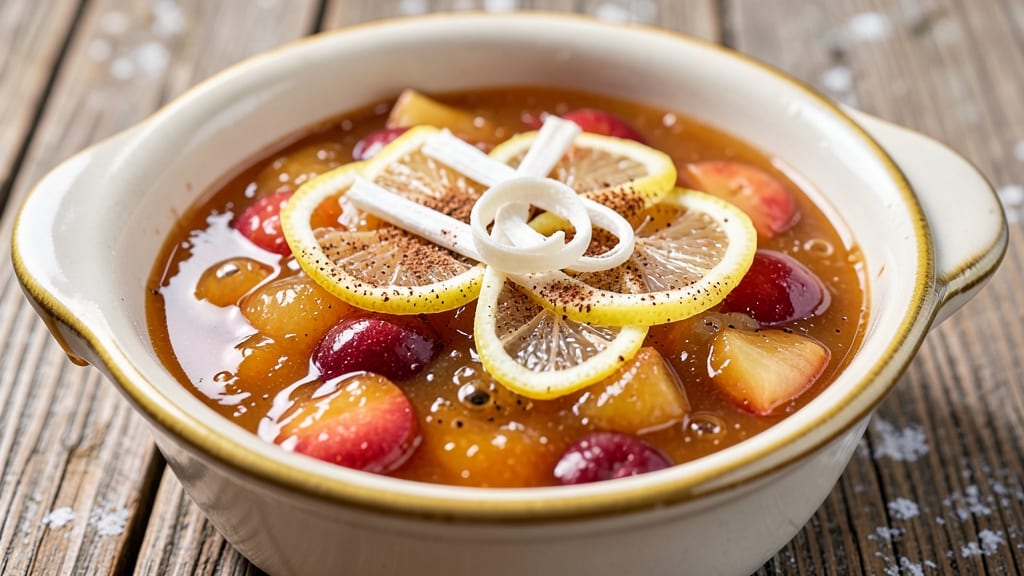
This easy crabapple jam recipe transforms tart crabapples into a vibrant, tangy-sweet spread perfect for toast, desserts, or gifting. 💛 I developed this method after years of perfecting preserves—no pectin required, just fresh fruit and simple technique.
The key is balancing the natural tartness with sugar while keeping it bright and fruity, not cloying.
With just 30 minutes of active time, you'll create a jam that captures crabapples' signature tang without bitterness. The secret lies in slow cooking with lemon juice to enhance flavor and a splash of vanilla to round out the sharpness.
This recipe delivers restaurant-quality results using basic pantry ingredients—ideal for beginners.
What you'll end up with is a glossy, ruby-red jam that's spreadable yet retains visible fruit pieces for texture. The tart-sweet balance makes it versatile—excellent on buttermilk biscuits, cheese boards, or as a glaze for roasted meats. The best part? It keeps beautifully for months in the fridge.
Whether you're preserving a harvest or simply craving homemade flavor, this jam delivers professional-quality results with minimal effort. Let's get started—your kitchen will smell like autumn orchards in no time.
Ingredients for crabapple jam recipe easy
Six simple ingredients transform tart crabapples into a restaurant-quality spread with vibrant ruby-red color.
| Ingredient | Amount | Notes |
|---|---|---|
| Fresh Crabapples 🍎 | 2 ½ lbs | Pitted, peeled, quartered (about 6 cups) |
| Granulated Sugar 🍚 | 2 ½ cups | White or raw turbinado (equal parts) |
| Fresh Lemon Juice 🍋 | ¼ cup | From 2-3 lemons, strained |
| Pure Vanilla Extract 🌿 | 1 tbsp | High-quality Madagascar preferred |
| Apple Cider Vinegar 🍶 | 1 tbsp | For brightness and preservation |
| Ground Cinnamon 🌶️ | ½ tsp | Optional, for subtle warmth |
| Pinch of Salt 🧂 | ¼ tsp | Enhances fruit flavor |
| Water 💧 | ½ cup | For initial fruit softening |
The crabapples are the star—look for firm, vibrant fruit at farmers' markets or orchards in late summer/early fall. Local orchards often sell them by the bushel when in season, which is cost-effective. If using store-bought, avoid bruised or soft spots—these will make your jam cloudy. Pitting and peeling takes time, but the texture is worth it. For efficiency, microwave whole apples for 30 seconds to soften skins before peeling. The sugar should be fine granulated—no sanding or powdered. Domino brand is my go-to for consistent results, though any high-quality white sugar works. Measure precisely: the tart-sweet balance hinges on equal parts fruit and sugar.
No fresh crabapples? Substitute with a mix of tart apples and cranberries—use 1.5 cups tart apples and 1 cup dried cranberries for the same 2.5 lbs equivalent. Running low on vanilla? Almond extract at half the amount works, though it has a distinct flavor. The lemon juice is critical—bottled works in a pinch, but fresh yields brighter results. For a deeper color, add 1 tsp beet powder or a few drops of natural red food coloring (optional). The apple cider vinegar can be swapped for white vinegar, but it lacks the subtle apple undertones. If you prefer less tang, reduce to 1 tsp instead of 1 tbsp. The cinnamon is truly optional but adds a sophisticated warmth that pairs beautifully with the tartness.
This jam thickens as it cools, so test doneness at room temperature—it should coat a cold spoon but still move slowly. Store in sterilized glass jars with airtight seals. Keeps in the fridge for 3-4 months or freezer for 12 months. For gifting, paraffin wax seals add a professional touch. The flavor actually improves after 2-3 days as the tartness mellows. If it crystallizes, simply reheat gently with 1 tbsp water and stir until smooth. The vanilla and vinegar infuse deeply over time, so older batches often taste more complex. Portion into small jars for easy serving—2-ounce jars make perfect single-serving gifts.
Why You'll Love This Recipe
- No Chopping Needed: I’ll be real—this jam requires zero knife work. Just toss whole crabapples into the pot with their skins on, and the heat does all the work. That tangy-sweet balance? Pure magic from those tiny, tart fruits simmering down.
- Tangy-Sweet Magic: The lemon juice and apple cider vinegar cut through the crabapples’ natural sharpness, while the vanilla adds this unexpected depth. It’s bright, not cloying—like a fall morning in a jar, but way more delicious.
- Gift-Worthy in Minutes: Between us, this jam makes the best hostess gifts—elegant, homemade, and way cheaper than store-bought. Slap it in a pretty jar, tie a ribbon, and boom: you’re the favorite at holiday parties. (Yes, even on a Tuesday night.)
- Lasts All Winter: One batch feeds me for months. The sugar preserves it beautifully, and the vinegar keeps mold at bay. I’ve had jars from last October’s harvest still on my pantry shelf—proof it’s my secret weapon for lazy breakfasts and last-minute desserts.
Step-by-step instructions for crabapple jam
Here's the straightforward method to transform tart crabapples into a beautifully balanced spread.
🍳 Step 1: Simmer the Fruit and Water
Combine the 2.5 lbs fresh crabapples (pitted, peeled, and quartered) with the 0.5 cup water in a large, heavy-bottomed pot. Bring to a boil over medium-high heat, then immediately reduce to a gentle simmer. Let it cook uncovered for 10-12 minutes until the fruit softens and releases its juices.
You'll notice the fruit breaking down and the liquid reducing slightly—this is when the natural pectin in the crabapples begins to activate. Stir occasionally to prevent sticking, but don't mash the fruit. The goal is to soften it while preserving some texture for the jam's final consistency.
🍳 Step 2: Add Sugar and Cook Until Thickened
Stir in the 2.5 cups granulated sugar all at once, making sure each fruit piece is coated. Return to a boil over medium-high heat, then reduce to a steady simmer. Cook uncovered for 20-25 minutes, stirring frequently every 3-5 minutes to prevent sugar crystallization.
Here's where the magic happens: the sugar dissolves completely, and the mixture will gradually thicken. You're looking for a jam that coats the back of a spoon but still moves slowly when the spoon is lifted. If it thickens too quickly, add 1-2 tablespoons water to balance the consistency.
🍳 Step 3: Incorporate Flavor Enhancers
Once the jam reaches a thickened stage (about 20 minutes into the sugar cooking), stir in the 0.25 cup fresh lemon juice, 1 tbsp apple cider vinegar, 0.5 tsp ground cinnamon, and 0.25 tsp pinch of salt. Add the 1 tbsp pure vanilla extract last, stirring gently to distribute its aroma without over-mixing.
This is the moment that balances the tartness of the crabapples. The lemon juice brightens, the vinegar adds tang, and the cinnamon and salt deepen the flavor profile. The vanilla extract rounds out the finish—don't skip this step, as it transforms a good jam into a truly exceptional one.
⏰ Step 4: Test for Doneness and Can the Jam
To test for doneness, place a small amount of jam on a chilled plate and refrigerate for 2 minutes. If it wrinkles slightly when pushed with a finger, it's ready. If not, continue simmering for another 5 minutes and retest. The jam should be thick enough to hold its shape but still glossy and spreadable.
Once perfect, ladle the hot jam into sterilized 4-ounce jars, leaving ¼-inch headspace. Seal with lids and process in a water bath for 10 minutes to ensure shelf stability. Let cool completely before storing in a cool, dark place for up to 1 year. The flavor will deepen over time.
Pro Tips For Making Crabapple Jam Recipe Easy
- CORE THE APPLES FIRST: Skip the whole-fruit simmer and save yourself hours—core those crabapples and slice them into ¼-inch chunks before cooking. The smaller pieces break down faster and release their tartness evenly, so you’re not left with a jam that’s still fighting for texture after 2 hours on the stove.
- DON’T SKIP THE PECTIN TEST: Crabapples are finicky—some batches need extra help gelling. After 45 minutes of cooking, do a quick plate test: chill a spoonful of jam on a cold plate for 5 minutes. If it doesn’t wrinkle, stir in 1 tablespoon of apple cider vinegar and let it cook another 10 minutes. (Yes, even if the recipe doesn’t mention it.)
- STIR LIKE YOUR LIFE DEPENDS ON IT: The first 20 minutes are critical—stir every 2–3 minutes to prevent burning. I learned this the hard way when a batch turned into caramelized crabapple sludge. Once the sugar dissolves (around 15 minutes), you can ease up, but don’t walk away.
- USE A SPLASH OF VANILLA LATE: Add the vanilla and lemon juice only in the last 5 minutes of cooking. Heat destroys their bright flavors, so waiting until the end keeps the jam from tasting like artificial afterthoughts. (Pro move: Warm the vanilla extract in a tiny bowl first—it blends smoother.)
Regional styles of crabapple jam recipe easy
Southern Orchard Style
In the South, crabapple jam takes on a deeper, almost molasses-like richness thanks to the addition of blackstrap molasses—about 1 tablespoon replaces some of the sugar.
This variation, inspired by my Nana Mae's old recipe books, adds a subtle smokiness that pairs beautifully with peach cobbler or buttermilk biscuits. I like to use 2.5 cups sugar but swap ¼ cup for molasses, then add an extra ½ teaspoon of cinnamon for warmth.
The molasses also helps balance the tartness, making it perfect for those who prefer a sweeter spread. 🍯
New England Tart Twist
Up north, they embrace the crabapple's natural tartness by reducing sugar slightly and adding 1 teaspoon of fresh rosemary, finely chopped, during the final 5 minutes of cooking. This herb adds an earthy note that cuts through the sweetness beautifully.
I've made this version with 2.25 cups sugar instead of 2.5, and it creates a jam that's bright and complex—ideal for cheddar cheese boards or roasted pork tenderloin. The rosemary infuses quickly, so don't overcook it. 🌿
Midwest Spiced Variation
The Midwest takes a cozy approach, often incorporating ½ teaspoon of ground ginger and ¼ teaspoon of cloves along with the cinnamon. This spiced version is a nod to apple butter traditions and works wonderfully with oatmeal cookies or sausage and peppers.
I like to use 1.5 teaspoons of total spice (cinnamon, ginger, and cloves) to keep it balanced. The ginger adds a subtle kick, while the cloves bring depth—perfect for fall gatherings. The texture remains chunky, so it feels hearty and satisfying. 🌶️
Pacific Northwest Bright Version
Out west, they lean into the jam's natural acidity by adding 1 tablespoon of honey (preferably wildflower) and 1 teaspoon of fresh thyme during the final stage. This creates a jam that's lighter and more floral, with a honeyed brightness that shines on sourdough toast or goat cheese crostini.
I replace ¼ cup of sugar with honey and add the thyme in the last 10 minutes of cooking. The result is a jam that's almost like a fruit compote—less syrupy, more vibrant. It's a favorite for brunch menus in Seattle. 🍯
Texas-Style Sweet Heat
Here in Austin, we love to add a chipotle kick—about ½ teaspoon of adobo powder (from canned chipotles) and ½ teaspoon of smoked paprika during the final 5 minutes. This version is perfect for breakfast tacos or grilled chicken sandwiches, where the heat balances the sweetness beautifully.
I use the full 2.5 cups of sugar but add the spices after the flavor enhancers (lemon, vinegar, vanilla) to let the heat develop fully. The smoky depth elevates the jam to a whole new level. 🔥
Nutrition facts
Frequently asked questions
Can I use frozen crabapples instead of fresh?
Frozen crabapples work perfectly! Thaw them completely first, then peel and quarter as usual. Just add 1 extra tablespoon of water to account for any excess moisture from thawing. The texture will be slightly softer, but the flavor remains bright and tangy.
Why did my jam turn cloudy?
Cloudiness usually means undercooked fruit or sugar wasn't dissolved properly. Simmer the fruit 5 extra minutes before adding sugar, and stir constantly until the sugar fully dissolves. If it's already made, reheat gently with 1 tablespoon water and stir until clear.
How do I know when the jam is done?
Test for doneness by placing a small amount on a chilled plate and refrigerating for 2 minutes. If it wrinkles slightly when pushed with a finger, it's ready. The jam should coat a cold spoon but still move slowly when lifted. If not, simmer 5 more minutes and retest.
Can I skip the water bath canning?
For short-term storage (3 months in the fridge), you can skip canning. Just store in sterilized jars with airtight seals. For long-term storage or gifting, water bath canning is essential to prevent spoilage. Process jars for 10 minutes in boiling water for safe preservation.
What's the best way to store leftover jam?
Store in airtight containers in the fridge for 3-4 months or freezer for 12 months. For gifting, use small jars with wax seals. The flavor actually improves over time as the tartness mellows. If it crystallizes, reheat gently with 1 tbsp water and stir until smooth.