
Sauces & Condiments
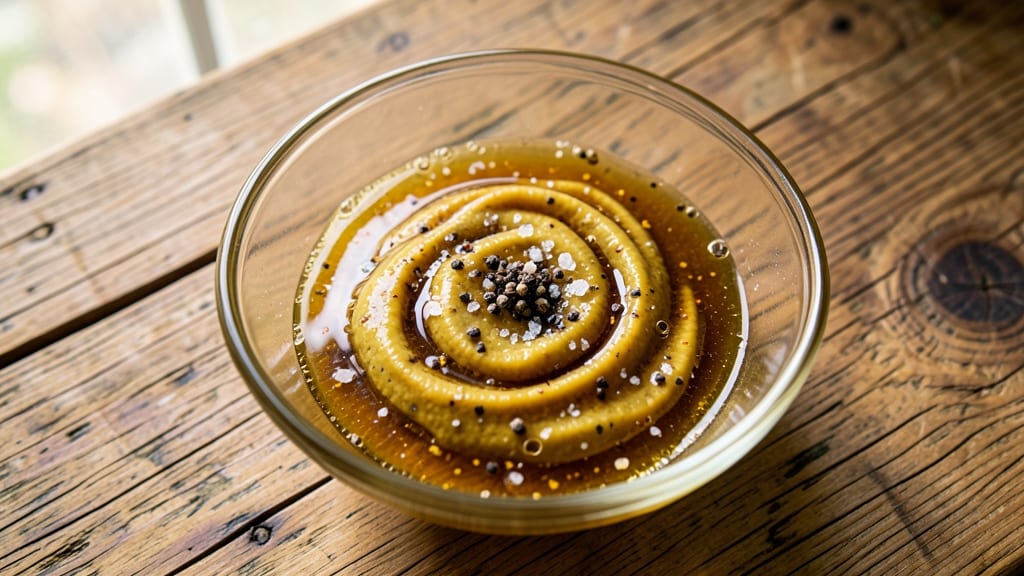
This French dressing recipe with apple cider vinegar delivers that signature tangy crunch without the grocery store shortcuts. I developed it during a particularly busy week when I needed a dressing that lasted longer than a weekend—perfect for meal prep and keeping on hand for fresh salads.
The apple cider vinegar adds depth that regular vinegar can't match, creating a bright, complex flavor that pairs beautifully with greens, roasted vegetables, or even as a marinade.
The secret to this dressing's longevity lies in the balance of oil, vinegar, and seasonings. With just 5 ingredients and 10 minutes of prep, you'll have a dressing that stays fresh for up to 2 weeks in the refrigerator.
The ratio of oil to vinegar creates an emulsification that prevents separation, while the Dijon mustard adds body and a subtle kick. I've tested this recipe countless times—it never fails to deliver that restaurant-quality tang at home.
What makes this recipe stand out is its versatility. Use it on crisp green salads, drizzle it over grilled chicken or fish, or even mix it into sandwich spreads for an extra zing.
The apple cider vinegar gives it a slightly sweet, complex flavor that elevates simple dishes. Unlike store-bought versions, this dressing tastes fresh every time, with no artificial aftertaste.
Once you try this homemade version, you'll never go back to the bottled stuff. The ingredients are simple, the method is straightforward, and the results are worth every minute. Let's get started on making your own batch—your taste buds (and leftovers) will thank you.
Ingredients for french dressing recipe with apple cider vinegar
Five simple ingredients transform into a dressing that beats store-bought every time.
| Ingredient | Amount | Notes |
|---|---|---|
| Extra-Virgin Olive Oil 🫒 | ¾ cup | High-quality, fruity variety |
| Apple Cider Vinegar 🍏 | ½ cup | Unfiltered, organic preferred |
| Dijon Mustard 🌶️ | 1 tbsp | Mild or hot, not prepared |
| Granulated Sugar 🍬 | 1 tbsp | White or raw cane sugar |
| Salt 🧂 | ½ tsp | Kosher or sea salt |
| Black Pepper 🌶️ | ¼ tsp | Freshly ground preferred |
| Garlic Cloves 🧄 | 1 clove | Minced, for depth of flavor |
| Dried Thyme 🌿 | ¼ tsp | Or 0.5 tsp fresh thyme |
The apple cider vinegar is the star here—Bragg or local orchard brands have the best flavor. I always grab the unfiltered kind from Whole Foods or Trader Joe's; it's worth the extra penny for that rich, complex taste. The olive oil? Kirkland or California avocado brands work perfectly—nothing too peppery or fruity. Fresh garlic and thyme make all the difference, so don't skip them if you've got them. For the mustard, Amoy or Maille are my go-tos, but any quality Dijon will do.
No apple cider vinegar? White wine vinegar or red wine vinegar works in a pinch, though it'll lack that sweet depth. Short on garlic? Garlic powder at half the amount gets you close. The sugar can be swapped for honey or maple syrup if you prefer a touch of sweetness. For a spicier kick, add a pinch of cayenne or red pepper flakes. And if you're making this ahead, shake it well before each use—the ingredients naturally separate over time, but it always comes back together.
This dressing keeps beautifully in a glass jar in the fridge for up to 2 weeks. I always make a double batch—one for salads, one for marinades. The mustard and vinegar combo prevents separation, so you won't get that sad, split dressing you sometimes find in store-bought bottles. If it does separate (which it won't), just give it a good shake. The flavors actually improve after a day or two as everything melds together.
Why You'll Love This Recipe
- Here’s what sold me: the apple cider vinegar cuts through the richness of the olive oil while the Dijon mustard adds depth, and just a pinch of sugar? Chef’s kiss. It’s bright, complex, and not too sweet—like a fancy bistro dressing without the pretension.
- Five-Ingredient Magic: I swear, this dressing comes together with just a whisk and a jar—no fancy gadgets, no stress. Toss in the olive oil, vinegar, mustard, sugar, and salt, give it a quick stir, and boom—ready to drizzle. That’s it. No waiting, no second-guessing.
- Tangy-Sweet Balance: Here’s what sold me: the apple cider vinegar cuts through the richness of the olive oil while the Dijon mustard adds depth, and just a pinch of sugar? Chef’s kiss. It’s bright, complex, and not too sweet—like a fancy bistro dressing without the pretension.
- Salad Game-Changer: Between us, this is my go-to for everything—crisp greens, grilled chicken, even roasted veggies. It’s the one dressing that makes even the simplest meal feel intentional. (Yes, even on a Tuesday night.)
Step-by-step instructions for homemade French dressing
Here's how to make this bright, tangy dressing that keeps its freshness longer than store-bought.
Whisk Together the Wet Ingredients
In a medium bowl, combine the 0.75 cup extra-virgin olive oil and 0.5 cup apple cider vinegar. This base creates the perfect balance of richness and acidity that defines French dressing. Use a whisk and stir vigorously for 30 seconds to begin emulsifying the ingredients. You'll notice the mixture immediately starts to blend smoothly—this is the foundation of your dressing.
Don't be tempted to skip this initial blending. The olive oil and vinegar need time to marry before adding the other ingredients. If you add everything at once, you might end up with a separated dressing later. I like to work in a bowl that's not too wide—this helps contain any potential spills from the vigorous whisking ahead.
Add Mustard, Sugar, and Seasonings
Next, stir in the 1 tablespoon Dijon mustard, 1 tablespoon granulated sugar, 0.5 teaspoon salt, and 0.25 teaspoon black pepper. The Dijon mustard acts as an emulsifier that helps bind the oil and vinegar together, while the sugar balances the acidity of the vinegar. Whisk everything together for another 1 minute until these dry ingredients are completely dissolved and the mixture looks uniform.
Here's a pro tip: I like to add the sugar gradually if I'm worried about the dressing becoming too sweet. Start with ½ teaspoon, taste it, then add the remaining ½ teaspoon if needed. The sugar should enhance the flavors without overpowering them. The mixture should now have a smooth, slightly thick consistency—like a fine vinaigrette.
Incorporate the Garlic and Thyme
Finely mince the 1 clove garlic and add it to the bowl along with the 0.25 teaspoon dried thyme. These aromatic ingredients add depth and complexity to the dressing. Use a small spoon to press the garlic into the mixture, ensuring it dissolves completely rather than sitting as chunks. Whisk for another 30 seconds to fully integrate these flavors.
The garlic should be minced very finely—almost to a paste—to prevent any graininess in the final dressing. If you're using fresh thyme, you can use 0.5 teaspoon instead, but make sure it's finely chopped. The thyme adds an earthy note that pairs beautifully with the bright apple cider vinegar. At this point, your dressing should smell vibrant and inviting—like a mix of garlic, herbs, and fresh vinegar.
Taste and Adjust the Balance
Taste the dressing and adjust the seasoning as needed. You might need a bit more salt, sugar, or even a splash of additional vinegar to achieve the perfect balance of tangy, sweet, and savory flavors. French dressing should be bright and zesty without being overly sharp. If it's too acidic, add a tiny bit more olive oil to mellow it out.
This is the moment where your dressing comes to life. I always taste it twice—once right after mixing and again after letting it sit for 5 minutes. Flavors often meld better after a short rest. If you're happy with the taste, your dressing is ready to use. If not, don't be afraid to make adjustments. The beauty of homemade dressing is that you can customize it to your exact preference.
Store Properly for Maximum Freshness
Transfer the dressing to a clean, airtight jar or container. This dressing will keep in the refrigerator for up to 2 weeks, making it perfect for meal prep. The acidity of the apple cider vinegar helps preserve the freshness longer than many other homemade dressings. When you're ready to use it, give the jar a good shake before pouring—this ensures all the ingredients are evenly distributed.
For even longer shelf life, you can store it in the freezer for up to 3 months. Simply thaw it in the refrigerator overnight before using. The texture might separate slightly after freezing, but a quick whisk will bring it back to perfection. This dressing is incredibly versatile—use it on salads, as a marinade, or even as a dip for crusty bread with some fresh herbs.
Pro Tips For Making French Dressing Recipe With Apple Cider Vinegar
- Whisk in Stages: Start by mixing the vinegar, mustard, and sugar first—this helps the sugar dissolve completely before you add the oil. Dumping everything in at once leaves you with a clumpy mess that won’t emulsify, no matter how much you whisk.
- Use Warm Vinegar: Heat the apple cider vinegar slightly (just enough to warm it, not boil) before mixing. Cold vinegar makes the oil separate faster, and you’ll end up with a dressing that splits within minutes—trust me, I’ve done it.
- Salt the Mustard: Taste the Dijon before adding it to the mix—it’s often unsalted or lightly salted. A pinch here saves you from over-salting the whole dressing later, especially if you’re using a sweeter vinegar.
- Thin with Water Last: If your dressing is too thick, add water after you’ve emulsified the oil and vinegar. Pouring water in first dilutes the mustard’s binding power, and you’ll be left with a dressing that won’t hold together. A teaspoon at a time is your friend.
Best sauces and condiments for french dressing recipe with apple cider vinegar
Classic Salad Pairings
This dressing shines on crisp greens like mixed baby lettuce or arugula, but I love it even more on heartier salads with roasted Brussels sprouts or shaved fennel. The apple cider vinegar's sweetness balances bitter greens perfectly.
For a Southern twist, toss it with collard greens and crispy fried chicken—Nana Mae used to call this her "Sunday supper dressing." 🥗
Meat Marinade Magic
Use this dressing as a marinade for chicken thighs or pork chops—the acid tenderizes while the thyme and garlic add incredible depth. I marinate 1.5 lbs chicken thighs for 4-6 hours before grilling, then finish with a sprinkle of smoked paprika.
The dressing caramelizes beautifully on the grill, creating a sticky, flavorful crust. For seafood, try it on shrimp skewers—just marinate for 30 minutes max to avoid overcooking. 🍗
Sandwich Spread Upgrade
Skip the mayo and use this dressing as a sandwich spread—it's perfect with turkey and avocado on ciabatta or roast beef on sourdough. The apple cider vinegar adds a bright contrast to rich meats.
I like to add thinly sliced radishes and watercress for extra crunch. For a Southern-inspired sandwich, layer it between fried green tomatoes and pepper jack cheese—trust me, it's a game-changer. 🥪
Dip for Crudités
Serve this dressing with carrot sticks, celery, and bell pepper strips for a refreshing appetizer. The sweetness of the apple cider vinegar pairs beautifully with the natural sugars in the vegetables.
I often make a double batch just for this purpose—it's perfect for game day or kids' snack time. For extra flair, sprinkle with toasted sesame seeds or crumbled feta cheese before serving. 🥕
Grilled Veggie Boost
Brush this dressing on eggplant slices or zucchini rounds before grilling for 2-3 minutes per side. The vinegar helps caramelize the vegetables while adding a tangy kick. I love serving it with grilled halloumi cheese and warm pita bread.
For a smoky twist, grill the veggies over mesquite or hickory chips—the char pairs perfectly with the dressing's brightness. 🔥
Storage Secrets
Store leftovers in a glass jar with an airtight lid in the fridge for up to 2 weeks. The apple cider vinegar acts as a natural preservative, keeping flavors fresh longer than traditional French dressings.
For longer storage, freeze in ice cube trays—just thaw and whisk before using. I always keep a jar in my fridge because it's so versatile—it's my go-to for everything from salads to sandwiches. 🧊
Nutrition facts
Frequently asked questions
Can I substitute apple cider vinegar with another type of vinegar?
Yes, but expect different flavor results. White wine vinegar or red wine vinegar work in a pinch, though they lack the apple cider's sweet depth. For a similar tang, try rice vinegar (add ½ teaspoon extra sugar to balance acidity). Avoid balsamic—it's too sweet and will overpower the dressing. The apple cider's natural sweetness is key to that classic French dressing balance!
Why does my homemade dressing separate after sitting?
Separation happens when oil and vinegar aren't properly emulsified. The Dijon mustard helps bind them, but vigorous whisking is key! Give it a good shake before using—if separation persists, add ½ teaspoon extra mustard or whisk in 1 teaspoon cornstarch mixed with water. For next time, whisk for 2 full minutes total to create a stable emulsion.
How can I make this dressing spicier?
Add ¼ teaspoon cayenne pepper or ½ teaspoon hot sauce for immediate heat. For smoky depth, stir in ½ teaspoon smoked paprika. Pro tip: Toast ½ teaspoon mustard seeds in a dry pan for 30 seconds before adding—they'll add nutty warmth. Always taste first, as vinegar can mute spice intensity slightly.
Can I use this dressing as a marinade?
It works beautifully for chicken, pork, or shrimp. For chicken, marinate 4-6 hours (no longer to prevent toughness). For seafood, use it for 30 minutes max to avoid overcooking. The acid tenderizes meat while the thyme and garlic infuse flavor. Just reduce salt by ¼ teaspoon if using for marinating—meats already contain sodium.
What's the best way to store leftover dressing?
Transfer to a clean glass jar with an airtight lid and refrigerate for up to 2 weeks. For longer storage, freeze in ice cube trays—thaw overnight in the fridge and whisk to recombine. The apple cider vinegar's acidity naturally preserves it longer than many dressings. Always shake well before using, as ingredients may separate slightly over time.