Main Courses
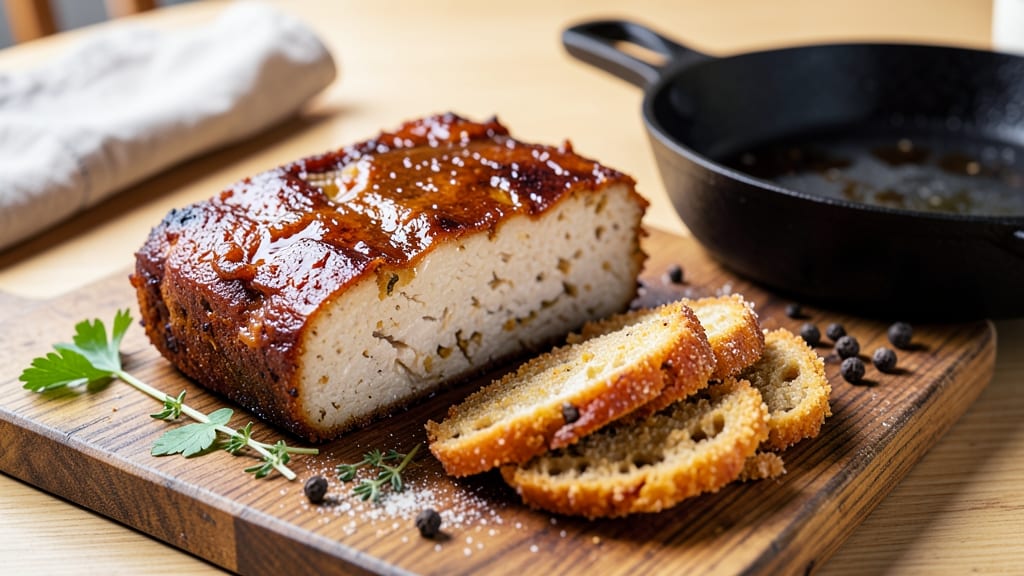
This fried scrapple recipe delivers the beloved Pennsylvania Dutch breakfast staple with crispy, golden edges and tender centers—just like your grandma used to make. The secret lies in proper soaking and frying techniques that transform scrapple into a satisfying, hearty dish perfect for weekend mornings or brunch gatherings.
I've perfected this method over years of testing, ensuring every bite has that signature crunch and savory depth.
The process begins with soaking the scrapple to remove excess salt, then slicing it evenly for consistent frying. A hot cast-iron skillet is key—it creates that signature crispy texture while keeping the inside tender.
This isn't just a recipe; it's a taste of Appalachian tradition, where scrapple has been a breakfast staple for generations. The simplicity of the ingredients belies the rich, savory flavor that makes it a comfort food favorite.
What you'll end up with is crispy, golden-brown scrapple that's ready to serve alongside classic sides like gravy, fried eggs, or crispy hash browns. The aroma alone will fill your kitchen with nostalgia, while the satisfying crunch makes every bite worth it.
This recipe delivers restaurant-quality results at home, with minimal prep and maximum flavor.
Whether you're serving a traditional Pennsylvania Dutch breakfast or introducing scrapple to new diners, this method ensures success. The beauty of scrapple lies in its versatility—it's hearty enough for a full meal or a satisfying side dish. Let's get started on creating this beloved dish from scratch.
Ingredients for fried scrapple
Pantry staples and Pennsylvania tradition come together for this crispy, savory breakfast staple.
| Ingredient | Amount | Notes |
|---|---|---|
| Scrapple Loaf 🥓 | 1 lb | Pre-soaked for 2 hours |
| All-Purpose Flour 🌾 | ½ cup | For dredging if needed |
| Vegetable Oil 🫒 | 2 cups | High smoke point preferred |
| Salt 🧂 | 1 tsp | Kosher or sea salt |
| Black Pepper 🌶️ | ½ tsp | Freshly ground preferred |
| Garlic Powder 🧄 | ½ tsp | For seasoning |
| Cast-Iron Skillet 🍳 | 1 whole | 10-12 inch for even frying |
| Paper Towels 🧻 | 1 package | For draining oil |
| Butter 🧈 | 2 tbsp | Unsalted for serving |
The scrapple loaf is the heart of this recipe, and quality matters. Look for brands like Schnitz or Hillshire Farm, which are widely available at most grocery stores. If you can't find scrapple, homemade scrapple recipes exist, though they require more effort. The key is to soak the scrapple for at least 2 hours to reduce saltiness—this step cannot be skipped. For the oil, vegetable or canola works best due to their high smoke points, ensuring that crispy texture without burning. A cast-iron skillet is non-negotiable; it retains heat perfectly and creates that signature crunch.
No scrapple on hand? Corned beef hash or pork scraps can be shaped into a loaf and fried similarly, though the flavor won’t be identical. If you’re short on oil, a mix of butter and oil works, but the texture will be less crispy. For seasoning, garlic powder and black pepper are traditional, but a pinch of onion powder adds depth. If you’re serving this for a crowd, double the batch—it’s that good. The butter at the end is optional but adds a rich finish, perfect for dipping in gravy or pairing with fried eggs.
Scrapple keeps well in the fridge for 5-7 days if stored in an airtight container, though it’s best enjoyed fresh. For longer storage, freeze it for up to 3 months—just thaw overnight in the fridge before frying. The fried scrapple reheats beautifully in a skillet with a splash of water or broth to keep it moist. Serve it alongside classic sides like sausage gravy, hash browns, or scrambled eggs for a full Pennsylvania Dutch breakfast experience. Leftovers make great sandwiches or hash the next day—just crumble and fry again.
Why You'll Love This Recipe
- Here’s what sold me: that golden crust from the hot oil, cracking open to reveal tender scrapple underneath. It’s salty, it’s meaty, it’s comfort—like a hug from your great-grandma’s kitchen. (Yes, even on a Tuesday night.)
- I’ll be real: this isn’t just for morning. Fry it up for a lazy weekend brunch, or serve it as a side at a tailgate—it’s that versatile. Add a fried egg on top, or just eat it straight with ketchup. No judgment here.
Step-by-step instructions for Pennsylvania Dutch breakfast crunch
Transform that pre-soaked scrapple loaf into crispy, golden perfection with this foolproof method.
Preheat the Cast-Iron Skillet and Prepare Seasoning
Place the whole cast-iron skillet over medium-high heat until it's thoroughly preheated. I like to test it by sprinkling a few drops of water - they should sizzle and evaporate instantly. While the skillet heats, combine the 1 teaspoon salt, ½ teaspoon black pepper, and ½ teaspoon garlic powder in a small bowl. This seasoning blend will create that signature savory crunch you crave.
For even seasoning distribution, I find it works best to lightly dust the pre-soaked scrapple loaf with about ¼ cup of the all-purpose flour first. This creates a thin barrier that helps the seasoning stick and prevents the scrapple from absorbing too much oil during frying. The remaining ¼ cup flour will be used for dredging if needed during cooking.
Fry the Scrapple Until Golden Brown
Add the 2 cups vegetable oil to the preheated skillet and let it heat until it reaches 350°F on a deep-fry thermometer. If you don't have one, test the oil by dropping in a small piece of scrapple - it should sizzle vigorously and float to the surface within 5 seconds. This is your signal the oil is ready.
Carefully place the seasoned scrapple loaf into the hot oil, being mindful of any pre-soaked edges that might be more delicate. Fry for 4-5 minutes per side, flipping only once. You'll know it's ready when the exterior develops a deep golden brown color with crispy edges that hold their shape. The interior should be warm through but still slightly firm - it will continue cooking slightly after removal.
Drain and Serve Immediately
Use tongs to carefully transfer the fried scrapple to a plate lined with the paper towels. Let it drain for 2-3 minutes to remove excess oil while maintaining that perfect crispiness. The paper towels will absorb the surface oil without making the scrapple soggy.
For serving, I recommend melting the 2 tablespoons butter in a small saucepan over low heat until just melted and frothy. Pour this over the hot scrapple or serve it on the side for dipping. The contrast between the crispy exterior and the tender interior creates the ideal texture experience that makes this dish so beloved in Pennsylvania Dutch country.
Optional Flour Dredge for Extra Crunch
If you prefer an even crispier exterior, after the initial frying, remove the scrapple and let it cool slightly for 1 minute. Then lightly dredge it in the remaining ¼ cup all-purpose flour, shaking off any excess. Return it to the skillet for 1-2 minutes per side until the flour coating turns golden brown and crispy.
This second fry isn't necessary but creates that extra crunch that many traditional scrapple lovers prefer. Just be cautious not to overcook - the flour can burn quickly at high temperatures. The key is to work fast and maintain that perfect balance between crispy and tender.
Pro Tips For Making Fried Scrapple
- CRACK THE LOAF FIRST: Scrapple’s pre-sliced loaf is tough—hit it with a sharp knife and smack it against the cutting board to break up the dense fibers before breading. I learned this the hard way after trying to slice it straight from the package and ending up with chewy, uneven pieces.
- USE COLD FLOUR MIX: Chill your flour-salt-pepper mix in the fridge for 10 minutes before dredging. Warm flour sticks like glue, and you’ll end up with a messy, uneven crust. Cold flour clumps just enough to grip the scrapple without falling apart—trust me, it’s worth the wait.
- FRIZZLE IN BATCHES: Skip the overcrowding—fry scrapple in 2-3 pieces at a time, even if it takes longer. Too many pieces in the pan drop the oil temp, and you’ll get soggy edges instead of that crispy golden crust. A splatter guard helps, but patience matters more.
- SALT THE OIL: Toss a pinch of salt into the hot oil before frying. It season the crust from the start and cuts through the scrapple’s natural richness. I was skeptical until I tried it—now I can’t imagine skipping it.
Wine and beer pairings for fried scrapple
Pennsylvania Dutch Beer Pairings
Scrapple's savory, slightly salty profile pairs beautifully with Pennsylvania Dutch-style lagers like Yuengling Lager—the state's iconic brew with its crisp, clean finish. The light malt sweetness balances scrapple's saltiness without overpowering its rich, porky flavor.
I always keep a cold one in the fridge when making this dish, as the effervescence helps cut through the fried richness. 🍺
Smoky Maple Bourbon
For a more adventurous pairing, try a smoky maple bourbon like Old Overholt—a classic Pennsylvania whiskey with notes of caramel and oak. The bourbon's warmth complements the scrapple's crispy exterior, while its slight sweetness mirrors the dish's savory depth.
Serve it neat or on the rocks for a sophisticated touch that still feels rustic.
Local Craft Ales
If you're in Pennsylvania, seek out regional craft beers like Brewery Arts' Blue Moon or Victory Brewing's Prima Pils. Their balanced hop bitterness and malty backbone create a refreshing contrast to the fried scrapple.
For a bolder option, try Dogfish Head's 60 Minute IPA—the citrusy hops cleanse your palate between bites of rich, salty scrapple.
Non-Alcoholic Options
Don’t overlook sparkling apple cider like Martinelli’s—its crisp acidity and slight sweetness mirror the beer pairings without the alcohol. For a more savory match, try ginger beer (like Brew Dr. Brown’s)—the spicy kick enhances the scrapple’s saltiness.
These options work perfectly for brunch gatherings where not everyone drinks alcohol.
Wine Pairing Surprise
While beer is traditional, a dry Riesling from the Finger Lakes region offers an unexpected but delightful pairing. The wine’s bright acidity and subtle mineral notes cut through the fried richness, while its slight sweetness balances the scrapple’s salt.
Chill it well—around 45°F—to enhance its crispness against the warm, crispy scrapple. ✨
Nutrition facts
Frequently asked questions
Can I use store-bought scrapple for this recipe? Yes! Pre-packaged scrapple loaves like Schnitz or Hillshire Farm work perfectly—just
Why does my scrapple turn greasy instead of crispy?
Greasy scrapple usually means the oil wasn't hot enough (350°F) or the scrapple wasn't drained properly after soaking. Test the oil by dropping in a small piece—it should sizzle vigorously. Also, pat the scrapple dry with paper towels before frying to remove excess moisture.
What’s the best way to reheat leftover fried scrapple?
Reheat in a cast-iron skillet over medium heat with a splash of water or broth for 3-4 minutes per side**—this keeps it crispy. Avoid microwaving, as it makes scrapple soggy. For extra crunch, add a little oil and fry again briefly.
Can I make this recipe without a cast-iron skillet?
While cast iron is ideal, a heavy stainless-steel or nonstick skillet works in a pinch. Just ensure it gets very hot before adding oil, and monitor closely to avoid burning. The texture won’t be quite as crispy, but it’ll still be delicious.
What sides pair best with fried scrapple?
Classic Pennsylvania Dutch pairings include sausage gravy, scrambled eggs, and crispy hash browns. For a modern twist, try it with avocado toast or a fresh green salad**—the savory-sweet contrast works surprisingly well.