
Sauces & Condiments
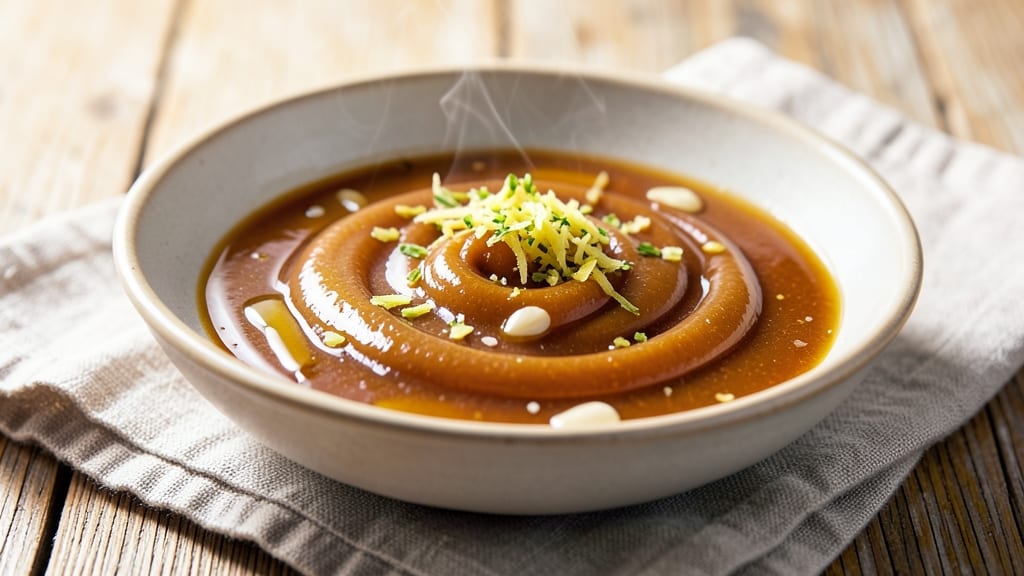
This gluten-free teriyaki sauce recipe with pineapple juice delivers the perfect balance of sweet, tangy, and umami flavors—ideal for glazing grilled meats or drizzling over stir-fries.
The pineapple juice adds a subtle brightness that cuts through the richness of traditional soy-based sauces, while a touch of honey and ginger ensures depth without gluten. I developed this recipe after realizing most store-bought teriyaki sauces contain hidden gluten, and it’s now my go-to for restaurant-quality results at home.
The beauty of this sauce lies in its simplicity: just five core ingredients combine to create a versatile, gluten-free base that’s rich enough for marinades but light enough for dipping.
Unlike thick, syrupy teriyaki pastes, this version remains smooth and pourable, making it perfect for brushing onto proteins or tossing with vegetables. The sauce also keeps well in the fridge for up to two weeks, so you can make a big batch and store it for quick weeknight meals.
What sets this recipe apart is the pineapple juice, which not only adds natural sweetness but also tenderizes proteins—great for grilled chicken or tofu. The ginger and garlic bring warmth, while a splash of rice vinegar ensures the sauce stays tangy without overpowering.
It’s the kind of condiment that transforms simple dishes into something special, and the best part? You won’t miss the gluten one bit. Whether you’re grilling kebabs, glazing salmon, or drizzling over rice bowls, this sauce delivers bold, restaurant-worthy flavor with none of the fuss.
The instructions are straightforward, and the ingredients are likely already in your pantry. Let’s make it—your taste buds will thank you.
Ingredients for gluten free teriyaki sauce recipe with pineapple juice
Five ingredients, bold flavors—this sauce transforms grilled dishes instantly.
| Ingredient | Amount | Notes |
|---|---|---|
| Pineapple Juice 🍍 | ½ cup | Freshly squeezed preferred |
| Gluten-Free Tamari 🍶 | ½ cup | Certified gluten-free soy sauce |
| Honey 🍯 | ¼ cup | Wildflower preferred for depth |
| Fresh Ginger 🧄 | 1 tbsp | Finely grated, fresh only |
| Garlic Cloves 🧄 | 3 cloves | Minced, fresh preferred |
| Rice Vinegar 🍶 | 1 ½ tbsp | Unseasoned, for tang |
| Sesame Oil 🫒 | 1 tsp | Toasted sesame preferred |
| Salt 🧂 | ½ tsp | Kosher or sea salt |
The tamari is non-negotiable here—Kikkoman gluten-free tamari is my go-to, but any certified gluten-free soy sauce works. Pineapple juice should be fresh, not canned—the brightness makes all the difference. Ginger and garlic? Freshly grated and minced (no powdered shortcuts). I always grab ginger from the Asian market where it’s vibrant and fresh. The honey should be real honey—none of that corn syrup stuff. For sesame oil, Kadoya toasted sesame oil adds that nutty depth you can’t get from regular sesame oil.
No tamari? Coconut aminos in a pinch, but it’ll taste different. Fresh ginger too strong? Substitute 1/2 tsp ground ginger, but you’ll lose some of that fresh zing. Running low on rice vinegar? Apple cider vinegar works, but add a pinch more salt to balance. The sauce is naturally gluten-free, but always double-check labels—some brands sneak in gluten. For extra umami, add 1 tsp fish sauce (if not vegan), or 1/2 tsp mushroom powder for a plant-based boost.
This sauce keeps for 2 weeks in the fridge, sealed tight. I make a double batch—one for grilling, one for drizzling. Freezes beautifully for 3 months if you want to prep ahead. The longer it sits, the better the flavors meld. Store it in a glass jar to avoid absorbing fridge odors. Thin with a splash of water if it gets too thick after refrigeration.
Why You'll Love This Recipe
- Pantry Magic: I swear by this recipe because it uses what’s already in my fridge. No specialty trips—just pineapple juice, tamari, and honey. Honestly, the ginger and garlic are the only things I might need to grab, but that’s it.
- Sweet-Savory Balance: That honey-pineapple tang cuts through the tamari’s saltiness in the best way. The ginger gives it a little bite, and the garlic? Oh, it’s there—like a warm hug for your taste buds.
- Double-Duty Sauce: This isn’t just for stir-fries. I’ve drizzled it on roasted chicken, tossed it with tofu, and even used it in a quick noodle bowl. Between us, it’s my secret for turning simple meals into something special.
- No-Waste Winner: A little goes a long way, and it keeps for weeks in the fridge. I make a big batch, freeze half, and boom—next time’s dinner is already sorted. Plus, the pineapple juice keeps it from getting too heavy.
Step-by-step instructions for gluten-free teriyaki sauce
This sauce delivers that perfect umami-sweet balance with a bright pineapple twist—ready in under 15 minutes!
Combine Wet Ingredients in a Saucepan
In a medium saucepan, pour in the 0.5 cup pineapple juice and 0.5 cup gluten-free tamari. Add the 0.25 cup honey and 1.5 tablespoons rice vinegar. Stir everything together until the honey dissolves completely—you should see a smooth, golden liquid forming.
Here's the thing—using freshly squeezed pineapple juice makes a noticeable difference. If you're using canned juice, make sure it's unsweetened to avoid throwing off the balance. Bring the mixture to a gentle simmer over medium heat, then reduce the heat to low to maintain a steady bubble without boiling over.
Add Aromatics and Simmer for Depth
Add the 1 tablespoon finely grated fresh ginger and 3 minced garlic cloves to the simmering mixture. Stir gently to distribute the aromatics evenly. Let everything cook together for 5-7 minutes, stirring occasionally. You'll notice the sauce thickening slightly and developing a fragrant aroma—this is where the magic happens.
Don't rush this step. The ginger and garlic need time to meld into the sauce. If you see the mixture reducing too quickly, you can cover the pan loosely with a lid to control the evaporation. The sauce should be thick enough to coat the back of a spoon but still flow freely—this is your target consistency.
Finish with Sesame Oil and Season
Remove the saucepan from heat and let it cool for 1-2 minutes. This brief resting period prevents the sesame oil from burning when you add it next. Stir in the 1 teaspoon toasted sesame oil and 0.5 teaspoon salt, mixing until fully incorporated. The sesame oil adds a nutty depth that ties everything together.
Taste the sauce and adjust the seasoning if needed. If it needs more sweetness, add a touch more honey. If it's too tangy, a splash of water or pineapple juice can balance it out. The sauce should be glossy, with a perfect harmony of sweet, salty, and slightly tangy flavors—this is your gluten-free teriyaki masterpiece!
Strain and Store for Maximum Freshness
For a silky-smooth texture, strain the sauce through a fine-mesh sieve to remove any ginger or garlic bits. This step is optional but gives you that restaurant-quality finish. Transfer the sauce to a clean jar or airtight container and let it cool completely before refrigerating.
This sauce keeps well in the fridge for up to 1 week or can be frozen for 3 months. The flavors actually deepen as it sits, making it perfect for marinating proteins or glazing grilled dishes. When you're ready to use it, simply reheat gently on the stove—no need to boil, just warm through to maintain that perfect consistency.
Pro Tips For Making Gluten Free Teriyaki Sauce Recipe With Pineapple Juice
- Simmer Slow and Steady: The pineapple juice will burn if you rush it—keep the heat at a gentle simmer, not a rolling boil. I’ve seen this sauce turn bitter in seconds when it’s too hot, and you’ll taste the difference if you don’t.
- Peel That Ginger Properly: Skip the knife and use a spoon to scoop out the ginger’s fibrous strings before grating—it makes the sauce smoother and saves you from chewing on surprises. Trust me, you’ll notice the texture difference immediately.
- Balance the Sweetness Early: Taste as you go, especially with the honey and pineapple juice. If it’s too cloying, add a splash of tamari or a squeeze of lime later—adjusting now means less guesswork later.
- Toast the Garlic First: Lightly fry the minced garlic in a dry pan for 30 seconds until fragrant before adding it to the sauce—it deepens the flavor without overpowering the bright, tangy notes. (Yes, even if you’re impatient like me.)
Serving suggestions for this gluten free teriyaki sauce recipe with pineapple juice
Glazing Grilled Proteins
This teriyaki sauce is a game-changer for grilling—brush it over chicken thighs or salmon fillets in the last 5 minutes of cooking for a caramelized glaze. I love using it on pork chops or shrimp skewers too.
For extra tenderness, marinate proteins in the sauce for 30-60 minutes before grilling. The pineapple juice helps break down fibers, making meats juicier. 🔥
For tofu or tempeh, toss cubes in the sauce and pan-fry until golden. The sauce clings beautifully, creating a sticky, flavorful crust. If grilling veggies like bell peppers or zucchini, drizzle the sauce on after cooking for a sweet-savory finish.
The sauce’s balance of sweet and tang works perfectly with smoky grill flavors.
Dipping Sauce Perfection
Serve this sauce as a dipping sauce for spring rolls, edamame, or grilled dumplings. The pineapple brightness cuts through fried foods beautifully. I often double the batch so I always have some on hand for takeout nights.
For extra flair, sprinkle toasted sesame seeds or chopped scallions on top right before serving. 🌟
Pair it with rice noodles or rice paper rolls for a Vietnamese-inspired dish. The sauce’s versatility makes it ideal for pho bowls or summer rolls. If you’re serving it as a dip, chill it slightly first—the cooler temperature enhances the flavors when paired with warm foods.
Rice Bowl Elevator
Drizzle this sauce over steamed jasmine rice or cauliflower rice for an instant upgrade. The pineapple adds a tropical twist that works surprisingly well with classic Asian flavors.
I like to top it with quick-pickled cucumbers and soft-boiled eggs for a complete bowl. The sauce’s glossy texture makes every bite feel special. ✨
For a deconstructed bowl, arrange rice, protein, and veggies separately and let guests drizzle the sauce themselves. This works great for meal prep—store components separately and assemble when ready. The sauce’s shelf life means you can prep ahead without worrying about spoilage.
Breakfast Twist
Use this sauce as a glaze for breakfast burritos or pancakes. The sweet and tangy flavors complement scrambled eggs or bacon beautifully. I’ve even used it as a dipping sauce for French toast—trust me, it’s a crowd-pleaser.
The pineapple adds a fun, unexpected flavor that brightens morning meals. 🍳
For savory waffles, brush the sauce on before baking and finish with a sprinkle of crushed peanuts. The heat from the waffle iron enhances the sauce’s caramelized notes. It’s a breakfast game-changer that’ll have everyone asking for seconds.
Nutrition facts
Frequently asked questions
Can I use coconut aminos instead of gluten-free tamari?
The answer is yes, but expect a slightly different flavor profile. Coconut aminos will give your sauce a more subtle sweetness and a hint of coconut notes. Use a 1:1 ratio and add an extra ½ teaspoon of salt to compensate for the lower sodium content. For best results, pair it with toasted coconut flakes as a garnish to enhance the tropical vibe.
How do I adjust the sweetness level for kids or sensitive palates?
Reduce the honey to 2 tablespoons and add 1 tablespoon of maple syrup for a milder sweetness. For extra tang, increase the rice vinegar to 2 tablespoons. Always taste as you go—this sauce is highly customizable! The pineapple juice already provides natural sweetness, so you won't need to compromise on flavor.
Will this sauce work for baking or roasting?
Use it as a glaze for roasted chicken or pork tenderloin by brushing on in the last 15-20 minutes of cooking. For baking, reduce the sauce by simmering it uncovered for 5 minutes to thicken it further. The pineapple adds moisture that prevents drying, making it perfect for baked dishes. Just avoid boiling to maintain the sauce's glossy texture.
Can I make this sauce spicier? Yes! Add ½ teaspoon of red pepper flakes or 1 teaspoon of sriracha at the end for heat. For a smoky kick, stir in ½ teaspoon of smoked paprika with the sesame oil.
How do I fix a sauce that's too thick after refrigeration?
Simply thin it with 1-2 tablespoons of warm water or pineapple juice while stirring. If the sauce separates, gently reheat it over low heat while whisking continuously until smooth. The sauce should return to its original pourable consistency. For future batches, reduce the honey slightly or simmer uncovered for 1-2 minutes longer to control thickness.