
Sauces & Condiments
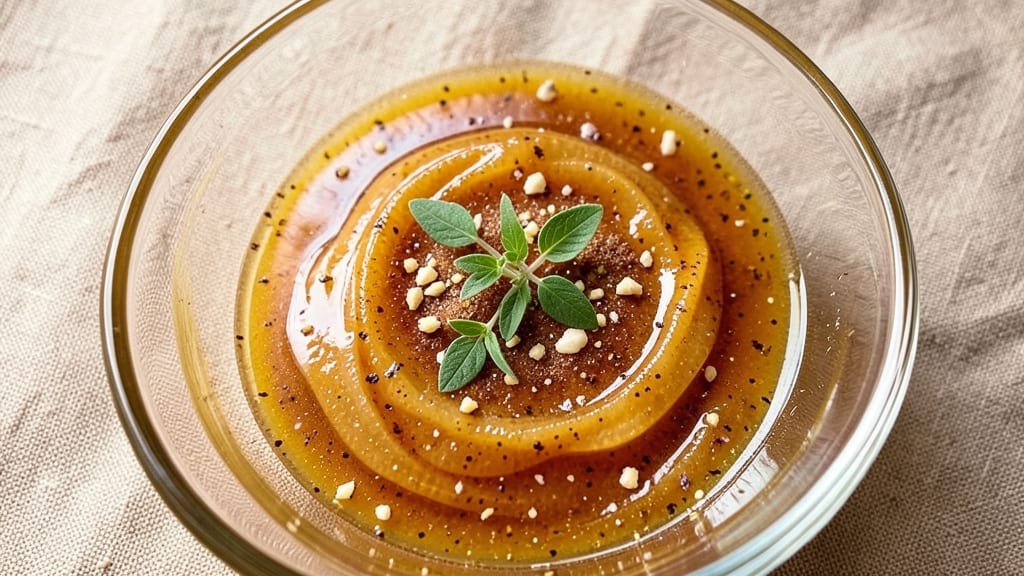
This honey mustard apple cider vinaigrette recipe delivers the perfect balance of sweet, tangy, and rich flavors that elevate any dish.
The secret lies in combining honey's smooth sweetness with sharp apple cider vinegar and a touch of mustard, creating a dressing that's versatile enough for salads, marinades, or dipping sauces.
I developed this recipe after years of testing different ratios, and it never fails to impress with its bright, complex profile.
The foundation of this vinaigrette is precise measurements—just 2 tablespoons of Dijon mustard, 3 tablespoons of honey, and 3 tablespoons of apple cider vinegar—all emulsified with ½ cup of high-quality olive oil. This ratio ensures a dressing that's creamy yet light, with enough tang to cut through rich ingredients.
The beauty of this recipe is its adaptability; you can adjust the sweetness or acidity to suit your taste by simply adding more honey or vinegar.
What makes this vinaigrette truly special is its ability to transform simple dishes into something extraordinary. Drizzle it over crisp greens for a bright, flavorful salad, use it as a marinade for grilled chicken or pork, or serve it as a dipping sauce for fresh vegetables or crusty bread.
The combination of honey and mustard adds depth, while the apple cider vinegar keeps the flavors fresh and vibrant.
The best part? This vinaigrette stays fresh in the refrigerator for up to 1 week, making it a perfect make-ahead option for meal prep.
Whether you're dressing up a weeknight salad or adding a zesty kick to your favorite protein, this recipe is your go-to for a dressing that's both simple and sophisticated.
Ingredients for honey mustard apple cider vinaigrette
Eight ingredients, one perfect balance of sweet, tangy, and rich flavors for your next dish.
| Ingredient | Amount | Notes |
|---|---|---|
| Extra-Virgin Olive Oil 🫒 | ½ cup | High-quality, fruity variety preferred |
| Honey 🍯 | 3 tbsp | Raw or wildflower preferred |
| Dijon Mustard 🌶️ | 2 tbsp | Smooth, not grainy |
| Apple Cider Vinegar 🍏 | 3 tbsp | Raw, unfiltered preferred |
| Granulated Garlic 🧄 | 1 tsp | For subtle garlic flavor |
| Dried Mustard Powder 🌶️ | ½ tsp | Enhances mustard depth |
| Sea Salt 🧂 | ½ tsp | Fine grain preferred |
| Freshly Ground Black Pepper 🌶️ | ¼ tsp | For subtle heat |
| Fresh Lemon Juice 🍋 | 1 tbsp | Brightens overall flavor |
The olive oil is your base—Trader Joe's or Whole Foods carry the best fruity varieties that won’t overpower the other flavors. Raw honey makes all the difference here; skip the processed kind (it’s like comparing apples to applesauce). For the apple cider vinegar, grab the unfiltered kind—it’s got more depth and sediment that adds texture. Garlic powder is a must for that subtle punch, but if you’re feeling fancy, minced fresh garlic works too (just add it at the end). The Dijon mustard should be smooth—none of that grainy stuff that’ll clump in your dressing.
No Dijon? Whole-grain mustard thinned with water works in a pinch, but you’ll lose some texture. Maple syrup can replace honey if you’re avoiding it (use the same amount). Balsamic vinegar swaps apple cider in a bind, though it’ll be slightly sweeter. Fresh lemon juice is key for brightness—bottled won’t cut it here. If you’re making a big batch, double the recipe but store it in a sealed jar with a thin layer of olive oil on top to preserve freshness. Pro tip: Toast your mustard powder in a dry pan for 30 seconds before mixing—it deepens the flavor instantly.
This vinaigrette keeps for up to 1 week in the fridge, sealed tightly in a jar. Shake well before each use—it’ll separate slightly. For longer storage, freeze in ice cube trays and transfer to a bag; thaw overnight in the fridge. Best used on: crisp salads, grilled chicken, roasted veggies, or as a marinade for pork. The flavors actually improve after sitting for a few hours, so make it ahead if you can. Trust me, the first time you drizzle this over warm, buttery greens, you’ll be hooked.
Why You'll Love This Recipe
- Five-Ingredient Magic: I swear, this is the kind of dressing where you measure, whisk, and boom—it’s ready. No peeling, no chopping, no stress. Just olive oil, honey, mustard, vinegar, and a pinch of garlic. That’s it. Honestly, I’ve made it while waiting for my salad greens to come out of the fridge.
- Sweet-Savory Balance: The honey and apple cider vinegar team up like old friends—bright, tangy, and just sweet enough to make your taste buds do a little happy dance. The Dijon mustard adds that sharp kick, while the garlic keeps it from being too cloying. It’s the kind of flavor that sticks with you, even after the last bite.
- Salad’s Best Sidekick: This stuff works on everything—crunchy kale salads, grilled chicken, even as a dip for roasted sweet potatoes. I’ve used it for weeknight dinners, potlucks, and even as a marinade for pork chops. Between us, it’s my go-to for when I’m lazy but still want something that tastes fancy.
- No-Waste Wonder: A little goes a long way, so you’ll have leftovers for days. Store it in the fridge, and it’ll keep for weeks—perfect for when you’re prepping meals ahead. Plus, it’s cheap to make; you’re not buying fancy bottles of dressing. Just mix, store, and save. My wallet thanks me every time.
Step-by-step instructions for honey mustard apple cider vinaigrette
This tangy-sweet dressing comes together in minutes with simple ingredients you likely already have.
Whisk Together the Base Ingredients
In a medium bowl, combine the 3 tablespoons honey, 2 tablespoons Dijon mustard, and 1 teaspoon granulated garlic. Use a whisk to blend these ingredients until completely smooth—no lumps allowed. The honey should start to glisten slightly as it emulsifies with the mustard, creating a thick, golden paste. This is your flavor foundation, so take your time here to ensure everything mixes evenly.
I like to press the granulated garlic directly into the mixture rather than pre-dissolving it in water. This prevents any graininess and lets the subtle garlic flavor infuse directly into the honey and mustard. The mixture should be thick enough to coat the back of a spoon but still pourable—this consistency ensures your dressing will cling beautifully to salads and vegetables.
Gradually Incorporate the Vinegar and Lemon
Slowly drizzle in the 3 tablespoons apple cider vinegar while whisking continuously. The vinegar will thin the mixture slightly, but don't worry—we'll adjust the texture in the next step. Add the 1 tablespoon fresh lemon juice next, whisking after each addition. You'll notice the color brighten and the scent become more complex as the acidity cuts through the sweetness.
Here's where the magic happens: the apple cider vinegar adds that signature tangy depth, while the lemon juice lifts the whole dressing. Taste the mixture now—it should be noticeably sweet and sharp, but still balanced. If it tastes too sweet, you can add a tiny bit more vinegar later. If it's too sharp, a touch of honey will help. This is your chance to adjust before adding the oil.
Emulsify with Olive Oil for Creamy Texture
With the whisk moving steadily, very slowly pour in the ½ cup extra-virgin olive oil. This is the most critical step—adding the oil too quickly will cause the dressing to break. Start with just a few drops, whisking vigorously until the oil is fully incorporated before adding more. You're looking for a smooth, velvety texture that coats the whisk completely.
If the dressing starts to separate, simply whisk harder for another 10-15 seconds. The key is patience here. Once all the oil is incorporated, the dressing should be thick enough to coat the back of a spoon but still flow easily. The olive oil not only adds richness but also helps the dressing cling to greens and other vegetables. Give it one final taste—it should now have that perfect balance of sweet, tangy, and slightly garlicky notes.
Season and Adjust to Perfection
Sprinkle in the ½ teaspoon dried mustard powder, ½ teaspoon sea salt, and ¼ teaspoon freshly ground black pepper. Whisk these in thoroughly—this is what ties all the flavors together. The mustard powder adds another layer of depth, the salt enhances all the flavors, and the pepper provides a subtle kick. Taste again and make any final adjustments: a pinch more salt if needed, or a drizzle of honey or vinegar to fine-tune the balance.
This dressing should keep well in the refrigerator for up to 5 days, though it's best used within 3 days for maximum freshness. If it thickens in the fridge, simply whisk in a teaspoon or two of water or warm water to restore the desired consistency. The flavors will continue to meld and develop, making it even more delicious over time.
Pro Tips For Making Honey Mustard Apple Cider Vinaigrette
- Whisk in stages: Start by mixing the honey, Dijon, vinegar, and garlic—then slowly drizzle in the olive oil while whisking like you’re stirring paint. Stopping midway to taste? Good. The emulsion needs time to bond, and rushing it makes the dressing split faster than a bad joke at a family dinner.
- Warm the honey first: Dump the honey into a small bowl and microwave it for 10 seconds—just enough to soften it. Cold honey thickens the dressing like molasses in January, and no one wants a gloppy vinaigrette. (Yes, even if you’re impatient like me.)
- Measure vinegar precisely: Skip eyeballing the apple cider vinegar—use a scale or measuring spoon for the exact amount called for. Too much, and the dressing tastes harsh; too little, and it’s bland. I learned this the hard way after making a batch that tasted like someone drowned a salad in vinegar.
- Add salt last: Hold off on the salt until you’ve tasted the full mix—after the oil’s emulsified and everything’s settled. The honey and mustard can trick your palate, and you’ll either undersalt or overcorrect. A pinch at the end guarantees balance without guessing.
Common mistakes when making this recipe
Over-Whisking the Oil
I’ve seen many people whisk the olive oil in too aggressively, thinking more motion equals better results. But this can actually cause the dressing to break—tiny oil droplets will separate instead of emulsifying smoothly. Instead, add the oil drop by drop while whisking gently but steadily.
Think "slow and steady wins the race." If you rush, you’ll end up with a greasy mess rather than a silky vinaigrette. 💫
Skipping the Gradual Oil Addition
Pouring all the olive oil in at once is a common rookie mistake. The dressing will immediately separate because there’s too much fat for the emulsifiers (honey, mustard) to handle. Always add oil slowly—start with just 1 tablespoon, whisk until combined, then add another.
This gradual approach ensures the honey and mustard have time to bind with each oil increment. Patience here makes all the difference!
Using Low-Quality Ingredients
Cheap honey, store-bought mustard with additives, or refined olive oil will ruin your vinaigrette. The honey should be raw or wildflower, the mustard 100% Dijon (no fillers), and the oil extra-virgin with a fruity aroma.
I’ve tested this recipe with Whole Foods’ 365 brand olive oil and Trader Joe’s raw honey, and the results are consistently better than with generic brands. Your taste buds will notice the difference immediately.
Ignoring the Emulsification Test
Before adding all the oil, do a quick emulsification test: whisk 1 tablespoon oil into your honey-mustard-vinegar mixture. If it blends smoothly and the mixture thickens slightly, you’re ready for the full batch.
If it separates, your mixture isn’t stable enough—add ½ teaspoon more Dijon mustard or 1 teaspoon honey to strengthen the emulsifiers. This small step saves you from a greasy dressing disaster. 🔥
Not Tasting at Critical Stages
Many people skip tasting until the very end, but this is where flavor balance happens. Taste after mixing honey/mustard, after adding vinegar, and before adding oil. This lets you adjust sweetness or acidity early.
For example, if the vinegar taste dominates, add ½ teaspoon more honey. If it’s too sweet, a splash of vinegar fixes it. Trust your palate—it’s the best tool you have!
Storing Improperly After Mixing
Leaving your vinaigrette in a loosely sealed jar or at room temperature for too long will cause it to separate and grow bacteria. Always store it in an airtight container in the fridge within 2 hours of making it. The oil will rise to the top—just shake vigorously before use.
For longer storage (up to 1 week), press plastic wrap directly onto the surface to minimize air exposure. This keeps it fresh and ready for your next salad. ✨
Nutrition facts
Frequently asked questions
Can I make this vinaigrette without Dijon mustard?
Yes, but the texture will differ slightly. Use 2 tablespoons whole-grain mustard thinned with 1 teaspoon water to mimic Dijon's smoothness. For extra depth, add ¼ teaspoon mustard powder directly to the mixture. The flavor will be slightly grainier but still delicious—just whisk vigorously to blend it in completely.
How can I adjust the sweetness or tanginess to my taste?
Start with the recipe as written, then adjust in ¼ teaspoon increments. For more sweetness, add honey; for more tang, add apple cider vinegar. Taste after each addition—this dressing is highly customizable! A great starting point: if it's too sweet, add ½ teaspoon vinegar; if too sharp, add ½ teaspoon honey. The magic ratio is usually 1:1 for sweetness/tang adjustments.
Will this vinaigrette work as a marinade for meats?
This dressing makes an excellent marinade for chicken, pork, or fish. Use it as-is for 1-2 hours (poultry) or 30-60 minutes (fish) to avoid over-tenderizing. For extra tenderness, add 1 tablespoon olive oil to the marinade. Always marinate in the fridge and discard used marinade—never reuse it for cooking. The honey and vinegar combo creates a beautiful caramelized crust when grilled.
Why did my vinaigrette separate after refrigerating?
This is completely normal! The oil naturally rises to the top when cold. Before using, simply shake or whisk vigorously to re-emulsify. For future batches, store it in a small, wide-mouth jar (like a mason jar) to minimize separation. If it still separates after shaking, add ½ teaspoon Dijon mustard or 1 teaspoon honey to strengthen the emulsion. The dressing is still safe to use—just give it a good mix!
Can I add fresh herbs to this vinaigrette?
Yes, but add them at the very end to preserve their freshness. Great options include 1 tablespoon chopped fresh dill, 1 tablespoon chopped parsley, or ½ teaspoon chopped chives. For stronger flavors, let the herbs infuse for 10 minutes before using. If adding herbs, reduce the olive oil by 1 teaspoon to maintain balance. The herbs will wilt slightly in the fridge, so add them just before serving for the best texture.