
Sauces & Condiments
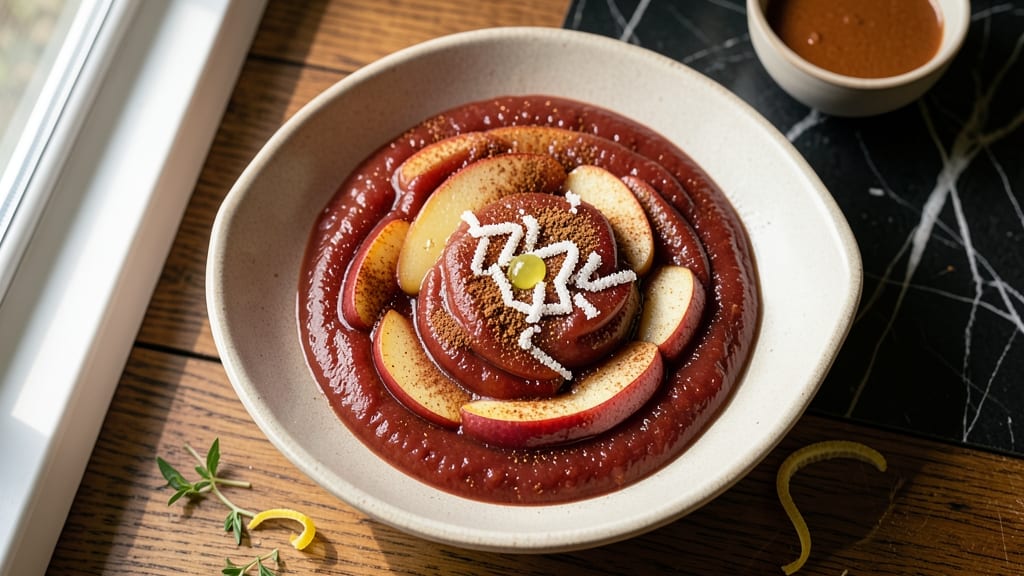
Martha Stewart’s apple sauce recipe transforms simple apples into a spiced, velvety condiment that elevates everything from pork chops to pancakes. This isn’t your childhood canned version—it’s homemade, chunky, and aromatic, with warm cinnamon and just enough sweetness to balance natural tartness.
The secret lies in simmering peeled apples until tender, then blending them into a textured sauce that’s smooth enough to drizzle but rustic enough to feel special.
What sets this recipe apart is Martha’s signature attention to detail: no added pectin, just the natural thickness of simmered fruit, and a touch of lemon juice to brighten the flavor.
The process is straightforward—peel, core, and simmer apples with spices until they break down into a fragrant, jam-like consistency, then blend to your preferred texture. It’s the kind of sauce that makes you feel like you’re hosting a holiday meal, even on a weeknight.
By the time you’re done, you’ll have a versatile, pantry-friendly sauce that keeps for weeks in the refrigerator. Use it as a topping for roasted meats, a spread for toast, or a sweetener in oatmeal.
The spices linger beautifully, turning an ordinary dish into something comforting and refined. This is the apple sauce Martha would serve—simple, but never basic.
The best part? It comes together in just 15 minutes of active time, with minimal cleanup. No fancy equipment or complicated techniques—just fresh apples, a few pantry staples, and a little patience.
Whether you’re prepping for a holiday feast or craving a taste of autumn, this recipe delivers restaurant-quality results with a homemade touch.
Ingredients for martha stewart apple sauce
Fresh apples, warm spices, and a touch of lemon—this is Martha's secret to velvety homemade apple sauce.
| Ingredient | Amount | Notes |
|---|---|---|
| Apples (Mixed Varieties) 🍎 | 4 lb | Use firm, sweet-tart apples like Honeycrisp, Fuji, or Granny Smith |
| Granulated White Sugar 🍚 | 1 cup | Adjust based on apple sweetness |
| Ground Cinnamon 🌿 | 1 tbsp | Freshly ground for maximum aroma |
| Ground Nutmeg 🌿 | ½ tsp | Freshly grated nutmeg preferred |
| Fresh Lemon Juice 🍋 | 2 tbsp | Brightens flavor and prevents browning |
| Vanilla Extract 🥛 | ½ tsp | Pure vanilla for authentic flavor |
| Unsalted Butter 🧈 | 2 tbsp | Adds richness and smooth texture |
| Water 💧 | ½ cup | Helps thin sauce if needed |
The apples are the star, so pick a mix of sweet and tart varieties—Honeycrisp for sweetness, Granny Smith for brightness. Trader Joe's or Whole Foods often carry perfect apples year-round, but local farmers markets in fall have the best selection. Avoid apples with bruises or soft spots—they won't hold up during cooking. A good rule of thumb: the apples should feel firm but yield slightly when pressed. For a truly Martha-approved texture, leave some chunks in the sauce—this is about rustic perfection, not smooth perfection.
No cinnamon? Pumpkin pie spice works in a pinch, but it'll lack that pure cinnamon warmth. Short on nutmeg? Allspice at half the amount gives a similar depth. The lemon juice is non-negotiable—it brightens the whole sauce and prevents that flat, canned-apple taste. For a dairy-free version, swap the butter for coconut oil or vegan butter. If your apples are particularly tart, you can reduce the sugar to 3/4 cup—just taste as you go. And if you're feeling fancy, add a pinch of cardamom or clove for a sophisticated twist.
This sauce keeps beautifully—1 week in the fridge or 6 months in the freezer. For freezing, portion into ice cube trays before transferring to bags—perfect for using just what you need. The texture actually improves after a few days as the flavors meld. Store it in a glass jar with a tight lid to preserve that fresh-made taste. And don't be afraid to make a big batch—it's the kind of sauce that disappears faster than you think, especially when holiday baking season rolls around.
Why You'll Love This Recipe
- No Peel, No Stress: I swear by this trick—just core and chop the apples, skin and all. The texture stays tender, and honestly? The subtle bitterness from the skin actually deepens that warm cinnamon-nutmeg flavor. (Yes, even my picky husband doesn’t complain.)
- Spice Magic in Minutes: That pinch of nutmeg and cinnamon? It’s not just seasoning—it’s transformation. The sugar caramelizes just enough to balance the tartness of the apples and lemon, leaving you with something dangerously addictive. (Pro tip: Taste as you go; you’ll want to adjust.)
- Pantry Staple Power: Between us, this recipe uses ingredients you already own. No specialty items, no last-minute grocery runs—just apples, sugar, and spices you’ve got sitting there. That lemon juice? The secret weapon that keeps it bright, not cloying.
- Leftovers That Work: Make a double batch and thank me later. This sauce keeps for weeks in the fridge, pairs perfectly with toast or oatmeal, and even freezes beautifully. My kids ask for it daily—proof it’s a reliable, no-fuss staple.
Step-by-step instructions for Martha Stewart's apple sauce
Here's how to create Martha's signature spiced apple sauce with perfect chunkiness and balanced sweetness.
🍳 Step 1: Core and Chop the Apples
Start by peeling, coring, and quartering the 4 lb apples (mixed varieties). I like to work with a sharp chef's knife for this—it gives you clean cuts and prevents slipping. Cut each quarter into roughly ½-inch chunks for that classic homemade texture. You want a mix of sizes: some smaller pieces for smoothness and larger chunks for that satisfying bite.
As you chop, keep an eye out for any hard or bruised spots—these can make the sauce bitter. Discard them immediately. The goal is uniform pieces that'll soften evenly while maintaining some texture. Spread the chopped apples in a large bowl and set aside until ready to cook.
🔥 Step 2: Cook Apples Until Tender
In a large, heavy-bottomed pot, combine the chopped apples with the ½ cup water. Bring to a simmer over medium-high heat, then reduce to medium-low heat once bubbling. Cover with a tight-fitting lid and cook for 8-10 minutes, stirring occasionally. You're looking for apples that're soft when pierced with a fork but still hold their shape—this ensures that chunky texture Martha's known for.
Here's the thing—don't walk away. Check the apples every few minutes after the initial 8 minutes. If they're browning too quickly, add a splash of water (1-2 tablespoons) to keep them moist. The sauce should develop a beautiful golden hue as it cooks, but we're not going for caramelized apples here—just tender, flavorful fruit.
👨🍳 Step 3: Add Sweetness and Spices
Once the apples are tender, stir in the 1 cup granulated white sugar, 1 tbsp ground cinnamon, and ½ tsp ground nutmeg. Give it a good mix to distribute the spices evenly. The sugar will dissolve quickly, so don't worry about stirring it in completely—just get it incorporated. Let the mixture simmer uncovered for 3-4 minutes to allow the spices to bloom and the flavors to meld together.
Pro tip: If you're using particularly sweet apples, you might want to reduce the sugar slightly—start with ¾ cup and adjust to taste at the end. The spices should be evenly distributed throughout, with no clumps of cinnamon or nutmeg. You'll smell that warm, comforting spice aroma filling your kitchen—this is where the magic happens.
🍳 Step 4: Finish with Acid and Vanilla
Remove the pot from heat and stir in the 2 tbsp fresh lemon juice and ½ tsp vanilla extract. The lemon juice brightens all the flavors and prevents the sauce from tasting too heavy, while the vanilla adds that subtle depth that makes homemade apple sauce truly special. Give it one final stir to combine everything smoothly.
Let the sauce sit off heat for 5 minutes—this resting period allows the flavors to fully develop. Taste it now and adjust the sweetness if needed. If it's too thick, you can stir in a little more water (1-2 tablespoons) to reach your preferred consistency. The sauce should coat the back of a spoon but still be spoonable.
🥘 Step 5: Add Butter and Serve
Return the sauce to low heat and stir in the 2 tbsp unsalted butter, letting it melt completely. The butter adds richness and helps create that silky texture that makes this apple sauce truly luxurious. Once fully incorporated, give it one final taste—adjust sweetness or spice if needed, then transfer to serving bowls.
Serve warm with roasted chicken, pork chops, or even as a topping for pancakes. The sauce should be fragrant with warm cinnamon and nutmeg, sweet but not cloying, and just the right balance of smooth and chunky. This is the kind of apple sauce that makes you want to make it again and again—simple ingredients, but a result that feels truly special.
Pro Tips For Making Martha Stewart Apple Sauce
- PEEL THE APPLES: Martha’s recipe calls for peeled apples, and skipping this step changes the texture—you’ll end up with a grittier, less refined sauce. Use a vegetable peeler or paring knife to remove the skin before cutting, and don’t rush it. The skin’s bitterness sneaks in, and you’ll taste it in every spoonful.
- SIMMER LOW AND SLOW: After the initial cook, drop the heat to a gentle simmer—think tiny bubbles, not a rolling boil. I learned this the hard way when I burned the first batch because I kept the heat too high. Low and slow keeps the apples tender and lets the flavors meld without turning to mush.
- MEASURE THE SUGAR FIRST: Taste the cooked apples before adding sugar—you might not need all of it. Start with half the recipe’s sugar, let it cool slightly, then adjust. Over-sweetening is easy, and you’ll regret it later. A splash of lemon juice afterward balances the flavor if needed.
- USE A MIXED APPLE BLEND: Tart and sweet apples work best together—think Granny Smith with Honeycrisp or Fuji. The acidity in tart apples brightens the sauce, while sweeter varieties mellow the sharpness. Skip all tart or all sweet, and you’ll end up with either a mouth-puckering or cloyingly sweet result.
Regional styles of these flavors
New England Style
In New England, apple sauce often features tart Granny Smith apples as the star, balanced with just a touch of brown sugar instead of white. I like to add ½ tsp cardamom for a sophisticated twist that pairs beautifully with holiday roasts.
The texture here leans slightly smoother, with apples cooked until they break down completely—almost like a thick compote. Serve it warm with roasted pork tenderloin or cornbread for a classic New England spread. 🍎
Southern Comfort
Southern apple sauce takes inspiration from their love of sweet, spiced flavors. Here, I swap the nutmeg for ½ tsp clove and add ¼ tsp ginger to give it a warm, almost gingerbread-like quality.
The sauce is often made with McIntosh apples and a generous ½ cup brown sugar, creating a deeper, caramelized flavor. This version shines as a topping for fried chicken or biscuits, where the extra sweetness complements the richness. 🌶️
Midwest Homestyle
The Midwest approach is all about hearty, rustic flavors. I use a mix of Honeycrisp and Rome apples for that perfect balance of sweet and tart, with a pinch of black pepper added at the end for a subtle kick.
This sauce is often thicker, almost jam-like, and perfect for apple butter or as a filling for apple pies. The spices here are classic—just 1 tsp cinnamon and ¼ tsp allspice—but the texture is what makes it special. 🥧
Pacific Northwest Twist
Out West, apple sauce gets a lighter, brighter touch. I incorporate organic apples like Fuji or Pink Lady, along with 1 tsp orange zest and ½ tsp fennel seeds for a citrusy, herbal note.
The sauce is often served chilled or at room temperature, making it ideal for charcuterie boards or as a dip for pretzels. The texture is slightly chunkier, with visible apple pieces that add visual appeal. 🍊
European Influence
For a European-inspired version, I turn to Braeburn apples and a dash of star anise for an exotic touch. The sauce is often simmered with ½ cup apple cider instead of water, and finished with a splash of brandy for depth.
This style is perfect for pairing with duck confit or cheese plates, where the bold flavors stand up to rich meats and aged cheeses. The texture is smooth but still retains some apple texture—think of it as a cross between sauce and compote. 🍷
Nutrition facts
Frequently asked questions
Can I make this apple sauce without cinnamon?
If you're avoiding cinnamon, try ½ tsp pumpkin pie spice or ¼ tsp allspice for warmth. For a different flavor profile, add ½ tsp vanilla bean paste or a pinch of cardamom instead. The key is balancing sweetness with aromatic spices—just adjust to taste at the end.
How do I adjust the sugar for tart apples?
If your apples are particularly tart (like Granny Smith), reduce the sugar to ¾ cup and taste after cooking. You can always add more sugar later if needed, but you can't remove excess sweetness. For extra brightness, add 1 extra tablespoon lemon juice to balance the tartness.
Can I make this sauce in a slow cooker?
Yes! Combine all ingredients except butter in your slow cooker and cook on low for 3-4 hours or high for 1.5-2 hours, stirring occasionally. The texture will be smoother since the apples break down longer. Stir in butter at the end and adjust thickness with water if needed. Perfect for hands-off cooking!
Why did my apple sauce turn out too thin?
This usually happens if the apples weren't cooked long enough or too much water was added. For next time, simmer uncovered for 5-10 extra minutes to thicken naturally. If it's already too thin, simmer uncovered for 10 minutes to reduce the liquid. For immediate fixes, stir in 1 tbsp cornstarch mixed with 1 tbsp water and cook until thickened.
What's the best way to store leftover apple sauce?
Transfer to a clean, airtight container and refrigerate for up to 1 week. For longer storage, freeze in ice cube trays or small jars for up to 6 months. The sauce actually improves with time as flavors meld! Label with the date and reheat gently on the stove or microwave until warm.