
Main Courses
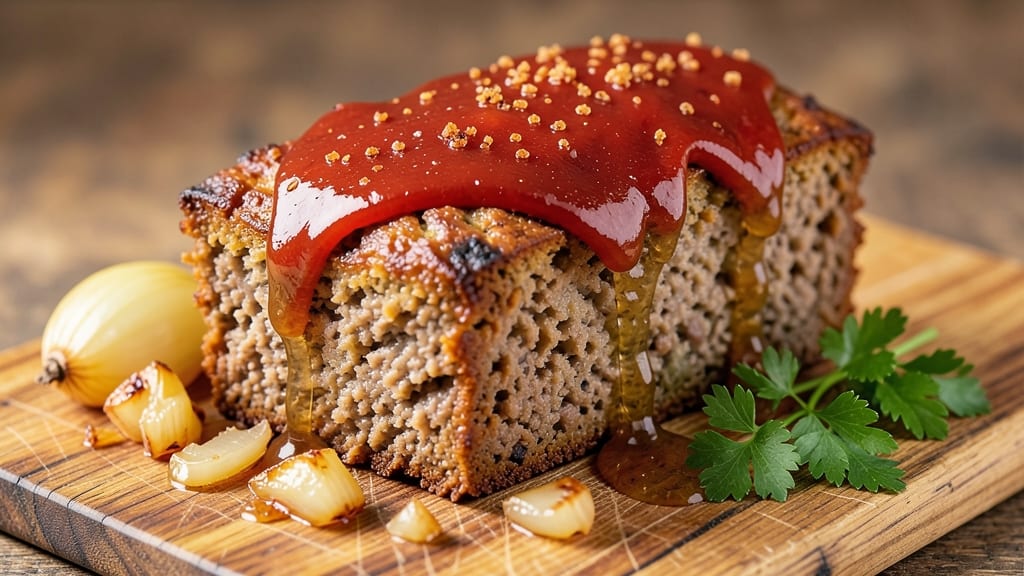
This meatloaf recipe with apple cider vinegar transforms a classic comfort dish into something unexpectedly tender and flavorful. 💛 The secret lies in the vinegar—just a splash—but it works magic by breaking down proteins for juiciness while adding a subtle tang that cuts through the richness.
I first discovered this trick when my grandmother's meatloaf always came out impossibly moist, and I finally decoded her secret after years of experimenting.
The vinegar isn't just about flavor—it creates that perfect glazed crust while keeping the inside juicy and tender. This recipe delivers restaurant-quality results with simple pantry staples and a foolproof method that even beginners can master.
No fancy techniques required, just a few key steps that guarantee a meatloaf so good, it'll disappear faster than you can say "second helping."
By the time it emerges from the oven, you'll have a meatloaf with a caramelized glaze on top, a tender crumb, and just the right balance of savory and tangy. The vinegar also helps bind the mixture, eliminating that dry, dense texture that ruins so many homemade versions.
It's the kind of dish that makes weeknight dinners feel like a celebration.
Serve with mashed potatoes, roasted vegetables, or crusty bread to soak up every last bit of that flavorful glaze. The best part? Leftovers reheat beautifully, making this the perfect meal for feeding a crowd or prepping ahead. Let's get started on a meatloaf that'll have everyone asking for the recipe.
Ingredients for meatloaf recipe apple cider vinegar
Six ingredients make this meatloaf magic—especially that tangy vinegar secret.
| Ingredient | Amount | Notes |
|---|---|---|
| Ground Beef 🥩 | 2 lb | 80/20 fat ratio preferred |
| Apple Cider Vinegar 🍎 | ¼ cup | Unfiltered for best flavor |
| Ketchup 🍅 | ½ cup | No sugar added preferred |
| Brown Sugar 🍚 | ¼ cup | Packed lightly |
| Worcestershire Sauce 🍶 | 2 tbsp | Vegetarian version if needed |
| Yellow Onion 🧅 | 1 whole | Finely diced |
| Garlic Cloves 🧄 | 4 cloves | Minced finely |
| Egg 🥚 | 1 whole | Room temperature |
| Breadcrumbs 🍞 | ½ cup | Panko for extra crunch |
| Milk 🥛 | ¼ cup | Whole milk preferred |
| Salt 🧂 | 1 ½ tsp | Kosher salt preferred |
| Ground Black Pepper 🌶️ | 1 tsp | Freshly ground |
| Ground Cinnamon 🌿 | ½ tsp | Warm spice touch |
| Olive Oil 🫒 | 1 tbsp | For greasing pan |
The ground beef is where it all starts—80/20 fat ratio is non-negotiable for juiciness. Grab it from the butcher counter if possible, or the pre-packaged stuff from Costco works great for big batches. That apple cider vinegar? Bragg or local orchard brands have the best flavor—avoid the cheap stuff. The ketchup should be no sugar added (like Heinz or Hunt), and brown sugar? Muscovado or light brown adds depth. I always toast my spices (cinnamon included) in a dry pan for 30 seconds—game-changer for flavor!
No apple cider vinegar? Balsamic vinegar works in a pinch, but you'll lose that apple undertone. Worcestershire sauce missing? Soy sauce plus a pinch of sugar mimics the umami. Onion and garlic can be swapped for 1 tbsp onion powder and 1 tsp garlic powder if you're short on time. The breadcrumbs? Panko gives that perfect crispy crust, but regular works too. For extra moisture, some folks add 1/4 cup tomato paste—worth trying if your beef feels dry. And that milk? Whole milk keeps things tender, but any kind works.
This meatloaf reheats like a dream—450°F for 10 minutes with foil over it revives it perfectly. Store leftovers in the fridge for 4 days or freeze for 3 months. I always make a double batch because it disappears fast. The glaze? Save the pan drippings and reduce them with a splash of water for the best gravy ever. Serve with creamy mashed potatoes or roasted carrots—the tangy glaze soaks right in.
Why You'll Love This Recipe
- No-Fuss Mix-In: I swear by the 5-minute prep here—just dump the ground beef into a bowl, add the apple cider vinegar and Worcestershire, then mix in the ketchup and brown sugar. No kneading, no fuss, no stress.
- Tangy Sweet Magic: That apple cider vinegar? It’s the secret weapon. The tang cuts through the richness of the beef while the brown sugar caramelizes into this sticky, glossy crust that’s ridiculously hard to stop eating.
- Game for Any Night: Serve it sliced over mashed potatoes for a cozy weeknight dinner, or as a centerpiece for game day with toothpicks and extra ketchup. Honestly, I’ve even packed leftovers for lunch—it’s that reliable.
- Budget Win: Ground beef and pantry staples mean this feeds four for under $15. Plus, the leftovers reheat like a dream—no drying out, no sad textures. My wallet and my taste buds thank me.
Step-by-step instructions for meatloaf with apple cider vinegar
Here's how to make the juiciest meatloaf ever—apple cider vinegar keeps it moist while creating that perfect glaze!
👨🍳 Step 1: Mix Wet Ingredients for Maximum Flavor
In a large bowl, combine the 2 lb ground beef, 0.25 cup apple cider vinegar, 0.25 cup milk, 1 whole egg, 2 tbsp Worcestershire sauce, 1.5 tsp salt, 1 tsp ground black pepper, and 0.5 tsp ground cinnamon. The vinegar might look weird at first, but it's the secret to tender meatloaf—it breaks down proteins for juiciness. Use your hands to mix gently until everything comes together.
Here's the thing—don't overwork the meat. Just combine until the vinegar is evenly distributed and the beef starts to clump slightly. Overmixing develops gluten, which can make your meatloaf tough. The mixture should feel moist but not sticky.
👨🍳 Step 2: Add Aromatics and Breadcrumbs
In a separate bowl, finely dice the 1 whole yellow onion and mince the 4 cloves garlic. Add these to the beef mixture along with the 0.5 cup breadcrumbs. The breadcrumbs help bind everything while adding texture. Mix everything together again with your hands until just combined—you should still see some breadcrumb flecks.
I know it seems like too much liquid, but trust me. The apple cider vinegar and milk work together to keep this meatloaf incredibly juicy. If you're worried, you can squeeze out any excess liquid by pressing the mixture gently in your hands—just don't overdo it or you'll compact the meat.
🥘 Step 3: Shape and Glaze the Meatloaf
Lightly grease a 9x5-inch loaf pan with 1 tbsp olive oil. Spoon the meat mixture into the pan and shape it gently into a loaf. Don't press too hard—just form a smooth rectangle. This is where your glaze comes in: mix 0.5 cup ketchup and 0.25 cup brown sugar in a small bowl, then spread this evenly over the top of the meatloaf.
The glaze isn't just for looks—it creates that beautiful caramelized crust while keeping the meat moist underneath. I like to use a spoon to spread it in even strokes. Don't worry if it looks like too much glaze—it'll caramelize perfectly in the oven.
🔥 Step 4: Bake to Golden Perfection
Preheat your oven to 350°F. Bake the meatloaf for 60-70 minutes until the internal temperature reaches 160°F and the glaze is deep golden brown. I check the temperature with a meat thermometer inserted into the thickest part—it's the only way to guarantee doneness.
Here's where patience pays off: don't open the oven door during the first 45 minutes. Each time you peek, you lose heat and moisture. The glaze should bubble and caramelize beautifully, creating that perfect crust we're after. If it starts browning too quickly, tent it loosely with foil.
⏰ Step 5: Rest and Serve with Confidence
Remove the meatloaf from the oven and let it rest for 10 minutes before slicing. This resting period lets the juices redistribute throughout the meat. I know it's tempting to cut into it immediately, but waiting ensures each bite is moist and flavorful.
Slice into 6 equal portions and serve with your favorite sides. The apple cider vinegar gives it a subtle tang that cuts through the richness, while the glaze adds just the right amount of sweetness. This isn't your grandma's dry meatloaf—it's juicy, flavorful, and absolutely delicious!
Pro Tips For Making Meatloaf Recipe Apple Cider Vinegar
- Mix in the Vinegar Early: Dump that apple cider vinegar right into the raw meat—don’t wait until the end. I used to add it at the last second, thinking it’d "cook off," but it just sits there like a sad, tangy afterthought. Stir it in first so it tenderizes the beef and cuts through the richness of the ketchup and brown sugar.
- Don’t Overmix the Glaze: That ketchup-brown sugar-Worcestershire glaze? Brush it on thick but not in a drowning layer. I learned this after my first meatloaf turned into a soggy brick—too much liquid on top steams the loaf instead of caramelizing. Two coats, 5 minutes apart, is plenty.
- Skip the Crowding Pan: Your meatloaf isn’t a sardine. If you’re using a baking sheet, resist the urge to pile other dishes on top to "save space." I did this once and ended up with a meatloaf that baked unevenly and took 20 minutes longer. Give it room to breathe—it’ll crisp up better.
- Test with a Thermometer: That "poke and see if it’s firm" trick fails with this recipe. The apple cider vinegar and Worcestershire throw off the usual texture cues. Use a thermometer—160°F internal temp is non-negotiable. I’ve had juicy meatloaf at 155°F and dry, sad loaf at 165°F. Don’t guess.
Troubleshooting this recipe
Dry Meatloaf Fix
If your meatloaf turns out dry, the vinegar's magic might have been overpowered by overcooking. First, check the internal temperature—it should reach 160°F, not higher. For next time, reduce baking time by 10-15 minutes and cover the top with foil after 45 minutes to trap moisture.
The apple cider vinegar helps, but it can't compensate for overbaking. 💫
Glaze Too Thin
When the glaze doesn't caramelize properly, it's usually because the oven wasn't hot enough or the sugar didn't have time to melt. Preheat your oven to 350°F for at least 15 minutes before baking.
For extra richness, add 1 tbsp butter to your glaze mixture—it helps create a thicker, glossier finish. Spread the glaze in even strokes to ensure even browning.
Meatloaf Breaks Apart
If your meatloaf crumbles when slicing, it likely didn't bind properly. The breadcrumbs and egg are your best friends here—make sure you're using fresh breadcrumbs (not stale) and a room-temperature egg. Gently press the mixture in the pan to compact it slightly, but don't overwork it.
For extra insurance, add 1 tbsp Dijon mustard to the wet ingredients—it adds binding power without altering flavor.
Vinegar Overpowering Flavor
If the apple cider vinegar taste is too strong, you might have used too much—or a particularly potent brand. Stick to ¼ cup and choose a mild, unfiltered vinegar like Bragg. To balance the acidity, add ½ tsp honey or 1 tsp maple syrup to the glaze.
The sweetness will mellow out the tang while keeping the meatloaf juicy. Trust me, it makes all the difference! 🍯
Uneven Cooking
If the edges cook faster than the center, your meatloaf might be too thick or the oven temperature fluctuates. Shape your loaf into an even rectangle (about 1.5 inches thick) and bake it on the middle rack for even heat distribution.
For extra insurance, place a baking sheet under the pan to catch drips and help conduct heat more evenly. A meat thermometer is your best friend here—don't rely on guesswork!
Glaze Too Sweet
If the brown sugar glaze tastes cloying, reduce the amount to ¼ cup and add 1 tsp Dijon mustard to the glaze for a tangy balance. For a more complex flavor, swap ½ cup of the ketchup for tomato paste—it deepens the umami without adding extra sweetness.
The apple cider vinegar in the meatloaf itself will naturally cut through any sweetness, so don't worry about overcorrecting. 🍅
Nutrition facts
Frequently asked questions
Why does apple cider vinegar make meatloaf juicier?
The vinegar's acidity breaks down proteins in the beef, creating tiny gaps that hold onto moisture during baking. This prevents the meat from drying out while adding a subtle tang that balances the richness. Think of it like a natural tenderizer—it keeps every bite succulent without adding extra fat.
Can I substitute apple cider vinegar with something else?
Yes! For a similar effect, use ¼ cup balsamic vinegar or 2 tbsp lemon juice. Avoid white vinegar—it lacks the depth of flavor. If you're out of vinegar entirely, add 1 extra tbsp Worcestershire sauce to boost umami instead. The key is acidity, not the specific vinegar.
How do I know when the meatloaf is fully cooked?
Use a meat thermometer to check the internal temperature—it should reach 160°F in the thickest part. The glaze will also be deep golden brown and slightly bubbly. Never rely on color alone, as some ovens run hotter than others. A quick stab with a knife should show juices running clear, not pink.
Can I make this meatloaf ahead of time?
This meatloaf actually tastes better the next day. Assemble it up to 24 hours ahead, refrigerate uncovered, then bake as directed (add 15-20 minutes to baking time). For freezing, wrap tightly in foil and freeze for up to 3 months. Thaw overnight in the fridge before reheating at 350°F for 30 minutes.
What's the secret to the perfect glazed crust?
The glaze needs three things: heat, time, and patience. Bake at 350°F for the full 60-70 minutes without opening the oven. If it browns too quickly, tent with foil. For extra shine, brush the glaze with a little melted butter after 45 minutes. The apple cider vinegar in the meatloaf also helps create that caramelized finish!