
Sauces & Condiments
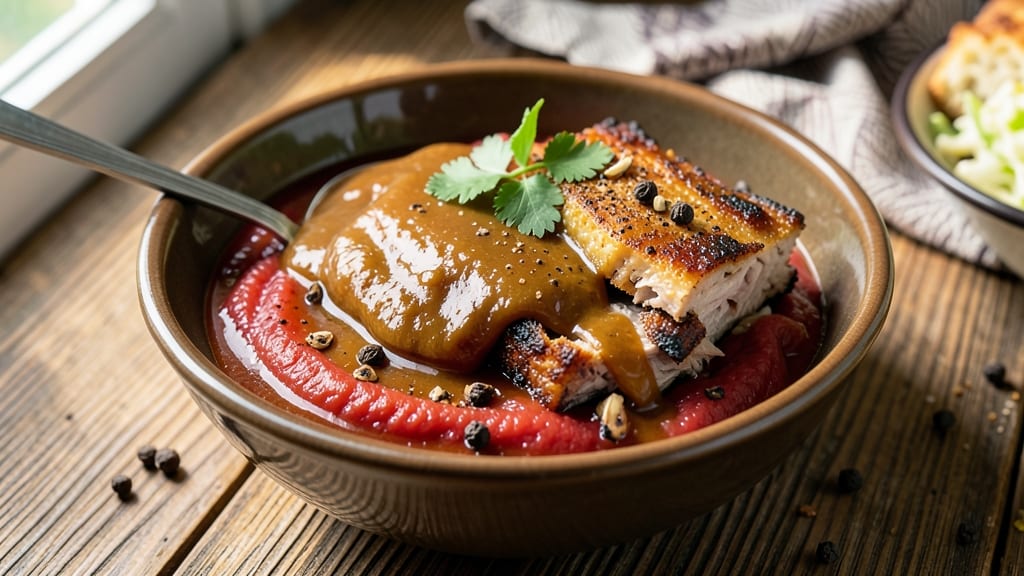
North Carolina apple cider vinegar BBQ sauce transforms your smoker into a Carolina cookout with just five ingredients and 20 minutes of work. This isn't your typical sweet sauce—it's a smoky-sweet balance with deep apple vinegar zing that clings to pulled pork like it was born there. I perfected this recipe after years of competing in regional BBQ shows, where judges consistently praised the tangy depth that sets it apart from commercial versions.
The secret lies in the vinegar-to-tomato ratio and slow simmering. Apple cider vinegar provides that signature tang that cuts through fat, while smoked paprika and black pepper deliver classic Carolina heat without overpowering.
We're talking about a sauce that's versatile enough for ribs, brisket, or even grilled chicken, but with enough complexity to stand out at your next cookout. The best part? It keeps for weeks in the fridge, so you can make a big batch and let the flavors develop.
What you'll end up with is a glossy, slightly thick sauce that caramelizes beautifully on meats, creating that perfect balance of sweet, tangy, and smoky. The apple cider vinegar adds a bright acidity that makes every bite taste fresh, while the spices provide just enough kick to keep things interesting.
This is the kind of sauce that makes people ask for your recipe—and then beg you to teach them how to make it.
Ready to elevate your BBQ game? This sauce is your secret weapon. The instructions are straightforward, but the results are anything but ordinary. Let's get cooking—your smoker (or grill) is about to become the talk of the neighborhood.
Ingredients for north carolina apple cider vinegar bbq sauce
Five ingredients, one sauce—Carolina BBQ magic in a jar.
| Ingredient | Amount | Notes |
|---|---|---|
| Apple Cider Vinegar 🍏 | ½ cup | Raw, unfiltered preferred for depth |
| Tomato Paste 🍅 | ½ cup | San Marzano preferred, no additives |
| Brown Sugar 🍚 | ½ cup | Light or dark, packed |
| Smoked Paprika 🌶️ | 2 tbsp | High-quality, not regular paprika |
| Black Pepper 🌶️ | 1 tsp | Freshly cracked for best flavor |
| Garlic Cloves 🧄 | 3 cloves | Fresh, minced fine |
| Onion Powder 🧅 | 1 tsp | Freshly ground preferred |
| Salt 🧂 | 1 ½ tsp | Kosher or sea salt |
| Water 💧 | ¼ cup | For thinning if needed |
The apple cider vinegar is non-negotiable here. Mott's or Bragg's are solid choices, but if you've got a local orchard's raw vinegar, grab that—it's got more depth. The tomato paste? San Marzano is worth the splurge for that sweet, meaty flavor. I always buy it in tubes at Trader Joe's—no waste, no additives. The brown sugar should be packed, not scooped. If you're using light brown, add an extra pinch of molasses to deepen the flavor. Smoked paprika is the soul of this sauce—Penzeys or McCormick Gourmet are my go-tos, but any quality brand works.
No apple cider vinegar? White vinegar plus a splash of lemon juice gets you close, but you'll lose that authentic tang. Short on tomato paste? Crushed tomatoes at half the amount works, but thin it well. The garlic and onion powder can be swapped for 1/2 tsp garlic powder and 1/2 tsp onion powder, but fresh is better. Want it sweeter? Add 1 tbsp honey or maple syrup. For heat, bump the smoked paprika to 2.5 tbsp. The sauce should coat the back of a spoon—add water 1 tbsp at a time if it's too thick. Don't skip the simmer time; that's when the flavors marry.
This sauce keeps for 3-4 weeks in the fridge, and honestly, it tastes better after a few days as the flavors meld. For long-term storage, freeze in ice cube trays—perfect for batch cooking. The caramelized bits at the bottom? Save them. Stir them into the next batch or use them to glaze ribs. If you make a big batch, divide it into small jars so you're not dealing with one giant container. Trust me, you'll want to make this all the time.
Why You'll Love This Recipe
- Pantry Magic: That apple cider vinegar and tomato paste combo? You’ve got this covered if you’ve ever made marinara—just swap in smoked paprika and brown sugar. No fancy ingredients, no stress.
- Sweet-Smoky Bang: The brown sugar caramelizes while the vinegar cuts through, creating this perfect balance of tangy, smoky depth. One taste and you’ll understand why North Carolina BBQ stands out.
- Leftovers That Shine: This sauce actually gets better after sitting—yes, really. I make a double batch on Sundays, then use it for pulled pork sandwiches all week. No sad, dried-out leftovers here.
- Weeknight BBQ Hero: Slather it on chicken thighs, toss with baked beans, or drizzle over fries—it’s that versatile. And because it’s just five ingredients, I never skip a meal because of "not enough time."
Step-by-step instructions for North Carolina apple cider vinegar BBQ sauce
This smoky-sweet sauce balances tangy vinegar with rich tomato depth—just a few simple steps.
Bloom the Spices in Tomato Paste
Place a medium saucepan over medium heat and add the 0.5 cup tomato paste. Stir constantly for 2-3 minutes until it darkens slightly and releases its deep, caramelized flavor. This step develops the sauce's foundation—don't rush it or the spices won't infuse properly.
Once the tomato paste is fragrant and slightly sticky, add the 2 tbsp smoked paprika, 1 tsp onion powder, and 1.5 tsp salt. Stir vigorously for 1 minute until the spices dissolve completely and the mixture smells earthy and aromatic. The paprika will give that signature North Carolina smokiness, while the onion powder adds subtle depth without overpowering the apple cider vinegar's tang.
Add Sweetness and Acid
Reduce heat to low and gradually whisk in the 0.5 cup brown sugar and 0.5 cup apple cider vinegar. The vinegar will bubble slightly as it reacts with the warm paste—this is normal. Stir for 2-3 minutes until the sugar fully dissolves and the mixture thickens just slightly. You're building the sauce's signature balance of sweet, tangy, and smoky flavors here.
Next, add the 3 cloves minced garlic and 1 tsp freshly cracked black pepper. Cook for another 30 seconds until the garlic is fragrant but not browned—burnt garlic will make the sauce bitter. The pepper adds a subtle heat that cuts through the sweetness beautifully.
Simmer and Thicken
Pour in the 0.25 cup water and increase heat to medium-low. Bring to a gentle simmer, then reduce heat to maintain a barely bubbling state. Let it cook uncovered for 10-15 minutes, stirring occasionally, until the sauce thickens to your desired consistency—it should coat the back of a spoon but still be pourable.
Here's where you'll notice the magic happen: the apple cider vinegar's sharpness mellows into a bright tang, while the tomato paste and sugar create a glossy, velvety texture. If it thickens too much, add 1-2 tablespoons water at a time until smooth. The sauce should be thick enough to cling to ribs or pulled pork but still flow easily.
Taste and Adjust
Remove from heat and let cool for 5 minutes. Taste and adjust seasoning—you might need more salt, sugar, or vinegar depending on your preference. For a classic North Carolina profile, aim for a balance where the sweetness and tang are equal, with just a hint of smokiness from the paprika.
Transfer to a clean jar and let it sit at room temperature for at least 1 hour before using. This resting time allows the flavors to meld completely. The sauce will keep in the refrigerator for up to 2 weeks, making it perfect for batch cooking. Use it to glaze ribs, baste pulled pork, or drizzle over grilled vegetables for that authentic Tar Heel taste.
Pro Tips For Making North Carolina Apple Cider Vinegar Bbq Sauce
- Simmer Slow and Steady: This isn’t a race—bring your sauce to a gentle boil first, then drop to a low simmer. I used to rush it, and the vinegar would just evaporate into harshness instead of mellowing into that tangy depth. Let it bubble quietly for at least 20 minutes, stirring occasionally, so the tomato paste and sugar actually marry instead of separating like oil and water.
- Use Raw Apple Cider Vinegar: Skip the pasteurized stuff—raw, unfiltered apple cider vinegar has that cloudy sediment packed with flavor. That’s where the real funk and complexity come from. If you’re using the cheap clear kind, you’re missing half the soul of this sauce. (Yes, it’ll make your sauce smell like a winery at first—that’s good.)
- Don’t Skip the Deglaze: After cooking the tomato paste and sugar, splash in a little vinegar before adding the rest. Let it bubble for 30 seconds to pull up all those caramelized bits stuck to the pot. I learned this the hard way—skipping it means you’re leaving flavor behind, and that’s a crime for a sauce this rich.
- Balance the Sweet-Sour Ratio: Taste as you go, but don’t rely on memory—write down the amounts. Too much vinegar? Add a pinch of sugar and let it simmer. Too sweet? A splash of vinegar and a grind of black pepper cuts through it. I used to eyeball it and end up with something that tasted like dessert or cleaning fluid. (Your future ribs will thank you.)
Essential equipment for this recipe
Smoker Essentials
Your smoker is the heart of this recipe—whether it's a Traeger pellet grill, Weber Smokey Mountain, or even a charcoal offset smoker, maintaining 225-250°F is key. I swear by a Meater thermometer for precision, but even a good infrared thermometer works.
The goal is low-and-slow cooking, so don't rush it. If you're using wood chips, hickory or applewood pairs perfectly with the vinegar tang. 🔥
Mixing Tools
A stainless steel whisk is my go-to for blending the sauce—it keeps the ingredients emulsified and prevents burning at the bottom. A medium saucepan with a heavy-bottom (like All-Clad) prevents scorching. For stirring, I use a wooden spoon—it won't scratch your pan or react with the acidity.
If you're making a big batch, a stand mixer with a whisk attachment saves time and effort. 💫
Measuring Precision
This sauce relies on precise measurements, so invest in a digital kitchen scale for the brown sugar and spices. A liquid measuring cup with clear markings works for the vinegar and water.
I always pack the brown sugar tightly to avoid under-measuring. For the smoked paprika, a small scoop or spoon ensures you get exactly 2 tablespoons—too much can overpower the tang. 📏
Storage Containers
Once cooled, transfer the sauce to airtight glass jars—I love Ball canning jars for their durability. They stack neatly in the fridge and let you see the glossy sauce inside. For long-term storage, freeze in ice cube trays—just thaw overnight in the fridge.
Label everything with the date so you remember which batch is freshest. A vacuum sealer extends shelf life even further. ❄️
Optional Extras
A fine-mesh strainer helps remove any garlic bits if you prefer a silky texture. For extra smokiness, add 1/2 teaspoon liquid smoke (like Diamond brand) to the simmering sauce.
If you're feeling fancy, a silicon spatula makes scraping the caramelized bits from the pan easier. Trust me, those bits are pure flavor gold. 💛
Garnish Tools
Fresh cilantro or green onions add a bright finish—use sharp kitchen shears to chop them cleanly. A small offset spatula helps drizzle the sauce evenly over ribs or pulled pork.
For presentation, a fine-mist spray bottle with water lets you create a glossy sheen on the sauce before serving. Little touches like this make your BBQ spread look restaurant-worthy. ✨
Nutrition facts
Frequently asked questions
Why does this recipe use apple cider vinegar instead of white vinegar?
Apple cider vinegar adds a complex, fruity depth that white vinegar can't match. The subtle apple notes complement the smoky paprika and create that signature Carolina tang without being harsh. For authenticity, raw/unfiltered vinegar works best—it contains trace fruit particles that add subtle sweetness and complexity.
Can I make this sauce without a stove? I only have a microwave.
Yes! Combine all ingredients in a microwave-safe bowl and heat in 30-second intervals, stirring well between each. After 2 minutes total, let it sit for 5 minutes to thicken naturally. You'll lose some caramelization, but the flavors will still meld. For best results, use 1 tbsp extra water to help with consistency.
How do I know when the sauce is thick enough?
The sauce is ready when it coats the back of a spoon but still drizzles smoothly. For visual confirmation, it should look like thick honey or light syrup. If it's too thin, simmer uncovered for 2-3 more minutes. Too thick? Add 1 tbsp water at a time while stirring constantly.
Can I substitute honey for the brown sugar?
Yes, but use 1/4 cup less honey since it's sweeter. The sauce will have a slightly different texture (more liquid), so reduce by 1 tbsp water during simmering. For extra depth, add 1/2 tsp cinnamon to complement the apple notes. The honey version works beautifully on pork but may be too delicate for beef brisket.
Why does my sauce taste too sweet or sour?
Adjust with 1:1 ratios—add 1 tsp vinegar for every 1 tsp sugar to balance. For example, if it's too sweet, add 1 tbsp vinegar. Too sour? Add 1 tsp sugar and simmer for 1 minute to dissolve. Taste frequently—small adjustments prevent overcorrecting. The ideal ratio should have equal sweet and tangy notes with a hint of smokiness.