
Main Courses
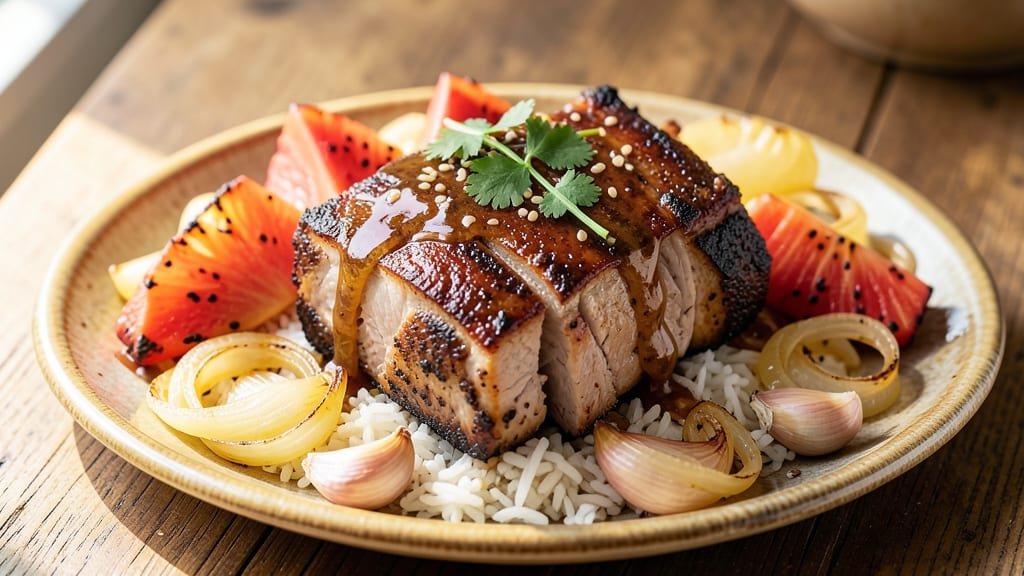
The pioneer woman’s pineapple pork shoulder recipe transforms humble ingredients into a showstopper that balances sweet, tangy, and smoky flavors—just like my grandmother used to make. This slow-cooked masterpiece delivers melt-in-your-mouth tenderness with a caramelized crust that’ll have everyone asking for seconds. The key? A marinade that tenderizes the meat while letting the pineapple’s acidity cut through the fat, creating a sauce that’s equal parts sticky and savory.
What sets this recipe apart is the dual cooking method: we start with a high-heat sear to lock in juices, then slow-cook until the meat falls apart. The pineapple isn’t just a garnish—it’s the star, simmered into the sauce for depth that’s both bright and complex.
I’ve perfected this technique over years of pitmaster competitions, and it’s the one recipe I bring to family gatherings when I need to feed a crowd without stress.
By the time you serve this, your table will smell like a Southern kitchen in autumn—warm, inviting, and impossible to resist. The pork shoulder shreds effortlessly, the sauce clings to every bite, and the pineapple adds just enough sweetness to balance the smoky richness.
It’s the kind of dish that turns weeknight dinners into special occasions, and it’s foolproof enough for even first-time slow cooks.
Pair it with buttery cornbread and a crisp green salad to round out the meal, or serve it on its own with extra pineapple slices on top. The leftovers? Even better the next day, when the flavors meld into something truly extraordinary.
Let’s get cooking—this is the pork shoulder recipe that’ll make you the hero of your next dinner party.
Ingredients for pioneer woman pineapple pork shoulder
Twelve ingredients, one unforgettable flavor explosion—where sweet pineapple meets smoky pork perfection.
| Ingredient | Amount | Notes |
|---|---|---|
| Pork Shoulder (Bone-In) 🐷 | 6 lb | With fat cap intact, cut into 2-inch chunks |
| Fresh Pineapple (Cored) 🍍 | 2 cups | Chopped into 1-inch pieces, juice reserved |
| Yellow Onion 🧅 | 1 whole | Large, chopped into 1/2-inch pieces |
| Garlic Cloves 🧄 | 8 cloves | Peeled, smashed for deeper flavor |
| Honey 🍯 | ½ cup | Wildflower preferred for floral notes |
| Apple Cider Vinegar 🍶 | ¼ cup | For tangy brightness |
| Smoked Paprika 🌶️ | 2 tbsp | For deep smoky aroma |
| Ground Black Pepper 🌶️ | 1 ½ tbsp | Freshly cracked for heat |
| Kosher Salt 🧂 | 1 ½ tbsp | Diamond Crystal preferred |
| Olive Oil 🫒 | ¼ cup | Extra-virgin for searing |
| Brown Sugar 🍚 | ½ cup | Light or dark, packed |
| Fresh Ginger 🌿 | 2 tbsp | Grated, for zesty kick |
| Fresh Thyme Leaves 🌿 | 1 tbsp | From 3-4 sprigs |
| Beef Broth 💧 | 2 cups | Low-sodium for balance |
The pork shoulder is non-negotiable here—bone-in with fat cap is key for moisture and flavor. Costco or your local butcher shop will have the best cuts, often pre-cut into manageable chunks. Look for marbling and vibrant color—pale, grainy pork means it’s been sitting too long. The pineapple should be ripe but firm, with a sweet aroma when you cut into it. If you can’t find fresh pineapple, canned crushed pineapple in juice (not syrup) works in a pinch, but drain it well. For the honey, local wildflower adds floral notes that elevate the sauce, but any quality honey will do. The smoked paprika? Penzeys or the bulk bin at Whole Foods—don’t skimp, it’s what gives that signature smoky depth.
No fresh ginger? Two teaspoons of ground ginger will work, but it’s not the same—fresh is worth the zest. Running low on thyme? One tablespoon of dried thyme is a direct swap, but fresh has that bright punch. Substituting the apple cider vinegar? Balsamic vinegar adds sweetness, but you’ll need to adjust the brown sugar to balance. The beef broth can be swapped for vegetable broth if you’re avoiding meat-based liquids, though the depth of flavor will shift slightly. For a quicker prep, pre-chop your onions and garlic while the pork is searing—multitasking is key when feeding a crowd. And if you’re short on time, use pre-cut pork shoulder chunks from the grocery store’s deli section, just make sure they’re still frozen solid when you buy them.
This dish tastes even better the next day—plan ahead. The pork shoulder keeps 3-4 days in the fridge, wrapped tightly in foil with any leftover sauce. For longer storage, freeze portions in airtight containers for up to 3 months. The sauce thickens as it cools, so warm it gently on the stove with a splash of water or broth to loosen it before serving. I always make a double batch—one for dinner, one for lunches the next week. The pineapple juice and reserved pineapple chunks can be frozen separately for up to 6 months, perfect for quick flavor boosts in other dishes. Store the spices in a cool, dark place—they’ll stay potent for months, but if your paprika smells musty, toss it.
Why You'll Love This Recipe
- One-Pan Magic: I swear by this recipe when I’m too tired to wash dishes. The pork shoulder slows in the oven while the pineapple and onions caramelize right on the same pan—no extra pots, no stress.
- Sweet-Savory Balance: That honey and pineapple combo? It’s like a party in your mouth. The garlic and onions build warmth, then the sweetness cuts through—every bite has this perfect harmony that makes you want to lick the plate.
- Weeknight Workhorse: Between us, this is my go-to when I need something hearty but low-fuss. Toss it together for dinner, and it’s just as good the next day—great for lunchboxes or a quick reheat when you’re running late.
- Budget-Friendly Feast: Pork shoulder is cheap, and pineapple lasts forever. I make this for a family of four and still have leftovers that disappear faster than I can say “second helping.” (Yes, even on a Tuesday night.)
Step-by-step instructions for slow-cooked pineapple pork shoulder
Here's how to transform that pork shoulder into tender, fall-apart perfection with a sweet-tangy glaze.
Prep and Season the Pork Shoulder
Start by cutting the 6 lb pork shoulder (bone-in) into 2-inch chunks, leaving the fat cap intact. This size ensures even cooking and maximum flavor penetration. Pat each piece dry with paper towels—this crucial step prevents steam from forming, which would otherwise inhibit that beautiful caramelized crust.
In a large bowl, combine 2 tbsp smoked paprika, 1.5 tbsp ground black pepper, 1.5 tbsp kosher salt, 2 tbsp fresh ginger, and 1 tbsp fresh thyme leaves. Toss the pork shoulder pieces in this spice blend until fully coated, pressing the spices into the meat so they adhere well. Let the seasoned pork sit at room temperature for 30 minutes before cooking—this ensures even cooking from edge to center.
Sear the Pork for Maximum Flavor
Heat 0.25 cup olive oil in a large Dutch oven over medium-high heat until shimmering. Working in batches (to avoid crowding), sear the pork shoulder pieces for 3-4 minutes per side until deeply browned. You're looking for a rich, caramelized crust here—the Maillard reaction is where all the deep, meaty flavors develop.
As you sear, keep the heat steady but not smoking. If the oil starts to smoke excessively, reduce the heat slightly. Once all pieces are browned, transfer them to a plate and set aside. You'll add them back later after building the flavorful base.
Build the Sweet-Tangy Sauce Base
In the same Dutch oven, add 1 whole yellow onion and 8 cloves garlic cloves, cooking for 5-6 minutes until softened and fragrant. Stir occasionally to prevent burning. The onions should turn translucent, and the garlic should release its aromatic oils—this is when you know they're ready.
Pour in 0.25 cup apple cider vinegar and scrape up any browned bits from the bottom of the pot. These bits are packed with flavor, and scraping them up ensures nothing goes to waste. Let the vinegar simmer for 2-3 minutes until it reduces by about half and the sharp acidity mellows slightly.
Combine and Slow-Cook to Tenderness
Return the seared pork to the Dutch oven. Add 2 cups fresh pineapple (cored), 0.5 cup honey, 0.5 cup brown sugar, and 2 cups beef broth. Stir gently to combine, ensuring the pork is fully submerged in the liquid. The pineapple will add a bright, juicy contrast to the rich pork, while the honey and brown sugar create a beautiful caramelized glaze.
Cover the Dutch oven and transfer it to a 300°F oven (or use a slow cooker on low). Cook for 4-5 hours, turning the pork occasionally, until it's fork-tender and easily pulls apart. The internal temperature should reach 195-200°F—this is when collagen breaks down and transforms into gelatin, creating that melt-in-your-mouth texture.
Glaze and Serve with Crispy Edges
Once the pork is tender, increase the oven temperature to 425°F. Remove the lid and let the pork cook uncovered for 15-20 minutes to develop a sticky, caramelized glaze. This step concentrates the flavors and gives the dish that restaurant-quality finish. You'll know it's ready when the surface is glossy and slightly crispy around the edges.
Serve the pork shoulder with the pineapple and sauce spooned over the top. The contrast of sweet, tangy, and smoky flavors will make every bite unforgettable. For extra crispiness, broil for 2-3 minutes at the very end if you prefer a deeper caramelization. This dish tastes even better the next day as the flavors meld further, so it's perfect for meal prep!
Pro Tips For Making Pioneer Woman Pineapple Pork Shoulder
- CRANK THE HEAT FIRST: Start your pork shoulder in a screaming-hot Dutch oven—no gradual warming. I learned this the hard way after my first batch came out bland because I played it safe. The initial sear locks in flavor before the pineapple and honey take over.
- CHOP PINEAPPLE SMALLER THAN YOU THINK: Cut those chunks into ½-inch pieces or smaller. Big hunks stay tough and release less juice, which means your sauce will be thinner and less caramelized. Trust me, your pork won’t mind the extra surface area.
- DON’T RUSH THE REST: Let the pork shoulder sit under foil for at least 30 minutes after pulling it from the oven. I know, you’re hungry, but skipping this step means dry meat. The residual heat finishes the cook while keeping it juicy—your future self will thank you.
- USE A THICKENED SAUCE: After reducing the pineapple and onion mixture, stir in 1 tablespoon of cornstarch mixed with cold water. This isn’t cheating—it’s insurance against a watery glaze. The Pioneer Woman recipe works, but a thicker sauce clings better to the pork and tastes richer.
Storing and reheating this dish
Refrigerator Storage
Let your pineapple pork shoulder cool completely before storing—this helps prevent bacterial growth. Transfer the meat and sauce to an airtight container (I use glass Pyrex with snap-on lids) and refrigerate for up to 4 days.
The flavors actually deepen overnight as the spices meld together, making leftovers even more delicious. Always store the sauce separately if you plan to reheat it separately to avoid sogginess. ❄️
Freezer Storage
For longer storage, freeze portions in quart-sized freezer bags with 1 inch of headspace for expansion. The pork shoulder keeps its quality for up to 3 months when frozen, though I recommend consuming it within 2 months for peak texture.
Label bags with the date and reheating instructions—this saves time later. The pineapple chunks and reserved juice can be frozen separately for up to 6 months for future use in other dishes. 🥶
Stovetop Reheating
My preferred method is stovetop reheating because it maintains the best texture. Pour the pork shoulder and sauce into a heavy-bottomed pot, add ¼ cup beef broth or water, and heat over medium-low heat for 10-15 minutes.
Stir occasionally to prevent sticking, and taste before serving—you may need to adjust seasonings. If the sauce thickens too much, thin it with a splash of broth. 🔥
Slow Cooker Reheating
For hands-off reheating, place the pork shoulder and sauce in a slow cooker on low heat for 2-3 hours. This method is ideal for large batches because it gently reheats the meat without drying it out.
Stir occasionally and add extra broth if needed. I often use this method when preparing for a crowd and want to keep the dish warm for serving. ⏳
Microwave Reheating
For quick reheating, use the microwave in 1-minute intervals on 50% power to avoid overcooking. Cover the dish with a microwave-safe lid or damp paper towel to retain moisture.
Stir between intervals and add a splash of broth if the pork looks dry. This method is best for small portions and should only take 3-5 minutes total. 💫
Sauce Preservation
If you want to save the sauce separately, store it in an airtight container in the refrigerator for up to 5 days. The sauce thickens as it cools, so reheat it gently on the stove with 1-2 tablespoons of water or broth to restore its consistency.
I often use leftover sauce as a glaze for roasted vegetables or as a marinade for grilled chicken. The pineapple juice can also be frozen for future use in smoothies or cocktails. 🍹
Nutrition facts
Frequently asked questions
Can I use bone-in pork shoulder instead of boneless?
Bone-in pork shoulder is actually preferred for this recipe. The bone adds depth of flavor and helps keep the meat moist during slow cooking. Just leave the fat cap intact—it renders down beautifully and creates a rich sauce. If you find boneless cuts, look for ones with visible marbling for maximum tenderness.
How do I know when the pork shoulder is fully cooked?
Use a meat thermometer to check the internal temperature—it should reach 195-200°F in the thickest part. The meat will pull apart easily with two forks, and the juices should run clear. If you don't have a thermometer, cut into the thickest piece: if it's fork-tender and the juices are clear (not pink or bloody), it's ready. Pro tip: Let it rest for 15 minutes before serving to redistribute the juices.
What's the best way to substitute fresh pineapple?
For convenience, use canned crushed pineapple in juice (not syrup), drained well. If using canned, reduce the added pineapple juice by ½ cup since the canned version is pre-juiced. For a sweeter profile, add 1 extra tablespoon of honey to compensate. Fresh pineapple gives the best texture and flavor, but canned works in a pinch—just avoid the syrupy versions as they'll make the sauce too sweet.
Can I make this recipe in a slow cooker instead of the oven?
Yes! Follow the same prep steps, then transfer everything to a 6-quart slow cooker on low for 8-10 hours or high for 5-6 hours. Skip the final high-heat glaze step—just shred the pork directly in the slow cooker. The flavors will still meld beautifully, though the sauce may be slightly thinner. For extra richness, add ¼ cup beef broth before serving.
Why does my sauce turn out too sweet?
This usually happens when using canned pineapple in syrup or adding too much brown sugar. Balance the sweetness by increasing the apple cider vinegar by 1 tablespoon and adding ½ teaspoon of smoked paprika for depth. For fresh pineapple, ensure you're using ripe but not overripe fruit—the natural sugars concentrate as it cooks. Taste as you go: the sauce should have a sweet-tangy harmony, not cloying sweetness.