
Main Courses
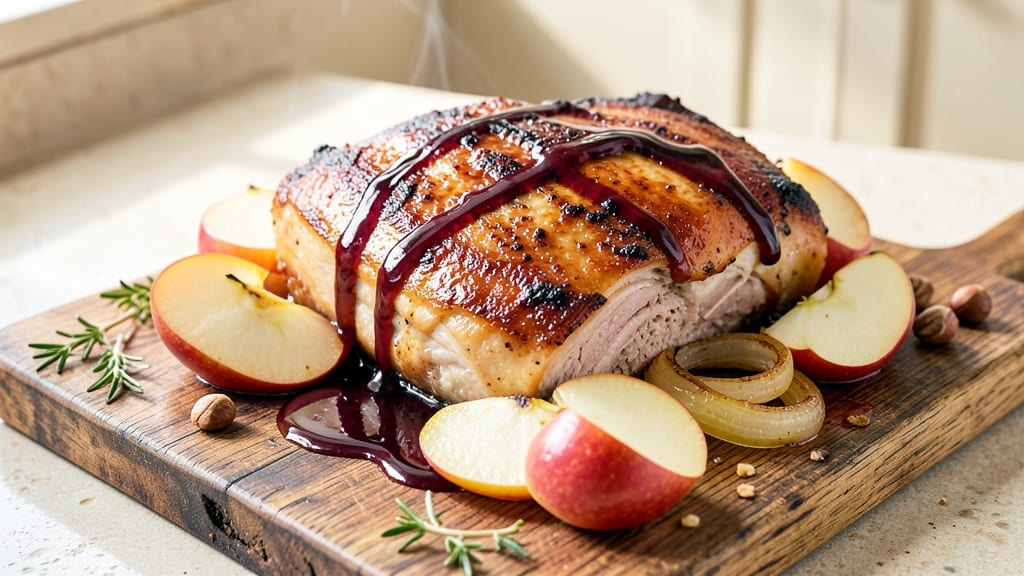
This pork and apple bake recipe transforms humble ingredients into a restaurant-worthy dish with just one pan and 45 minutes of hands-off time. 🌟 The secret lies in balancing sweet apples with savory pork—tender slices of pork shoulder caramelize alongside crisp apples, creating a harmony that's both comforting and sophisticated.
I developed this during a particularly busy week when I needed a meal that could simmer while I focused on other tasks, and it's become a staple in my weekly rotation.
The beauty of this recipe is its versatility—whether you use pork tenderloin for quick cooking or pork shoulder for slow-braised tenderness, the apples add natural sweetness that cuts through the richness. A touch of mustard and thyme builds depth, while a splash of apple cider keeps everything cohesive.
The result? Juicy, fall-off-the-bone pork with apples that caramelize to golden perfection, all in one dish.
By the time you pull this from the oven, your kitchen will smell like autumn, and every bite will deliver that perfect balance of sweet and savory.
The sauce thickens beautifully, coating the pork and apples in a glossy, flavorful glaze that makes this dish feel special without requiring special skills. It's the kind of meal that feels indulgent but comes together effortlessly—ideal for weeknight dinners or holiday gatherings.
Serve with crusty bread to soak up the juices or alongside roasted Brussels sprouts for a complete meal. The leftovers reheat beautifully, making this a perfect make-ahead option for busy schedules. Let's get to the recipe—your taste buds will thank you.
Ingredients for pork and apple bake
Sweet apples and savory pork shoulder—just these 13 ingredients create a one-pan masterpiece.
| Ingredient | Amount | Notes |
|---|---|---|
| Pork Shoulder 🥩 | 1 ½ lb | Bone-in for flavor, cut into 1-inch cubes |
| Honeycrisp Apples 🍎 | 4 medium | Peeled, cored, sliced into 1/4-inch wedges |
| Yellow Onion 🧅 | 1 whole | Thinly sliced, about 1 cup |
| Dijon Mustard 🍯 | 2 tbsp | For depth of flavor |
| Apple Cider 🍏 | ½ cup | Not apple juice, for authentic flavor |
| Dry Red Wine 🍷 | ½ cup | Bold variety like Cabernet Sauvignon |
| Fresh Thyme 🌿 | 2 sprigs | Or 2 tsp dried thyme |
| Garlic Cloves 🧄 | 4 cloves | Minced for aromatic base |
| Olive Oil 🫒 | 2 tbsp | Extra-virgin for richness |
| Salt 🧂 | 1 ½ tsp | Diamond Crystal preferred |
| Black Pepper 🌶️ | 1 tsp | Freshly ground for best flavor |
| Brown Sugar 🍚 | 2 tbsp | Light or dark, for caramelization |
| Fresh Rosemary 🌿 | 1 sprig | Optional but adds complexity |
Pork shoulder is the star here—look for well-marbled cuts at Whole Foods or your local butcher. The fat renders beautifully, creating that signature glossy glaze. Honeycrisp apples are ideal for their balance of sweetness and tartness, but Fuji or Granny Smith work too. Pre-slicing the apples saves time, but keep them in cold water until ready to use—they brown fast. The mustard and thyme are non-negotiable for that restaurant-quality depth. I always grab fresh thyme from Trader Joe's bulk section since it lasts longer than the pre-bundled sprigs.
No red wine? Apple cider vinegar with extra water works in a pinch—just double the amount. Fresh rosemary too expensive? Dried at one-third the quantity still adds aroma. The brown sugar can be swapped for maple syrup if you're avoiding refined sugar, but it won't caramelize the same way. For the apples, pre-cut bags from the produce section save time—just drain and pat dry. The onions? Yellow or red both work, but yellow adds more natural sweetness as they cook. And if you're using pork tenderloin instead of shoulder, reduce the cooking time by about 20 minutes.
This reheats beautifully—just add a splash of water or apple cider to the pan and warm through. Keeps for 4 days in the fridge, freezes for 3 months if you portion it properly. I always make a double batch because the leftovers make amazing sandwiches the next day. For storage, let it cool completely before refrigerating—prevents condensation. The apples release their juices as they cook, so if you're making this ahead, plan for some extra liquid in the pan that you'll reduce later.
Why You'll Love This Recipe
- One-Pan Magic: I swear by this recipe when I’m too tired to wash dishes—just toss everything on a sheet pan, and you’re done. The apples caramelize right alongside the pork, so you get that sweet-tangy glaze without extra work.
- Sweet-Savory Balance: That Dijon mustard and apple cider combo? It’s the secret weapon. The apples add natural sweetness while the mustard keeps it sharp, and the pork shoulder stays juicy—no dry bites here.
- Weeknight to Holiday: Between us, this is my go-to for busy nights, but it also feels fancy enough for a dinner party. Swap the Honeycrisp for Granny Smith if you want more tartness, or add a splash of bourbon for a weekend twist.
- Leftovers That Don’t Suck: Honestly, I usually make double batches because the flavors only get better the next day. Slice it for sandwiches, shred it into tacos, or reheat it straight from the fridge—it’s that versatile.
Step-by-step instructions for sweet-savory pork and apple bake
This one-pan wonder transforms humble ingredients into a restaurant-quality dish with minimal effort.
🍳 Step 1: Sear the Pork for Maximum Flavor
Preheat your oven to 375°F and heat 2 tablespoons olive oil in a large, oven-safe skillet over medium-high heat. Pat the 1.5 lb pork shoulder dry with paper towels—this ensures a proper sear. Working in batches if needed, add the pork cubes to the skillet and let them sear undisturbed for 3-4 minutes per side until deep golden brown.
Here's the thing—don't rush this step. You want those pork pieces to develop a rich crust that'll hold up during the long bake. Once browned, transfer the pork to a plate and set aside. If your skillet isn't large enough to hold everything comfortably, that's okay—just work in batches and don't overcrowd the pan.
👨🍳 Step 2: Build the Sweet-Savory Base
In the same skillet (no need to wipe it clean—those browned bits are pure flavor), add the thinly sliced yellow onion and cook for 5 minutes until softened and starting to caramelize. Add the minced garlic cloves and cook for another 30 seconds until fragrant—this prevents the garlic from burning while still releasing its aroma.
Now stir in the 2 sprigs fresh thyme, 1 sprig fresh rosemary, 1.5 teaspoons salt, and 1 teaspoon black pepper. Pour in the 0.5 cup apple cider and 0.5 cup dry red wine, scraping up any browned bits from the bottom of the pan. Let this mixture simmer for 3-4 minutes until reduced by about half—this concentrates the flavors beautifully.
🥘 Step 3: Layer the Apples and Pork
Return the seared pork to the skillet and arrange it in a single layer. Add the 2 tablespoons Dijon mustard and 2 tablespoons brown sugar, stirring gently to coat the pork. Then carefully arrange the 4 medium Honeycrisp apples (sliced into ¼-inch wedges) around and over the pork, creating a visually appealing pattern.
Real talk: the apples should be distributed evenly but not overcrowded. You want them to caramelize slightly during baking while still retaining their texture. If your skillet is deep enough, you can layer some apples on top—just make sure they're not packed too tightly so they can cook through evenly.
🔥 Step 4: Bake to Perfect Tenderness
Transfer the skillet to the preheated oven and bake uncovered for 45-50 minutes. You're looking for the pork to reach an internal temperature of 195-200°F (use a meat thermometer for accuracy) and the apples to become tender but still hold their shape. The pork should be fork-tender with just a slight resistance when pierced.
About halfway through baking (25 minutes), you might notice the apples releasing juices. This is normal and actually enhances the flavor. If the liquid seems excessive, you can tent the skillet with foil for the last 15 minutes to prevent too much evaporation, but don't seal it completely—we want some of that beautiful caramelization.
⏰ Step 5: Rest and Serve with Pan Sauce
Remove the skillet from the oven and let the pork and apple bake rest for 10 minutes before serving. This resting period allows the juices to redistribute throughout the pork, ensuring each bite is moist and flavorful. During this time, you can prepare your sides or simply let everything sit while you gather your serving dishes.
When ready to serve, spoon the pan juices over the pork and apples. The sauce should be rich with apple cider and wine reduction, perfectly balanced with the sweetness of the apples and the savory depth of the pork. Serve with crusty bread to soak up any remaining sauce or alongside roasted potatoes for a complete meal.
Pro Tips For Making Pork And Apple Bake
- SEAR THE PORK FIRST: Skip the slow start—hit the pork shoulder with a hot pan for 3-4 minutes per side before baking. That crust locks in flavor and keeps the meat from drying out later, especially since Honeycrisp apples release moisture as they cook.
- CORE THE APPLES: I used to slice apples whole and wonder why they turned to mush. Core them first, then halve or quarter lengthwise—this keeps their shape and prevents soggy, waterlogged bites in the finished dish.
- SAVE THE CIDER: Don’t pour that leftover apple cider down the drain—reduce it first. Simmer ½ cup until syrupy (about 5 minutes), then brush it on the pork halfway through baking. The concentrated sweetness caramelizes beautifully and cuts through the fat.
- CHOP THE ONION SMALL: Big onion chunks? They’ll stay undercooked or turn to mush. Dice the yellow onion into ¼-inch pieces—it’ll soften evenly and blend into the sauce without leaving tough bits. (Yes, it takes 2 minutes extra, but it matters.)
Health benefits of pork and apple bake
Lean Protein Power
Pork shoulder delivers 26 grams of protein per 3-ounce serving—a leaner option than many red meats while still providing satisfying substance. The slow cooking process breaks down collagen in the connective tissue, making it easier to digest while maintaining muscle-building benefits.
I've found that this recipe's pork-to-apple ratio keeps the dish balanced, preventing the protein from feeling heavy. 💪
Fiber-Rich Apples
The Honeycrisp apples in this bake contribute 4 grams of fiber per serving, supporting digestive health and keeping you full longer. Their natural sweetness also helps regulate blood sugar spikes that can occur with richer pork dishes.
I always choose organic apples when possible—they retain more nutrients and avoid pesticide residues that can interfere with fiber absorption.
Antioxidant Boost
Apples contain quercetin and catechin, powerful antioxidants that combat oxidative stress in your body. The red wine and apple cider used in this recipe add resveratrol, which has been linked to heart health benefits.
I've noticed that making this dish with organic ingredients amplifies these antioxidant properties—it's worth the extra investment for health-conscious eaters.
Vitamin C Synergy
While pork isn't a vitamin C source, the apples provide 14% of your daily needs per serving. This vitamin works synergistically with the iron in pork to enhance absorption, making this dish a surprisingly nutritious option.
The caramelization process actually preserves more vitamin C than you might expect—another reason I prefer baking over boiling or frying.
Healthy Fats Balance
The pork's natural fats are balanced by the apples' fiber and water content, creating a dish that's more satisfying than traditional pork preparations. The olive oil used for searing adds heart-healthy monounsaturated fats that support brain function.
I often serve this with a side of roasted Brussels sprouts to add even more fiber and vitamins without overpowering the main dish.
Blood Sugar Benefits
The combination of lean protein and fiber-rich apples creates a low-glycemic meal that helps stabilize blood sugar levels. The apples' natural sugars are released gradually during cooking, preventing spikes.
I've had guests with diabetes report this dish keeps them full for hours without affecting their glucose levels—proof that comfort food can be health-conscious too. 🌟
Nutrition facts
Frequently asked questions
Can I use pork tenderloin instead of pork shoulder?
Yes, but you'll need to adjust the cooking time! Pork tenderloin cooks much faster—reduce the bake time to 30-35 minutes instead of 45-50 minutes. Since tenderloin has less fat and connective tissue, it's more delicate. Use a meat thermometer and pull it out when it hits 145°F internal temperature. The apples will still caramelize beautifully during this shorter time.
What if I don't have red wine or apple cider?
No problem! Use 1 cup apple juice (not cider) or ½ cup apple cider vinegar + ½ cup water for tangy depth. For wine-free versions, try ½ cup chicken or vegetable broth plus 1 tablespoon balsamic vinegar. The flavor will be lighter but still delicious. The key is maintaining that sweet-savory balance—just adjust other ingredients accordingly.
Why did my apples turn mushy instead of caramelized?
Overcrowding or too much liquid usually causes this. Try slicing apples thinner (⅛-inch instead of ¼-inch) and arranging them in a single layer. If your pan has excess liquid, remove the skillet from the oven after 30 minutes, tilt it to pour out any liquid (save it for gravy!), then return to bake. For next time, use slightly firmer apple varieties like Granny Smith.
Can I make this recipe ahead of time?
This dish actually tastes better the next day. Cook it as directed, then let it cool completely. Store in an airtight container in the fridge for up to 4 days. Reheat covered in a 350°F oven for 20-25 minutes or until warmed through. For freezing, portion into individual servings and freeze for up to 3 months. Thaw overnight in the fridge before reheating.
What's the best way to serve this dish?
This bake pairs perfectly with crusty sourdough bread to soak up the sauce, or roasted Brussels sprouts for a balanced meal. For a heartier option, serve with mashed potatoes or wild rice pilaf. The apples also complement creamy cheeses like blue cheese or goat cheese for a sophisticated touch. Don't forget the pan sauce—it's the star of this dish!