
Main Courses
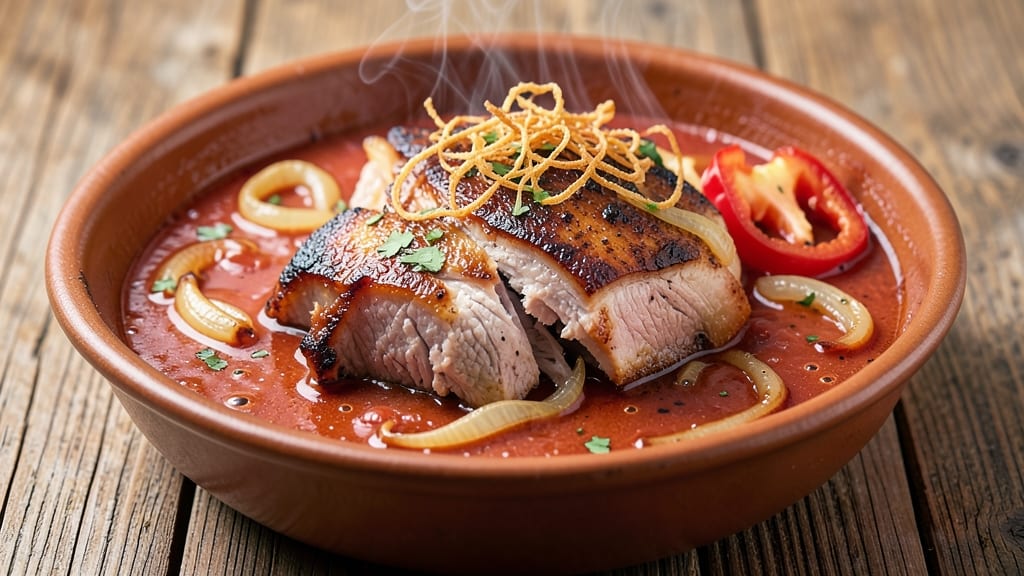
This pork estofado recipe with pineapple juice transforms tough cuts into melt-in-your-mouth perfection through slow cooking. 💛 The tropical twist of pineapple juice not only tenderizes the meat but also balances the rich, savory flavors with just the right amount of brightness.
After years of perfecting this dish, I've found the secret lies in patience—letting the pork and aromatics simmer until they're falling apart, creating a sauce that's both hearty and elegant.
The beauty of this recipe is its simplicity—just a few key ingredients that work together to create something extraordinary. You'll start with a pork shoulder or ribs, which become incredibly tender through slow braising.
The combination of onions, garlic, and bell peppers builds a flavorful base, while the pineapple juice adds a touch of sweetness that cuts through the richness. This dish is perfect for a cozy family dinner or a special occasion when you want to impress without spending hours in the kitchen.
What you'll end up with is a dish that's rich, flavorful, and impossibly tender—each bite of pork is so succulent it practically melts in your mouth. The sauce clings to the meat and vegetables, creating a harmonious blend of savory, sweet, and tangy notes.
Serve it with crusty bread or steamed rice to soak up every last drop of that luscious sauce. This is comfort food at its finest, with a twist that makes it unforgettable.
Once you try this pork estofado, you'll never go back to the traditional version. The pineapple juice not only tenderizes the meat but also adds a unique depth of flavor that elevates the dish to new heights.
It's the kind of recipe that gets better with time, as the flavors meld and deepen during the slow cooking process. Let's get started on creating something truly special for your table.
Ingredients for pork estofado recipe with pineapple juice
Pork shoulder, pineapple juice, and slow cooking create melt-in-your-mouth perfection with just a few key ingredients.
| Ingredient | Amount | Notes |
|---|---|---|
| Pork Shoulder 🥩 | 3 lb | Bone-in for best flavor |
| Yellow Onions 🧅 | 2 whole | Chopped into even pieces |
| Red Bell Pepper 🌶️ | 1 whole | Diced, any color works |
| Garlic Cloves 🧄 | 6 cloves | Minced, fresh preferred |
| Pineapple Juice 🍍 | 1 ½ cups | Fresh or canned, no sugar added |
| Tomato Sauce 🍅 | 1 cup | Canned, San Marzano preferred |
| White Wine 🍷 | 1 cup | Dry, like Sauvignon Blanc |
| Chicken Broth 💧 | 2 cups | Low-sodium preferred |
| Olive Oil 🫒 | ½ cup | Extra-virgin for richness |
| Bay Leaves 🌿 | 2 whole | Fresh if possible |
| Ground Cumin 🌿 | 1 tsp | Toasted for deeper flavor |
| Ground Coriander 🌿 | 1 tsp | Freshly ground preferred |
| Salt 🧂 | 1 ½ tsp | Kosher or sea salt |
| Black Pepper 🌶️ | ½ tsp | Freshly ground preferred |
| Fresh Thyme 🌿 | ¼ cup | Chopped, stems removed |
The pork shoulder is the star here—bone-in for extra flavor, but boneless works too if you're in a hurry. Look for cuts with good marbling at Costco or your local butcher shop. If you're using ribs, ask for the meatier sections—they'll cook faster. The pineapple juice is non-negotiable for that tropical brightness, but canned works just as well as fresh if you're short on time. I always grab Dole brand when canned is easier. For the bell pepper, any color—red, yellow, or green—adds a nice pop of color and a touch of sweetness that pairs perfectly with the pork.
No pineapple juice? Mango nectar or even apple juice will work in a pinch, though the flavor won't be quite the same. Running low on white wine? Substitute extra chicken broth—it'll still add depth. Fresh thyme is ideal, but dried thyme at one-third the amount gets you close. The tomato sauce can be swapped for crushed tomatoes if that's what's in your pantry, but San Marzano is worth it if you want that authentic Italian touch. The bell pepper can be swapped for zucchini or even mushrooms if you're feeling adventurous—just adjust the cooking time slightly.
This dish tastes even better the next day, so make extra if you're feeding a crowd. Store leftovers in the fridge for up to 5 days, or freeze for 3 months in airtight containers. I like to portion it into individual containers so I can grab and reheat for quick lunches. The sauce thickens as it cools, so add a splash of broth when reheating if it's too thick for your taste. Trust me, the longer it sits, the more the flavors meld together—patience is key for that melt-in-your-mouth texture.
Why You'll Love This Recipe
- One-Pot Magic: I swear by this—just brown the pork shoulder, toss in chopped onions and bell peppers, then let the pineapple juice do its slow-simmering thing. No extra pots, no fuss, and the flavors meld together like they’ve been friends for years.
- Sweet-Savory Balance: That pineapple juice isn’t just a gimmick—it cuts through the richness of the pork while caramelizing into a glossy, tangy sauce. The garlic and onions deepen as they cook, giving you a dish that’s both bold and bright, not too heavy.
- Leftovers That Beg for More: This recipe actually improves the next day. The pork gets fork-tender, the sauce thickens just right, and I’ve reheated portions straight from the fridge for lunch without a second thought. Honestly, half the batch disappears before the original meal is done.
- Budget-Friendly Crowd-Pleaser: Pork shoulder is cheap, and you’re using every bit of it—no wasted scraps. Serve it over rice for a filling meal, or let guests pile it onto their plates at gatherings. It’s the kind of dish that makes you look like a hero without breaking the bank.
Step-by-step instructions for pork estofado with pineapple juice
Here's how to transform tough pork shoulder into melt-in-your-mouth tender meat with a rich, tropical sauce.
🔥 Step 1: Sear the Pork Shoulder for Deep Flavor
Pat the 3 lb pork shoulder dry with paper towels—this ensures a proper sear. Heat the 0.5 cup olive oil in a large Dutch oven over medium-high heat until shimmering. Place the pork in the pot, fat-side down, and let it sear undisturbed for 8-10 minutes until deeply golden brown. Flip and sear the other side for another 8-10 minutes. You'll see crispy edges forming—that's your signal the pork is developing rich, caramelized flavors.
While the pork sears, remove it from the pot and set it aside. The rendered fat in the bottom of the pot is pure flavor—don't wipe it out! This is where the sauce will build its richness. If the fat gets too dark, reduce the heat slightly to prevent burning, but keep it hot enough to maintain a good sear.
👨🍳 Step 2: Build the Aromatic Base with Onions, Pepper, and Garlic
In the same Dutch oven, add 2 chopped whole yellow onions and 1 diced whole red bell pepper. Cook them over medium heat for 8-10 minutes, stirring occasionally, until softened and slightly caramelized. The onions should turn translucent and the peppers should release their sweet aroma—this is the foundation of your sauce.
Add the 6 minced garlic cloves and cook for 1-2 minutes until fragrant. Be careful not to let the garlic burn—it should smell sweet and nutty, not bitter. Here's where the magic happens: sprinkle in the 1 tsp ground cumin, 1 tsp ground coriander, 1.5 tsp salt, and 0.5 tsp black pepper, stirring to toast the spices for 30 seconds. This step deepens their flavor and infuses the entire dish.
🍳 Step 3: Deglaze and Simmer the Sauce
Pour in the 1 cup white wine and scrape up all those browned bits from the bottom of the pot—this is called deglazing, and it's how you capture all that meaty flavor. Let the wine simmer for 3-4 minutes until reduced by half. You'll see the liquid turn from pale to deep amber—that's when you know it's working.
Add the 1 cup tomato sauce, 1.5 cups pineapple juice, 2 cups chicken broth, and 2 whole bay leaves. Stir everything together, then return the pork shoulder to the pot, fat-side up. Bring the mixture to a gentle simmer over low heat. The liquid should just barely bubble—this ensures the pork cooks slowly and stays tender. Here's the thing—cover the pot and let it cook undisturbed for 2 hours. Resist the urge to peek or stir; this is where patience pays off.
🥘 Step 4: Finish with Thyme and Rest for Maximum Tenderness
After 2 hours, the pork should be fork-tender. Remove the pork from the pot and set it aside. Strain the cooking liquid through a fine-mesh sieve into a clean pot to remove any impurities. Return the pork to the pot and stir in the 0.25 cup chopped fresh thyme. Let the mixture simmer uncovered for another 15-20 minutes until the sauce thickens slightly and coats the back of a spoon.
Let the pork rest for 10 minutes before slicing. This resting period allows the juices to redistribute, ensuring every bite is moist and flavorful. Serve the pork with the rich, tropical sauce spooned over the top. The combination of tender pork, sweet pineapple, and savory spices makes this dish unforgettable.
Pro Tips For Making Pork Estofado Recipe With Pineapple Juice
- Sear the Pork Shoulder First: Don’t skip browning that pork—crisp the edges in a hot pan with 2 tablespoons of oil for 5-6 minutes per side before adding anything else. I learned this the hard way: skipping the sear leaves you with pale, bland meat instead of rich, caramelized flavor that clings to every bite.
- Char the Onions and Peppers: Cut the onions and bell peppers into thick strips (about ½-inch) and cook them low and slow until they’re blackened in spots—not just softened. This adds a smoky depth that cuts through the sweetness of the pineapple juice, and it takes about 15 minutes with the lid off.
- Reduce the Pineapple Juice Aggressively: After adding the pineapple juice, let it simmer uncovered for 10-12 minutes until it’s reduced by at least half. This isn’t just about thickening—it concentrates the natural sweetness and balances the acidity, so the dish doesn’t taste like a watered-down smoothie.
- Deglaze with a Splash of Soy Sauce: After searing the pork, deglaze the pan with 2 tablespoons of soy sauce (alongside the pineapple juice) to lift all those browned bits. It’s the shortcut that upgrades the flavor without extra effort—trust me, your future self will notice the difference.
Creative variations of this dish
Tropical Twist
Swap the traditional tomato-based sauce for mango nectar—it adds a luscious sweetness that pairs beautifully with the pork. Use 1.5 cups mango nectar instead of pineapple juice, and reduce the cooking time slightly to 1 hour 45 minutes since mango cooks faster.
I love this version with 1 tbsp lime zest added at the end for brightness. 🌴
Spicy Caribbean Fusion
Add 2 tbsp hot sauce (like Cholula) and 1 chopped Scotch bonnet pepper to the braising liquid for a fiery kick. Balance the heat with 1 tbsp honey stirred in during the final 15 minutes of cooking.
Serve with coconut rice for a full island-inspired meal. This version is perfect for spice lovers!
Creamy Coconut Version
Stir in 1 cup coconut milk with the pineapple juice for a velvety texture. Add 1 tsp ground turmeric for color and warmth. Simmer uncovered for 10 minutes at the end to thicken the sauce. Garnish with toasted coconut flakes and fresh cilantro for a tropical touch. 🥥
Slow-Cooker Adaptation
For hands-off cooking, brown the pork in a skillet first, then transfer everything to a 6-quart slow cooker. Cook on LOW for 8 hours or HIGH for 5 hours.
The slow cooker keeps the pork incredibly tender while letting flavors meld perfectly. This is my go-to for busy weeknights!
Asian-Inspired Glaze
Finish with a ginger-soy glaze by mixing 2 tbsp soy sauce, 1 tbsp honey, and 1 tbsp grated ginger. Simmer the pork in the sauce for the last 15 minutes of cooking.
Garnish with sesame seeds and sliced green onions. The umami from the soy sauce pairs wonderfully with the tropical pineapple notes.
Vegetable-Packed Variation
Add 1 cup diced butternut squash and 1 cup chopped kale during the last 30 minutes of cooking. The squash absorbs the flavors beautifully, while the kale adds a nice texture contrast. This version feels hearty yet light—perfect for a fall dinner. 🥬
Nutrition facts
Frequently asked questions
Why does this recipe use pineapple juice instead of traditional tomato sauce?
The pineapple juice adds a tropical brightness that tenderizes the pork while balancing the rich, savory flavors. Unlike traditional tomato-based estofado, the acidity in pineapple helps break down the meat fibers for extra tenderness. Plus, it creates a unique sweet-savory sauce that pairs beautifully with the spices.
Can I use pork ribs instead of pork shoulder?
Pork ribs will work wonderfully, but they'll cook faster—about 1 hour 30 minutes instead of 2 hours. For best results, use meatier sections and check for tenderness after 1 hour. The pineapple juice will still keep them moist and flavorful.
What's the best way to reheat leftovers?
Reheat gently in a saucepan over low heat with a splash of chicken broth to loosen the sauce. Cover and warm for 10-15 minutes—never microwave, as it can make the pork dry. Stir occasionally to prevent sticking, and adjust seasoning if needed.
Can I make this in an Instant Pot?
Yes! Sear the pork first, then add all ingredients and cook on High Pressure for 45 minutes, followed by a 10-minute natural release. The pressure cooker speeds up the process while keeping the meat tender. Finish with fresh thyme and let it rest before serving.
How do I know when the pork is fully cooked?
The pork is done when it reaches an internal temperature of 195°F—this is the "pull-apart" stage for maximum tenderness. Use a meat thermometer to check the thickest part. If it's not quite there, return it to the pot with a little broth and cook another 15-20 minutes.