
Main Courses
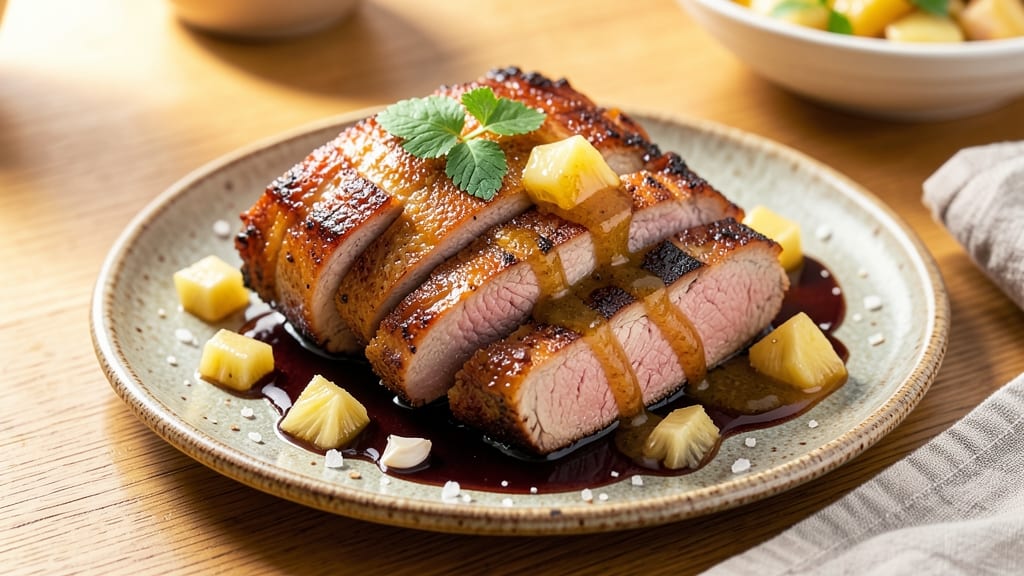
This Filipino-style pork hamonado recipe with pineapple juice transforms simple pork into a sweet-savory masterpiece through a time-honored process that caramelizes meat to perfection. 🌟 The secret lies in the pineapple juice marinade, which tenderizes while creating that signature glossy, caramelized crust—what makes this dish a staple in Filipino feasts.
I first learned this technique from a neighbor in Atlanta who swore by her family’s version, and it’s been a crowd-pleaser ever since.
The magic happens in two stages: first, the pork is marinated overnight in a blend of pineapple juice, soy sauce, and vinegar, which breaks down fibers and infuses flavor. Then, it’s slow-cooked until the edges turn deep golden brown, creating a balance of tangy, sweet, and umami notes.
This isn’t just a recipe—it’s a celebration of Filipino home cooking, where every bite delivers that perfect harmony of textures and flavors. What you’ll end up with is tender, caramelized pork that falls apart at the touch, glistening with a sticky-sweet glaze.
The pineapple juice ensures a bright acidity that cuts through the richness, while the slow cooking guarantees melt-in-your-mouth perfection. Serve it with garlic rice and atchara (pickled papaya) for the full Filipino experience—this dish is hearty enough for gatherings but simple enough for weeknight dinners.
Here’s the best part: the hamonado process is foolproof, and the flavors only deepen as the meat rests. Whether you’re grilling, braising, or pan-frying, this recipe delivers restaurant-quality results with minimal fuss. Let’s get started—your taste buds will thank you.
Ingredients for pork hamonado recipe filipino style with pineapple juice
Pineapple juice, soy sauce, and slow cooking transform humble pork into Filipino hamonado perfection.
| Ingredient | Amount | Notes |
|---|---|---|
| Pork Shoulder (Bone-In) 🥓 | 3 lb | Cut into 1.5-inch cubes for even cooking |
| Fresh Pineapple Juice 🍍 | 1 ½ cups | From 1 medium pineapple, strained |
| Soy Sauce 🥫 | ½ cup | Light or regular, not low-sodium |
| White Vinegar 🍶 | ¼ cup | Distilled preferred for balance |
| Brown Sugar 🍚 | ½ cup | Packed, light or dark |
| Garlic Cloves 🧄 | 6 cloves | Minced for marinade |
| Black Peppercorns 🌶️ | 1 tsp | Freshly cracked for depth |
| Bay Leaves 🌿 | 2 whole | For aromatic depth |
| Olive Oil 🫒 | 2 tbsp | Extra-virgin for high heat |
| Salt 🧂 | 1 ½ tsp | Kosher or sea salt |
| Ground Black Pepper 🌶️ | ½ tsp | Freshly ground for finish |
| Fresh Pineapple Chunks 🍍 | 1 cup | For glaze reduction |
The pork shoulder is non-negotiable here—bone-in gives you that rich, gelatinous depth you can't get with boneless cuts. Trader Joe's or Costco usually have it pre-cut, but if you're buying whole, ask the butcher to cube it to 1.5 inches. The pineapple juice should be fresh—canned juice loses that bright acidity that cuts through the sweetness. For the best flavor, use a ripe pineapple with vibrant yellow flesh (no green spots). The brown sugar is key too—light or dark works, but avoid powdered—it needs to dissolve properly in the marinade.
No fresh pineapple juice? Coconut water works in a pinch, though it'll be less tangy. Short on soy sauce? Coconut aminos at 1:1 ratio gives a similar umami punch. The garlic can be pre-minced from a jar (no shame), but fresh is always better. If you're making this ahead, the marinade keeps for 3 days in the fridge, but the pork flavor really develops after 24 hours. For extra caramelization, toss in 1 tbsp of cornstarch with the pineapple chunks when reducing the glaze—it'll make that crust even glossier.
Marinated pork keeps 3 days in the fridge before cooking, but the flavors peak after 24 hours. Once cooked, it reheats beautifully—350°F for 20 minutes is perfect. For leftovers, store in an airtight container with any pan juices to keep it moist. This dish freezes well for up to 3 months, but the texture gets slightly softer after thawing. I always make extra—it's perfect for sandwiches, rice bowls, or even tacos the next day.
Why You'll Love This Recipe
- One-Pot Magic: I swear by this recipe—just toss the pork shoulder in a pot with pineapple juice, soy sauce, and vinegar, then let it simmer. No chopping, no fuss, and one pot to clean. That’s my kind of cooking.
- Sweet-Savory Balance: The pineapple juice caramelizes into a glossy glaze while the vinegar keeps it bright, and the brown sugar adds just enough depth. It’s not too sweet, not too tangy—just ridiculously good on rice or even straight from the pan.
- Leftover Goldmine: This dish actually tastes better the next day. I make a big batch on Sundays, slice it thin, and pack it for lunches or toss it into fried rice. The flavors meld into something even more addictive.
- Budget-Friendly Feast: Bone-in pork shoulder stretches for meals, and the ingredients? All pantry staples. A single cut feeds four for under $15, and the leftovers? Even better. Honestly, it’s my go-to for feeding a crowd without breaking the bank.
Step-by-step instructions for pork hamonado Filipino style
This method delivers tender, caramelized pork with a glossy pineapple glaze—every bite balances sweet and savory.
👨🍳 Step 1: Prepare the Marinade and Pork
In a large bowl, combine the 1.5 cups fresh pineapple juice, 0.5 cup soy sauce, 0.25 cup white vinegar, 0.5 cup brown sugar, 6 cloves minced garlic, 1 tsp cracked black peppercorns, 2 whole bay leaves, 1.5 tsp salt, and 0.5 tsp ground black pepper. Whisk until the brown sugar dissolves completely—this ensures even flavor distribution.
Cut the 3 lb pork shoulder into 1.5-inch cubes (about the size of a golf ball) for consistent cooking. Place the pork in a large resealable bag or container and pour the marinade over it. Seal and refrigerate for at least 4 hours, or overnight if possible. The longer it marinates, the deeper the flavor and more tender the meat will become.
🔥 Step 2: Sear the Pork for Depth of Flavor
Remove the pork from the marinade (reserve the liquid) and pat it dry with paper towels—this step is critical for achieving a good sear. Heat 2 tbsp olive oil in a large, heavy-bottomed pot or Dutch oven over medium-high heat until shimmering.
Working in batches to avoid overcrowding, add the pork cubes and sear for 3-4 minutes per side until deeply golden brown. You'll see those beautiful caramelized edges form—this isn't just about looks, it's about building layers of flavor. Transfer the seared pork to a plate and set aside, leaving the rendered fat in the pot.
🍳 Step 3: Build the Glaze with Pineapple and Marinade
Return the pot to medium heat and add the reserved marinade along with the 1 cup fresh pineapple chunks. Bring to a gentle simmer, then reduce heat to low and let it cook uncovered for 15-20 minutes, stirring occasionally. You're looking for the liquid to reduce by about half, creating a thick, syrupy consistency that will coat your pork beautifully.
Here's where the magic happens: the pineapple juice caramelizes while the sugar and soy sauce meld together. You'll know it's ready when the glaze coats the back of a spoon and has a glossy sheen. If it reduces too quickly, add 1-2 tablespoons of water to maintain the balance.
🥘 Step 4: Braise to Tender Perfection
Return all the pork to the pot, spooning the glaze over each piece to ensure they're fully coated. Cover and transfer to a 325°F oven (preheated) for 2-2.5 hours, or until the pork is fork-tender. The internal temperature should reach 195-203°F—this is the "pull-apart" stage where collagen breaks down and the meat becomes incredibly tender.
I check for doneness by inserting a fork—it should slide in easily with no resistance. The glaze should have thickened further and developed a rich, amber color. If it looks too thin, uncover and simmer for another 5-10 minutes to reduce it to your desired consistency.
⏰ Step 5: Rest and Serve with Caramelized Glaze
Transfer the pork to a serving platter and let it rest for 10 minutes before serving. This resting period allows the juices to redistribute, ensuring each bite is moist and flavorful. The glaze will thicken slightly as it cools—if it becomes too thick, warm it gently in a saucepan with a splash of water.
Serve the pork hamonado with the caramelized glaze spooned generously over the top. The combination of tender, fall-apart meat and that sweet-savory glaze is what makes this dish so special. Pair it with steamed rice to soak up every last bit of that delicious sauce.
Pro Tips For Making Pork Hamonado Recipe Filipino Style With Pineapple Juice
- SEAR THE PORK FIRST: Don’t skip browning that pork shoulder—high heat for 5-7 minutes per side until it’s deep golden. I used to rush this, and the sauce just sat there instead of clinging to the meat. A good crust locks in flavor and keeps the hamonado from turning soggy.
- USE FRESH PINEAPPLE JUICE: Canned juice lacks the bright acidity that cuts through the richness. Blend and strain fresh pineapple—about 2 cups of juice—and reduce it by half first. That concentrated tang makes the hamonado sing, not just taste sweet.
- BASTE WITH THE SAUCE: Every 15 minutes, spoon the simmering sauce over the pork. I learned this the hard way—dry meat absorbs less flavor. Keep a spoon handy, and you’ll end up with tender, sticky, caramelized goodness instead of dry cuts.
- SWEAT THE VINEGAR: Don’t dump vinegar in all at once—simmer it with the brown sugar first until it softens and deepens. This mellows the harshness, so the hamonado tastes balanced, not like a sour punch. Trust me, your taste buds will notice.
Storing and reheating your leftovers
Fridge Storage Tips
Cooked pork hamonado keeps beautifully in the fridge for up to 4 days when stored properly. After the pork cools completely, transfer it to an airtight container with any leftover glaze—this prevents drying out.
I use glass containers with snap-on lids from Central Market because they seal tightly and don’t absorb odors. The glaze actually improves overnight as the flavors meld further. 💫
Freezer Prep
For longer storage, freeze the pork hamonado for up to 3 months using quart-sized freezer bags with the glaze. Leave 1-inch headspace for expansion and squeeze out excess air to prevent freezer burn.
I like to portion it into individual meal-sized bags for easy reheating later. When ready to use, thaw overnight in the fridge.
Stovetop Reheating
My preferred method is stovetop reheating—it preserves the glaze’s texture perfectly. Place the pork and glaze in a skillet over medium-low heat and warm for 10-12 minutes, stirring occasionally.
Add 1-2 tablespoons of water if the glaze thickens too much. The pork should reach 165°F internally—this ensures safety while keeping it tender. 🔥
Microwave Shortcut
For quick meals, microwave individual portions on 50% power for 2-3 minutes, stirring halfway. Cover with a damp paper towel to retain moisture. The glaze might separate slightly, so stir vigorously before serving. This method works best for single servings rather than large batches.
Oven Refresh
To revive the dish completely, preheat the oven to 350°F, place the pork in a baking dish, and cover with foil. Heat for 15-20 minutes until warmed through.
The oven’s dry heat helps restore the glaze’s glossy finish. This is my go-to when serving to a crowd—it reheats evenly and maintains texture. ✨
Leftovers Magic
Transform leftover pork hamonado into new meals! Shred it for tacos with lime crema, mix into fried rice, or slice for sandwiches. The glaze adds sweetness that pairs perfectly with crisp lettuce and pickles.
I often make extra just for these creative leftovers—it’s the best way to avoid waste. 💡
Nutrition facts
Frequently asked questions
What makes pineapple juice essential in Filipino hamonado?
The pineapple juice isn't just an ingredient—it's the secret to that signature Filipino sweet-savory balance. Its natural acidity tenderizes the pork while the sugar in the juice caramelizes beautifully during cooking, creating that glossy, sticky glaze. Without it, you'd miss that bright tang that cuts through the richness of the soy and sugar.
Can I substitute fresh pineapple juice with canned?
Fresh pineapple juice is ideal, but if you must use canned, choose 100% pineapple juice with no added sugar or preservatives. The canned version lacks the bright acidity that fresh juice provides, which helps balance the sweetness. For best results, add 1 extra tablespoon of white vinegar to compensate for the lost tang.
How do I know when the pork is perfectly tender?
Look for three signs: the meat should easily pull apart with a fork, the internal temperature should reach 195-203°F, and the juices should run clear when pierced. Pro tip: If you're unsure, squeeze a piece gently—it should feel almost like melted butter. The glaze should also be thick and syrupy, coating the back of a spoon.
What's the best way to serve hamonado pork?
This dish shines with classic Filipino sides! Serve it over steamed garlic rice, alongside atchara (pickled papaya), and fresh sliced cucumbers. For extra flair, drizzle with more glaze and garnish with toasted sesame seeds. It's also fantastic in sandwiches, over noodles, or even as a filling for empanadas.
Can I make this in a slow cooker?
After searing the pork, transfer everything to a slow cooker and cook on low for 6-8 hours or high for 4-5 hours. The slow cooker method actually enhances the tenderness. Just check the glaze consistency at the end—it might need a few minutes on the stovetop to thicken properly before serving.