
Main Courses
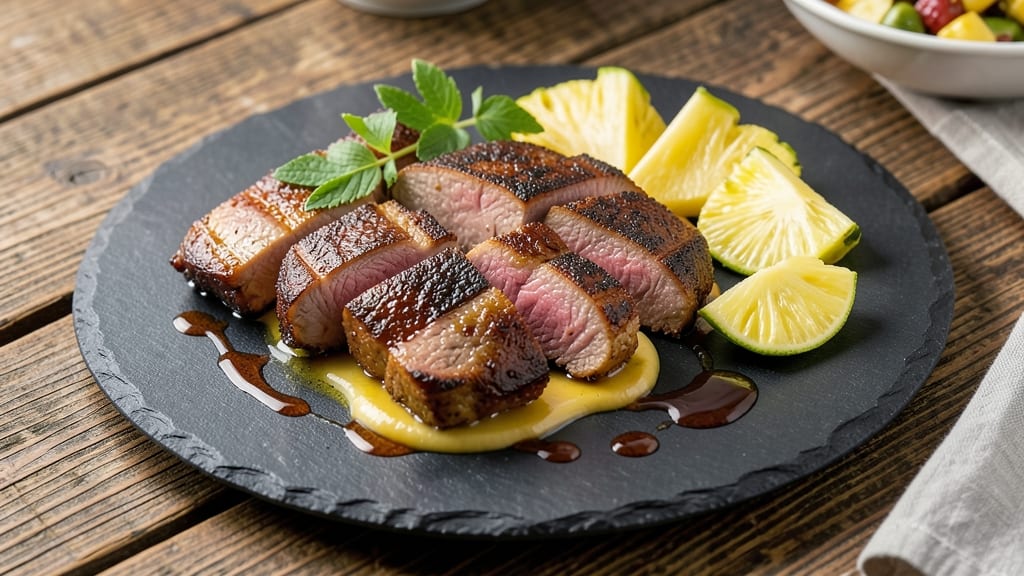
This pork loin chops and pineapple recipe delivers a perfect balance of caramelized sweetness and savory depth that transforms weeknight dinners into restaurant-worthy meals. 💛 The secret lies in a 30-minute sear that creates a golden crust, followed by a tangy-sweet glaze that tenderizes the meat while caramelizing fresh pineapple into juicy, sticky perfection.
I developed this technique during a particularly busy week when I needed a dish that could impress without hours of prep—it never fails to deliver.
The magic happens when you pan-sear the chops until they reach an internal temperature of 145°F, then finish them in the oven while the pineapple simmers in a homemade glaze of brown sugar, soy sauce, and a splash of apple cider vinegar.
This combination creates a sauce that's both sticky and balanced—sweet enough to complement the pineapple but tangy enough to cut through the richness of the pork. The result is meat that's fork-tender with a crispy exterior, paired with pineapple that's caramelized to the point of being irresistible.
What you'll end up with is a dish that's elegant enough for dinner parties but simple enough for a weeknight—juicy pork chops with glossy, caramelized edges and pineapple that's tender yet retains its natural sweetness.
The glaze clings to both the meat and fruit, creating a cohesive bite that's impossible to resist. Serve with a side of garlic mashed potatoes or a fresh arugula salad to round out the meal.
This recipe scales beautifully for crowds, and the leftovers reheat wonderfully, making it perfect for meal prep. The techniques are straightforward, but the results are anything but ordinary—this is the kind of dish that makes you look like a culinary pro without any of the fuss. Let's get cooking!
Ingredients for pork loin chops and pineapple
Four juicy chops, one caramelized pineapple glaze—this is restaurant-quality with zero fuss.
| Ingredient | Amount | Notes |
|---|---|---|
| Pork Loin Chops 🥩 | 4 pieces | 1-inch thick, center-cut preferred |
| Fresh Pineapple 🍍 | 1 whole | About 2 cups diced, fresh preferred |
| Brown Sugar 🍚 | ½ cup | Light or dark, packed |
| Soy Sauce 🍶 | ¼ cup | Low-sodium preferred |
| Apple Cider Vinegar 🍏 | 1 tbsp | For tangy balance |
| Olive Oil 🫒 | 2 tbsp | Extra-virgin for searing |
| Garlic Cloves 🧄 | 4 cloves | Minced for glaze |
| Fresh Ginger 🌿 | 1 tbsp | Grated, for depth |
| Salt 🧂 | 1 tsp | Diamond Crystal preferred |
| Black Pepper 🌶️ | ½ tsp | Freshly ground |
| Honey 🍯 | 1 tbsp | For extra caramelization |
| Sesame Oil 🍶 | 1 tsp | Toasted sesame flavor |
The pork chops are the star, so center-cut, 1-inch thick slices make all the difference—they stay juicy without falling apart. Look for chops with good marbling at Whole Foods or your local butcher shop (they'll often trim them for you). Fresh pineapple is non-negotiable here—canned won't cut it—but if you're buying whole, grab one that's heavy for its size and smells sweet at the stem. The brown sugar should be packed, not scooped loosely, and light brown sugar gives a slightly richer caramel flavor. For the soy sauce, Kikkoman is a safe bet, but any low-sodium brand works.
No fresh ginger? Ground ginger at half the amount works in a pinch, but nothing beats the fresh zing. Subbing pineapple? Mango or peaches work beautifully, but the texture won't be identical. The honey adds that final caramel touch—local raw honey has more depth, but store-bought works fine. For a gluten-free version, swap soy sauce for coconut aminos. The sesame oil is optional but adds that nutty aroma that ties everything together. Pro tip: Toast the sesame seeds separately for garnish—they're worth the extra minute.
This glaze reheats beautifully, so make extra—it's perfect over rice or noodles. Store leftovers in an airtight container for 3-4 days in the fridge, or freeze for up to 3 months. The chops reheat best in a skillet with a splash of water to keep them moist. For meal prep, portion the glaze into small jars—it's great for drizzling over grilled chicken or fish later in the week. The pineapple glaze thickens as it cools, so thin with a splash of water if needed before reheating.
Why You'll Love This Recipe
- Sweet-Savory Magic: The brown sugar and soy sauce caramelize into a sticky glaze that clings to the pork like a hug—juicy, slightly crispy edges, and that bright pineapple tang cutting through it all. Honestly, it’s the kind of balance that makes you want to eat it straight off the pan.
- One-Pan Wonder: Throw everything on a sheet pan—no fancy prep, no extra dishes—and let the oven do the work. The pineapple releases its juice, the pork sizzles, and by the time it’s done, you’ve got a meal that feels restaurant-worthy with zero cleanup. (Yes, even on a Tuesday night.)
- Leftovers That Don’t Suck: This dish actually improves the next day. The flavors meld even better, and the pork stays tender, so I’m always making double. Wrap slices in foil for sandwiches or toss with rice—it’s my go-to for lazy lunches without sacrificing taste.
- Budget-Friendly Feast: Pork loin chops are affordable, and pineapple stretches further than you’d think when caramelized. The brown sugar and vinegar add depth without breaking the bank, and you’re left with a meal that feels special without the grocery bill to prove it. My secret weapon for feeding a crowd without stress.
Step-by-step instructions for pork loin chops with caramelized pineapple glaze
Here's how to balance smoky-sweet flavors and tender pork for a showstopping main course.
🍳 Step 1: Sear the Pork Loin Chops to Perfection
Heat 1 tablespoon of the olive oil in a large skillet over medium-high heat until shimmering. Pat the pork loin chops dry with paper towels—this ensures maximum crispiness. Season both sides generously with ½ teaspoon salt and ¼ teaspoon black pepper (divide the total amounts evenly between all chops).
Place the chops in the hot skillet and cook undisturbed for 3-4 minutes per side until they develop a deep golden-brown crust. You'll know they're ready when the edges release easily from the pan. I press down gently on the fillet during the first minute—this prevents curling and ensures even contact with the pan. Transfer the chops to a warm plate and tent loosely with foil to keep warm.
👨🍳 Step 2: Prepare the Pineapple Glaze Base
In the same skillet (no need to clean it—the browned bits add flavor), add the remaining 1 tablespoon olive oil over medium heat. Add the 4 minced garlic cloves and 1 tablespoon grated fresh ginger, cooking for 30 seconds until fragrant but not browned. This aromatic base forms the flavor foundation for your glaze.
Pour in the 0.25 cup soy sauce and 1 tablespoon apple cider vinegar, scraping up any browned bits from the bottom of the pan. Let it simmer for 2 minutes until slightly reduced. Here's the thing—don't rush this step. The vinegar needs time to mellow and integrate with the soy sauce, creating the perfect balance of salty and tangy flavors.
🥘 Step 3: Build the Caramelized Glaze
Add the 0.5 cup brown sugar, 1 tablespoon honey, and the 1 whole fresh pineapple (diced) to the skillet. Stir well to combine, then reduce heat to medium-low. Let the mixture simmer uncovered for 8-10 minutes, stirring occasionally, until the pineapple softens and the glaze thickens to a syrupy consistency.
You'll know it's ready when the pineapple releases its juices and the glaze coats the back of a spoon. The sugar will caramelize slightly, creating beautiful amber streaks throughout. If the glaze thickens too much before the pineapple is tender, add 1-2 tablespoons water to loosen it. Remove from heat and stir in the 1 teaspoon sesame oil—this adds a nutty depth that ties everything together.
🍽️ Step 4: Finish the Chops and Serve
Return the pork loin chops to the skillet with the pineapple glaze. Spoon the glaze generously over the chops and let them cook for 1-2 minutes on each side until heated through. The internal temperature should reach 145°F when measured with an instant-read thermometer. This final step ensures the chops absorb the sweet-savory glaze while maintaining their juiciness.
Transfer the chops to a serving platter and spoon any remaining glaze from the skillet over the top. Garnish with additional pineapple pieces if desired. Serve immediately while the glaze is still warm and glossy. Each bite should deliver perfectly seared pork with a sweet-tangy glaze that balances perfectly with the juicy pineapple. The sesame oil adds an unexpected depth that makes this dish truly special.
Pro Tips For Making Pork Loin Chops And Pineapple
- USE HIGH HEAT FIRST: Get your pan screaming hot before adding the pork—cast iron or stainless steel works best. I learned this the hard way after serving dry chops because I played it safe with medium heat; those chops need that initial sear to lock in juices before they hit the sweet-sour sauce.
- PEEL THE PINEAPPLE RIGHT: Skip the knife and use a sharp paring tool to slice off the eyes and peel the skin in one fluid motion—it’s faster and cleaner. Then, cut the fruit into ½-inch chunks (no need for uniformity) and toss them in the sauce raw; they’ll soften perfectly while the pork cooks.
- DON’T OVERMIX THE SAUCE: Once the pineapple and pork are in the pan, let the sauce bubble for 2–3 minutes before stirring. Overmixing turns it gluey; you’re just trying to coat everything, not reduce it into syrup. A quick toss at the end distributes the flavor without turning the pan into a sticky mess.
- SALT THE PORK TWICE: Season the chops generously before searing, then hit them again right after flipping—soy sauce and vinegar are salty, but pork needs extra punch to stand up to the sweetness. I used to skip the second round and wondered why the dish tasted flat until I realized the salt was getting lost in the sauce.
Troubleshooting perfect results
Undercooked Chops
If your pork loin chops come out pale inside or fail to reach 145°F internal temperature, you likely didn’t sear them long enough or used chops that were too thin.
I’ve found that 1-inch thick chops need at least 3-4 minutes per side on medium-high heat—any less and they’ll stay tough. For extra insurance, finish them in a 375°F oven for 3-5 minutes after searing. Always use an instant-read thermometer to check doneness. 🌡️
Another common mistake is crowding the pan, which drops the temperature and steams the meat instead of searing. Cook chops in batches if needed, and resist the urge to flip too soon—wait until you see a deep golden crust form before turning.
I’ve learned this the hard way during busy service when I’d rush and end up with gray, rubbery chops.
Dry or Tough Meat
Overcooking is the #1 culprit for dry pork chops. Once they hit 145°F, remove them immediately from heat—they’ll carry over to 150°F while resting. I’ve perfected a trick: after searing, transfer chops to a warm plate, tent with foil, and let them rest for 5-10 minutes before serving.
This redistributes juices and keeps them moist. Never skip this step!
If your chops are already dry, try this recovery method: Place them in a skillet with 2 tablespoons water or broth and cover for 2-3 minutes on low heat. The steam will rehydrate the meat slightly.
For future meals, brine the chops for 30 minutes in ¼ cup soy sauce + 1 cup water before cooking—this adds moisture and depth.
Glaze Too Thin
A runny glaze usually means one of two things: either you didn’t reduce the sauce enough or you added too much liquid. The glaze should coat the back of a spoon when ready.
If yours is watery, return it to medium heat and simmer uncovered for 3-5 more minutes, stirring frequently. For extra thickness, mash some of the cooked pineapple against the pan sides to release its juices and help thicken the mixture.
Pro tip: If you’re making this ahead, the glaze will thicken further when chilled. Store it in an airtight container and reheat gently on the stove, adding 1 teaspoon water at a time until you reach the desired consistency.
I’ve made double batches just for this reason—extra glaze makes fantastic marinades for grilled chicken or even a quick stir-fry sauce.
Pineapple Too Hard
Undercooked pineapple in the glaze is a common issue, especially if you used larger chunks. The fruit needs 8-10 minutes of simmering to soften properly. If yours is still firm, return it to the skillet and cook for another 3-5 minutes, stirring occasionally.
For even cooking, cut pineapple into ½-inch pieces—this ensures uniform doneness without burning the edges.
If you’re short on time, speed up the process by microwaving the pineapple for 1 minute before adding it to the glaze. This jumpstarts the softening process while you work on the other components.
I’ve also found that pineapple that’s been frozen and thawed cooks slightly faster due to its altered texture—just don’t use it if it’s rock-hard or icy.
Burnt Glaze
Watch your heat level carefully when building the glaze—medium-low heat is ideal to prevent burning while still allowing the sugar to caramelize. If your glaze turns dark brown or black, immediately remove it from heat and stir in 1 tablespoon water or pineapple juice to deglaze.
This dilutes the concentrated sugars and prevents a bitter taste.
For next time, keep a close eye on the pan and stir more frequently. The sugar will caramelize faster than you think, especially if you’re using dark brown sugar. A wooden spoon works best for stirring—it won’t scratch your skillet like metal utensils.
If all else fails, blend the glaze with a splash of water and strain out any burnt bits before using it over the chops.
Nutrition facts
Frequently asked questions
Can I use frozen pineapple instead of fresh?
Fresh pineapple is ideal for its bright flavor and texture, but you can use frozen if needed. Thaw it completely first, then pat dry thoroughly to prevent excess moisture in the glaze. For best results, cut the frozen pineapple into ½-inch pieces and simmer for an extra 2-3 minutes to ensure tenderness. The texture won't be identical, but it works in a pinch.
How do I adjust this recipe for grilling instead of pan-searing?
Grilling works beautifully! Preheat your grill to medium-high (400°F) and brush the chops with olive oil. Grill for 4-5 minutes per side until internal temp reaches 145°F. For the glaze, make it on the stovetop as directed, then brush it over the chops during the last 2 minutes of grilling. Keep a spray bottle handy to prevent flare-ups from the sugar.
What's the best way to store leftovers?
Store the chops and glaze separately in airtight containers for up to 4 days in the fridge. Reheat the chops in a skillet with a splash of water to restore moisture, then warm the glaze separately until bubbly. For longer storage, freeze the glaze (up to 3 months) and thaw it in the fridge before reheating. The chops freeze well for 2 months if wrapped tightly in plastic.
Can I make this dish gluten-free?
Swap the soy sauce for coconut aminos (use the same amount) and check that your brown sugar is certified gluten-free. All other ingredients are naturally gluten-free. The flavor will be slightly different but still delicious. For extra depth, add 1 teaspoon tamari (gluten-free soy sauce) to the glaze if you have it.
What sides pair well with this dish?
This sweet-savory combo works perfectly with lighter sides to balance the richness. Try garlic mashed potatoes, steamed jasmine rice, or a fresh mango-avocado salad. For a heartier meal, add roasted asparagus with lemon or coconut rice. The acidity in the sides helps cut through the sweet glaze beautifully.