
Main Courses
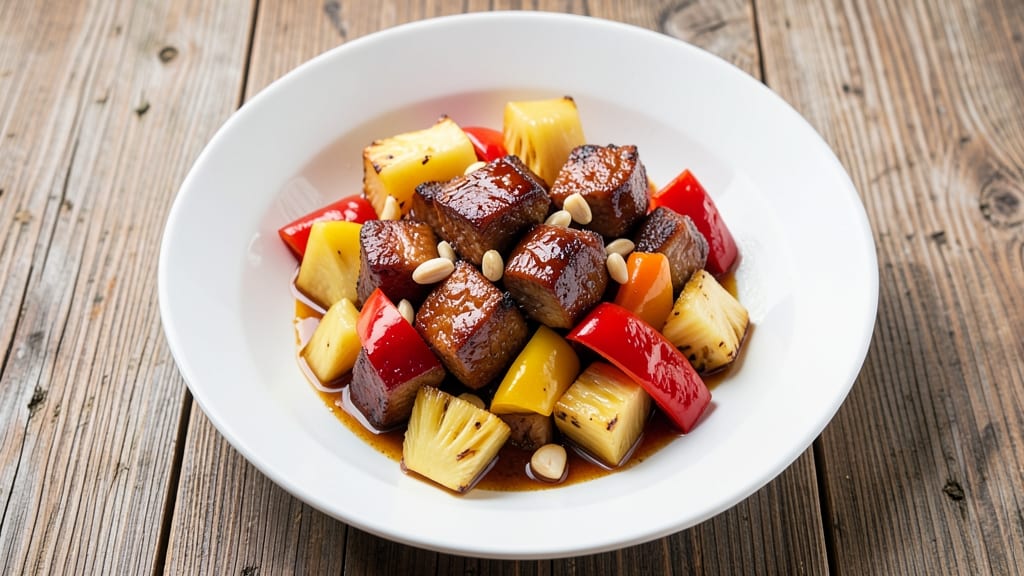
This pork pineapple peppers recipe delivers the perfect balance of sweet, tangy, and crispy—transforming simple ingredients into a restaurant-quality stir-fry. The secret lies in searing the pork to crispy perfection while caramelizing the pineapple and peppers for a sweet-spicy contrast that’ll have everyone asking for seconds.
After years of perfecting this dish at The Smoky Pig, I’ve streamlined it for home kitchens without sacrificing flavor. What sets this recipe apart is the marinade, where soy sauce, brown sugar, and a touch of garlic create a sticky, flavorful crust on the pork.
The peppers and pineapple get tossed in a quick glaze that enhances their natural sweetness while keeping the edges crispy from the stir-fry. It’s the kind of dish that’s foolproof yet feels special—ideal for weeknight dinners or weekend gatherings.
By the time you plate it—juicy pork over fluffy rice, topped with vibrant peppers and caramelized pineapple—you’ll have a dish that’s visually stunning and packed with bold flavors. The pork stays tender inside with a caramelized crust, while the peppers add a satisfying crunch that balances the sweetness.
Serve with steamed jasmine rice or a simple arugula salad to round out the meal. This recipe is designed to impress without the fuss, making it perfect for both casual and special occasions. Let’s get cooking!
Ingredients for pork pineapple peppers
Here’s what you’ll need to create this restaurant-quality stir-fry with perfect crispy edges.
| Ingredient | Amount | Notes |
|---|---|---|
| Boneless Pork Loin 🥩 | 1 ½ lb | Cut into 1-inch cubes |
| Red Bell Peppers 🧅 | 2 whole | Cut into strips |
| Yellow Bell Peppers 🧅 | 1 whole | Cut into strips |
| Fresh Pineapple 🍍 | 1 cup | Diced, fresh or canned |
| Garlic Cloves 🧄 | 4 cloves | Minced for marinade |
| Soy Sauce 🥄 | ½ cup | Low-sodium preferred |
| Brown Sugar 🍯 | ¼ cup | Packed, light or dark |
| Rice Vinegar 🍶 | 2 tbsp | For tangy balance |
| Sesame Oil 🫒 | 1 tbsp | Toasted for aroma |
| Vegetable Oil 🫒 | 2 tbsp | For stir-frying |
| Salt 🧂 | 1 tsp | Kosher or sea salt |
| Black Pepper 🌶️ | ½ tsp | Freshly ground |
| Green Onions 🧅 | 3 whole | Sliced, for garnish |
| Sesame Seeds 🌾 | 1 tbsp | Toasted for garnish |
| Jasmine Rice 🍚 | 2 cups | Uncooked, for serving |
The pork loin is key—look for center-cut at the butcher counter for the most tender pieces. Costco or Trader Joe’s often carry pre-cut boneless pork loin, but if buying whole, ask for it trimmed and cut into 1-inch cubes yourself. The bell peppers should be firm and vibrant, not soft or shriveled. I always grab a mix of red and yellow for color contrast. For pineapple, fresh is ideal, but canned in juice works in a pinch—just drain it well. The garlic? Freshly minced makes all the difference here, but pre-minced from a jar is fine if you're short on time.
No brown sugar? Honey or maple syrup at the same amount will work, but keep in mind it’ll add moisture. Substituting soy sauce? Coconut aminos gives a similar umami punch. If you’re avoiding sesame oil, avocado oil works for cooking, though it lacks the nutty aroma. The rice vinegar can be swapped for apple cider vinegar, but it’ll taste slightly different. For the peppers, jalapeños add heat if you want to spice things up. And if you’re prepping ahead, marinate the pork for up to 4 hours—it’ll stay juicy and develop deeper flavor.
Pork cubes keep best in the fridge for 2 days before cooking, while fresh peppers last about 5 days. The pineapple stays fresh for 3-4 days in the fridge, but frozen works too—just thaw and drain well. For the marinade, store any leftovers in a sealed container for up to 1 week. The jasmine rice should be cooked just before serving to keep it fluffy. This dish reheats beautifully—just toss with a splash of water and stir-fry again over medium heat. It’s even better the next day as the flavors meld.
Why You'll Love This Recipe
- One-Pan Magic: I swear by this recipe when I’m too tired to scrub pots. Slice the peppers, cube the pineapple, toss everything with the pork and garlic, and let the oven do the work—no flipping, no fussing. The peppers caramelize right alongside the pork, so you get that smoky-sweet edge without extra effort.
- Sweet-Savory Balance: Between us, the combo of juicy pineapple and charred bell peppers with tender pork is chef’s kiss. The acidity from the pineapple cuts through the richness of the pork, while the garlic keeps it bold. Honestly, it’s the kind of dish that makes you reach for seconds without even thinking.
- Weeknight Workhorse: This recipe is my go-to when I need something hearty but still feels light. Double the batch, and you’ve got Monday lunch covered—or bring it to a potluck, and it’ll disappear faster than the garlic bread. The peppers and pineapple hold up well in the fridge, so reheating is a breeze.
- Budget-Friendly Feast: Pork loin stretches far when paired with bell peppers and pineapple, and you’re using affordable staples. Fresh pineapple might seem pricier, but a single cup goes a long way, and the flavor makes it worth it. Plus, the peppers add color and crunch without breaking the bank—win-win.
Step-by-step instructions for sweet-tangy pork pineapple peppers stir-fry
Master this balance of textures and flavors with precise timing and high-heat technique.
Marinate and Prep the Pork for Maximum Flavor
In a medium bowl, combine the 1.5 lb boneless pork loin cut into 1-inch cubes with the 0.5 cup soy sauce, 0.25 cup brown sugar, 2 tbsp rice vinegar, 1 tbsp sesame oil, 1 tsp salt, and 0.5 tsp black pepper. Mix thoroughly until the pork is fully coated and the marinade clings to each piece. Cover and refrigerate for at least 30 minutes—this ensures tender, flavorful pork with a perfect sear later.
While the pork marinates, cut the 2 whole red bell peppers and 1 whole yellow bell pepper into ½-inch strips and dice the 1 cup fresh pineapple into ¼-inch cubes. Thinly slice the 3 whole green onions for garnish. The peppers should be uniform in size for even cooking, and the pineapple should be cut small enough to soften quickly without turning mushy.
Cook the Jasmine Rice to Al Dente Perfection
Rinse the 2 cups jasmine rice under cold water until the water runs clear, then drain well. Cook according to package instructions—typically a 1:1.5 rice-to-water ratio—using a rice cooker or pot with a tight-fitting lid. The rice should be just tender when done, not fully soft. Fluff gently with a fork and keep warm, covered, until ready to serve. This step can be done simultaneously with marinating the pork.
Here's the thing—jasmine rice has a delicate texture that absorbs flavors beautifully. If you overcook it, the grains will turn mushy and lose their signature aroma. Test doneness by pressing a grain between your fingers—it should hold its shape but still be tender.
Stir-Fry the Pork Until Golden and Crispy
Heat a large skillet or wok over high heat until a drop of water sizzles violently. Add 1 tbsp vegetable oil and swirl to coat the pan. Remove the pork from the marinade (reserve the marinade) and shake off any excess. Working in batches if needed, add the pork to the pan and cook undisturbed for 2-3 minutes until golden brown and crispy on all sides. This is critical for achieving that perfect texture we're after.
Once the pork is browned, transfer it to a plate and set aside. Add the remaining 1 tbsp vegetable oil to the pan, then toss in the minced 4 cloves garlic and stir for 10 seconds until fragrant. Add the bell pepper strips and cook for 3-4 minutes until they begin to soften but still retain a slight crunch. The peppers should be vibrant and just starting to caramelize at the edges.
Combine Everything for the Perfect Sweet-Tangy Sauce
Return the pork to the pan along with the reserved marinade. Add the diced pineapple and stir everything together. Reduce heat to medium-high and let the mixture simmer for 4-5 minutes, stirring occasionally, until the sauce thickens slightly and coats the pork and vegetables. You're looking for a glossy, sticky sauce that clings to everything—this ensures every bite is packed with flavor.
The pineapple will release its juices, creating a natural sweetness that balances the tangy soy and vinegar. If the sauce seems too thin after simmering, reduce heat to medium and cook for another 1-2 minutes to let it thicken. Taste and adjust seasoning if needed—you might want to add a touch more soy sauce for saltiness or rice vinegar for tang.
Finish with Toasted Sesame Seeds and Serve
In a small dry skillet, toast the 1 tbsp sesame seeds over medium heat for 1-2 minutes, stirring constantly, until they turn a rich golden brown and release their nutty aroma. Immediately sprinkle them over the stir-fry along with the sliced green onions. The seeds add a delightful crunch and visual appeal that elevates the dish.
Serve the pork pineapple peppers stir-fry immediately over the cooked jasmine rice, ensuring each portion gets a generous helping of both. The contrast of crispy pork, tender peppers, sweet pineapple, and fragrant rice creates a harmonious balance of textures and flavors. Don't forget to taste as you go—adjusting seasoning at the table ensures it's perfect for your palate.
Pro Tips For Making Pork Pineapple Peppers
- Slice Pork Thinly, Evenly: I learned this the hard way—uneven slices mean some pork gets rubbery while others stay undercooked. Use a sharp knife and cut the boneless pork loin into ¼-inch thick strips (about 1.5cm), then freeze them for 15 minutes before cooking. This keeps them from curling up in the pan like frustrated little noodles.
- Char Peppers First: High heat. Seriously, crank it up. Sear the sliced bell peppers (red and yellow) in a dry pan for 2-3 minutes per side before adding anything else. That caramelized char is what makes this dish taste like it came from a restaurant, not just a weeknight kitchen.
- Drain Pineapple, Don’t Rinse: Fresh pineapple adds sweetness, but the juice pools and steams the pork instead of browning it. After chopping, pat the chunks dry with a paper towel—yes, even if it feels wasteful. You’ll get better searing and a crispier texture that holds up in the sauce.
- Deglaze with Pineapple Juice: Instead of just tossing in pineapple chunks, save 2 tablespoons of the juice from the chopped fruit and use it to deglaze the pan after cooking the pork. It scrapes up all the browned bits (the flavor bombs) and keeps the sauce from turning watery. (Your future self will thank you.)
Regional styles of this recipe
Southern BBQ Twist
In the Southeast, we take this dish up a notch by adding a smoky element. After stir-frying the pork, transfer it to a smoker set to 225°F for 10-15 minutes to infuse that deep, wood-fired flavor. I use hickory chips for a classic Southern touch.
The peppers and pineapple get tossed with a quick glaze of ½ cup BBQ sauce mixed with 1 tbsp apple cider vinegar before serving. This version reminds me of my early days at The Smoky Pig, where we'd experiment with fusion flavors. 🔥
Hawaiian Luau Fusion
For a tropical twist, swap the stir-fry for a grill and add teriyaki sauce instead of soy sauce in the marinade. Use pineapple rings instead of diced pineapple, and toss the peppers with 1 tbsp grated ginger and 1 tbsp lime juice before grilling.
Serve over coconut rice for an authentic Hawaiian vibe. I first tried this version at a luau in Maui and it became an instant crowd-pleaser. The sweetness of the pineapple and the smoky char of the grill create a perfect balance. 🌺
Caribbean Jerk Style
Bring the bold flavors of Jamaica to your table by marinating the pork in a jerk-inspired blend. Replace the soy sauce with ½ cup jerk seasoning (I like Epico Jerk Seasoning) and add 1 tbsp Scotch bonnet pepper for serious heat.
After cooking, serve the stir-fry with mango salsa made from 1 diced mango, ½ red onion, and cilantro. The jerk seasoning adds a deep, smoky complexity that pairs perfectly with the sweet pineapple and peppers.
This version is perfect for those who love a little spice with their sweet. 🌶️
Asian-Inspired Glazed Version
For an Asian-inspired take, replace the brown sugar with ¼ cup honey and add 1 tbsp grated ginger and 1 tbsp rice wine to the marinade. After stir-frying, toss everything with 2 tbsp hoisin sauce and 1 tbsp sriracha for a sweet-spicy glaze.
Garnish with crushed peanuts and extra green onions. This version is inspired by my time in Bangkok, where I fell in love with the balance of sweet, spicy, and umami flavors. The hoisin sauce adds a rich depth that ties everything together beautifully. 🥢
Spicy Carolina Reuben
For a Southern-inspired twist, add ½ cup sauerkraut to the stir-fry and top with Swiss cheese that melts slightly from the heat. Use Russian dressing (a tangy, mayo-based sauce) instead of the sesame oil for a Carolina Reuben-inspired flavor.
Serve on a toasted rye bread instead of rice for a hearty, sandwich-style dish. This version is a fun mashup of two Southern classics and works perfectly as a main course or even a late-night snack. 🥪
Nutrition facts
Frequently asked questions
Can I use chicken instead of pork in this recipe?
Chicken works beautifully—just reduce marinating time to 20-30 minutes (chicken absorbs flavors faster) and cook it for 5-6 minutes per side until golden. Use boneless, skinless thighs for juicier results. The sweet-tangy balance will still shine, but the texture will be slightly lighter.
How do I adjust the spice level if I don't like heat?
Remove the seeds and membranes from the peppers before cutting them—this cuts the spice by 70%. For extra mildness, swap bell peppers for jalapeños (seeds removed) or use only yellow bell peppers (naturally sweeter). The pineapple's natural sweetness will balance any remaining heat beautifully.
Can I make this recipe ahead of time?
Yes, but with a few tweaks! Cook the pork and vegetables completely, then store them in an airtight container for up to 3 days. Reheat gently in a skillet with a splash of water to restore moisture. For best texture, add fresh toasted sesame seeds and green onions just before serving. The flavors actually deepen overnight!
What's the best way to store leftovers?
Store in a sealed container in the fridge for 3-4 days. For longer storage, freeze portions for up to 3 months. Thaw overnight in the fridge—never at room temperature—and reheat slowly over medium heat with a splash of water to prevent drying. The rice should be cooked fresh when reheating to maintain texture.
Why did my peppers turn mushy?
Overcooking is the most common cause—peppers should cook for just 3-4 minutes until tender-crisp. Another culprit is cutting them too small (stick to ½-inch strips). For extra crispness, blanch them in boiling water for 1 minute** before stir-frying. The pineapple's acidity also softens peppers faster, so add it last.