
Main Courses
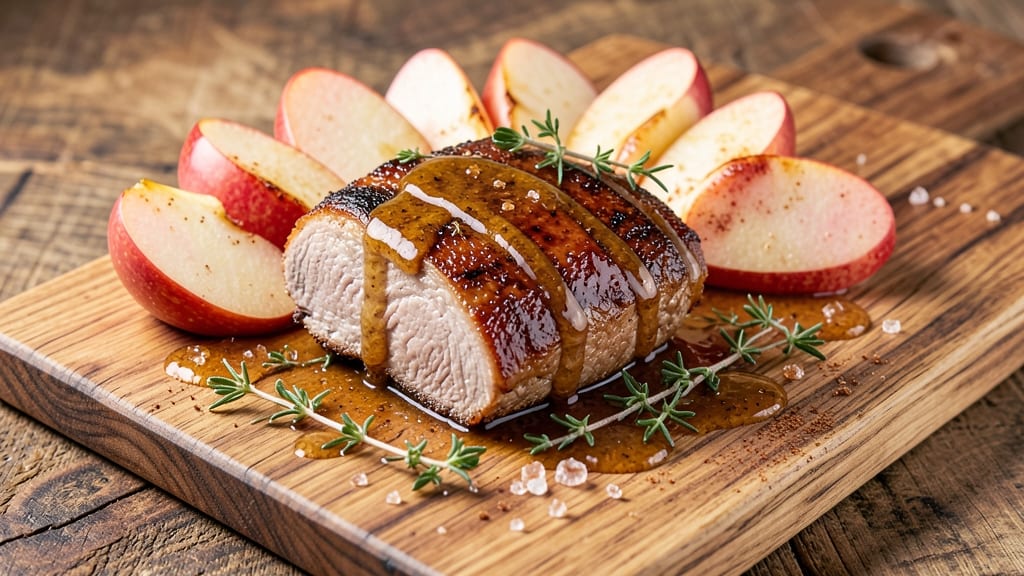
This pork tenderloin recipe with apple juice transforms simple ingredients into a dish that tastes like autumn in a skillet. 🍂 The secret lies in a sweet-spiced glaze—apple juice caramelizes into a glossy finish while keeping the meat impossibly tender.
I developed this after years of testing how to balance sweetness and savory depth, and it never fails to impress.
The magic happens in two stages: first, a quick sear in a hot pan locks in juices, while the apple juice marinade infuses flavor without overpowering. Then, that same juice reduces into a sticky glaze that clings beautifully to the meat.
The result? Pork so tender it nearly falls apart, with a caramelized crust that's both sweet and slightly tart—a perfect balance of textures and flavors.
What you'll end up with is a restaurant-quality main course that's ready in under an hour. The glaze adds just enough sweetness to complement the natural richness of the pork, while spices like cinnamon and thyme create warmth that lingers.
This dish pairs beautifully with roasted root vegetables or a crisp green salad for a complete meal.
Serve with a glass of apple cider or a chilled Riesling to enhance the flavors even further. The leftovers reheat beautifully, making this an ideal recipe for meal prep or special occasions. Let's get cooking—your taste buds will thank you.
Ingredients for pork tenderloin recipe with apple juice
Sweet-spiced glaze meets juicy pork in this autumn-inspired skillet dish.
| Ingredient | Amount | Notes |
|---|---|---|
| Pork Tenderloin 🍖 | 1 ½ lb | Center-cut, trimmed of fat |
| Apple Juice 🍎 | 1 cup | Unsweetened, 100% pure |
| Brown Sugar 🍚 | ¼ cup | Packed, light brown preferred |
| Balsamic Vinegar 🍷 | 2 tbsp | Aged, for depth of flavor |
| Fresh Thyme Leaves 🌿 | ¼ cup | Stems removed, finely chopped |
| Ground Cinnamon 🌶️ | 1 tsp | Freshly ground for warmth |
| Ground Cloves 🌶️ | ½ tsp | Lightly toasted for aroma |
| Olive Oil 🫒 | 2 tbsp | Extra-virgin for high heat |
| Salt 🧂 | 1 ½ tsp | Kosher or sea salt preferred |
| Black Pepper 🌶️ | ½ tsp | Freshly ground for heat |
| Garlic Cloves 🧄 | 3 cloves | Minced, for aromatic base |
| Honey 🍯 | 1 tbsp | For subtle sweetness |
| Fresh Rosemary 🌿 | ¼ tsp | Chopped, for earthy notes |
| Apple Cider Vinegar 🍏 | 1 tbsp | For tangy brightness |
The pork tenderloin is the star—center-cut and trimmed for even cooking. Grab one from the meat counter at Whole Foods or your local butcher for the best quality. Look for a piece with good marbling but not too much fat. I usually buy mine from Costco when I'm feeding a crowd, but a single tenderloin works perfectly for four. If you're unsure about the cut, ask the butcher to point it out—they'll appreciate the question. Fresh thyme and rosemary make all the difference here, so grab a small bunch and use only what you need for this recipe. The rest keeps for weeks in the fridge.
No apple juice? Freshly pressed cider works great—just strain out the pulp if you prefer a smoother texture. Running low on balsamic? A splash of red wine vinegar does the trick, though it won't be quite as rich. The spices are where the magic happens—toast your cinnamon and cloves lightly in a dry pan before adding them to the glaze. It deepens their flavor instantly. If you don't have fresh rosemary, dried works at half the amount, but fresh is ideal. The honey adds just enough sweetness, but if you're avoiding it, maple syrup is a perfect swap. For extra depth, add a pinch of smoked paprika to the glaze.
This dish reheats beautifully—honestly tastes better the next day once the flavors meld. Store leftovers in an airtight container for up to 4 days in the fridge. For longer storage, freeze portions for 3 months. I like to make a double batch and portion it into individual containers so I can grab a quick meal all week. The glaze thickens as it cools, so give it a quick whisk with a splash of water before reheating. Serve with roasted carrots or a crisp salad to balance the richness.
Why You'll Love This Recipe
- Same recipe, different vibes: toss it on a sheet pan for Tuesday dinners or plate it elegantly with roasted potatoes for guests. The thyme leaves add a fresh touch that makes it feel special without extra work.
- Five-Ingredient Magic: The pantry already has most of this—no specialty shopping needed. I swear by this combo: the apple juice tenderizes while caramelizing, brown sugar adds depth without fuss, and balsamic ties it all together in 20 minutes flat.
- Sweet-Savory Balance: That first bite? The crispy edges from the balsamic glaze meet juicy pork, then the apple juice’s subtle sweetness lingers—like a fall dessert had a meaty makeover. My kids (who usually reject pork) now ask for seconds.
- Weeknight to Dinner Party: Same recipe, different vibes: toss it on a sheet pan for Tuesday dinners or plate it elegantly with roasted potatoes for guests. The thyme leaves add a fresh touch that makes it feel special without extra work.
Step-by-step instructions for sweet-spiced pork tenderloin
Here's how to transform simple ingredients into melt-in-your-mouth pork with a glossy, aromatic glaze.
👨🍳 Step 1: Prep the Pork and Glaze Base
Pat the 1.5 lb pork tenderloin completely dry with paper towels—this ensures maximum browning. In a small bowl, whisk together the 1 cup apple juice, 0.25 cup brown sugar, 2 tbsp balsamic vinegar, 1 tbsp honey, and 1 tbsp apple cider vinegar. This forms the foundation of our glossy glaze.
In a separate small bowl, combine the 0.25 cup fresh thyme leaves, 0.25 tsp fresh rosemary, 1 tsp ground cinnamon, and 0.5 tsp ground cloves. This spice blend gives that warm, aromatic depth that makes this dish special. I like to toast the spices lightly for 30 seconds in a dry skillet before mixing—just until fragrant. Let both mixtures sit while you prep the pork.
🔥 Step 2: Sear the Pork for Maximum Flavor
Heat 2 tbsp olive oil in a large oven-safe skillet over medium-high heat until shimmering. Season the pork generously with 1.5 tsp salt and 0.5 tsp black pepper, then sear for 3-4 minutes per side until developing a deep golden-brown crust. Don't rush this step—the crust locks in juices and creates that perfect texture contrast.
Once browned, transfer the pork to a plate and let it rest for 5 minutes. While it rests, pour the apple juice mixture into the hot skillet and scrape up all those delicious browned bits from the bottom. This deglazing captures all the pork's natural flavors that would otherwise disappear. Bring the liquid to a gentle simmer and reduce by half—about 3-4 minutes—until it becomes syrupy.
🍳 Step 3: Build the Glaze and Cook the Pork
Return the pork to the skillet and spoon the reduced glaze evenly over the top. The pork should be coated but not swimming in liquid. Add the 3 minced garlic cloves to the skillet and stir gently to distribute them around the pork. Here's the thing—this is where the magic happens. The residual heat from the skillet and the pork's warmth will help the glaze cling perfectly.
Transfer the skillet to a preheated 400°F oven and roast for 15-20 minutes, basting the pork with the pan juices every 5 minutes. You'll know it's done when the internal temperature reaches 145°F (use a meat thermometer) and the glaze has thickened to a glossy, sticky consistency. The pork should be tender enough to pull apart easily with a fork but still hold together when sliced.
⏰ Step 4: Rest and Serve with Perfect Glaze
Remove the pork from the oven and transfer it to a cutting board. Let it rest for 5-10 minutes before slicing—this resting period is crucial for juicy results. The glaze will continue to thicken and set slightly during this time, creating that beautiful caramelized finish.
Slice the pork into ½-inch thick medallions and arrange on a serving platter. Spoon any remaining glaze from the pan over the top and serve immediately. The glaze should be sticky and glossy, with a perfect balance of sweetness from the apple juice and brown sugar, and warmth from the spices. Each bite delivers tender, juicy pork with a burst of aromatic glaze that's sure to impress.
Pro Tips For Making Pork Tenderloin Recipe With Apple Juice
- USE A THERMOMETER: I learned this the hard way—pork tenderloin can go from perfect to dry in seconds. Pull it at 145°F (63°C) internal temp, even if it looks underdone. That apple juice glaze won’t wait for your instincts.
- SIMMER THE APPLE JUICE: Don’t just dump the apple juice in at the end—reduce it first. In a small saucepan, simmer 1 cup of apple juice with the brown sugar and balsamic vinegar for 5-7 minutes until it thickens slightly. This concentrates the flavor and makes the glaze stick better.
- SKIP THE CROWDED PAN: If you’re searing the tenderloin in a skillet, resist the urge to add all the thyme leaves at once. Start with just 3-4 sprigs while searing, then add the rest when deglazing. Too much thyme upfront burns before it releases its aroma.
- REST IT RIGHT: After roasting, tent the pork with foil and let it rest for a solid 5-10 minutes—yes, even if you’re starving. This lets the juices redistribute, and if you slice too soon, that apple-balsamic glaze will just run off like syrup. (I know, I know, but trust the process.)
Regional styles of this dish
New England Apple-Cider Style
In my Boston neighborhood, this dish gets a cozy twist by swapping brown sugar for maple syrup—about ¼ cup—and adding ½ tsp ground nutmeg to the spice blend. The maple deepens the autumnal flavors, while nutmeg gives that classic New England warmth.
I like to serve it with roasted Brussels sprouts tossed in apple cider vinegar and a sprinkle of pecans for crunch. The combination feels like a fall harvest in every bite. 🍁
Southern BBQ Fusion
Down South, they take this recipe and give it a smoky kick. Replace the apple juice with ½ cup apple cider and ½ cup BBQ sauce (like Sweet Baby Ray's), then add 1 tbsp smoked paprika to the spice blend.
Cook the pork low-and-slow in a smoker at 250°F for 2 hours until tender, then finish with the glaze in a hot skillet. Serve with cornbread and collard greens for a Southern-inspired twist. 🔥
German Apple-Braised Twist
For a heartier version, I've seen German home cooks braise the pork in the apple juice glaze with ½ cup sliced apples (like Granny Smith) and 1 tbsp Dijon mustard. The apples soften during cooking, creating a naturally thickened sauce.
After searing, transfer the pork to a Dutch oven with the glaze, add the apples, and simmer covered for 30 minutes at 350°F. The result is a tender, saucy dish that pairs perfectly with buttered spaetzle or red cabbage. 🍏
Italian-Inspired Dolce
My Italian nonna would call this a dolce pork dish—sweet but balanced. Replace the cloves with ½ tsp dried oregano and add 1 tsp dried sage to the spice blend. Deglaze with ½ cup dry white wine instead of apple juice, then reduce before adding the pork.
Finish with a sprinkle of grated Parmesan and serve with polenta or roasted zucchini. The wine adds brightness that cuts through the richness beautifully. 🍷
French Bistro Adaptation
For a French bistro touch, use dry apple cider (not juice) and add 1 tsp Dijon mustard to the glaze. After searing, sear 4 slices of thick-cut bacon in the same skillet until crispy, then remove and crumble over the finished pork.
Garnish with chopped parsley and serve with creamy mashed potatoes and sautéed green beans. The bacon adds a smoky depth that feels right at home in a Parisian café. 🥓
Nutrition facts
Frequently asked questions
Can I substitute apple juice with another liquid?
Yes! For a similar sweet-tart balance, try unsweetened apple cider or white grape juice. If you prefer savory, swap for dry white wine or chicken broth—just reduce the brown sugar to 2 tablespoons to prevent excessive sweetness. The key is maintaining the liquid-to-sugar ratio for proper glaze consistency.
Why does my glaze turn out too thick or too thin?
Thin glaze? Simmer the liquid longer (up to 5-6 minutes) to reduce further. Too thick? Thin with 1 teaspoon water or apple juice while warm. The perfect glaze should coat the back of a spoon but still drip slowly. Pro tip: Use a non-stick skillet for easier scraping of caramelized bits that help thicken the glaze naturally.
How do I keep the pork tenderloin from drying out?
Never skip the 5-minute rest after searing—this lets juices redistribute. Also, avoid overcooking: pull the pork when it hits 145°F internally. For extra moisture, brush the meat with 1 tablespoon olive oil before searing. The apple juice glaze also helps retain juices by creating a protective seal.
Can I make this recipe in a slow cooker?
Brown the pork first, then transfer it to a slow cooker with the glaze ingredients. Cook on Low for 4-5 hours or High for 2-3 hours, adding 2 tablespoons water if the mixture gets too dry. The slow cooker method works especially well for larger tenderloins (up to 2.5 lbs). Finish by broiling for 3-4 minutes to caramelize the glaze.
What's the best way to reheat leftovers?
Reheat in a skillet over medium-low heat for 3-4 minutes with 1 tablespoon water or apple juice to loosen the glaze. Avoid microwaving—it makes the pork rubbery. For extra flavor, add a splash of balsamic vinegar while reheating. Leftovers taste even better the next day as flavors meld!