
Main Courses
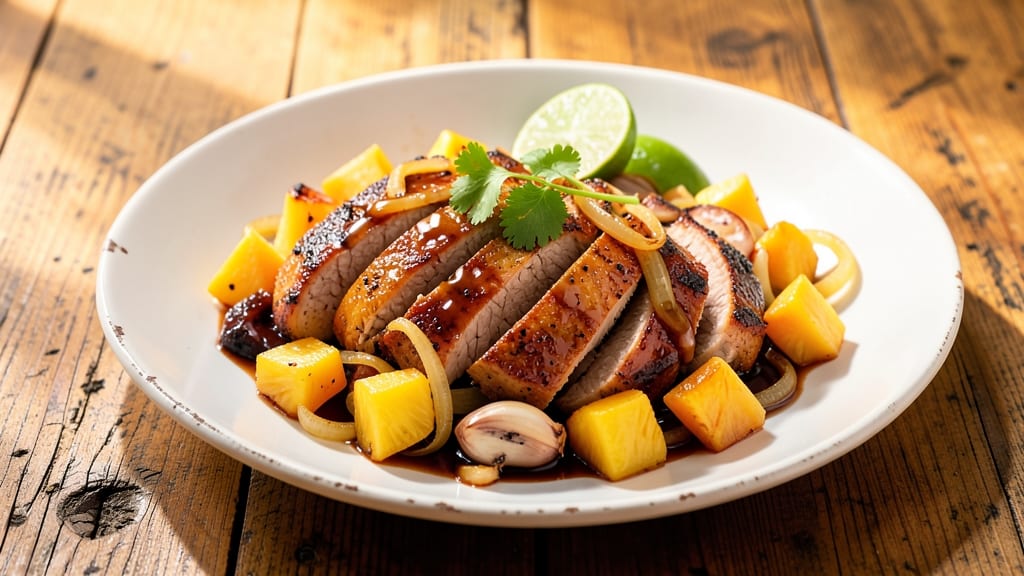
This Pork With Pineapple Pinoy recipe brings the bold, sweet-savory flavors of Filipino comfort food to your table in just 20 minutes. 🔥 Growing up in Georgia, I first tasted this dish at a neighborhood fiesta, where the caramelized pork and juicy pineapple created a perfect balance that stuck with me.
The secret lies in the marinade—sweet, tangy, and just spicy enough to make your taste buds dance.
What makes this recipe special is how it transforms simple ingredients into something restaurant-quality without requiring hours of prep. Thinly sliced pork cooks quickly in a hot pan, absorbing the marinade's flavors while the pineapple adds natural sweetness that cuts through the richness.
The key technique? Don't overcrowd the pan—this ensures the pork stays tender and caramelizes beautifully.
By the time you're done, you'll have a dish that's juicy, slightly crispy at the edges, and bursting with tropical sweetness—perfect over steamed rice or with a side of atchara for that authentic Filipino tang.
The aroma alone will have everyone asking for seconds, and the best part? It's a one-pan wonder that leaves your kitchen clean and your guests impressed.
This recipe works equally well for weeknight dinners or weekend gatherings. The marinade keeps well in the fridge, so you can prep ahead and cook on demand.
Whether you're serving a crowd or treating yourself to a taste of the Philippines, this dish delivers bold, satisfying flavors that feel like a hug in every bite.
Ingredients for pork with pineapple pinoy
Sweet, tangy, and packed with bold flavors—these ingredients transform into a restaurant-quality stir-fry in minutes.
| Ingredient | Amount | Notes |
|---|---|---|
| Boneless Pork Shoulder 🥩 | 1 ½ lb | Thinly sliced against grain |
| Fresh Pineapple 🍍 | 1 ½ cups | Diced, juicy variety preferred |
| Yellow Onion 🧅 | 1 whole | Thinly sliced, white or yellow |
| Garlic Cloves 🧄 | 6 cloves | Minced, fresh preferred |
| Soy Sauce 🍶 | ½ cup | Light or all-purpose |
| Calamansi Juice 🍋 | ¼ cup | Or substitute lime juice |
| Brown Sugar 🍚 | ¼ cup | Light or dark |
| Fish Sauce 🐟 | 1 tbsp | Red Boat preferred |
| Black Peppercorns 🌶️ | ½ tsp | Freshly ground |
| Vegetable Oil 🫒 | 2 tbsp | High smoke point |
| Fresh Chili Peppers 🌶️ | 1 whole | Thinly sliced, optional |
| Salt 🧂 | 1 tsp | Kosher or sea salt |
| Green Onions 🧅 | 2 whole | Sliced, for garnish |
The pork is everything here—boneless shoulder gives the best texture when sliced thinly against the grain. Ask your butcher to slice it if you're unsure, or freeze it 30 minutes before slicing for easier cutting. For the pineapple, pick a juicy, ripe one—those sweet yellow varieties like Gold or Smooth Cayenne work perfectly. Trader Joe's often has pre-diced pineapple in the frozen section, which saves time. The calamansi is the secret weapon for that authentic Filipino tang, but lime juice works in a pinch—just double the amount. If you can't find fish sauce, soy sauce plus a pinch of sugar mimics it decently.
No calamansi? Double the lime juice and add a pinch of sugar to balance the tartness. Running low on brown sugar? White sugar works fine, though it won't caramelize as beautifully. The chili peppers are optional but add that signature heat—skip them if you're serving kids or sensitive eaters. For extra depth, toast the garlic in the oil before adding the onions—it makes a world of difference. The soy sauce should be light or all-purpose, not the thick, dark variety. And trust me, freshly ground black pepper tastes like night and day compared to pre-ground.
This dish tastes even better the next day—double the batch and store leftovers in an airtight container for up to 4 days. The flavors meld beautifully overnight. For freezing, portion into single servings and thaw in the fridge before reheating. The pineapple releases juice as it cooks, so pat the pork dry before slicing to keep it tender. Garnish with those bright green onions right before serving—they add a fresh pop of color and crunch that makes the dish feel extra special.
Why You'll Love This Recipe
- One-Pan Magic: I swear by this recipe when I’m too tired to scrub a million dishes—just brown the pork, toss in the onions and garlic, then let the pineapple caramelize right in the same pan. No fancy gadgets, no stress.
- Sweet-Savory Balance: That first bite? The soy sauce and garlic give it a deep umami punch, while the fresh pineapple cuts through with just the right tang—like a hug for your taste buds. Honestly, the contrast is what makes it addictive.
- Leftover Hero: This dish actually tastes better the next day, especially when reheated with a splash of water or broth. I make double batches because it’s perfect for lunches, sandwiches, or even quick stir-fries—no one ever complains.
- Budget-Friendly Feast: Pork shoulder stretches for miles, and pineapple adds freshness without breaking the bank. Between us, this is my go-to when I need to feed a crowd without sacrificing flavor or my wallet. (Yes, even on a Tuesday night.)
Step-by-step instructions for pork with pineapple pinoy recipe
Here's how to create this vibrant, sweet-savory stir-fry with restaurant-quality balance.
🍳 Step 1: Marinate and Slice the Pork Perfectly
Slice the 1.5 lb boneless pork shoulder thinly against the grain into ¼-inch thick strips—this ensures tender results. In a bowl, combine the sliced pork with the 0.5 cup soy sauce, 0.25 cup calamansi juice, 1 tbsp fish sauce, and 1 tsp salt. Mix well and let it marinate for at least 15 minutes (or up to 2 hours in the fridge). The acid in the calamansi will tenderize the meat while building deep umami flavors.
While the pork marinates, dice the 1.5 cups fresh pineapple into ½-inch cubes—smaller pieces caramelize faster and release juices more evenly. Thinly slice the whole yellow onion and 1 whole fresh chili pepper (if using) into ¼-inch strips. I always use a sharp chef's knife for clean cuts—this prevents the pineapple from turning mushy during cooking.
🔥 Step 2: Stir-Fry the Aromatics and Pork
Heat a large wok or skillet over high heat until smoking, then add the 2 tbsp vegetable oil. Once shimmering, add the sliced pork in a single layer and let it sear undisturbed for 2-3 minutes until the edges turn golden brown. This initial sear locks in juices and builds flavor. Stir-fry for another 3-4 minutes until the pork is 80% cooked—it'll finish in the sauce.
Push the pork to one side of the pan and add the sliced yellow onion, 6 minced garlic cloves, and 0.5 tsp freshly ground black peppercorns. Stir-fry for 1-2 minutes until the onions soften and the garlic turns golden—this releases their sweet, aromatic oils. If the pineapple releases juice during slicing, drain it slightly with a paper towel to prevent a soggy stir-fry.
🥘 Step 3: Build the Sweet-Savory Sauce
Return the pork to the center of the pan and add the diced pineapple, 0.25 cup brown sugar, and any reserved marinade. Stir everything together and let it cook for 3-4 minutes until the pineapple begins to soften slightly but still holds its shape. The sugar will start caramelizing, creating that signature glossy sheen.
Pour in the remaining marinade (if any) and reduce the heat to medium-high. Let the mixture simmer for 2-3 minutes until the sauce thickens slightly and coats the back of a spoon. Taste and adjust seasoning—you might need a splash more soy sauce or fish sauce for balance. The pineapple should be tender but still slightly crisp, and the pork fully cooked with a tender yet slightly chewy texture.
⏰ Step 4: Finish and Garnish
Remove the stir-fry from heat and let it rest for 2 minutes—this allows the flavors to meld. Garnish with sliced green onions and serve immediately over steamed rice or noodles. The contrast of warm rice with the vibrant, slightly sticky pork and pineapple is pure comfort food magic.
Here's the thing—this dish tastes even better the next day as the flavors deepen. If you have leftovers, store them in the fridge for up to 3 days, but reheat gently to preserve that caramelized texture. The secret to perfect balance? Taste as you go and adjust the sweet-savory ratio to your preference.
Pro Tips For Making Pork With Pineapple Pinoy
- CRISP THE PORK FIRST: Skip the slow braising if you want a better texture—sear the pork shoulder in a hot pan with a splash of water until it’s deeply browned. That crust locks in flavor and keeps the meat tender even after hours of cooking. (Yes, even if you’re impatient like me, don’t rush this part.)
- CUT PINEAPPLE IN EVEN PIECES: Uneven chunks? They’ll cook at different rates and turn mushy. Slice the pineapple into 1-inch cubes—big enough to taste fresh but small enough to soften evenly. Pro tip: Remove the core first, then cut lengthwise into strips before dicing.
- DON’T OVERLOAD THE PAN: Crowd the pork and onions, and you’ll steam instead of brown. Work in batches if needed—just 2-3 inches of space between pieces guarantees a proper sear. I learned this the hard way when my first batch came out soggy.
- USE COLD SOY SAUCE: Dump warm soy sauce into the pan, and you’ll end up with a thin, salty glaze. Chill the soy sauce first, then add it in the last 5 minutes of cooking. It’ll thicken beautifully and coat the pork without turning into a watery sauce. (Your future self will thank you.)
Storing and reheating this dish
Refrigerator Storage
Store your cooked pork with pineapple in an airtight container for up to 3 days in the fridge. I like using glass containers because they keep the dish fresh longer and prevent any off-flavors from plastic.
Let the dish cool completely before storing to avoid condensation, which can make the pork soggy. The flavors actually deepen overnight, making it even more delicious for lunch the next day. 💫
Freezer Storage
For longer storage, portion the dish into single-serving airtight containers and freeze for up to 3 months. The pineapple releases juice as it thaws, so I recommend laying parchment paper between layers if freezing in bulk.
When reheating from frozen, add 1 tablespoon of water to the pan to prevent drying out. Thaw overnight in the fridge for best texture.
Reheating Methods
For stovetop reheating, warm the dish over medium heat with a splash of water or pineapple juice to restore moisture. Stir frequently to prevent sticking, and heat until reaching 165°F internal temperature.
Microwave reheating works too—cover with a damp paper towel and heat in 1-minute intervals on 50% power to preserve texture. Never reheat in the microwave without covering, or you'll end up with a dry mess.
Texture Preservation
The key to reheating success is gentle heat. High heat turns the pineapple mushy and dries out the pork. I often reheat just enough to warm through, then finish with a quick sear in a hot pan to restore that caramelized crust.
For extra flavor, add a pinch of salt and a squeeze of calamansi juice when reheating—it brings back that fresh-from-the-pan taste.
Serving Leftovers
Leftovers make fantastic lunches or quick dinners. Serve over steamed jasmine rice or garlic fried rice to soak up any extra sauce. Garnish with fresh green onions and a sprinkle of crushed black pepper to refresh the flavors.
If the dish seems dry after reheating, drizzle with a little soy sauce or pineapple juice to restore moisture and brightness.
Nutrition facts
Frequently asked questions
Can I use canned pineapple instead of fresh?
Yes, but with a few adjustments! Use 1 (20 oz) can of pineapple chunks (well-drained) and reduce the sugar by 1 tablespoon since canned pineapple is often pre-sweetened. For extra texture, add 1 tablespoon pineapple juice to the marinade to mimic fresh juices. Drain the pineapple thoroughly before cooking to avoid a watery stir-fry.
What's the best cut of pork for this recipe?
For this dish, pork shoulder or pork tenderloin work perfectly. Shoulder stays juicy when sliced thinly, while tenderloin cooks faster. If using tenderloin, reduce cooking time by 1-2 minutes since it's leaner. Never use pork chops—they're too thick and won't cook evenly in this quick stir-fry method.
How do I make this dish less sweet?
Reduce the brown sugar to 2 tablespoons and increase the soy sauce to 0.6 cup. For extra tang, add 1 tablespoon more calamansi juice (or lime juice). If you prefer savory, skip the sugar entirely and use 1 tablespoon fish sauce plus 1 teaspoon sugar instead—this adds umami without sweetness.
Can I make this in a slow cooker?
Cook on low for 4-5 hours or high for 2-3 hours. Use 1/2 cup water instead of oil, and reduce the sugar to 2 tablespoons (the long cooking time intensifies sweetness). The pork will be fork-tender, but the pineapple will soften more—best served over rice with a side of pickled vegetables to cut the richness.
What's the secret to keeping the pineapple from turning mushy?
Dice the pineapple just before cooking and pat it dry with paper towels to remove excess moisture. Use medium-high heat and cook the pineapple for only 3-4 minutes—it should be tender but still slightly firm. If using canned pineapple, drain it thoroughly and squeeze out any liquid with your hands before adding to the pan.