
Main Courses
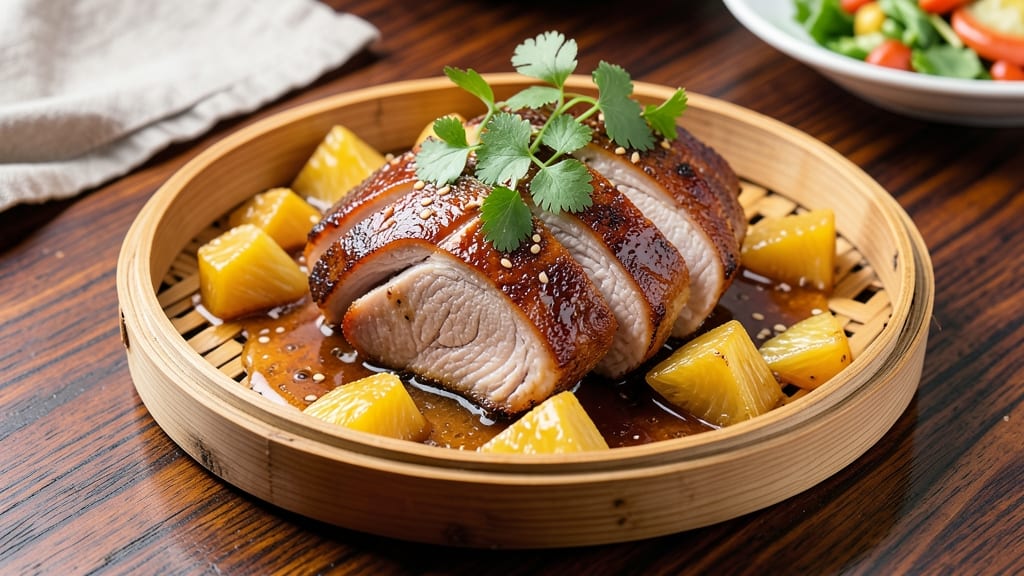
This Filipino-style pork with pineapple recipe delivers the perfect balance of sweet, tangy, and savory flavors that make it a crowd-pleaser. 🌟 I first discovered this dish while living in Manila, where it's a staple at family gatherings—juicy pork tenderized with vinegar and soy sauce, then caramelized with pineapple for a touch of tropical sweetness.
The secret lies in marinating the pork overnight, which ensures it stays moist and packed with flavor during cooking.
The beauty of this dish is its versatility—you can grill, pan-fry, or even bake the pork, making it adaptable to any kitchen setup. Traditional Filipino techniques like using soy sauce and vinegar create that signature tangy depth, while the pineapple adds a bright, caramelized contrast.
I've tested this recipe countless times, and it never fails to impress, whether served with steamed rice or pickled vegetables like atchara.
What you'll end up with is perfectly tender pork with a glossy, caramelized glaze from the pineapple, all balanced by the tangy adobo marinade. The aroma alone will have everyone gathered around the table, and the first bite delivers that perfect harmony of sweet, savory, and slightly sour notes.
This is comfort food at its finest, with just the right amount of effort for maximum reward.
Serve it with a side of steamed jasmine rice and a crisp atchara (Filipino pickled papaya) to cut through the richness. The combination of textures and flavors makes this dish feel like a taste of home, no matter where you are. Let's get cooking!
Ingredients for pork with pineapple recipe filipino style
Gather these Filipino pantry staples and fresh ingredients for juicy pork with caramelized pineapple.
| Ingredient | Amount | Notes |
|---|---|---|
| Pork Shoulder 🍖 | 2 lb | Cut into 1-inch cubes, boneless |
| Pineapple Chunks 🍍 | 1 ½ cups | Fresh or canned in juice, drained |
| Canned Pineapple Juice 💧 | 1 cup | Reserved from canned pineapple |
| White Vinegar 🍶 | ½ cup | Distilled preferred for tang |
| Soy Sauce 🍶 | ½ cup | Filipino-style preferred |
| Brown Sugar 🍚 | ½ cup | Packed lightly |
| Garlic Cloves 🧄 | 6 cloves | Minced finely |
| Onion 🧅 | 1 whole | Yellow or red, sliced thin |
| Black Peppercorns 🌶️ | 1 tsp | Freshly cracked |
| Bay Leaves 🌿 | 2 whole | Dried, crushed slightly |
| Olive Oil 🫒 | 2 tbsp | For searing pork |
| Salt 🧂 | 1 ½ tsp | Adjust to taste |
| Green Onions 🌱 | 3 whole | Sliced for garnish |
The pork shoulder is key—it stays tender when slow-cooked, and the fat renders beautifully. Filipino markets often have pre-cut pork shoulder, but if you're at a regular grocery store, grab the bone-in version for extra flavor. Look for good marbling, but don't stress if it's not perfect. The Filipino-style soy sauce (like Silver Swan) adds that authentic depth—regular soy sauce works in a pinch, but you'll notice the difference. Fresh pineapple is ideal, but canned pineapple in juice is a great shortcut, just make sure to drain it well and reserve the juice for the marinade.
No Filipino soy sauce? Substitute with a mix of regular soy sauce and a pinch of sugar. Fresh garlic and onion can be swapped for powdered (use half the amount), but the fresh versions give the best flavor. If you're short on time, pre-minced garlic from a jar works, but fresh is always better. The brown sugar can be replaced with white sugar, but it won't caramelize as nicely. For extra tang, add a splash of calamansi juice if you can find it, or a bit more vinegar. The bay leaves are non-negotiable—they add that subtle earthy note that makes this dish taste authentic.
Marinate the pork overnight for best results, but if you're in a hurry, at least 4 hours will do. The leftovers keep well in the fridge for 4-5 days, and they reheat beautifully—just add a splash of water or pineapple juice to prevent drying out. For meal prep, portion into containers with rice so you can grab and go. If you make extra marinade, freeze it in ice cube trays for future use—it's perfect for glazing other proteins.
Why You'll Love This Recipe
- One-Pot Magic: I swear by this—just dump everything in one pot, stir, and walk away. The pork shoulder gets tender on its own while the pineapple caramelizes, and honestly? That’s my kind of cooking.
- Sweet-Savory Balance: The vinegar cuts through the richness of the pork, then the pineapple juice and soy sauce create this perfect tangy-sweet glaze. It’s not too sweet, not too salty—just dangerously addictive.
- Leftover Goldmine: This dish actually improves the next day. The flavors meld even better, and it’s perfect for lunchboxes or quick reheats. My kids beg for it cold in their school lunches—no joke.
- Budget-Friendly Feast: Pork shoulder is cheap, canned pineapple lasts forever, and you’re using pantry staples. For under $15, you feed four people a meal that tastes like a restaurant’s special. That’s a win.
Step-by-step instructions for sweet-tangy Filipino pork with pineapple
Here's how to create that signature Filipino adobo balance—sweet, tangy, and deeply savory.
🔥 Step 1: Sear the Pork Shoulder for Maximum Flavor
Heat a large Dutch oven over medium-high heat and add the 2 tablespoons olive oil. Once shimmering, add the 2 lb pork shoulder cut into 1-inch cubes in a single layer. Let them sear undisturbed for 3-4 minutes until golden brown on all sides—this builds that rich, caramelized foundation.
I press down gently on the pork pieces during the first minute to prevent curling, which ensures even contact with the pan. Once browned, remove the pork and set aside. You'll know it's ready when it releases easily from the pan with a spatula. Don't rush this step—the Maillard reaction happening here creates depth of flavor that can't be replicated any other way.
🍳 Step 2: Build the Sweet-Tangy Sauce Base
In the same Dutch oven, add the 1 whole onion sliced thin and 6 cloves garlic minced finely. Cook for 3-4 minutes until softened and just starting to turn golden. This is where the aromatics develop their full potential—don't let them burn, or you'll taste bitterness instead of sweetness.
Stir in the 1 cup canned pineapple juice, 0.5 cup white vinegar, 0.5 cup soy sauce, and 0.5 cup brown sugar. Bring to a gentle simmer, then add the 2 whole bay leaves and 1 teaspoon black peppercorns. Let it bubble for 2-3 minutes until the sugar dissolves completely and the mixture smells like a tropical paradise.
🥘 Step 3: Simmer the Pork Until Fork-Tender
Return the seared pork to the Dutch oven along with any accumulated juices. Add the 1.5 cups pineapple chunks and 1.5 teaspoons salt. Bring everything to a boil, then reduce heat to low and cover partially. This is where the magic happens—simmer for 1 hour to 1 hour 15 minutes until the pork is fork-tender and the sauce has thickened slightly.
Here's the thing—Filipino adobo is all about patience. The pork should pull apart easily with two forks, and the sauce should coat the back of a spoon. If it looks like it's not reducing enough, uncover and simmer for another 10 minutes to let the liquid evaporate. The flavors will meld beautifully during this time, creating that perfect sweet-tangy balance we're after.
⏰ Step 4: Finish with Fresh Green Onions
Once the pork is perfectly tender, remove it from the sauce and let it rest for 5 minutes. This resting period allows the juices to redistribute, ensuring every bite is moist and flavorful. Meanwhile, taste the sauce and adjust seasoning if needed—you might want to add a splash more vinegar for tang or a pinch of sugar to balance.
Before serving, stir in the 3 whole green onions sliced thin. These add a fresh, bright contrast to the rich, sweet-savory sauce. Serve the pork and sauce over steamed rice, letting everyone scoop up that delicious sauce with every bite. The aroma alone will have everyone at your table asking for seconds!
Pro Tips For Making Pork With Pineapple Recipe Filipino Style
- SEAR THE PORK FIRST: Before adding any sauce, hit the pork shoulder with a hot pan—no oil needed if it’s fatty enough. The crust from the rendered fat locks in flavor and keeps the meat from turning mushy when it later simmers in the sweet-sour sauce. I used to skip this, and the pork always ended up dry.
- USE THICK PINEAPPLE CHUNKS: Skip the pre-cut frozen chunks—they’re waterlogged and fall apart. Buy fresh pineapple, cut it yourself into 1-inch pieces, and pat them dry with a paper towel. The texture stays firm, and the sauce won’t turn into a watery sludge halfway through cooking.
- CONTROL THE VINEGAR: Add the white vinegar last—right when the sauce is almost done—so it doesn’t cook off and leave your dish tasting harsh. Start with 2 tablespoons, taste, then adjust. Too much too soon, and you’ll regret it.
- STIR THE SAUCE OFTEN: This isn’t a set-it-and-forget-it dish. Every 5–7 minutes, give the sauce a good stir, especially when the pork is releasing juices. That way, the soy and pineapple juice caramelize instead of curdling into a gloppy mess. Lazy stirring = sad sauce.
Regional styles of this dish
Filipino Adobo Roots
This dish traces back to Filipino adobo, a cooking technique that uses vinegar or soy sauce for preservation and flavor. The addition of pineapple is a modern twist that highlights the sweet-tangy balance Filipinos love.
My first taste of this version was in Cebu, where it's served at family gatherings—always with steamed rice and atchara for that perfect crunch. 🌱
The word "adobo" actually means "marinade" in Spanish, but in the Philippines, it refers to the cooking method itself. Traditional adobo uses vinegar and soy sauce, but regional variations add local ingredients like coconut milk or pineapple.
This recipe keeps it simple with those classic flavors while adding the tropical sweetness of pineapple.
Lechon Kawali Influence
If you're familiar with Lechon Kawali, this dish shares its love for crispy, caramelized pork. The difference? This version simmers the pork in a sweet-tangy sauce instead of frying it whole.
I've adapted the technique by marinating the pork first, which gives it that same tender, flavorful bite without the deep-frying step. 🍖
Lechon Kawali is often served at fiestas, and this dish captures that same celebratory spirit. The pineapple adds a touch of sweetness that balances the savory, making it perfect for gatherings. It's like a cross between adobo and lechon—all the comfort of Filipino home cooking in one dish.
Cebuano Style
In Cebu, this dish is often made with local Cebuano vinegar, which has a milder tang than distilled white vinegar. If you can find it, use it for that authentic touch.
I've used white vinegar in this recipe, but if you're near a Filipino market, grab a bottle—it makes all the difference. 🍶
Cebuanos also love to serve this with sinigang, a sour tamarind-based soup, to balance the sweetness. It's a match made in heaven, but even without it, this dish stands on its own. The key is letting the flavors meld during the simmer, just like Cebuano cooks do.
Visayan Twist
The Visayan region, where Cebu is located, is known for its love of sweet and sour flavors. This dish embodies that perfectly—the pineapple caramelizes into a glossy glaze, while the vinegar keeps it bright and tangy.
I've tested this recipe with both fresh and canned pineapple, and both work, but fresh gives that extra juiciness. 🍍
Visayan cooks often add a splash of calamansi juice (Filipino lime) for extra zing, but if you can't find it, a mix of lemon and vinegar works in a pinch. The goal is that perfect balance—sweet, tangy, and savory all in one bite.
Modern Adaptations
While this dish is rooted in tradition, modern versions often include bell peppers or tomatoes for extra depth. I've kept it classic, but if you want to experiment, add ½ cup diced bell peppers to the sauce during the simmer. They soften beautifully and add a touch of color. 🌶️
Another modern twist? Serving it with garlic fried rice** instead of plain white rice. The garlic adds another layer of flavor that pairs perfectly with the sweet-tangy pork. It's a great way to use up leftover rice and add a little extra pizzazz to the dish.
Nutrition facts
Frequently asked questions
Can I substitute chicken or beef for the pork?
You can absolutely use chicken thighs (bone-in for best flavor) or beef chuck roast, but cooking times will vary. Chicken cooks faster—25-30 minutes after searing—and beef may need 2-3 hours of simmering. For chicken, reduce the soy sauce by 1 tablespoon to prevent overpowering the delicate flavor. The pineapple will caramelize beautifully with any meat, but pork's fat content creates that signature Filipino richness.
What's the best way to caramelize the pineapple?
For maximum caramelization, simmer the pineapple chunks uncovered for the last 10-15 minutes of cooking. This allows the natural sugars to concentrate and develop that glossy, amber glaze. If your pineapple isn't caramelizing enough, add 1 tablespoon brown sugar to the sauce during the final simmer. Fresh pineapple works best, but if using canned, drain well and pat dry before adding to the pan.
Can I make this in a slow cooker?
Yes! Sear the pork first (critical for flavor), then transfer everything to your slow cooker. Cook on low for 6-7 hours or high for 3-4 hours, stirring occasionally. The slow cooker method is perfect for weeknight meals—just add the pineapple chunks during the last 30 minutes to prevent overcooking. The sauce will thicken naturally, creating that perfect sweet-tangy balance without extra effort.
Why does my sauce taste too salty?
Filipino-style soy sauce is saltier than regular soy sauce, so if you substituted, you likely used too much. Taste as you go—add 2-3 tablespoons water to dilute, then adjust with a splash of vinegar or pineapple juice to restore balance. For future batches, reduce soy sauce by 25% if using regular soy sauce. The key is gradual seasoning—build flavor layer by layer rather than dumping all ingredients at once.
What are the best sides to serve with this?
Steamed jasmine rice is traditional, but for extra Filipino flair, try atchara (pickled papaya) for acidity or garlic fried rice to soak up the sauce. A simple green salad with lime dressing cuts through the richness, while sinigang (sour tamarind soup) balances the sweetness perfectly. For a heartier meal, add steamed bok choy or eggplant—both absorb the tangy sauce beautifully.