
Sauces & Condiments
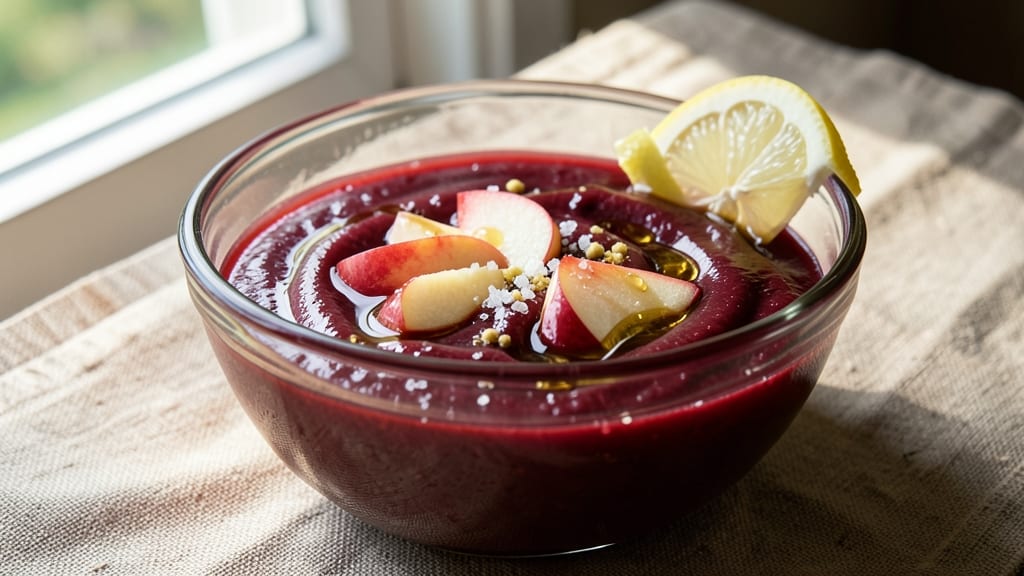
This apple balsamic vinegar dressing transforms simple salads into restaurant-worthy meals with its perfect sweet-tangy balance. 💛 The secret lies in blending ripe apples with aged balsamic for a sauce that's rich yet refreshing—ideal for everything from greens to roasted vegetables.
I developed this recipe after years of experimenting with vinegar-based dressings that either tasted too sharp or cloyingly sweet.
What makes this dressing truly versatile is its ability to elevate any dish without overpowering flavors. The apples provide natural sweetness that mellows the acidity of the balsamic, while a touch of Dijon mustard creates a smooth emulsion that clings beautifully to leaves and proteins alike.
It's the kind of dressing that works as well as a marinade for chicken or pork as it does drizzled over arugula and walnuts.
The result is a glossy, vibrant dressing with layers of caramelized apple flavor and bright vinegar notes—complex enough to stand alone but simple enough to make every day. The ingredients come together in minutes, yet the flavors develop beautifully when allowed to rest for at least 30 minutes before serving.
This is the kind of recipe that proves homemade can truly taste better than anything store-bought.
Perfect for meal prep, this dressing keeps well in the refrigerator for up to 10 days, making it an essential addition to your pantry. Whether you're dressing a summer salad or adding depth to grilled meats, this apple balsamic creation delivers consistent, professional-quality results with minimal effort.
Ingredients for apple balsamic vinegar dressing
Nine simple ingredients balance sweetness and acidity perfectly for restaurant-quality dressings.
| Ingredient | Amount | Notes |
|---|---|---|
| Red Delicious Apples 🍎 | 1 ½ cups | Diced small, skin on preferred |
| Balsamic Vinegar 🍷 | ½ cup | Aged 2 years minimum for depth |
| Extra-Virgin Olive Oil 🫒 | ½ cup | Light fruity variety preferred |
| Dijon Mustard 🌶️ | 1 tbsp | High-quality for emulsion |
| Maple Syrup 🍁 | 2 tbsp | Pure grade B for caramel notes |
| Fresh Lemon Juice 🍋 | 2 tbsp | Freshly squeezed for brightness |
| Salt 🧂 | ½ tsp | Diamond Crystal preferred |
| Black Pepper 🌶️ | ¼ tsp | Freshly ground for warmth |
| Fresh Thyme Leaves 🌿 | 1 tsp | Or 0.25 tsp dried thyme |
The apples are non-negotiable for that caramelized depth. Red Delicious or Honeycrisp work best—they hold their shape when diced and caramelize beautifully. I always grab organic when possible, but conventional works fine if they're firm and free of bruises. Trader Joe's has great apples year-round, but local farmers markets in season are unbeatable. The balsamic vinegar should be aged at least 2 years—Balsamic Glaze from the regular vinegar aisle won't cut it here. For the olive oil, California Extra Virgin brands like Corto or Filippo Berio add subtle fruit notes that complement the apples perfectly.
No balsamic vinegar? Apple cider vinegar plus 1 tsp brown sugar gets you close, though it won't have the same depth. Running short on apples? Mango or pear purée works beautifully—just reduce the maple syrup slightly. The Dijon mustard creates that perfect emulsion, but whole-grain mustard thinned with water works in a pinch. Fresh lemon juice can be swapped for white wine vinegar plus 1 tsp sugar, though the flavor profile shifts slightly. For the thyme, fresh is ideal but dried works at one-quarter the amount. If you're making this ahead, the fresh thyme can be added just before serving to preserve its aroma.
This dressing develops beautifully when made 30 minutes ahead—the flavors meld perfectly. Store in an airtight jar in the fridge for up to 10 days. The apples will soften slightly, but the dressing gains complexity. For longer storage, freeze in ice cube trays—thaw overnight in the fridge. The texture will be slightly thicker after freezing, so add a splash of water or olive oil to restore it. I always make double batches—one for salads, one for marinating grilled chicken. The dressing keeps its vibrant color and bright flavors for the entire storage period.
Why You'll Love This Recipe
- Five-Ingredient Magic: I swear by this recipe because it’s that simple—just chop an apple, toss in vinegar, oil, mustard, and a drizzle of maple. No blender, no straining, no fancy techniques. Honestly, I’ve made it while waiting for my coffee to brew.
- Sweet-Tart Balance: That first bite of crisp apple with the tangy balsamic and honeyed maple? It’s like autumn in a jar. The Dijon mustard adds a little kick, so it’s never cloying—just rich, complex, and ridiculously good.
- Salad Game-Changer: Between us, this dressing turns a basic salad into something special—no matter the occasion. I drizzle it over greens for lunch, toss it with roasted veggies for dinner, or even use it as a dip. It’s my go-to for anything that needs a little pizzazz.
- Makes Leftovers Worth It: The best part? It keeps for weeks in the fridge, and the flavor only deepens. I’ll make a big batch, use half on a salad, and save the rest for next week’s meal prep. Zero waste, all flavor.
Step-by-step instructions for apple balsamic vinegar dressing
Here's how to create a perfectly balanced dressing with vibrant sweetness and tangy depth.
🍳 Step 1: Cook the Apple Base Until Soft
Heat a medium saucepan over medium heat and add the 1.5 cups Red Delicious Apples (diced small, skin on preferred). Cook the apples uncovered for 8-10 minutes, stirring occasionally, until they begin to soften and release their juices. You're looking for apples that break down slightly but still retain some texture—they should be tender enough to mash easily but not mushy.
This cooking process develops the apples' natural sweetness and helps them blend smoothly into the dressing. If you notice the apples sticking to the pan, add 1-2 tablespoons of water to prevent burning. The goal is to create a thick, flavorful apple purée that forms the foundation of your dressing.
👨🍳 Step 2: Blend Ingredients for a Smooth Emulsion
Once the apples are softened, transfer them to a blender along with the 0.5 cup Balsamic Vinegar, 0.5 cup Extra-Virgin Olive Oil, 1 tbsp Dijon Mustard, 2 tbsp Maple Syrup, and 2 tbsp Fresh Lemon Juice. Blend on high speed for 30-45 seconds until completely smooth. The mixture should have a creamy, velvety texture with no visible apple pieces.
This blending step is critical for creating the dressing's signature smoothness. If the mixture appears too thick, add 1-2 tablespoons of water to help it emulsify properly. The Dijon mustard acts as an emulsifier, helping the oil and vinegar blend seamlessly with the other ingredients.
🥘 Step 3: Season and Rest for Flavor Development
Return the blended mixture to the saucepan and stir in the 0.5 tsp Salt, 0.25 tsp Black Pepper, and 1 tsp Fresh Thyme Leaves. Bring the mixture to a gentle simmer over low heat for 5-7 minutes, stirring frequently to prevent scorching. The dressing should thicken slightly as it heats through, and you'll notice the flavors melding together beautifully.
Here's the thing—don't rush this step. The gentle simmer allows the balsamic vinegar to mellow slightly, reducing its sharp acidity while concentrating its flavor. You'll see the mixture transform from a simple blend to a complex, aromatic dressing with layers of sweetness, tang, and herbal notes.
⏰ Step 4: Cool and Adjust Consistency
Remove the dressing from heat and let it cool completely to room temperature. This cooling period is essential—it allows the flavors to fully develop and the dressing to reach its ideal consistency. Once cooled, taste the dressing and adjust the seasoning if needed. If it's too thick, thin it with 1-2 tablespoons of water or additional lemon juice for brightness.
For best results, refrigerate the dressing for at least 1 hour before using. This resting period enhances the flavors dramatically. The dressing should have a glossy sheen and a perfect balance between sweet, tangy, and slightly herbal notes. If it separates slightly after refrigeration, simply stir vigorously to re-emulsify before serving.
Pro Tips For Making Apple Balsamic Vinegar Dressing
- GRATE, DON’T CHOP: DESCRIPTION: Red Delicious apples turn to mush if you dice them—trust me, I’ve ruined batches. Use a box grater for fine, even shreds that blend smoothly without adding extra moisture. If you’re impatient and insist on chopping, toss the pieces in a splash of cold water first, then drain well before mixing.
- SIMMER THE VINEGAR: DESCRIPTION: Reduce that balsamic vinegar first—just 2-3 minutes on medium-low heat—until it thickens slightly and deepens in flavor. It’s the difference between a sharp dressing and one with real complexity. (Yes, even if you’re in a hurry, skip the microwave. It won’t work the same.)
- BALANCE THE SWEET: DESCRIPTION: Start with half the maple syrup called for, taste, then add more. Dijon mustard and balsamic vinegar are bold enough to overpower if you go overboard. I learned this after drowning a salad in cloying sweetness—now I adjust as I go.
- WHISK IN OIL LAST: DESCRIPTION: Mix everything except the olive oil first. The acid in the vinegar can make the oil separate if you add it too soon. Stir in the oil at the very end, emulsifying with a quick whisk or even a fork. It’ll hold together better, and you’ll avoid that greasy split.
Pro cooking tips for apple balsamic vinegar dressing
Emulsification Secrets
The Dijon mustard is your secret weapon for creating a stable emulsion—its natural acids help bind the oil and vinegar. For a smoother texture, blend the ingredients at high speed for 45 seconds in a blender.
If the dressing separates after refrigeration, simply whisk vigorously or add 1 tsp of water to restore its velvety consistency. 💫
Heat Control Matters
Never rush the simmering step—gentle heat for 5-7 minutes allows the balsamic vinegar to mellow while concentrating its flavor. High heat can make the dressing taste harsh.
I use a low, steady flame and stir constantly to prevent scorching. The goal is to create a harmonious blend of sweet, tangy, and herbal notes.
Apple Texture Tips
For the perfect apple base, cook until tender but not mushy—aim for apples that mash easily but still hold some shape. If using Honeycrisp apples, they'll hold up better than softer varieties.
For extra depth, add ½ tsp of cinnamon during the cooking process to enhance the caramelized flavor. 🍎
Flavor Development Time
Let the dressing rest for at least 30 minutes before serving—this allows the flavors to meld beautifully. The longer it sits, the more complex the taste becomes.
I often make mine the night before to let the balsamic's depth truly shine. Taste and adjust seasoning after resting, as flavors intensify during this time.
Storage Hacks
Store in an airtight glass jar in the fridge for up to 10 days. For longer storage, freeze in ice cube trays—thaw overnight in the fridge. The texture may thicken slightly after freezing, so add a splash of water or olive oil to restore it.
I always label my jars with the date to track freshness. ❄️
Versatile Uses
This dressing isn't just for salads—use it as a marinade for grilled chicken or pork, a glaze for roasted vegetables, or a drizzle over seared tofu.
The sweet-tangy balance works beautifully with both savory and slightly sweet dishes. I love using it on warm grain bowls for extra depth of flavor.
Nutrition facts
Frequently asked questions
Can I make this dressing without cooking the apples?
You can try raw apples, but cooking them first develops deeper flavor and creates a smoother texture. For a quick version, blend 1 cup raw apples with all other ingredients, but the dressing will be thinner and less complex. The cooking step caramelizes natural sugars, giving that signature depth that makes this dressing special.
How do I fix a dressing that's too thick or separated?
For thickness, thin with 1-2 tablespoons of water or extra lemon juice while whisking. If separated, whisk vigorously or blend briefly to re-emulsify. The Dijon mustard helps stabilize it, but refrigeration sometimes causes separation. Always store in an airtight container and give it a good stir before using.
What's the best way to store leftover dressing?
Keep in an airtight glass jar in the fridge for up to 10 days. For longer storage, freeze in ice cube trays—thaw overnight in the fridge. The texture may thicken after freezing, so add a splash of water or olive oil to restore it. Label with the date to track freshness, as the flavor continues developing over time.
Can I use this dressing on non-salad dishes?
It's perfect for grilled chicken or pork as a marinade, as a glaze for roasted vegetables, or even drizzled over seared tofu. The sweet-tangy balance works beautifully with both savory and slightly sweet dishes. I love using it on warm grain bowls or as a finishing sauce for flatbreads.
What if I don't have Dijon mustard?
Use whole-grain mustard thinned with 1 teaspoon water as a substitute. While not identical, it still helps emulsify the dressing. For a completely mustard-free version, add 1 extra tablespoon of olive oil and whisk vigorously to combine. The texture will be slightly thicker but still delicious.