
Main Courses
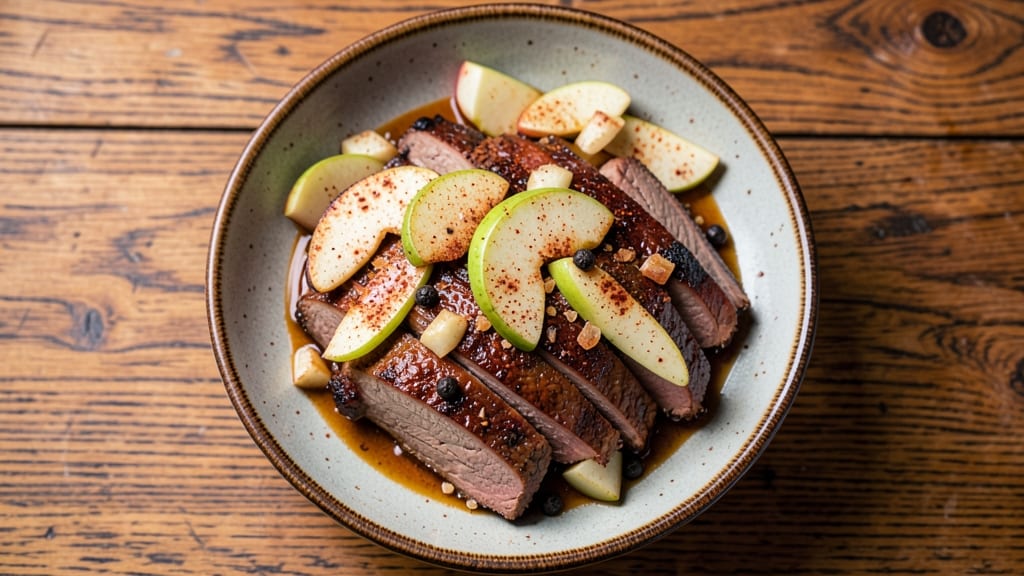
This apple brisket recipe transforms tough beef into melt-in-your-mouth perfection with a caramelized apple crust that balances smoky depth and sweet complexity. The secret lies in slow-cooking the brisket until fork-tender, then finishing it with a sticky-sweet apple glaze that creates an irresistible crust.
I developed this method after years of perfecting barbecue techniques, blending traditional smoking methods with a modern twist that delivers restaurant-quality results at home.
The process begins with a dry rub of bold spices that penetrate the meat, followed by low-and-slow cooking—whether in a smoker, oven, or pressure cooker—to break down the collagen into rich, juicy beef.
While the brisket cooks, apples are caramelized into a luscious sauce that becomes the star of the final presentation. This isn’t just a brisket; it’s a showstopping centerpiece that pairs beautifully with classic sides like mashed potatoes or roasted root vegetables.
What sets this recipe apart is the dual texture experience: tender, smoky beef on the inside and a crispy, caramelized apple crust on the outside. The apples add natural sweetness that cuts through the richness, while the spices create layers of flavor that keep every bite exciting.
Whether you’re hosting a fall gathering or treating yourself to a special weeknight dinner, this brisket delivers unexpected elegance with minimal effort.
The best part? This method works equally well for traditional smokers, ovens, or even a quick-pressure cooker—adjusting only the cooking time to suit your equipment. The apple glaze can be made ahead, so you spend less time in the kitchen and more time enjoying the results.
Let’s get started on creating a brisket that will have everyone asking for seconds.
Ingredients for apple brisket
Six bold ingredients and a brisket that delivers smoky-sweet perfection every time.
| Ingredient | Amount | Notes |
|---|---|---|
| Beef Brisket 🥩 | 4 lb | Flat cut, 1-inch thick |
| Granny Smith Apples 🍎 | 3 whole | Peeled, cored, sliced |
| Brown Sugar 🍚 | ½ cup | Packed, light variety |
| Apple Cider Vinegar 🍶 | ¼ cup | Bottled, not reduced |
| Smoked Paprika 🌶️ | 2 tbsp | High-quality, smoky |
| Ground Black Pepper 🌶️ | 1 ½ tsp | Freshly ground preferred |
| Ground Cumin 🌿 | 1 tsp | Toasted for depth |
| Garlic Powder 🧄 | 1 tsp | Freshly ground preferred |
| Onion Powder 🧅 | 1 tsp | For balanced flavor |
| Kosher Salt 🧂 | 1 tbsp | Diamond Crystal preferred |
| Unsalted Butter 🧈 | 4 tbsp | Cold, cubed |
| Yellow Onion 🧅 | 1 whole | Diced, for glaze |
| Fresh Thyme Leaves 🌿 | ¼ cup | Chopped, for glaze |
| Beef Broth 💧 | 1 cup | Low-sodium preferred |
The brisket is non-negotiable here—look for a flat cut (not point) with good marbling at Costco or Whole Foods. If you're buying whole, trim excess fat to ¼-inch thickness for even cooking. Granny Smith apples are key for their tartness, but Honeycrisp works too if you prefer sweeter notes. The brown sugar? Light variety prevents bitterness, and Trader Joe's sells it in bulk for better flavor. For the vinegar, Mott's is reliable, but any bottled cider vinegar will do.
No smoked paprika? Substitute 1 tbsp regular paprika + ½ tsp liquid smoke—it's a game-changer for that smoky depth. Running low on fresh thyme? Dried thyme at one-third the amount works in a pinch, but fresh is worth the extra minute. The butter should be cold when you add it to the glaze—this creates that irresistible crust. For the beef broth, low-sodium is crucial so you control the saltiness. And if you're using a pressure cooker, reduce the vinegar by ¼ cup to prevent too much steam.
This glaze keeps for 5 days in the fridge, but the brisket? 3 days max—it's best served fresh. Wrap the brisket tightly in foil with a paper towel to trap moisture. The glaze thickens as it cools, so reheat gently with a splash of water if it gets too stiff. Leftovers reheat beautifully in a 350°F oven for 15 minutes—just cover with foil to keep it moist. Portion the glaze into small jars for quick weeknight dinners.
Why You'll Love This Recipe
- One-Pan Magic: I swear by this recipe when I don’t want to deal with a million dishes—just the brisket, sliced apples, and a drizzle of that sticky-sweet brown sugar glaze. The apples caramelize right alongside the meat, so you’re not left with a sink full of pans to scrub.
- Sweet-Savory Balance: That tangy apple cider vinegar and smoky paprika? It’s the perfect contrast—sharp enough to cut through the richness of the brisket but sweet enough to make every bite feel like a hug. Honestly, the first time I tried it, I nearly licked the plate.
- Weeknight Crowd-Pleaser: Between us, this is my go-to for game day, family dinners, or even a lazy Sunday when I don’t want to fuss. The brisket stays tender, the apples add freshness, and everyone—even the picky eaters—comes back for seconds. (Yes, even my teenage son.)
- Leftovers That Don’t Suck: Most brisket recipes leave you with dry, sad leftovers, but not this one. The apples keep it moist, and the glaze turns everything into melt-in-your-mouth perfection. I’ll make a double batch just to have it for sandwiches all week—no one complains, and my wallet stays happy.
Step-by-step instructions for apple brisket with caramelized crust
This brisket delivers fall's perfect balance—smoky depth and sweet apple caramelization that'll make your kitchen smell like a harvest festival.
Prepare the Brisket with Dry Rub
Start by trimming any excess fat from the 4 lb beef brisket, leaving about ¼-inch layer for flavor and moisture. Pat the meat completely dry with paper towels—this ensures a better rub adhesion and crispier bark later. In a small bowl, combine the 2 tbsp smoked paprika, 1.5 tsp ground black pepper, 1 tsp ground cumin, 1 tsp garlic powder, 1 tsp onion powder, and 1 tbsp kosher salt. Rub this mixture generously over all sides of the brisket, pressing firmly so it sticks. Let it sit at room temperature for 30 minutes while you prep the apples.
The reason we're not using wet ingredients here is to create that perfect bark—dry rubs develop deeper flavor through Maillard reaction without steaming the meat. You'll know you've applied enough rub when you can see the spices clinging evenly to the surface.
Create the Apple Glaze Base
In a medium saucepan, combine the 3 whole peeled, cored, and sliced Granny Smith apples, 0.5 cup packed brown sugar, 0.25 cup apple cider vinegar, and 1 cup beef broth. Bring to a simmer over medium heat, then reduce to low and cook uncovered for 20-25 minutes, stirring occasionally, until the apples break down into a thick, jam-like consistency. The mixture should reduce by about half and develop a deep amber color.
While the apples cook, dice the 1 whole yellow onion and chop the 0.25 cup fresh thyme leaves. You'll add these to the glaze later for extra depth. The acid from the apple cider vinegar helps tenderize the brisket while the brown sugar creates that caramelized crust we're after.
Sear the Brisket and Build the Glaze
Preheat your oven to 300°F. In a large Dutch oven, melt the 4 tbsp cold unsalted butter over medium-high heat. Once foaming, add the brisket fat-side down and sear for 5-6 minutes until deeply browned. Flip and sear the other side for another 5 minutes. Remove the brisket and set it aside.
In the same Dutch oven, add the diced yellow onion and cook for 3-4 minutes until softened. Pour in the apple mixture and bring to a gentle simmer. Return the brisket to the pot, fat-side up, and transfer everything to the preheated oven.
Slow Cook Until Tender
Cook the brisket uncovered for 3 hours. After this initial period, check the internal temperature—it should be around 195°F. If it's not there yet, continue cooking for another 30-60 minutes. The key here is patience; the low temperature ensures the meat becomes fork-tender without drying out.
During the last 30 minutes of cooking, baste the brisket with the apple glaze every 15 minutes. This keeps the meat moist and builds that beautiful caramelized crust. You'll know it's ready when the meat pulls apart easily and has a deep mahogany color.
Rest and Serve
Remove the brisket from the oven and transfer it to a cutting board. Tent loosely with foil and let it rest for at least 30 minutes. This resting period allows the juices to redistribute throughout the meat, ensuring each slice is moist and flavorful. While it rests, skim any excess fat from the glaze and reduce it over medium heat for 5-7 minutes to thicken slightly.
Slice the brisket against the grain into ½-inch thick pieces. Serve with the reduced apple glaze spooned over each portion. The contrast of tender, smoky meat with the sweet-tangy apple glaze creates a perfect balance of flavors that's perfect for fall gatherings.
Pro Tips For Making Apple Brisket
- Sear the Brisket First: Hit the brisket with a screaming-hot pan for 3-4 minutes per side before slow cooking—this locks in juices and builds a crust that won’t dissolve when the apples release moisture later. I used to skip this, and the meat always ended up tender but bland.
- Core the Apples: Remove the cores and slice Granny Smiths into ¼-inch wedges, leaving the skin on for texture. Whole apples? They’ll turn to mush and turn your sauce into apple soup. Trust me, this isn’t the time to be lazy.
- Deglaze with Vinegar: After browning the brisket, splash in ¼ cup apple cider vinegar immediately—it cuts through the fond and keeps the sauce bright, not cloying. I learned this the hard way when my first batch tasted like caramelized sugar overload.
- Wrap Low and Slow: At 165°F internal temp, wrap the brisket in foil with a handful of apple slices and extra sauce—this traps steam and finishes it in 30-45 minutes without drying it out. No need to babysit the oven; set it and forget it.
Regional styles of these flavors
Texas-Style Smoked
In Texas, brisket is king, and apples add a sweet contrast to the classic smoky profile. Start with a Texas-style dry rub—double the smoked paprika to 4 tbsp and add 1 tsp cayenne for heat.
Smoke the brisket at 225°F for 8-10 hours until it reaches 203°F internal temperature, then wrap it in butcher paper for the last 2 hours to speed up the process.
Brush with a glaze made from ½ cup apple cider reduction, 2 tbsp brown sugar, and 1 tbsp apple cider vinegar during the final hour. Serve with white bread for soaking up the juices. 🔥
Carolina Apple Brisket
Carolina-style brisket leans into vinegar-based sauces, so blend ½ cup apple cider vinegar, ¼ cup apple butter, and 2 tbsp brown sugar into a thick glaze. Cook the brisket at 250°F for 6-7 hours until tender, then baste with the glaze for the last 30 minutes.
The tangy-sweet glaze cuts through the richness, making it perfect for cornbread or collard greens. Use Honeycrisp apples for extra sweetness in the glaze. 🍎
Midwest Braised Apple Brisket
This method replaces smoking with a Dutch oven braise—ideal for cooler climates. Sear the brisket, then braise with 2 cups apple cider, 1 cup beef broth, and 1 chopped onion at 325°F for 4 hours.
In the last 30 minutes, add ½ cup sliced apples and 2 tbsp brown sugar to the pot. The apples soften into the braising liquid, creating a naturally sweetened sauce. Serve with mashed potatoes or roasted carrots for a hearty meal. 🥔
New England Apple Cider Brisket
New England’s love for apples shines here—use 1 cup apple cider instead of beef broth in the glaze and add 1 tsp cinnamon for warmth. Cook the brisket at 275°F for 5-6 hours until tender, then glaze with the cider mixture thickened with 1 tbsp cornstarch.
The cinnamon adds a cozy, autumnal touch that pairs perfectly with buttery dinner rolls or steamed green beans. 🍂
Modern Pressure Cooker Twist
For a quick version, use an Instant Pot on high pressure for 90 minutes, then switch to sauté mode to reduce the apple glaze. Add 1 cup apple slices and 2 tbsp brown sugar during the last 10 minutes of cooking.
The pressure cooker locks in moisture, while the apples caramelize into a glossy sauce. Serve with roasted sweet potatoes for a balanced, weeknight-friendly meal. ⚡
Nutrition facts
Frequently asked questions
Can I use any type of apple for this recipe?
Granny Smith apples work best because their tartness balances the sweetness perfectly. For a sweeter version, try Honeycrisp or Fuji, but avoid overly soft varieties like Red Delicious—they won't caramelize well. If you only have sweet apples, add an extra 1 tbsp of apple cider vinegar to the glaze to maintain the tangy-sweet balance.
How do I know when the brisket is done?
The brisket is ready when it reaches an internal temperature of 195-203°F and the meat pulls apart easily with two forks. For extra accuracy, check the texture: the fat should be creamy and the meat should feel tender but not mushy. If using a meat thermometer, insert it into the thickest part without touching bone.
Can I make this recipe in a slow cooker?
Yes! Brown the brisket first, then add it to a slow cooker with the apple glaze ingredients. Cook on low for 8 hours or high for 5 hours. In the last 30 minutes, increase the heat to high to thicken the glaze. The slow cooker method is perfect for hands-off cooking, though you may need to add a splash of water if the glaze gets too dry.
What's the best way to store leftovers?
Store the brisket in an airtight container with the apple glaze spooned over the top. It keeps well in the fridge for 3-4 days or can be frozen for up to 3 months. To reheat, warm in a 300°F oven for 15 minutes covered with foil, then broil for 2 minutes to crisp the glaze. Never microwave—it makes the meat tough.
Can I make the apple glaze ahead of time?
The glaze can be made 2 days ahead and stored in the fridge. When ready to use, reheat it gently in a saucepan until warmed through, adding a splash of water if it thickens too much. For extra richness, stir in 1 tbsp butter while reheating. The flavor actually improves overnight as the sugars caramelize further.