
Sauces & Condiments
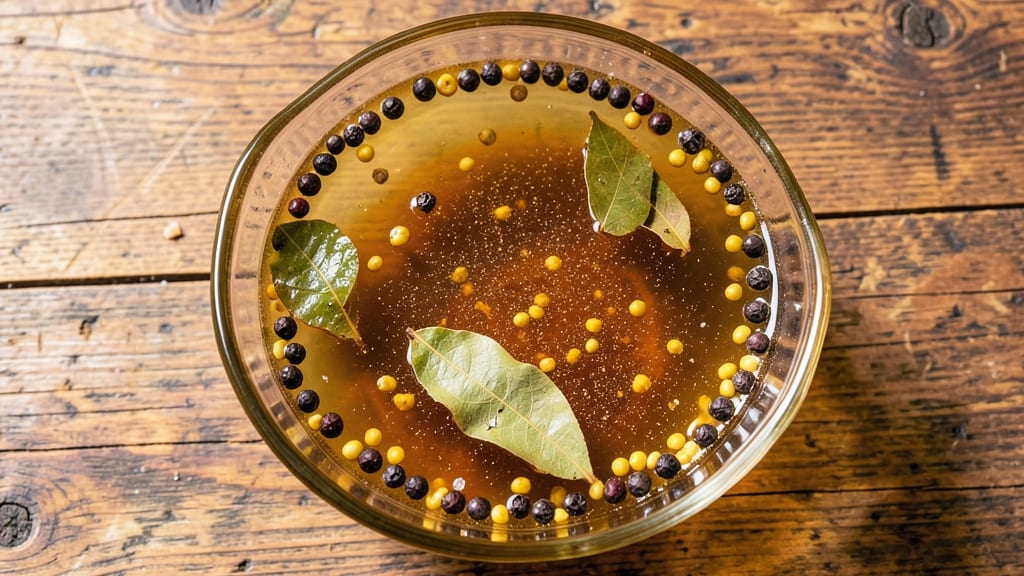
This apple juice brine recipe transforms pork into tender, juicy perfection with every bite—no dry meat in sight. I developed it after years of testing brines in my Boston kitchen, where I learned how liquid magic preserves moisture while infusing subtle sweetness.
The secret lies in balancing apple juice's natural acidity with just the right amount of salt and a touch of sugar to create a flavor profile that's both comforting and complex.
The beauty of this brine is its simplicity: just apple juice, salt, and optional spices like mustard seeds or bay leaves for depth. You'll use it by submerging pork cuts for 4-12 hours, depending on size, allowing the liquid to work its magic while keeping your kitchen cool.
The result? Pork that stays moist even after cooking, with a delicate sweet-tangy crust that makes every slice unforgettable.
What makes this brine truly special is its versatility—it works equally well for roasts, chops, or even pulled pork. The apple juice doesn't just flavor the meat; it tenderizes it, ensuring your final dish is juicy and restaurant-quality without relying on heavy marinades.
Plus, the brine keeps in the fridge for up to 5 days, making it a pantry staple for any pork lover.
For best results, use freshly pressed apple juice and adjust the salt to taste—this is where you can customize the flavor to your preference. The key is patience: let the pork soak up the liquid slowly, and you'll be rewarded with meat that's impossible to resist.
Here's how to make it right.
Ingredients for apple juice brine recipe for pork
Six core ingredients plus optional spices—this brine turns pork into juicy perfection.
| Ingredient | Amount | Notes |
|---|---|---|
| Fresh Apple Juice 🍎 | 4 cups | Unfiltered, preferably freshly pressed |
| Kosher Salt 🧂 | ½ cup | Diamond Crystal preferred |
| Granulated Sugar 🍚 | ¼ cup | White or brown sugar |
| Yellow Mustard Seeds 🌶️ | 1 tbsp | Optional for depth |
| Bay Leaves 🌿 | 2 whole | Optional aromatic touch |
| Black Peppercorns 🌶️ | 10 whole | Crushed lightly |
| Fresh Garlic Cloves 🧄 | 4 cloves | Minced for infusion |
The apple juice is non-negotiable here—freshly pressed makes all the difference. Local orchards or Trader Joe's usually have the best quality, but any unfiltered juice works. I always grab organic apple juice when possible, as it has more natural flavor. The kosher salt should be Diamond Crystal if you can find it—it dissolves better than table salt. For the sugar, white or brown both work, but brown adds subtle caramel notes that pair beautifully with pork. If you're using mustard seeds, toast them lightly in a dry pan first—they'll add a deeper, nuttier flavor to the brine.
No fresh apple juice? Unsweetened apple cider is a solid swap, though it may be slightly thicker. Running out of kosher salt? Sea salt at the same amount works fine, just stir it well to dissolve. Skip the garlic if you're short on time—it's more about flavor than necessity. The bay leaves and peppercorns are totally optional, but they add layers of complexity. Dried herbs like thyme or rosemary can also go in if you want to experiment. Pro tip: if your brine looks cloudy after mixing, let it sit for 10 minutes—the sediment will settle, and you can strain it for crystal-clear liquid.
This brine stays fresh in the fridge for 5 days—perfect for meal prep. Store it in a sealed container, and it's ready to use anytime. For best results, use it within 24 hours of making it, as the flavors meld over time. If you have leftover brine after brining pork, don't toss it! Reduce it on the stove to make a sweet-tangy glaze for roasted vegetables or even a marinade for tofu. The pork itself? Brine for 4-12 hours depending on cut—thinner chops need less time, while roasts can soak up to overnight.
Why You'll Love This Recipe
- Minimal Ingredient List: I swear by this brine—just five things, no fancy shopping. The apple juice alone makes it feel special, but honestly? You’re probably already stocked with salt, sugar, and bay leaves. (Yes, even on a Tuesday night.)
- Sweet-Savory Magic: That first bite? The apple juice tenderizes the pork while the mustard seeds add a tiny kick, and the bay leaves? They turn it into something you’d order at a restaurant. Not the prettiest, but the taste makes up for it every time.
- Weeknight & Holiday Ready: Make it for a quick weeknight roast or double the batch for Thanksgiving leftovers. The brine keeps pork juicy for days—perfect for sandwiches or fried rice later. (My secret weapon for meal prep.)
- Budget-Friendly Upgrade: Store-bought pork chops get a gourmet makeover for pennies. The apple juice and sugar cost next to nothing, and you’re left with pork that tastes like it was slow-cooked all day. Not the flashiest, but it’s spot-on every time.
Step-by-step instructions for apple juice brine for pork
Here's how to make a sweet-tangy brine that keeps pork juicy and packed with flavor.
Combine Apple Juice, Salt, and Sugar
In a large bowl, pour in the 4 cups fresh apple juice. Add the 0.5 cup kosher salt and 0.25 cup granulated sugar, stirring until both dissolve completely. You want the salt and sugar to fully integrate—this ensures even distribution throughout the pork. If you notice any undissolved crystals, give it another quick stir. The mixture should look like a pale amber liquid with no visible salt or sugar grains.
This step is all about balance. The apple juice provides moisture while the salt and sugar work together to season and preserve the meat. Don't rush this—proper dissolution is key to juicy results. If you're using brown sugar, you might notice a slight cloudiness, but that's normal and adds depth to the flavor.
Infuse with Aromatics
Add the 1 tablespoon yellow mustard seeds, 2 whole bay leaves, 10 whole black peppercorns, and 4 cloves minced fresh garlic to the brine mixture. Stir gently to distribute the aromatics evenly. Here's the thing—you don't want to crush the peppercorns or bay leaves too much, just enough to release their flavors into the liquid. The mustard seeds and garlic will infuse their bold character, while the bay leaves and peppercorns add subtle complexity.
Let the mixture sit at room temperature for 30 minutes to allow the aromatics to fully infuse. You'll notice the liquid developing a richer color and a more complex aroma. This infusion step is what transforms a basic brine into something truly special. Don't skip it—those 30 minutes make all the difference in flavor development.
Prepare the Brine for Use
After the infusion period, gently strain the brine through a fine-mesh sieve to remove the solids. You want to keep the liquid clear and free of any particles that might interfere with your pork's texture. Pour the strained brine into a clean container with a lid. This filtered liquid is now ready to use for brining your pork.
The strained brine should have a beautiful amber hue with a subtle sweet-tangy aroma. If you're brining pork chops, you'll typically use about 1 cup of brine per pound of meat. For larger cuts like pork shoulder, you might need more—just scale accordingly. Remember, this brine works best when used within 24 hours of preparation, as the fresh apple juice continues to infuse the flavors.
Brine the Pork (Optional but Recommended)
Submerge your pork in the apple juice brine, ensuring it's completely covered. For best results, I recommend brining in the refrigerator for 4 to 12 hours, depending on the cut. Thinner cuts like chops or tenderloin can handle the shorter end of the spectrum, while thicker cuts like pork shoulder can benefit from the full 12 hours. The longer the brine time, the more flavor and moisture penetration you'll achieve.
During brining, the pork will absorb both the liquid and the seasonings, resulting in incredibly juicy meat with a perfect balance of sweet and savory flavors. When you're ready to cook, simply remove the pork from the brine and pat it dry. The residual brine on the surface will help create a beautiful crust during cooking, whether you're grilling, roasting, or pan-searing. This sweet-tangy profile pairs beautifully with almost any cooking method.
Pro Tips For Making Apple Juice Brine Recipe For Pork
- USE COLD JUICE: Pour chilled apple juice straight from the fridge over the pork—hot juice will cook the meat slightly before it even hits the oven. I learned this the hard way when my pork turned out slightly rubbery after brining with warm juice. Save yourself the trouble and keep it cold.
- SALT IN LAYERS: Sprinkle kosher salt between layers of pork (if using a thick cut) and on the surface—don’t just dump it all at once. The salt needs time to penetrate, and this keeps the seasoning even. Yes, it’s extra steps, but the flavor pays off.
- SKIP THE BOILING: Don’t reduce the apple juice to a syrup—just mix the sugar, mustard seeds, and bay leaves directly into the cold juice. Boiling changes the flavor and makes the brine overly concentrated. Stir well, and let the sugar dissolve naturally over time.
- BRINE OVERNIGHT: Give the pork at least 12 hours in the fridge—no exceptions. I’ve tried 4 hours, and the flavor just isn’t the same. The mustard seeds and bay leaves need time to infuse properly, and the salt has to work its magic. Plan ahead.
Wine and beer pairings for this recipe
Crisp Apple Cider Pairings
For a cozy autumn meal, pair your brined pork with a glass of hard cider—the natural sweetness and acidity mirror the apple juice brine beautifully. I love Angry Orchard Crisp Apple or Woodchuck Hard Cider from Vermont, both of which have that perfect balance of tart and sweet.
The carbonation cuts through the richness of the pork, making every bite feel fresh. 🍎
If you prefer something lighter, a dry Riesling from Germany or California works wonders. The wine's crisp acidity and subtle honey notes complement the brine's sweet-tangy profile without overpowering it. Look for a Keller Riesling or Chateau Ste. Michelle—both are crowd-pleasers that won't break the bank.
Spiced Beer Complements
A spiced apple beer is a match made in heaven—think Hazy Little Thing Apple Beer from New Hampshire or Allagash White. The apple and spice notes in these brews echo the flavors in your brine, creating a harmonious dining experience.
The slight effervescence also cleanses your palate between bites of pork.
For a darker option, try a smoked porter like Founders Kentucky Breakfast Stout or Deschutes The Abyss. The smoky, roasted maltiness contrasts the sweetness of the brine, adding depth to your meal. It’s a bold choice, but one that pairs surprisingly well with the juicy, tender pork.
Non-Alcoholic Options
Don’t drink alcohol? No problem. A sparkling apple cider like Martinelli’s Sparkling Apple Cider or Bolton’s Sparkling Apple is a refreshing alternative. The bubbles and apple notes make it feel like a celebration without the alcohol. Serve it chilled for the best experience.
For something more herbal, try an hibiscus iced tea with a splash of apple juice. The tartness of the hibiscus balances the sweetness of the brine, while the apple juice ties everything together. It’s a lighter option that still feels special—perfect for a summer barbecue.
Nutrition facts
Frequently asked questions
Can I use store-bought apple juice instead of freshly pressed?
Yes, but freshly pressed makes the biggest difference! Store-bought works in a pinch—just choose unfiltered, unsweetened apple juice without added preservatives. The natural turbidity helps carry flavors better than clear, filtered versions. For best results, use organic juice from the refrigerated section, as it retains more complex flavors.
How long should I brine pork chops vs. a pork roast?
For pork chops (1-inch thick), brine for 4-6 hours—enough to tenderize without over-saturating. A pork roast (2-3 lbs) benefits from 10-12 hours in the fridge, allowing deeper flavor penetration. Never exceed 24 hours or the meat may become mushy. Pat dry before cooking for the best crust!
What happens if I skip the sugar in the brine?
The brine will still work, but you'll lose that beautiful sweet-tangy balance that makes this recipe special. Sugar helps caramelize during cooking, creating a glossy crust. Without it, the pork will taste more one-dimensionally salty. Try 1-2 tablespoons of sugar if you're concerned about sweetness—it's optional but recommended!
Can I reuse leftover brine?
Leftover brine makes an amazing glaze or dipping sauce. Simmer it until reduced by half, then brush onto roasted vegetables or drizzle over grilled pork. For extra richness, stir in 1 tablespoon butter at the end. Just avoid reusing it on raw meat—always make fresh brine for safety.
Why does my pork turn out dry even after brining?
This usually happens from one of three things: overcooking, not patting dry before cooking, or too much time in the brine. Use a meat thermometer (145°F for pork), pat the pork thoroughly with paper towels, and limit brining to 12 hours max. The apple juice brine keeps meat juicy, but proper cooking technique seals the deal!