
Sauces & Condiments
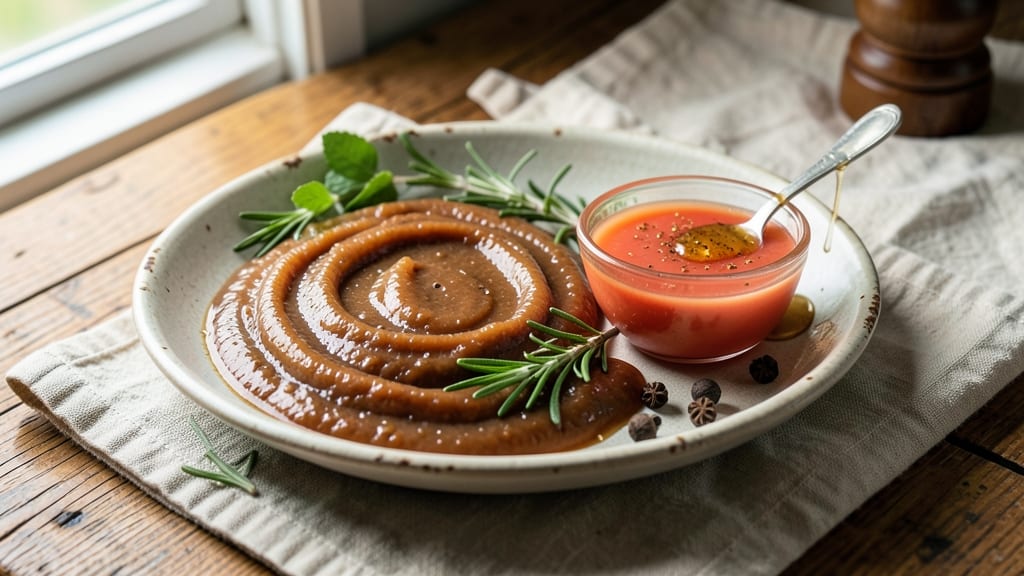
This apple sauce and apple butter recipe transforms humble apples into two versatile spreads with minimal effort and maximum flavor.
The secret lies in slow cooking—apple sauce delivers a velvety, spiced consistency perfect for pairing with pork or toast, while apple butter develops into a thick, caramelized spread with deep, molasses-like richness. Both recipes share the same one-pot method, making them ideal for batch prep and storage.
The process is straightforward: peel, core, and chop apples into even pieces, then simmer them with just sugar and spices until tender. For apple sauce, blend until smooth or leave slightly chunky; for apple butter, cook until the mixture reduces dramatically, creating a spreadable texture with concentrated sweetness.
The key difference is time—apple butter needs patience, while apple sauce comes together in under 30 minutes.
What makes these recipes stand out is their versatility. Use apple sauce as a topping for pancakes, a glaze for roasted meats, or a filling for pies. Apple butter shines on toast, in oatmeal, or as a sweetener in baked goods.
Both keep well in the fridge for weeks or can be canned for long-term storage, making them perfect for gifting or meal prep.
The beauty of this method is its adaptability—swap spices like cinnamon, nutmeg, or even a pinch of chili for warmth, or add vanilla for depth. Whether you're making one or both, you’ll end up with spreads that taste homemade and far superior to store-bought versions. Let’s get started!
Ingredients for apple sauce apple butter
Eight essential ingredients transform simple apples into two luxurious spreads with professional depth.
| Ingredient | Amount | Notes |
|---|---|---|
| Apples (Mixed Varieties) 🍎 | 4 lb | Peeled, cored, chopped into even pieces |
| Granulated Sugar 🍚 | 2 cups | White or light brown preferred |
| Water 💧 | 1 cup | For initial cooking |
| Ground Cinnamon 🌿 | 1 ½ tbsp | For warmth and depth |
| Ground Nutmeg 🌿 | ½ tsp | Freshly grated preferred |
| Vanilla Extract 🌸 | 1 tsp | Pure vanilla for authentic flavor |
| Lemon Juice 🍋 | 1 tbsp | Freshly squeezed for brightness |
| Salt 🧂 | ½ tsp | Diamond Crystal preferred |
| Apple Cider Vinegar 🍎🍶 | 1 tbsp | For apple butter reduction |
The quality of apples makes all the difference—Honeycrisp or Granny Smith work best for their balance of sweetness and acidity. Local orchards or farmers markets often carry the freshest varieties, but grocery stores like Whole Foods or Trader Joe's stock reliable options. Look for firm, unblemished fruit with vibrant color. If you can't find mixed varieties, Gala or Fuji apples will work, though they may require slightly more sugar to achieve the same balance. The sugar isn't just for sweetness—it helps develop the caramelization in apple butter and prevents crystallization in the sauce. Organic sugar adds subtle flavor notes, but standard granulated works perfectly fine for everyday use.
No vanilla extract? Pure vanilla bean paste provides even more depth, or vanilla sugar can be used at double the amount. Short on nutmeg? A pinch of cardamom adds warmth without altering the flavor profile significantly. For those avoiding vinegar, a splash of apple juice works in a pinch, though it may not reduce as dramatically. The lemon juice brightens both spreads—use freshly squeezed for optimal acidity, but bottled works if you're in a hurry. If you prefer a chunkier apple sauce, simply reduce the blending time or leave some pieces slightly larger. For apple butter, cook until it reaches 220°F on a candy thermometer for perfect spreadable consistency.
Both spreads store beautifully—apple sauce keeps for up to 3 weeks in the fridge and 1 year in the freezer, while apple butter lasts 4 weeks refrigerated or 12 months frozen. For long-term storage, sterilized jars are ideal for canning, which extends shelf life to 12-18 months when processed properly. Portion into small jars or ice cube trays for easy serving. The apple butter thickens as it cools, so reheat gently with a splash of water if it becomes too firm. Both spreads make excellent gifts—tie ribbons around jars for a professional presentation.
Why You'll Love This Recipe
- No Peel Required: I’ll be honest—peeling apples is overrated. This recipe lets you toss in cores and all, chopping just enough to fit in your pot. The skins soften into that velvety texture, and honestly? You’d never know they were there.
- Warm Spice Magic: That first spoonful of cinnamon and nutmeg? It’s like autumn in a jar. The sugar caramelizes just enough to balance the tartness of the apples, giving it this deep, cozy sweetness that tastes even better the next day.
- Pantry Staple Power: Between us, this is the kind of thing you’ll make when you’ve got a bag of apples going bad and a jar waiting to be filled. No fancy tools, no last-minute grocery runs—just apples, sugar, and a little patience. (Yes, even on a Tuesday night.)
- Lasts for Weeks: I’ve got jars of this stuff in my pantry from last fall, and it’s still perfect. Spread it on toast, stir it into oatmeal, or drizzle it over yogurt—it’s my go-to when I’m too lazy to bake. Plus, it’s cheaper than buying store-bought apple butter by the gallon.
Step-by-step instructions for crafting apple sauce and apple butter
Transform fresh apples into two versatile spreads with this precise, dual-purpose method.
Prepare and Cook the Apple Base
In a large, heavy-bottomed pot, combine the peeled, cored, and chopped 4 lb apples (mixed varieties) with the 1 cup water. Bring to a boil over medium-high heat, then reduce to a simmer. Cook uncovered for 15-20 minutes, stirring occasionally, until the apples break down into a thick, chunky purée. You'll know it's ready when the mixture resembles applesauce with some texture remaining—this prevents it from becoming too smooth for the apple butter stage later.
The reason for simmering uncovered is to allow excess moisture to evaporate naturally. If you notice the mixture is too watery after 15 minutes, continue cooking for another 5 minutes—this concentrated base is crucial for achieving the perfect consistency in both spreads. Avoid mashing the apples with a potato masher at this stage; let them cook down naturally for better texture control.
Sweeten and Spice the Mixture
Once the apple mixture has thickened, stir in the 2 cups granulated sugar, 1.5 tbsp ground cinnamon, 0.5 tsp ground nutmeg, 1 tbsp lemon juice, and 0.5 tsp salt. Increase the heat to medium and bring the mixture to a gentle boil, stirring constantly to dissolve the sugar completely. This step ensures even distribution of flavors and prevents grainy spots in your final product.
Boil vigorously for 10-12 minutes, stirring frequently, until the mixture thickens noticeably and coats the back of a spoon. You're aiming for a consistency somewhere between applesauce and apple butter—thick enough to hold its shape when spooned, but still pourable. The spices should be fragrant and fully integrated, with the lemon juice brightening the natural sweetness of the apples.
Reduce for Apple Butter Consistency
After the initial thickening, reduce the heat to low and continue cooking uncovered for 30-45 minutes, stirring occasionally. This slow reduction is where the magic happens—it transforms your mixture from applesauce into rich, spreadable apple butter. Stir in the 1 tsp vanilla extract and 1 tbsp apple cider vinegar during the last 10 minutes of cooking to enhance depth and balance the sweetness.
You'll know it's ready when it reaches a thick, syrupy consistency that holds its shape when spooned but still spreads easily. The color should deepen to a rich amber, and the aroma should be intensely spiced with warm cinnamon and nutmeg notes. For a quick test, place a small amount on a chilled plate—if it holds its shape but can still be spread with gentle pressure, it's perfect.
Divide and Finish
Remove the pot from heat and let the mixture cool for 5 minutes. For applesauce, transfer half of the mixture to a clean jar while still warm. For apple butter, continue cooking the remaining half uncovered over low heat for an additional 15-20 minutes, stirring frequently, until it reaches a glossy, caramel-like consistency that spreads like jam. This final reduction intensifies the flavors and creates that signature apple butter texture.
Once both mixtures reach their ideal consistencies, transfer them to sterilized jars, leaving about ½ inch of headspace. Seal while warm and let cool completely before storing in the refrigerator for up to 2 weeks or freezing for up to 6 months. The applesauce will have a smoother, chunkier texture with bright apple flavor, while the apple butter will be rich, spreadable, and perfect for toast or baked goods.
Pro Tips For Making Apple Sauce Apple Butter
- PEEL AND CORE LIKE A PRO: Skip the knife fights—use a sharp paring knife and cut a small "X" on the bottom of each apple before peeling. The skin will slip off in one piece, and you’ll save time scrubbing off stubborn patches. (Yes, it’s faster than you think.)
- STIR THE POT EVERY 15 MINUTES: I used to let my apple butter simmer unattended, and it’d either burn or clump. Stirring keeps the sugar dissolved and prevents sticking—especially once it thickens. Set a timer if you’re distracted.
- USE A MIX OF TART AND SWEET APPLES: Granny Smiths add tang, Honeycrisp adds sweetness—balance is key. Too much tartness makes the butter taste harsh; too much sweetness flattens the flavor. Aim for a 50/50 split if you’re unsure.
- STRAIN OUT SKIN FRAGMENTS: After cooking, run the mixture through a fine-mesh sieve to remove any leftover apple skin bits. They’re harmless but ruin the silky texture. (I learned this after tasting a gritty bite—never again.)
Storing and reheating this dish
Fridge Storage Essentials
Store your apple sauce in an airtight glass jar with a tight-sealing lid—this preserves freshness for up to 3 weeks. I like using Ball mason jars because they’re sturdy and easy to label. Keep it refrigerated at 40°F or below to prevent mold growth.
For apple butter, transfer to a clean, dry jar and refrigerate for 4 weeks—it thickens as it cools, so reheat gently with 1 tsp water if needed for spreading. 🧊
Freezing for Long-Term
Both spreads freeze beautifully! Portion apple sauce into 1-cup servings in freezer-safe containers or silicone ice cube trays for easy use. It lasts 12 months without texture changes. For apple butter, spread into parchment-lined loaf pans or small jars, leaving ½ inch headspace to prevent cracking.
Freeze for up to 12 months, and thaw overnight in the fridge. Avoid microwave reheating—it can make apple butter grainy. ❄️
Reheating Like a Pro
To reheat apple sauce, transfer to a saucepan with 2 tbsp water and warm over low heat for 3-5 minutes, stirring constantly. For apple butter, use 1 tsp water or apple cider per ½ cup to thin it out gently.
Never boil—just warm until spreadable. If reheating from frozen, add 1 extra tbsp liquid to compensate for ice crystals. Stir in a pinch of cinnamon after reheating to revive flavors. 🔥
Canning for Gifts
For long-term storage beyond freezing, can your spreads using a water bath method. Process apple sauce in pint jars for 20 minutes and apple butter in ½-pint jars for 25 minutes (adjust for altitude).
Sterilize jars and lids in boiling water for 10 minutes before filling. Label with dates—properly canned spreads last 12-18 months unrefrigerated. This makes perfect holiday gifts! 🎁
Reviving Texture
If your apple butter becomes too thick after storage, place the jar in a bowl of warm water for 10-15 minutes to soften. For apple sauce, add 1 tbsp water and reheat gently.
Avoid over-mixing—stir just enough to restore smoothness. Both spreads benefit from a 5-minute rest after reheating to let flavors meld. 💫
Nutrition facts
Frequently asked questions
Can I use frozen apples instead of fresh?
Yes, but with a few adjustments! Use 5 lb frozen apples (they lose moisture during thawing) and add 2 tbsp extra water during cooking. Thaw them first in a colander under cool water, then drain well before chopping. Frozen apples work best for apple butter since the extra moisture helps with reduction. For apple sauce, you may need to blend longer to achieve smoothness.
Why does my apple butter turn grainy?
Graininess usually means the mixture didn't reduce enough or cooled too quickly. To fix it, return the apple butter to low heat with 1 tbsp water and stir constantly until smooth. Prevent it by cooking until it reaches 220°F on a candy thermometer and stirring frequently during cooling. Avoid refrigerating immediately after cooking—let it cool at room temperature first.
What's the best way to use up leftover apple sauce?
Get creative! Mix it into oatmeal, yogurt, or smoothies for breakfast. Use it as a glaze for roasted pork tenderloin or chicken, or as a pie filling. For desserts, fold into cheesecake batter or use as a topping for ice cream. The possibilities are endless—it's like nature's sweet syrup!
Can I make these without sugar?
For a natural sweetener, use 1:1 honey or maple syrup instead of sugar. Reduce the liquid slightly (about 2 tbsp less water) since these sweeteners are more concentrated. The texture will be slightly different—honey adds depth while maple syrup gives a caramel note. Both work beautifully, though the flavor profile changes subtly.
How do I know when apple butter is done?
Look for three key signs:
- Thick consistency that holds its shape when spooned,
- Deep amber color, and
- A glossy sheen. The spoon test is foolproof—if it leaves a clear trail when you run your finger through it, it's ready. For precision, use a candy thermometer (220°F is ideal). The aroma should be rich and spiced, not raw apple.