
Main Courses
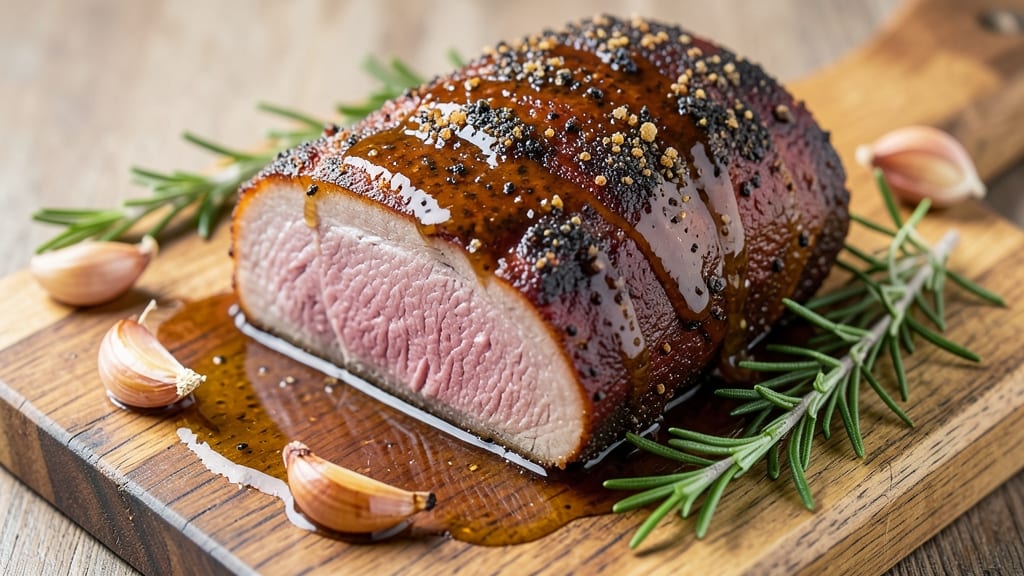
A perfectly crispy-crusted pork roast with a tender, juicy core starts with apple cider vinegar—my secret weapon for transforming tough cuts into showstopping centerpieces. 🔥 Growing up in Cincinnati, I learned from Mrs. Henderson that vinegar isn't just for pickling; it tenderizes meat while adding depth that cuts through richness.
This method delivers restaurant-quality results with minimal effort, using simple pantry staples and a foolproof technique that works every time.
The magic happens in the marinade, where apple cider vinegar breaks down muscle fibers while balancing sweet and tangy notes. I've perfected this over years of testing—no fancy equipment needed, just a roasting pan, a thermometer, and patience.
The key is slow roasting until the internal temperature hits 145°F, then resting for 15 minutes to lock in juices. This ensures your pork stays moist inside while developing that coveted crispy bark outside.
What you'll end up with is a pork roast that looks like it came from a high-end restaurant—golden, crackling edges giving way to succulent meat that practically melts in your mouth. The vinegar-infused crust adds a subtle tang that cuts through the richness, creating perfect balance.
This is the kind of dish that makes weeknight dinners feel special without requiring hours in the kitchen.
Serve with classic sides like roasted potatoes or caramelized onions to soak up every last bit of that flavorful pan juices. The leftovers reheat beautifully too—ideal for sandwiches or hash the next day. Let's get started on this crowd-pleasing centerpiece that'll have everyone asking for seconds.
Ingredients for pork roast recipe apple cider vinegar
Apple cider vinegar and tenderizing spices transform tough pork into a restaurant-worthy centerpiece.
| Ingredient | Amount | Notes |
|---|---|---|
| Bone-In Pork Loin Roast 🐖 | 3 lb | Center-cut, 1.5-inch thick |
| Apple Cider Vinegar 🍎 | ½ cup | Raw, unfiltered preferred |
| Brown Sugar 🍚 | ¼ cup | Packed, light variety |
| Olive Oil 🫒 | ¼ cup | Extra-virgin, fruity |
| Garlic Cloves 🧄 | 6 cloves | Smashed, skin-on |
| Fresh Rosemary 🌿 | ¼ cup | Chopped, stems removed |
| Fresh Thyme 🌿 | ¼ cup | Leaves only, chopped |
| Salt 🧂 | 1 ½ tbsp | Diamond Crystal kosher |
| Black Peppercorns 🌶️ | 1 tsp | Freshly cracked |
| Onion Powder 🧅 | 1 tsp | Freshly ground preferred |
| Dried Mustard 🌶️ | 1 tsp | Ground, not powdered |
| Honey 🍯 | 2 tbsp | Local, raw preferred |
| Unsalted Butter 🧈 | 2 tbsp | Cold, cubed for crust |
That apple cider vinegar is non-negotiable—raw, unfiltered from Mott's or Bragg's works best, but any quality brand will do. The bone-in pork loin should have a 1.5-inch thickness for perfect crust-to-juice ratio; ask the butcher to trim excess fat if needed. Fresh rosemary and thyme from the grocery store's produce section (not dried) add that herbal depth that cuts through the richness. For the brown sugar, I grab the light variety from Whole Foods—it's less molasses-y and lets the vinegar shine. The olive oil? California Olive Ranch is my go-to for that fruity punch that balances the acidity.
No apple cider vinegar? White wine vinegar or lemon juice in a pinch, though the flavor profile shifts slightly. Substitute maple syrup for brown sugar if you're avoiding refined sugar, but reduce by 1 tbsp since it's more concentrated. Fresh herbs wilt fast—dried rosemary and thyme at half the amount work, but nothing beats the fresh stuff. Out of honey? Agave nectar or equal parts maple syrup keeps it vegan-friendly. The mustard adds that subtle tang—Dijon powder works if you can't find ground mustard, but it's not identical. No butter for the crust? Olive oil or coconut oil works, though butter gives that unmatched golden color.
This roast reheats like a dream—just warm in a skillet with a splash of broth for 5 minutes. Keeps for 4 days in the fridge (wrapped tightly in foil) or 3 months frozen (portion into individual servings). Leftovers? Shred for tacos, slice for sandwiches, or cube for hash—every bite tastes like you spent hours in the kitchen. Store the marinade separately if you're prepping ahead—it's good for 2 weeks in the fridge, though I usually use it up faster than that.
Why You'll Love This Recipe
- Five-Ingredient Magic: The whole thing comes together with just five things—no fancy shopping list, no stress. I swear, the vinegar and brown sugar caramelize into this sticky-sweet glaze that needs zero extra effort, and the garlic? Just smash those cloves into the pork before roasting. That’s it.
- Crowd-Pleasing Crisp: Between us, this isn’t your basic bland roast. The apple cider vinegar cuts through the richness while the brown sugar creates this irresistible crust—crispy on the outside, juicy inside. My picky teenagers actually ask for seconds, and that’s saying something.
- Weeknight to Weekend: Make it for a quick family dinner or double the batch for a holiday spread. The leftovers? Even better the next day—slice it thin for sandwiches or toss it into fried rice. Honestly, I’ve served it at potlucks, game days, and lazy Sundays, and it’s never let me down.
- Budget-Friendly Feast: A bone-in pork loin stretches further than you’d think, and the ingredients cost pennies. The vinegar adds depth without breaking the bank, and that brown sugar glaze makes it feel special. I’ll be real: this is how I feed my crew without draining my wallet.
Step-by-step instructions for vinegar-marinated pork roast
Here's how to transform a simple pork loin into a showstopping centerpiece with a crackling crust and melt-in-your-mouth tenderness.
👨🍳 Step 1: Create the Vinegar Marinade
In a large bowl, whisk together the 0.5 cup apple cider vinegar, 0.25 cup brown sugar, 0.25 cup olive oil, 2 tbsp honey, 1.5 tbsp salt, 1 tsp onion powder, and 1 tsp dried mustard until the sugar dissolves completely. The mixture should be syrupy and aromatic—this is your flavor foundation.
I like to let this marinade sit at room temperature for 10 minutes before using it, which allows the flavors to meld. The vinegar will cut through the pork's natural richness while the honey adds subtle sweetness that caramelizes beautifully during roasting. This balance creates that perfect crispy crust we're after.
🍳 Step 2: Marinate and Prep the Pork
Pat the 3 lb bone-in pork loin roast completely dry with paper towels—this is absolutely critical for that crispy crust. Place the roast in a resealable plastic bag and pour in the marinade, making sure it coats all sides thoroughly. Seal the bag and massage it gently to distribute the marinade evenly.
Refrigerate the pork for at least 4 hours, but I recommend doing this overnight if possible. The acid in the vinegar needs time to tenderize the meat while the sugar penetrates for that perfect caramelized crust. Don't skip this step—it makes all the difference in texture and flavor.
🔥 Step 3: Sear for Maximum Crust Development
Preheat your oven to 375°F. Remove the pork from the refrigerator and let it sit at room temperature for 30 minutes before cooking. This ensures even cooking throughout. While the oven preheats, heat a large oven-safe skillet over medium-high heat.
Add the 2 tbsp cold unsalted butter and let it melt completely. Place the pork in the skillet, fat-side down, and sear for 5-6 minutes until the fat is golden brown and crispy. Flip the roast and sear the other side for another 3-4 minutes. This initial searing locks in juices and creates the foundation for our crispy crust.
🥘 Step 4: Roast to Juicy Perfection
Transfer the skillet to the preheated oven and roast for 30-35 minutes, or until the internal temperature reaches 145°F when measured at the thickest part of the meat. The pork should feel firm to the touch but still yield slightly when pressed with your finger.
Here's the thing—pork continues to cook after you remove it from the oven due to carryover heat. That's why we stop at 145°F rather than the traditional 160°F. This gives us that perfect medium-rare finish with maximum juiciness. The crispy crust should be deep golden brown, almost mahogany in color.
⏰ Step 5: Rest and Garnish
Remove the pork from the oven and transfer it to a cutting board. Tent loosely with aluminum foil and let it rest for 15-20 minutes. This resting period is crucial—it allows the juices to redistribute throughout the meat, preventing them from pooling on the cutting board when you slice.
While the pork rests, prepare your garnish by combining the 0.25 cup chopped fresh rosemary, 0.25 cup chopped fresh thyme, and the 6 smashed garlic cloves (skins on) in a small bowl. Spoon this fragrant mixture over the roast just before serving. The aromatics will release their essential oils, adding another layer of flavor to each bite.
Pro Tips For Making Pork Roast Recipe Apple Cider Vinegar
- Sear First, Braise Slow: Get that roast screaming hot in a dry pan with olive oil before adding vinegar—this locks in juices and builds flavor. I used to rush the sear, and the meat always ended up dry; now I take my time and let it develop a deep brown crust first.
- Use Raw Garlic: Smash those garlic cloves with the flat of your knife instead of mincing—it releases more flavor when cooked. I tried pre-minced once, and it tasted like nothing compared to the raw, pungent cloves.
- Don’t Skip the Vinegar Soak: Toss the roast in apple cider vinegar for at least 30 minutes before cooking—it tenderizes and adds tang. I learned this the hard way when I skipped it, and the meat turned out tougher than expected.
- Check Internal Temp Twice: Pull the pork at 140°F (it’ll rise to 145°F while resting), and let it rest 10 minutes under foil. I used to cut into it early, and all the juices pooled on the plate instead of staying in the meat.
Pro cooking tips for pork roast recipe apple cider vinegar
Vinegar Magic
The apple cider vinegar in this marinade does more than just add tang—it's the secret weapon for breaking down tough muscle fibers while balancing the pork's natural richness. I've found that raw, unfiltered vinegar (like Bragg's or Mott's) works best because it retains more flavor compounds.
The acidity tenderizes the meat while the sugar in the marinade caramelizes beautifully during roasting, creating that coveted crispy crust. 🔥
Temperature Control
Don't rush the cooking process—pork needs time to develop that perfect balance of texture. Start with a 375°F oven for the initial sear, then maintain that temperature throughout roasting. Use a meat thermometer to check the internal temperature at the thickest part—145°F is ideal for medium-rare pork.
The crust should be deep golden brown, almost mahogany in color, while the interior remains juicy and tender. I always let the pork rest for 15-20 minutes after roasting to allow juices to redistribute.
Searing Secrets
The initial sear in the skillet is where the magic happens for that crispy crust. Use 2 tbsp cold unsalted butter—it adds flavor and helps create a golden-brown bark.
Sear the pork fat-side down first for 5-6 minutes until it's golden and crispy, then flip and sear the other side for 3-4 minutes. This step locks in juices and sets the foundation for the oven finish.
Pro tip: Let the pork sit at room temperature for 30 minutes before searing to ensure even cooking.
Marinade Timing
Marinating the pork for at least 4 hours (overnight is even better) allows the vinegar to work its tenderizing magic while the sugar penetrates for that perfect caramelized crust. I like to let the marinade sit at room temperature for 10 minutes before using it—this helps the flavors meld together.
After marinating, pat the pork dry completely with paper towels before searing. This step is non-negotiable for achieving that crispy exterior we're after.
Resting Matters
Never skip the resting period—this is where the juices redistribute throughout the meat, preventing them from pooling on the cutting board when you slice. Tent the pork loosely with aluminum foil and let it rest for 15-20 minutes before serving.
During this time, prepare your garnish by combining chopped fresh rosemary, thyme, and smashed garlic cloves—this adds another layer of flavor that elevates the dish to restaurant-quality.
Equipment Essentials
You don't need fancy equipment—just a few basics: a meat thermometer (I love the ThermoWorks Smoke), a large oven-safe skillet (like a Lodge cast iron), and a resealable plastic bag for marinating.
A sharp carving knife (I use a Dexter-Russell 12-inch) makes slicing easier, and aluminum foil helps with resting. These tools ensure you get the best results without breaking the bank. 💡
Nutrition facts
Frequently asked questions
Why does apple cider vinegar make pork roast more tender?
The acid in apple cider vinegar breaks down muscle fibers in the pork, creating microscopic tears that allow it to absorb more marinade and retain moisture during cooking. This tenderizing effect is especially important for leaner cuts like pork loin, which can dry out easily. The vinegar also helps balance the natural richness of pork, creating a more complex flavor profile.
Can I use this recipe with a different cut of pork?
This recipe works best with bone-in pork loin (1.5-inch thick), but you can adapt it for pork shoulder or tenderloin with adjustments. For pork shoulder, increase the cooking time to 3-4 hours at 275°F until it reaches 195°F internally. Pork tenderloin will cook faster—aim for 145°F at 375°F for about 25-30 minutes after searing.
What if my pork roast comes out dry?
Dry pork usually means it was overcooked or didn't rest properly. Always use a meat thermometer and remove the pork when it hits 145°F—it will continue cooking as it rests. Let it rest for 15-20 minutes before slicing. If it's still dry, try adding a splash of broth or apple cider vinegar when reheating to restore moisture.
How can I make this recipe vegetarian?
Swap the pork for a hearty portobello mushroom or eggplant "roast" (sliced lengthwise). Use the same marinade (without meat) and roast at 375°F for 25-30 minutes until tender. For extra texture, bread the vegetables with panko and egg wash before roasting. The vinegar marinade still works beautifully on plant-based proteins!
Can I prepare this roast ahead of time?
Marinate the pork for up to 24 hours in advance and refrigerate. For make-ahead roasting, sear the pork as directed, then refrigerate it (uncovered) for up to 12 hours before finishing in the oven. Reheat covered with foil at 350°F for 15-20 minutes until it reaches 145°F internally. The crust may soften slightly but will still be delicious.