
Sauces & Condiments
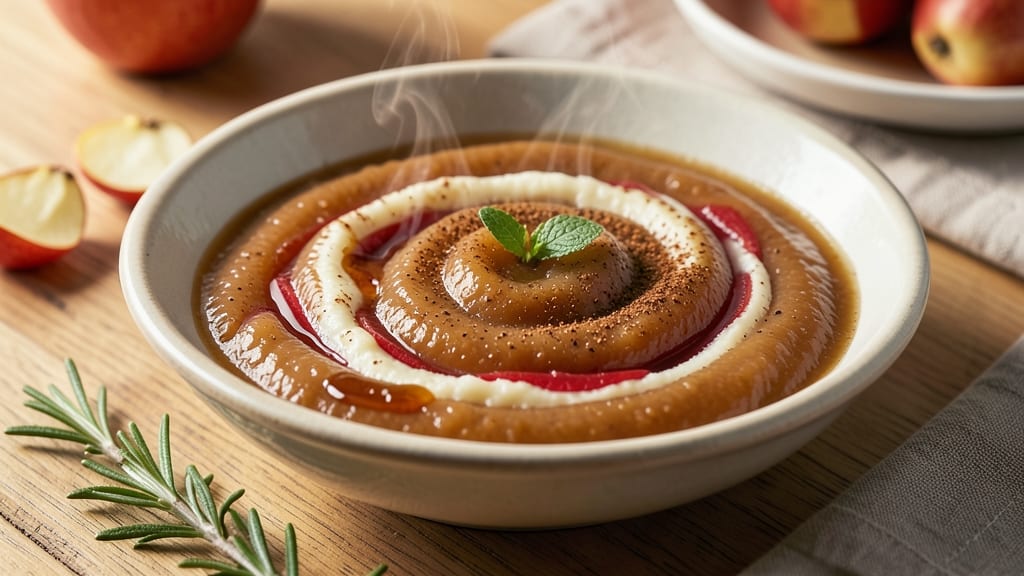
This apple sauce without sugar recipe proves you don’t need added sweetness to create a flavor-packed, naturally sweet sauce that’s perfect for everything from pancakes to roasted meats.
The secret lies in balancing ripe apples with warm spices like cinnamon and vanilla, letting their natural sweetness shine without any refined sugar.
I developed this version after realizing how many store-bought sauces rely on excessive sugar—this one delivers the same comforting flavor with just whole ingredients and a simple stovetop method.
The process is straightforward: peel, core, and chop apples into even pieces, then simmer them with just water and spices until tender. The longer they cook, the more their natural sugars concentrate, creating a velvety texture without any artificial ingredients.
You’ll end up with a sauce that’s smooth yet slightly chunky, with a gentle spiced warmth that pairs beautifully with both sweet and savory dishes. This recipe also works perfectly in slow cookers or even the oven for hands-off cooking.
What makes this sauce truly special is its versatility—use it as a topping for oatmeal, mix it into baked goods, or serve it alongside pork chops for a naturally sweet glaze. The spices enhance the apples’ natural sweetness while keeping the recipe balanced and health-conscious.
Best of all, it keeps well in the refrigerator for up to a week, making it a perfect make-ahead option for busy mornings or holiday meals.
For those who prefer a chunkier texture, simply mash the cooked apples lightly with a fork instead of blending. The result is a rustic, hearty sauce that’s perfect for drizzling over yogurt or mixing into savory dishes.
Every bite delivers the comforting flavors of fall without any added sugar, proving that simple ingredients can create something truly special.
Ingredients for apple sauce without sugar
Eight simple ingredients transform ripe apples into velvety, naturally sweet sauce without any added sugar.
| Ingredient | Amount | Notes |
|---|---|---|
| Apples (Honeycrisp or Fuji) 🍎 | 6 medium | Peeled, cored, chopped even |
| Water 💧 | ½ cup | For simmering apples |
| Ground Cinnamon 🍃 | 1 ½ tsp | Freshly ground preferred |
| Vanilla Extract 🌿 | ½ tsp | Pure vanilla preferred |
| Apple Cider Vinegar 🍏 | 1 tbsp | Balances sweetness naturally |
| Salt 🧂 | ¼ tsp | Sea salt preferred |
| Ground Nutmeg 🌶️ | ¼ tsp | Freshly grated for warmth |
| Lemon Juice 🍋 | 1 tbsp | Freshly squeezed |
Honeycrisp or Fuji apples are your best bet—they stay firm during cooking and pack serious natural sweetness. Local orchards or grocery store bins are great sources, but avoid any with soft spots. I always buy a few extra apples and keep them in the fridge for smoothies or snacks. For the spices, Penzeys Spices is my go-to for quality, but regular grocery store brands work fine. The cinnamon and nutmeg are non-negotiable—they deepen the apple flavor without needing sugar. Fresh vanilla extract makes a noticeable difference, but imitation will work if that's all you've got.
No vanilla extract? Vanilla bean paste or even a pinch of ground vanilla bean works. The apple cider vinegar might sound odd, but it's what makes this sauce truly balanced—Bragg or Mott's are reliable brands. Want more depth? Add a pinch of cardamom or allspice. For a chunkier texture, skip blending entirely and just mash with a fork. The lemon juice brightens everything, so don't skip it—fresh is best, but bottled works in a pinch. If your apples are particularly tart, add an extra tablespoon of water to help soften them during cooking.
This sauce keeps beautifully in the fridge for up to 1 week in an airtight container. For longer storage, freeze in ice cube trays—just thaw overnight in the fridge. The texture changes slightly when reheated, but it's still delicious. I always double the batch because it disappears fast—perfect for topping oatmeal, mixing into baked goods, or drizzling over roasted veggies. The spices mellow slightly over time, so it actually tastes better after a day or two. If you prefer it smoother, blend before storing, but I love that rustic texture when I just fork-mash it.
Why You'll Love This Recipe
- No-Sweeteners Needed: I swear by this trick—just a splash of apple cider vinegar and a pinch of cinnamon to bring out the apples’ natural sweetness. No sugar crash, no measuring spoons of honey, just pure fruit flavor that actually tastes better without it.
- Crowd-Pleaser Basics: Between us, this is the kind of sauce that disappears at potlucks. Kids love the vanilla-kissed sweetness, adults appreciate the subtle tang, and honestly? Even my picky uncle asks for seconds. It’s that universally loved.
- Pantry Staple Magic: You’re already using things you have—cinnamon, vanilla, vinegar—so it’s not just easy, it’s cheap. I make a big batch in the fall when apples are on sale, and it lasts me months for oatmeal, toast, or even meat rubs. Zero waste, all win.
- Double-Duty Sauce: This isn’t just dessert. Slather it on pancakes, mix it into yogurt, or drizzle it over roasted pork—it’s my go-to for breakfast, snacks, or dinner sides. I’ll be real: I’ve even used it as a glaze for baked apples. Versatile enough to replace sugar in anything.
Step-by-step instructions for apple sauce without sugar
Here's how to make rich, naturally sweetened apple sauce with just the right balance of spice.
Prepare and Simmer the Apples
In a large saucepan, combine the 6 medium peeled, cored, and evenly chopped apples with the 0.5 cup water. Bring to a boil over medium-high heat, then immediately reduce to medium-low heat. Let the mixture simmer uncovered for 15-20 minutes, stirring occasionally, until the apples break down completely and the sauce thickens.
You'll know it's ready when the apples are soft enough to mash easily with a fork and the mixture has reduced to a thick, syrupy consistency. The natural sweetness of the apples will concentrate as they cook, eliminating the need for added sugar. If the sauce starts to stick, add a splash of water—just enough to keep it moving.
Add Spices and Acid for Balance
Once the apples are fully cooked, stir in the 1.5 teaspoons ground cinnamon, 0.25 teaspoon salt, 0.25 teaspoon ground nutmeg, 1 tablespoon apple cider vinegar, and 1 tablespoon freshly squeezed lemon juice. The vinegar and lemon juice work together to brighten the apples' natural sweetness while adding depth of flavor. The spices will infuse warmth and complexity without overpowering the delicate apple taste.
Simmer the mixture for another 5-7 minutes on low heat, stirring frequently to ensure the spices dissolve evenly. You want them to meld completely into the sauce so every spoonful is perfectly balanced. If the sauce becomes too thick, add a little more water—just enough to reach your desired consistency.
Blend and Finish the Sauce
Remove the saucepan from heat and let the mixture cool slightly for 2-3 minutes. Using an immersion blender, blend the sauce until completely smooth. If you prefer a slightly textured sauce, use a potato masher instead. Stir in the 0.5 teaspoon vanilla extract at the end, allowing its rich aroma to infuse without cooking.
Taste the sauce and adjust the seasoning if needed. If it needs more brightness, add a pinch more salt or a splash of lemon juice. If it feels too tart, a tiny pinch of cinnamon can help balance it. The sauce should be naturally sweet, with warm spice notes and a subtle tang from the vinegar and lemon.
Store and Enjoy
Transfer the apple sauce to a clean jar or airtight container and let it cool completely. Once cooled, it will thicken further. Store in the refrigerator for up to 1 week or freeze for up to 3 months. When reheating, warm gently on the stovetop or in the microwave, stirring occasionally until smooth.
This naturally sweetened apple sauce is perfect for pairing with oatmeal, yogurt, or even as a topping for pancakes. The spices and acid balance create a complex flavor that feels indulgent without any added sugar. Enjoy it warm or cold—either way, it's delicious!
Pro Tips For Making Apple Sauce Without Sugar
- Peel the Apples First: I learned this the hard way—skipping the peel means you’re left with bitter, fibrous bits that ruin the smooth texture. Take 5 minutes to peel and core them before cooking, or at least chop them small enough that the skins soften but don’t turn to mush.
- Simmer Until It Breaks Down: Low and slow is the name of the game here. You want the apples to collapse into a thick, jammy consistency, not just a soupy mess. Cover the pot and let it bubble gently for 20-25 minutes, stirring occasionally—no rushing, or you’ll end up with a watery sauce.
- Add Vinegar Last: The apple cider vinegar brightens the flavor, but if you toss it in too early, you’ll just cook off the tang. Stir it in with the vanilla and cinnamon in the last 5 minutes of cooking—this keeps the sharpness intact and balances the sweetness of the apples.
- Use Fuji for Thickness: Honeycrisp is juicier and works great, but Fuji holds its shape better during cooking and gives you a thicker, more cohesive sauce. If you’re short on time, skip peeling and just chop the Fuji into even ½-inch pieces—they’ll soften evenly without turning to pulp.
Best sauces and condiments for these flavors
Sweet-Savory Glazes
This apple sauce doubles as a naturally sweet glaze for roasted meats or vegetables. Brush it onto pork tenderloin during the last 10 minutes of roasting at 375°F for a caramelized finish.
I also use it as a basting sauce for baked apples—just toss halved apples with 1 tbsp brown sugar substitute (like monk fruit), then drizzle with sauce before baking at 350°F for 25 minutes. The spices caramelize beautifully, creating a sticky, aromatic crust. 🍏
Dairy-Free Yogurt Topping
Stir ½ cup coconut yogurt (like So Delicious brand) into 1 cup of cooled apple sauce for a creamy, tangy topping that’s perfect on pancakes or waffles. The acidity in the yogurt brightens the apples, while the coconut adds a subtle creaminess.
For extra protein, mix in 1 tbsp chia seeds—they’ll thicken the sauce slightly over time. This combo works especially well with buckwheat pancakes or oatmeal for a breakfast that feels indulgent without refined sugar. ✨
Spiced Apple Butter
For a thicker, spreadable version, simmer the sauce uncovered for an extra 30 minutes until it reaches a butter-like consistency. Stir in 1 tbsp apple cider vinegar and ½ tsp smoked paprika for depth.
Spread it on toasted sourdough with a sprinkle of flaky sea salt or use it as a sandwich filling with sharp cheddar. The longer cooking time intensifies the apple flavor, making it rich enough to stand alone.
Store in an airtight container for up to 2 weeks in the fridge. 🥖
Savory Apple Compote
Swap the cinnamon for ½ tsp dried thyme and ¼ tsp black pepper to create a savory apple compote that pairs perfectly with roasted chicken or grilled salmon. The lemon juice and vinegar add brightness, while the thyme brings an earthy note.
Serve it warm alongside mashed potatoes or roasted Brussels sprouts for a surprising twist. This version works especially well with tart apple varieties like Granny Smith, which hold up better to longer cooking. 🍗
Baking Substitute
Replace applesauce in recipes with this sugar-free version—it’s ideal for muffins, cakes, or breads. Use a 1:1 ratio (e.g., ½ cup sauce for every ½ cup called for in the recipe).
The natural sweetness and moisture work beautifully in zucchini bread or banana muffins, cutting down on added sugar while keeping the texture tender. For extra richness, fold in 1 tbsp melted coconut oil before baking.
The spices also add warmth to baked goods, making them taste like they were made with extra love. 🍞
Nutrition facts
Frequently asked questions
Can I use tart apples like Granny Smith in this recipe?
Yes, but you'll need to adjust the seasoning! Tart apples like Granny Smith require an extra 1 tablespoon of apple cider vinegar and a pinch more cinnamon (½ teaspoon) to balance their sharpness. The longer cooking time (25 minutes) helps soften them while concentrating their natural sweetness. For best results, pair them with a splash of lemon juice to brighten the flavor.
How do I make this apple sauce thicker or thinner?
For a thicker texture, simmer the sauce uncovered for 5-10 extra minutes to evaporate moisture. If it's too thick, stir in 1 tablespoon water at a time until you reach your desired consistency. For a smoother finish, blend with an immersion blender after cooking. The sauce naturally thickens as it cools, so plan accordingly.
What can I substitute for vanilla extract?
If you're out of vanilla, try ½ teaspoon vanilla bean paste or even a pinch of ground vanilla bean for depth. For a budget-friendly option, use ½ teaspoon almond extract, though it has a slightly different profile. The spices in this recipe (cinnamon and nutmeg) already provide warmth, so these substitutes just add aromatic complexity without altering the core flavor.
Can I make this apple sauce in a slow cooker?
Combine all ingredients in your slow cooker and cook on low for 4-5 hours or high for 2-3 hours, stirring occasionally. The slow cooker enhances the natural sweetness while keeping the texture velvety. Just add 1-2 extra tablespoons of water if it gets too thick during cooking. The spices infuse beautifully over the longer cooking time.
Why does my apple sauce taste bland?
Blandness usually means the spices didn't infuse enough or the apples weren't ripe enough. Try adding ½ teaspoon more cinnamon or a pinch of allspice for warmth. For extra brightness, stir in 1 extra tablespoon of lemon juice or a splash of apple cider vinegar. Always use ripe, flavorful apples—underripe ones lack the natural sweetness needed to carry the spices.