
Salads
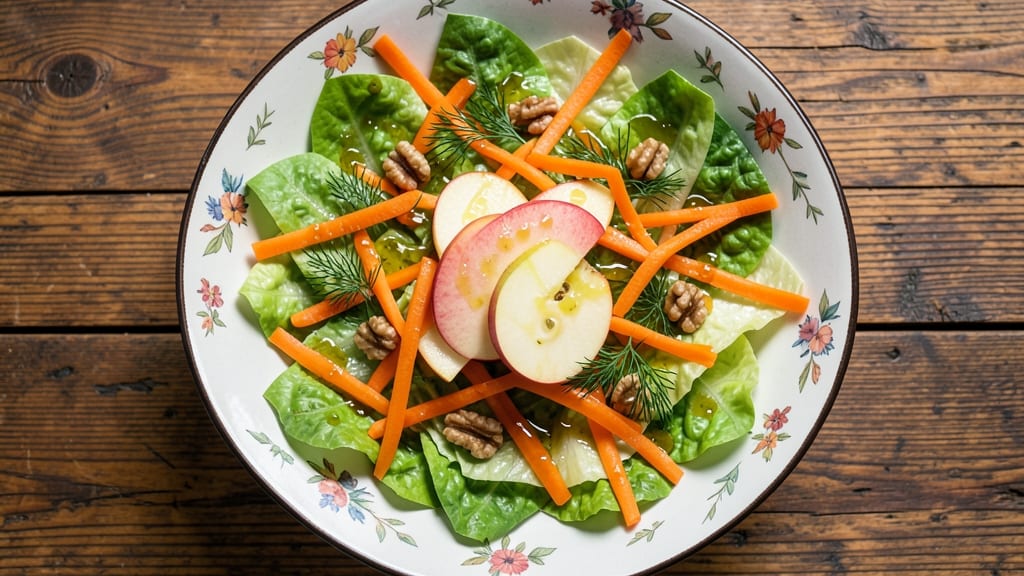
This cabbage, carrot, and apple salad recipe delivers a perfect balance of crunchy textures and bright flavors that transform simple ingredients into something extraordinary.
I developed it after years of experimenting with autumn produce, and the secret lies in the tangy vinaigrette that cuts through the natural sweetness of the vegetables.
The combination of sharp cabbage, sweet carrots, and crisp apples creates a salad that's both refreshing and satisfying—ideal for lunch or a light dinner.
The beauty of this recipe is its simplicity: just a few fresh ingredients and a quick dressing come together to create a salad that's packed with flavor and texture. Shredding the cabbage thinly ensures it stays crisp, while julienning the carrots and apples adds that satisfying crunch.
The dressing—made with apple cider vinegar, Dijon mustard, and a touch of maple syrup—ties everything together with a perfect balance of tangy and sweet notes. It's the kind of salad that keeps well for a few days, making it perfect for meal prep.
What makes this salad truly special is how the flavors develop over time. The cabbage softens slightly while still maintaining its structure, the carrots become just tender enough to bite into, and the apples add a refreshing crispness that brightens every bite.
The dressing clings to each ingredient, enhancing their natural flavors without overpowering them. It's a salad that feels both rustic and refined, perfect for any occasion where you want something fresh, healthy, and delicious.
Serve this salad on its own as a light meal, or pair it with grilled chicken, fish, or even a hearty sandwich for a complete dinner. The versatility of this recipe means it works just as well in a packed lunch as it does on a dinner table.
Here's how to make it—simple steps for a salad that will become a staple in your rotation.
Ingredients for cabbage carrot and apple salad
Crisp cabbage, sweet carrots, and apples meet tangy vinaigrette for a salad that's both rustic and refined.
| Ingredient | Amount | Notes |
|---|---|---|
| Green Cabbage 🥬 | 4 cups | Shredded thinly for crispness |
| Carrots 🥕 | 2 medium | Julienned into thin strips |
| Apples 🍎 | 2 medium | Fuji or Honeycrisp, julienned |
| Apple Cider Vinegar 🍏 | ¼ cup | Raw, unfiltered preferred |
| Extra-Virgin Olive Oil 🫒 | ½ cup | High quality, fruity |
| Dijon Mustard 🌶️ | 1 tbsp | Mild or hot, to taste |
| Pure Maple Syrup 🍯 | 1 tbsp | Grade B for depth |
| Sea Salt 🧂 | ½ tsp | Fine grain preferred |
| Fresh Thyme Leaves 🌿 | ¼ cup | Or 1 tsp dried thyme |
| Fresh Parsley 🌿 | ¼ cup | Chopped, for garnish |
| Toasted Walnuts 🥜 | ½ cup | Chopped, optional crunch |
The cabbage is the star here—green cabbage stays crispest, but red adds color too. Trader Joe's sells pre-shredded, but I always shred mine myself for that perfect texture. Carrots should be firm and bright orange—organic if you're worried about pesticides. Apples are non-negotiable for crunch, and Fuji or Honeycrisp hold up best. Toast your walnuts in a dry pan for 3-4 minutes—they'll smell amazing and add serious texture. For the dressing, raw apple cider vinegar has more depth than regular, and Grade B maple syrup gives that caramel note.
No Dijon mustard? Yellow mustard works in a pinch, but the Dijon's tang is key. Short on apples? Pears hold up well too, though they brown faster. The dressing keeps for 2 weeks in the fridge, but the salad itself is best eaten fresh. If you're prepping ahead, toss the veggies with just a pinch of salt and store separately—mix everything right before serving to keep that satisfying crunch. Costco sells huge cabbages perfect for this, or grab pre-shredded to save time. The thyme and parsley can be swapped for basil if you prefer, but I find the herbal notes complement the apple beautifully.
This salad keeps beautifully for 3-4 days in the fridge, though the cabbage gets slightly softer. To revive it, toss with a splash of fresh lemon juice and a drizzle of olive oil. The dressing separates? Just whisk it back together—it'll come together perfectly. For meal prep, portion the dressing separately and assemble everything the morning you eat it. Walnuts? Store them in the freezer to keep them fresh for up to 6 months. Double the recipe—it disappears fast at potlucks, and leftovers make great sandwich fillings the next day.
Why You'll Love This Recipe
- No-Sharp-Knife Night: I swear by this one—just a mandoline or even a sturdy knife (no fancy skills needed) to slice everything into even strips. The cabbage shreds itself if you pull those outer leaves apart, and the carrots? They’re basically pre-cut if you buy them baby-sized. Honestly, I make this while scrolling through my phone—minimal focus, maximum flavor.
- Sweet-Sour Magic: That apple cider vinegar and olive oil dressing is where it gets good. The tang cuts through the natural sweetness of the apples and carrots, while the cabbage adds that satisfying crunch. Between us, I’ve tried fancier dressings, but this combo? It’s the one my picky-eating partner actually finishes.
- Lunchbox Hero: Pack this in jars for work or school—it keeps for days if you store the dressing separately. My kids take it in their lunches, and I sneak it into sandwiches when I’m lazy. It’s also weirdly great with grilled chicken or as a side for tacos. (Yes, even on a Tuesday night.)
- Pantry Staple Power: You’re probably already using these ingredients—cabbage lasts forever, carrots are dirt cheap, and apples? Most people have a few lurking in the fruit bowl. I’ve made this for potlucks, picnics, and just because I needed something fresh in 10 minutes. No wasted food, no wasted effort. Spot-on.
Step-by-step instructions for cabbage, carrot, and apple salad
Here's how to assemble this vibrant, crunchy salad with perfect balance of textures and flavors.
Prep the Vegetables for Maximum Crunch
Start by thinly shredding the 4 cups green cabbage using a sharp mandoline or knife—aim for paper-thin slices that'll stay crisp. I like to work in batches to keep the cabbage fresh while I prep the other ingredients. For the 2 medium carrots, use a julienne peeler or sharp knife to create long, thin strips that'll add sweetness and color.
Next, core and julienne the 2 medium apples (Fuji or Honeycrisp work best) into matchstick-thin strips. To prevent browning, immediately transfer all prepped vegetables to a large mixing bowl and sprinkle with 0.5 teaspoon sea salt. Toss gently to help draw out moisture and enhance flavor. This step ensures your salad stays crisp and vibrant instead of wilted.
Whisk Together the Tangy Vinaigrette
In a small bowl, combine the 0.25 cup apple cider vinegar, 1 tablespoon Dijon mustard, and 1 tablespoon pure maple syrup. Whisk vigorously until fully incorporated—this creates the base of your dressing. The vinegar adds bright acidity while the mustard and maple syrup provide depth and subtle sweetness that balances the salad's natural flavors.
Slowly drizzle in the 0.5 cup extra-virgin olive oil while whisking continuously. You want an emulsion where the oil and vinegar blend smoothly rather than separating. Taste and adjust seasoning with more salt if needed—this dressing should be tangy but not overpowering. Set aside while you finish prepping the salad components.
Toast the Walnuts for Nutty Crunch
Spread the 0.5 cup toasted walnuts on a dry skillet over medium-low heat. Toast for 3-4 minutes, stirring constantly, until they're fragrant and just beginning to turn golden. Watch them closely—they'll darken quickly. Remove from heat immediately once toasted to prevent burning, then transfer to a cutting board and roughly chop with a knife.
This toasting step transforms bland walnuts into flavorful, aromatic bits that add texture contrast. Let them cool slightly before adding to the salad—they'll continue to crisp up as they sit. The nutty warmth will complement the salad's fresh, crisp elements beautifully.
Combine Everything and Garnish
Pour the vinaigrette over the vegetable mixture and toss gently but thoroughly to coat evenly. Add the chopped toasted walnuts and stir just until combined. Fold in the 0.25 cup fresh thyme leaves and 0.25 cup fresh parsley, reserving a few sprigs for garnish. The herbs add an aromatic finish that elevates the dish from simply fresh to deliciously complex.
Let the salad sit for 5-10 minutes before serving—this allows the flavors to meld slightly. Just before serving, give it a final toss and garnish with the reserved thyme and parsley sprigs. Serve immediately while everything is at its crispest. The contrast of sweet apples, peppery cabbage, crunchy carrots, and toasted walnuts creates a salad that's satisfyingly hearty yet refreshingly light.
Pro Tips For Making Cabbage Carrot And Apple Salad
- SHRED CABBAGE SMALL: I learned this the hard way—thin, even slices (about 1/8-inch) wilt better and stay crunchy longer than chunky shreds. A mandoline makes this faster, but if you’re doing it by hand, take your time: uneven pieces turn mushy faster.
- JULIENNE CARROTS FIRST: Cook the carrots separately for 4-5 minutes in boiling water until just tender (they’ll soften more in the salad). Raw carrots stay stubbornly crisp and overpower the cabbage’s texture—this balances everything.
- ACIDIFY GRADUALLY: Start with half the vinegar, taste, then add the rest. Cabbage and apples absorb acid differently—too much upfront makes the salad taste harsh. Stir in the oil first, then vinegar, and let it sit 10 minutes before tasting again.
- USE COLD APPLES: Slice the apples last and toss them in with ice water for 5 minutes before draining. This prevents browning and keeps them crisp—no one wants a soggy apple in a salad that should be bright and fresh.
Essential equipment for great cabbage carrot and apple salad
Mandoline Slicer
This is my most-used tool for this salad—it gives you those perfect, paper-thin cabbage slices that stay crisp for days. I love the OXO Good Grips mandoline because it's safe and easy to use, even for beginners.
For the carrots and apples, I switch to a julienne peeler—the Microplane brand works perfectly for creating those long, thin strips. The key is keeping everything uniform so the salad looks as good as it tastes. 🥬
Mixing Bowls
You'll need at least two bowls: one for prepping the veggies and another for tossing the dressing. I prefer glass mixing bowls because they're easy to clean and don't retain odors.
A large 12-inch bowl works great for combining everything, while a smaller 6-inch bowl is perfect for whisking the dressing. If you're prepping ahead, I recommend using airtight containers to keep the vegetables fresh and crisp.
Whisk and Small Bowl
The dressing is where the magic happens, so don't skimp on tools. A good balloon whisk—like the OXO Good Grips—makes quick work of emulsifying the oil and vinegar.
I use a small 8-inch glass bowl for mixing because it's the perfect size for whisking and tasting as you go. Pro tip: If your dressing separates, just whisk it again—it'll come together beautifully every time. 🍏
Skillet for Walnuts
Toasted walnuts add that irresistible crunch, and a non-stick skillet is essential for even toasting. I use an 8-inch cast iron pan because it distributes heat perfectly, but any non-stick skillet will work. Keep the heat on medium-low and stir constantly to prevent burning.
Once toasted, let them cool on a plate—they'll crisp up even more as they sit, adding that perfect texture contrast to the salad.
Knives and Cutting Board
You'll need a sharp chef's knife (I recommend Wüsthof) for chopping herbs and any veggies that don't go through the mandoline. A large cutting board (wood or plastic) gives you plenty of space to work, and it's easier to clean than a countertop.
Pro tip: Keep your knives sharp—they make prep faster and safer. If you're short on time, a food processor can shred the cabbage quickly, though it won't be as uniform as a mandoline.
Measuring Tools
Precision matters in this salad, so grab your measuring cups and spoons. For the dressing, I use a liquid measuring cup for the vinegar and oil, and a tablespoon measuring spoon for the mustard and maple syrup.
A fine-mesh strainer comes in handy if you want to strain the dressing for a smoother texture. Trust me, these small tools make all the difference in balancing flavors perfectly. ✨
Nutrition facts
Frequently asked questions
Can I use red cabbage instead of green?
Red cabbage adds beautiful color and a slightly sweeter, earthier flavor. Just be aware it may stain your salad bowl or hands slightly. For best results, shred it the same way as green cabbage and let it sit for 10 minutes before mixing to soften slightly and release its natural juices.
How do I keep the apples from browning?
Toss freshly julienned apples with 1 teaspoon lemon juice or 1 tablespoon apple cider vinegar immediately after cutting. This prevents browning while adding subtle tang. For even better results, store prepped apples in an airtight container with a paper towel to absorb excess moisture.
Can I make this salad ahead of time?
Yes, but with smart prep! Store the vegetables separately in an airtight container for up to 2 days. Keep the dressing in a separate container and toss everything together right before serving. The cabbage will soften slightly but still stay crisp enough. For best texture, add the walnuts fresh when serving.
What if I don't have a mandoline?
No problem! Use a sharp chef's knife and cut the cabbage into very thin slices (about 1/8-inch thick). For carrots and apples, a julienne peeler works great, or you can use a vegetable peeler to create thin strips. A food processor with the shredding blade also works in a pinch for the cabbage.
Can I make this salad without walnuts?
Swap walnuts for pecans, almonds, or pumpkin seeds for different textures. If you prefer no nuts, add 1/4 cup dried cranberries or 1/2 cup toasted sunflower seeds for extra crunch. The key is maintaining that satisfying texture contrast that makes the salad so enjoyable.