
Sauces & Condiments
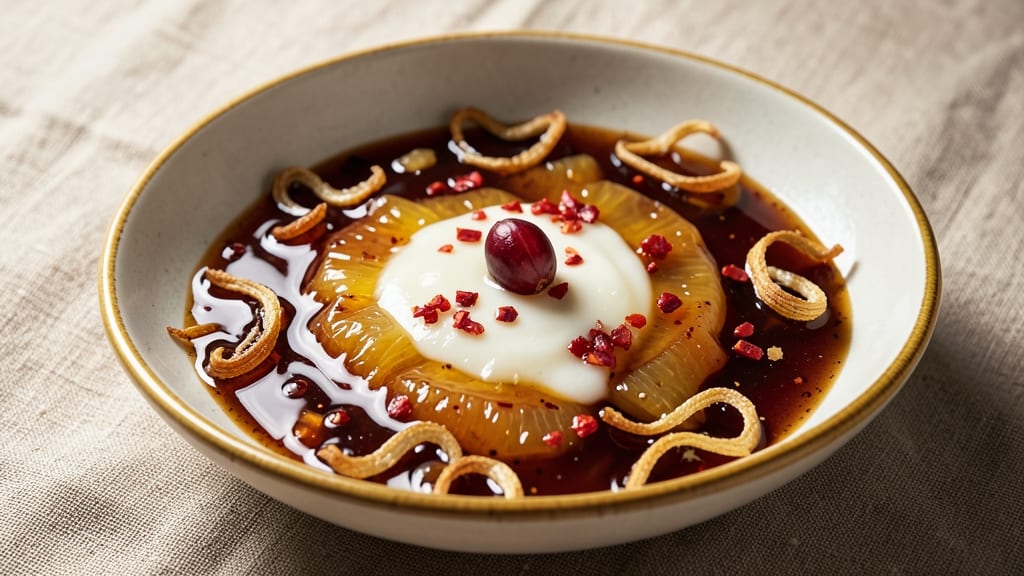
This Chinese pineapple sauce recipe transforms simple ingredients into a vibrant, sweet-tangy glaze that elevates stir-fries, grilled meats, and even roasted vegetables. The secret lies in balancing pineapple juice’s natural sweetness with the bright acidity of rice vinegar, creating a sauce that’s both complex and approachable.
I developed this recipe after years of experimenting with Asian-inspired marinades—it’s the one that finally stuck because it delivers restaurant-quality flavor without requiring specialty ingredients.
The process is straightforward: simmer pineapple juice, vinegar, sugar, and a touch of ginger until the mixture reduces to a glossy, syrupy consistency. This 30-minute technique ensures deep flavor development without overpowering the dish you’re glaze-ing.
The optional chili flakes or soy sauce add layers of umami and heat, making it versatile for everything from spicy noodles to honey-glazed ribs.
What you’ll end up with is a versatile sauce that works as a dipping sauce, stir-fry glaze, or marinade—its bright sweetness cuts through rich, savory flavors while adding a glossy finish that makes any dish look (and taste) restaurant-worthy.
The best part? It keeps well in the fridge for up to a week, so you can make a big batch and use it all week.
Whether you’re grilling chicken, tossing shrimp, or drizzling over roasted pork, this pineapple sauce adds a fresh, tangy kick that feels both familiar and exciting. Let’s get started—your taste buds (and dinner table) will thank you.
Ingredients for chinese pineapple sauce
Eight simple ingredients create a restaurant-worthy glaze that works on everything from grilled meats to stir-fries.
| Ingredient | Amount | Notes |
|---|---|---|
| Fresh Pineapple Juice 🍍 | 1 cup | From ripe pineapple or bottled |
| Rice Vinegar 🍶 | ½ cup | White or seasoned variety |
| Granulated Sugar 🍚 | ½ cup | White or brown preferred |
| Fresh Ginger Root 🌿 | 1 tbsp | Grated, finely chopped |
| Low-Sodium Soy Sauce 🥢 | 2 tbsp | Optional for umami depth |
| Red Chili Flakes 🌶️ | 1 tsp | Adjust for heat preference |
| Sesame Oil 🫒 | 1 tbsp | Toasted for aroma |
| Cornstarch 🌾 | 1 tsp | For thickening consistency |
The pineapple juice is non-negotiable—freshly squeezed delivers the brightest flavor, but high-quality bottled juice works in a pinch. Trader Joe's and Costco carry excellent options, and you'll notice the difference in vibrancy. For the rice vinegar, Kikkoman is my go-to, but any good-quality white vinegar will do. The ginger should be freshly grated—pre-minced loses its punch quickly. If you're short on time, a 1/2 tsp ground ginger works but won't have the same depth of flavor.
No soy sauce? Substitute with coconut aminos for a similar umami kick. Prefer less heat? Skip the chili flakes entirely or use half the amount. The sesame oil adds that signature aroma—toasted sesame oil is best, but regular works if you toast it yourself in a dry pan for 30 seconds. For a smoother texture, whisk the cornstarch with 1 tbsp cold water before adding to the simmering sauce. The sugar can be swapped for honey or maple syrup if you prefer a different sweetness profile.
This sauce thickens as it cools, so stir well before using. Store in an airtight container in the fridge for up to 1 week, or freeze for 3 months in ice cube trays for single-serving portions. I always double the batch—it disappears fast when grilling season hits. For extra shine, add 1 tsp extra sesame oil before serving, but only after the sauce has cooled completely.
Why You'll Love This Recipe
- I’ll be real: this sauce turns boring takeout into a meal. Drizzle it over grilled chicken, toss with cold noodles, or use it as a glaze for roasted veggies. Even my picky teenage nephew asked for seconds when I poured it on his leftover rice—no exaggeration.
- No-Peel, No-Chop: Honestly, I love that this sauce only needs a knife for ginger—peel a thumb-sized piece, slice it thin, and toss it in. No dicing pineapple, no straining juice (just blend and strain if you’re picky). That’s 10 minutes saved right there, and the fresh ginger’s zing cuts through the sweetness like a knife.
- Sweet-Sour Magic: Between us, the balance here is chef’s kiss—bright rice vinegar, just enough sugar to caramelize, and that low-sodium soy for depth. The pineapple juice adds this unexpected tropical twist that makes it taste like a secret weapon, not just another stir-fry sauce.
- Dress-Up Anything: I’ll be real: this sauce turns boring takeout into a meal. Drizzle it over grilled chicken, toss with cold noodles, or use it as a glaze for roasted veggies. Even my picky teenage nephew asked for seconds when I poured it on his leftover rice—no exaggeration.
Step-by-step instructions for Chinese pineapple sauce
This vibrant sauce comes together in minutes with simple pantry staples.
Combine Base Ingredients
In a medium saucepan, pour in the 1 cup fresh pineapple juice and 0.5 cup rice vinegar. Add the 0.5 cup granulated sugar, stirring until fully dissolved over medium heat. You'll notice the sugar crystals disappear completely—this ensures no grainy texture in your finished sauce.
Next, add the 1 tablespoon finely grated fresh ginger root and 2 tablespoons low-sodium soy sauce. Let the mixture simmer gently for 5 minutes, stirring occasionally. The aroma will fill your kitchen with bright, citrusy notes—this is where the sauce's signature flavor begins to develop.
Add Heat and Aroma
Reduce the heat to low and stir in the 1 teaspoon red chili flakes and 1 tablespoon sesame oil. The chili flakes will infuse their heat gradually, while the sesame oil adds a nutty aroma. Let the mixture simmer for another 3-4 minutes, allowing the flavors to meld.
Here's the thing—don't rush this step. The sauce needs time for the ginger to mellow slightly and the vinegar's sharpness to soften. You'll know it's ready when the liquid reduces by about 20% and the aroma is rich and complex, not just vinegary.
Thicken the Sauce
In a small bowl, whisk together the 1 teaspoon cornstarch with 2 tablespoons cold water until smooth. Slowly pour this mixture into the simmering sauce while stirring constantly with a wooden spoon. The sauce will begin to thicken almost immediately.
Continue stirring for 2-3 minutes until the sauce reaches your desired consistency—it should coat the back of a spoon but still be pourable. If it thickens too quickly, add 1 tablespoon water to adjust. The goal is a glossy, syrupy texture that clings beautifully to proteins.
Taste and Adjust
Remove the sauce from heat and let it cool for 5 minutes. Taste and adjust the balance of sweet, tangy, and spicy flavors. If it needs more brightness, add 1 teaspoon rice vinegar. For extra depth, stir in ½ teaspoon soy sauce. The sauce should be sweet enough to balance the heat but still tangy enough to cut through rich dishes.
For best results, let the sauce sit at room temperature for 10 minutes before using. This resting period allows the flavors to fully integrate. Store any leftovers in an airtight container in the refrigerator for up to 5 days, or freeze for 3 months.
Pro Tips For Making Chinese Pineapple Sauce
- STRAIN THE GINGER WELL: I learned this the hard way—grated ginger in the sauce will turn it grainy. Use a fine-mesh strainer or cheesecloth, and press it with a spoon to extract every last bit of juice. No one wants to taste the texture of raw ginger fibers in their sauce.
- SIMMER LOW AND SLOW: This sauce isn’t a race. A gentle simmer (barely bubbling) for 10-15 minutes lets the flavors meld without burning the sugar or turning the vinegar harsh. I used to rush it, and the result was cloyingly sweet or vinegary—neither of which you want.
- USE FRESH PINEAPPLE JUICE: Canned juice lacks the bright acidity and depth of fresh. If you’re short on time, blend frozen pineapple chunks (thawed) and strain—it’s closer than canned. The difference? Fresh juice keeps the sauce from tasting like it came from a syrup bottle.
- BALANCE THE SOY LAST: Add the soy sauce after the sauce has reduced by half. Taste first—if it’s too sweet, a splash of vinegar fixes it; if it’s flat, a touch of soy wakes it up. Dumping it in early can make the sauce taste salty before the other flavors develop. Trust the process.
Flavor customization for this dish
Sweet Heat Balance
Adjust the sweet-to-spicy ratio by tweaking the red chili flakes or ginger to your preference. I like adding ½ tsp more chili flakes for a noticeable kick, but if you're sensitive to heat, reduce to ¼ tsp.
For extra sweetness, increase the sugar to ⅔ cup—this works especially well when glazing grilled meats like pork or chicken. 🌶️
Umami Depth
Boost the savory complexity by adding 1 tbsp fish sauce (like Red Boat) or 1 tsp oyster sauce for a deeper, more authentic Chinese flavor profile. These ingredients add a briny richness that pairs beautifully with the pineapple’s brightness.
Skip the soy sauce entirely if you prefer this route—just increase the fish sauce to 3 tbsp for maximum umami.
Citrus Twist
Brighten the sauce with 1 tbsp freshly squeezed lime juice or lemon zest for a zesty lift. This works especially well if your pineapple juice isn’t very tart. I also love adding 2 tbsp orange juice for a tropical fusion twist—it’s perfect for summer grilling.
The acidity cuts through the sweetness and keeps the sauce feeling fresh. 🍋
Herb Infusions
Add 1 tbsp chopped fresh cilantro or thai basil right before serving for a fragrant, herbaceous finish. For a more aromatic profile, steep 1 tsp dried lemongrass (finely chopped) in the simmering sauce for 5 minutes before straining.
This adds a citrusy, floral note that elevates the sauce for Asian-inspired dishes like satay or spring rolls.
Smoky Char
For a smoky-sweet variation, stir in ½ tsp liquid smoke (like Traeger’s) or 1 tsp smoked paprika during the final simmer. This works amazingly well with grilled meats, adding a campfire-like depth that balances the sauce’s tangy brightness.
I’ve used this version for pulled pork and it’s a game-changer. 🔥
Creamy Texture
Turn the sauce into a creamy dipping sauce by stirring in 2 tbsp coconut milk or 1 tbsp Greek yogurt after it cools. This adds a silky smoothness that’s perfect for dipping spring rolls or grilled shrimp.
For extra richness, whisk in 1 tbsp tahini—it adds a nutty twist that pairs surprisingly well with the pineapple’s sweetness.
Nutrition facts
Frequently asked questions
Can I use canned pineapple instead of fresh juice?
Yes, but with a few adjustments! Drain a 14-ounce can of crushed pineapple (with juice) and use 1/2 cup of the juice plus 1/4 cup of the crushed pineapple in the recipe. The texture will be slightly thicker, but it still works well. For a smoother sauce, strain out any chunks first.
How do I make this sauce less sweet?
Reduce the sugar to 1/4 cup and increase the rice vinegar to 1/3 cup to balance the sweetness. For extra tang, add 1 tbsp lime juice at the end. If the sauce tastes flat after reducing sugar, a pinch of salt or 1/2 tsp soy sauce will enhance the flavors.
Can I make this sauce without cornstarch?
For a gluten-free option, use 1 tsp arrowroot powder instead. If you prefer no thickener, simply simmer the sauce longer (up to 10 minutes) until it naturally reduces to your desired consistency. The texture will be thinner but still flavorful.
What's the best way to store leftover sauce?
Transfer to an airtight container and refrigerate for up to 5 days. For longer storage, freeze in 1-tablespoon portions (using ice cube trays) for easy thawing. The sauce thickens when cold—just reheat gently over low heat and stir until smooth before using.
Why did my sauce turn cloudy?
Cloudiness usually means the sauce cooled too quickly or wasn't stirred enough during thickening. To fix it, reheat gently while stirring constantly until clear. For future batches, reduce heat to low after adding cornstarch and stir continuously for 2-3 minutes to ensure proper thickening.