
Sauces & Condiments
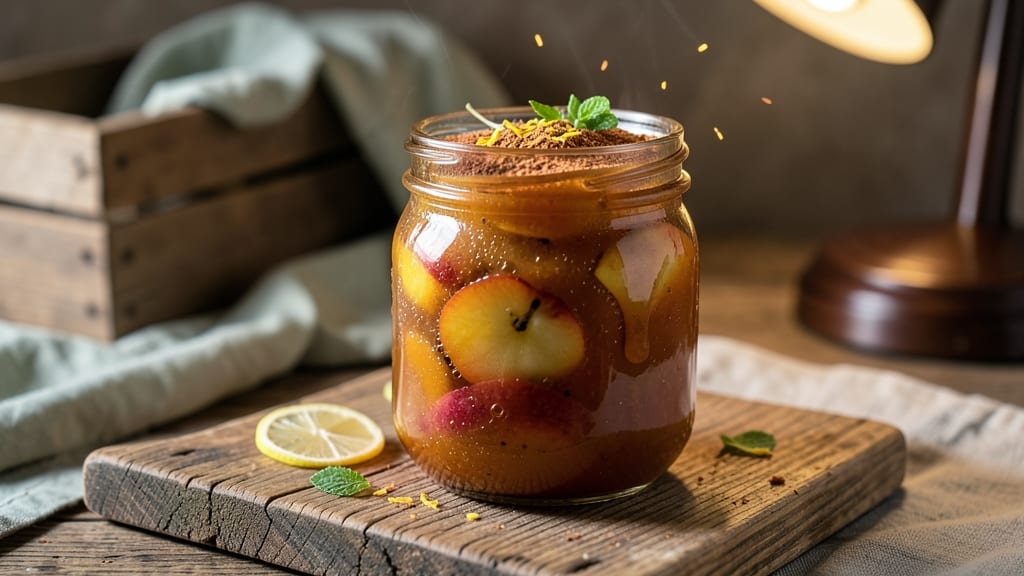
This crab apple sauce canning recipe transforms their tart brightness into a versatile, no-sugar-added condiment that brightens everything from meats to desserts. The natural pectin in crab apples creates a beautifully thickened sauce without added thickeners, while the high acidity ensures safe preservation through proper canning techniques.
This recipe delivers restaurant-quality depth with just tart apples, cinnamon, and a touch of lemon juice.
The secret to successful canning lies in proper preparation: peeling and cooking the apples until tender, then processing them in a water bath to create a shelf-stable product. Unlike store-bought sauces, this version captures the natural complexity of crab apples with their signature tart-sweet balance and subtle floral notes.
The process requires attention to detail—especially when adjusting acidity—but yields a sauce that keeps beautifully for up to a year.
What makes this sauce exceptional is its versatility—use it as a glaze for roasted meats, a topping for yogurt, or a pie filling component. The cinnamon and lemon brighten the natural tartness while adding warmth, creating a perfect balance that works in both sweet and savory applications.
Each jar delivers that homemade quality that store-bought versions simply can't match.
For best results, follow the water bath canning instructions precisely to ensure safety and longevity. The sauce will develop even more depth as it ages, making it perfect for gifting or storing for future use.
This is the kind of preserve that transforms simple meals into something extraordinary with minimal effort.
Ingredients for crab apple sauce canning
Tart crab apples, cinnamon, and lemon create this naturally thickened, no-sugar-added sauce perfect for gifting or pantry staples.
| Ingredient | Amount | Notes |
|---|---|---|
| Crab Apples 🍎 | 6 lb | Unpeeled, firm and tart variety |
| Granulated Apple Cider Vinegar 🍶 | 1 cup | For acidity and preservation |
| Ground Cinnamon 🌿 | 2 tbsp | Ceylon or high-quality variety |
| Lemon Juice 🍋 | ½ cup | Freshly squeezed for brightness |
| Water 💧 | 2 cups | For cooking apples |
| Lemon Peel 🍋 | 1 whole | Organic, unblemished peel |
| Salt 🧂 | 1 tsp | Kosher or sea salt |
| Canning Jars 🥫 | 6 pieces | Pint-sized, sterilized |
| Lids and Bands 🔒 | 6 pieces | New lids for sealing |
The crab apples are the star—look for firm, unblemished fruit at local orchards or specialty stores like Whole Foods. Their natural pectin means no added thickeners, and the high acidity ensures safe canning. If you can't find crab apples, tart green apples like Granny Smith work in a pinch, but the flavor won't be the same. The lemon peel adds subtle floral notes, so organic lemons are ideal—they're less likely to have wax coatings that can affect flavor. For cinnamon, Ceylon or high-quality ground makes all the difference in depth. Store your apples in a cool, dark place until ready to use.
No apple cider vinegar? White vinegar or lemon juice at double the amount works, but the flavor won't be identical. Short on cinnamon? Nutmeg or allspice at half the amount adds warmth without overpowering. The sauce relies on natural acidity for preservation, so don't skip the lemon juice—it's non-negotiable for safety. For canning, Ball or Kerr jars are reliable, but any new, sterilized pint jars will do. If you're canning a large batch, consider quart jars for efficiency, though the sauce will be thicker and may require stirring before sealing.
This sauce develops beautifully over time—wait at least 24 hours before opening jars to let flavors meld. Once opened, store in the fridge for up to 2 weeks. For gifting, the sauce keeps up to a year unopened in a cool, dark pantry. Label jars with the date and contents—trust me, you'll forget! The sauce thickens as it ages, so stir well before using. If it's too thick after opening, thin with a splash of water or apple juice. Freezing isn't recommended, as the texture changes dramatically.
Why You'll Love This Recipe
- No Fuss, Big Payoff: I’ll be real—this recipe takes less time than peeling store-bought apples. Just toss those tart crab apples into a pot with vinegar and water, simmer until they burst, and you’re left with a jammy sauce that’s way more flavorful than anything from a jar. (Between us, the cinnamon and lemon juice do all the work.)
- Tart-Sweet Magic: That first bite of the warm sauce—bright from the vinegar, deep from the cinnamon, with just enough lemon to cut through—is ridiculously addictive. It’s like autumn in a jar, but without the work of pie crusts or fancy plating. Honestly, I’ve caught myself sneaking spoonfuls straight from the canning jar.
- Year-Round Pantry Hero: This sauce isn’t just for Thanksgiving. Slather it on toast with butter for a breakfast upgrade, stir it into oatmeal, or drizzle it over grilled chicken. (Yes, even on a Tuesday night.) The acidity balances rich foods perfectly, and since it keeps for months, you’ll always have a pantry shortcut ready.
- Budget-Friendly Luxury: Crab apples grow wild in many places—often for free—and cost next to nothing compared to grocery-store apples. A few pounds stretch into dozens of jars, and the vinegar and spices are pennies. It’s the kind of recipe that makes me feel fancy without breaking the bank. (My wallet thanks me every time.)
Step-by-step instructions for preserving crab apple sauce
Transform tart crab apples into vibrant, naturally sweet preserves with this foolproof canning method.
Prepare and Cook the Crab Apples
Wash the 6 lb crab apples thoroughly under cool water to remove any dirt or debris, but don't peel them—their skins add texture and flavor. Cut each apple into quarters, removing any soft or bruised spots. Place the apple quarters in a large, heavy-bottomed pot and add the 2 cups water, 1 whole lemon peel, and 1 tsp salt. Bring to a boil over medium-high heat, then reduce to a simmer.
Cook the apples for 20-25 minutes until they're fork-tender and easily mashable. Stir occasionally to prevent sticking. You'll know they're ready when the edges soften and the mixture begins to break down naturally. The apples should release their juices, creating a thick, chunky sauce. Here's the thing—don't rush this step. Undercooked apples will result in a grainy texture that's difficult to blend later.
Strain and Season the Sauce
Remove the pot from heat and let it cool for 5 minutes. Transfer the apple mixture to a fine-mesh strainer or food mill placed over a large bowl. Press the apples through the strainer to separate the pulp from the skins and seeds, reserving the liquid. You should have about 4-5 cups of strained apple pulp and juice combined. Discard the skins and seeds unless you're making apple butter.
Return the strained apple mixture to the pot and stir in the 0.5 cup lemon juice and 1 cup granulated apple cider vinegar. These ingredients enhance the natural sweetness while adding brightness and preservation properties. Bring the mixture back to a gentle boil over medium heat, then reduce to a simmer again. Add the 2 tbsp ground cinnamon and stir well to distribute evenly. Simmer for an additional 10 minutes to allow the flavors to meld and the sauce to thicken slightly. The aroma should be rich and spiced—this is your signal that the seasoning is working.
Sterilize Canning Jars and Prepare for Filling
While the sauce simmers, prepare the 6 pieces canning jars by washing them in hot, soapy water, then rinsing thoroughly. Place the jars in a large pot and cover with water. Bring to a boil for 10 minutes to sterilize them. Keep the jars hot until you're ready to fill them. Meanwhile, prepare the 6 pieces lids and bands by placing the lids in a separate pot of simmering water (not boiling) to soften the sealing compound.
Remove the jars from the boiling water using tongs and place them on a clean kitchen towel. Fill each jar with the hot apple sauce, leaving about ½ inch of headspace at the top. Use a funnel if needed to prevent spills. Run a clean knife or spatula around the inside of the jars to remove any air bubbles trapped in the sauce. This ensures a proper seal and prevents spoilage.
Seal and Process the Jars
Place the lids on the filled jars and screw on the bands until they're fingertip-tight—don't overtighten, as this can prevent a proper seal. Return the jars to the pot of boiling water, ensuring they're covered by at least 1 inch of water. Bring the water back to a rolling boil and process the jars for 15 minutes. This processing time ensures the sauce is safely preserved and free from bacteria.
After processing, remove the jars from the pot and place them on a clean towel. Let them cool undisturbed for 12-24 hours. You'll hear a satisfying "ping" as the lids seal. Check the seals by pressing down on the center of each lid—if it doesn't pop up, the jar is properly sealed. Store the sealed jars in a cool, dark place for up to 1 year. The sauce will continue to develop deeper flavors over time, making it even more delicious.
Pro Tips For Making Crab Apple Sauce Canning
- Peel and Core Like a Pro: Crab apples are tough—skip the peeler and use a sharp paring knife to slice off the skin in one continuous spiral. Cut them into even ½-inch chunks so they soften uniformly during canning (no mushy bits or undercooked centers).
- Boil Vinegar First: Heat the apple cider vinegar and lemon juice together in a small pot until just simmering before adding to the apples. This pre-warms the acid, which helps kill bacteria faster during processing—especially important since crab apples are lower in natural pectin.
- Skip the Overcrowded Jar: Pack the hot apple mixture into jars, but leave at least ½-inch headspace. Overfilling leads to seal failures or exploding jars when the sauce expands. Tap the jar gently on the counter to settle the sauce, then wipe the rim clean before sealing.
- Add Cinnamon Last: Stir the ground cinnamon into the sauce after removing jars from the boiling water bath. Heat can dull its flavor, and you want that warm, spiced aroma to stay sharp. Sprinkle it directly into the jars right before sealing for maximum impact.
Flavor customization for this crab apple sauce canning
Sweet-Tart Balance
Adjust the sweetness by adding 1-2 tbsp honey or maple syrup per pint jar before processing. I recommend local wildflower honey for floral notes that complement crab apples beautifully.
For extra tartness, increase lemon juice to ⅔ cup—this works well if you prefer a more acidic profile for savory dishes like pork tenderloin. 🍯
Spice Variations
Swap cinnamon for 1 tsp ground cloves or ½ tsp cardamom for a Middle Eastern twist. A pinch of black pepper adds warmth, while ½ tsp ginger brings a zesty kick.
For a modern touch, add ½ tsp smoked paprika—it pairs perfectly with the sauce's natural tartness and adds depth to roasted vegetables. 🌶️
Herb Infusions
Add 1 tbsp fresh thyme or rosemary sprigs while cooking for an herbal depth. Remove herbs before straining. For a citrusy herbal blend, steep 2 tbsp chopped mint leaves in the warm sauce for 10 minutes before processing.
The mint brightens the sauce's natural tartness and works wonderfully in desserts. 🌿
Fruit Additions
Mix in ½ cup chopped dried apricots or raisins during the final simmer for a sweet contrast. For a berry twist, stir in ½ cup mashed blackberries or blueberries—they add vibrant color and a jammy texture. These additions work best in smaller batches (pint jars) to maintain balance. 🍇
Smoky Depth
For a BBQ-inspired sauce, add ½ tsp liquid smoke or 1 tbsp smoked sea salt during the final simmer. This pairs exceptionally well with pulled pork or grilled chicken.
If you prefer a natural smoky flavor, grill apple slices before cooking and include them in the sauce. The char adds complexity without overpowering the tartness. 🔥
Ginger-Lemon Zing
Boost brightness with 1 tbsp freshly grated ginger and an extra ¼ cup lemon juice. This combination works beautifully in Asian-inspired dishes like glazed salmon or stir-fries. The ginger's heat balances the sauce's tartness, creating a dynamic flavor profile that's both refreshing and complex. ✨
Nutrition facts
Frequently asked questions
Why do crab apples need to be peeled before canning? You don't peel them! The skins actually add wonderful texture and subtle bitterness that enhances the sauce's complexity. The recipe intentionally keeps the skins to create a more authentic, rustic flavor—just
Can I use regular apples instead of crab apples?
While tart green apples like Granny Smith work in a pinch, they lack the natural pectin and high acidity that make crab apples perfect for canning. The sauce will be thinner and may require added thickeners. For best results, stick with crab apples—they create a beautifully balanced, naturally thickened preserve without extra ingredients.
How do I know when the sauce is properly sealed?
After cooling for 12-24 hours, press the center of each lid—if it doesn't pop up, the jar is sealed. You'll also hear a satisfying "ping" sound when the vacuum seal forms. If any lids don't seal, refrigerate and use within 1 week. Unsealed jars won't last on the shelf.
What's the shelf life of canned crab apple sauce?
Properly processed jars keep for up to 1 year in a cool, dark pantry. After opening, refrigerate and use within 2 weeks. The sauce actually improves with age—flavors meld beautifully over time, making it perfect for gifting or long-term storage.
Can I adjust the spice level for kids?
Reduce cinnamon to 1 tsp total for the whole batch, or omit it entirely. For extra kid-friendly appeal, stir in ½ cup unsweetened applesauce during the final simmer to mellow the tartness while keeping the natural thickness.