
Main Courses
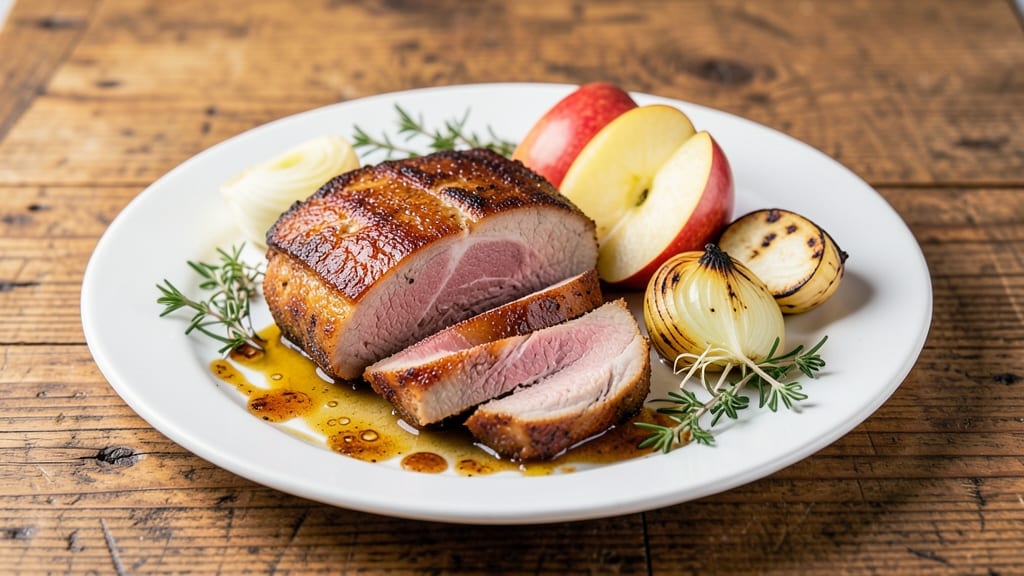
This pork apple fennel recipe transforms humble ingredients into a restaurant-worthy braise where sweet, earthy, and savory flavors dance together. Growing up in Georgia, I learned how pork shoulder's rich depth pairs perfectly with apples' caramelized sweetness and fennel's licorice-like brightness—a combination that feels like autumn in a skillet.
The key lies in slow cooking until the pork melts off the bone while the vegetables develop a tender, jammy texture that clings to every bite.
What sets this dish apart is its herbal depth—fresh thyme and rosemary infuse the braising liquid, creating layers of aroma that elevate simple ingredients to something extraordinary.
Unlike quick weeknight meals, this requires patience: the pork needs 3 hours of gentle simmering to achieve that fall-apart tenderness, while the apples and fennel caramelize into a naturally sweet glaze. The result is a dish that's equally impressive served family-style or plated elegantly for dinner guests.
By the time you're done, you'll have perfectly tender pork with crisp edges, apples that've softened into sweet, buttery slices, and fennel that's tender yet still holds its shape.
The sauce—thickened with the pork's natural juices and reduced to a glossy sheen—ties everything together with a balance of sweetness and savory richness. This is the kind of meal that makes you want to linger at the table, savoring each forkful.
Serve it with crusty bread to soak up the sauce or alongside roasted root vegetables for a complete autumnal spread. The leftovers reheat beautifully, making it perfect for meal prep. Here's how to bring this sweet-savory masterpiece to your table.
Ingredients for pork apple fennel
Six ingredients transform humble cuts into autumn's most elegant braise—where pork's richness meets apples' caramelized sweetness.
| Ingredient | Amount | Notes |
|---|---|---|
| Pork Shoulder 🥩 | 3 lb | Bone-in for best flavor |
| Honeycrisp Apples 🍎 | 3 medium | Peeled, cored, sliced thin |
| Fennel Bulb 🧅 | 2 whole | Trimmed, sliced thin |
| Fresh Thyme 🌿 | ½ oz | Bundles, stems removed |
| Fresh Rosemary 🌿 | ¼ oz | Sprigs, woody stems removed |
| Yellow Onion 🧅 | 1 whole | Peeled, sliced thick |
| Garlic Cloves 🧄 | 6 cloves | Peeled, smashed |
| Dry Red Wine 🍷 | 1 cup | Bold, like Cabernet |
| Chicken Stock 💧 | 2 cups | Homemade or quality store-bought |
| Apple Cider Vinegar 🍎 | 2 tbsp | For brightness |
| Brown Sugar 🍚 | 2 tbsp | Lightly packed |
| Olive Oil 🫒 | 2 tbsp | Extra-virgin for richness |
| Salt 🧂 | 1 ½ tsp | Kosher or sea salt |
| Black Pepper 🌶️ | ½ tsp | Freshly cracked |
The pork shoulder should have visible fat marbling—Costco or Whole Foods carry excellent bone-in cuts for this. Honeycrisp apples are ideal (their crispness holds up beautifully), but Fuji or Braeburn work too. Fennel can be tricky to slice—mandoline works best—and look for bulbs with tight, pale fronds. Fresh herbs are non-negotiable here: Trader Joe's sells great thyme and rosemary bundles, or grab them from the grocery store's produce section where they're usually kept refrigerated. The wine? Any bold, dry red—Cabernet Sauvignon or Merlot from your local liquor store will do.
No red wine? Substitute apple cider or beef broth with a splash of balsamic—it'll still taste amazing. Short on fennel? Celery root or extra onion adds earthiness, though nothing quite matches that licorice note. The apples can be pre-sliced (store in lemon water to prevent browning), and the pork can be trimmed of excess fat ahead of time—save those scraps for stock. For a quicker version, use pork tenderloin instead of shoulder—it cooks faster but won't be as tender when done. The brown sugar is optional but adds depth—coconut sugar works too—and the apple cider vinegar keeps the flavors bright.
This braise tastes even better the next day—plan ahead. Store in an airtight container with the sauce for up to 5 days in the fridge. For longer storage, portion into freezer-safe containers with a layer of sauce on top to prevent drying. It reheats beautifully—gentle simmer on the stove or microwave with a splash of water. The sauce thickens as it cools, so you can thin it with a little stock if needed. Leftovers make incredible sandwiches with crusty bread or tacos with a sprinkle of fresh herbs.
Why You'll Love This Recipe
- One-Pan Magic: I swear by this recipe when I’m too tired to scrub pots—just toss everything on a sheet pan, let the oven do the work, and walk away. The pork shoulder and fennel caramelize together while the apples soften just enough to get that perfect bite.
- Sweet-Savory Balance: That crisp Honeycrisp apple and the anise notes from fennel? It’s like autumn in a bite—bright, earthy, and just a little sweet without being cloying. The thyme and rosemary tie it all together with a herbal punch that lingers.
- Weeknight to Weekend: Honestly, this works for everything—a lazy Tuesday dinner, a potluck side, or a showstopper for guests. The leftovers reheat beautifully, and the flavors only get deeper the next day. (Yes, even on a Tuesday night.)
- Budget-Friendly Feast: Pork shoulder is my go-to for stretching meals—it’s cheaper than steak but just as satisfying. A single fennel bulb and a couple apples go a long way, and fresh herbs last longer than you’d think if you store them right. Minimal ingredients, maximum flavor.
Step-by-step instructions for braising pork shoulder with apple and fennel
This method transforms tough pork into melt-in-your-mouth perfection through slow cooking and aromatic layers.
Sear the Pork Shoulder for Deep Flavor
Heat the 2 tablespoons olive oil in a heavy Dutch oven over medium-high heat until shimmering. Pat the 3 lb pork shoulder completely dry with paper towels—this ensures maximum browning. Working in batches if needed, sear the pork on all sides until deeply golden brown, about 8-10 minutes per side. The goal is to develop a rich crust that will dissolve into the braising liquid, creating layers of flavor.
Once browned, remove the pork and set it aside. If the oil starts smoking before all sides are seared, reduce heat slightly—you want color, not char. The pork will finish cooking in the oven, so don't worry about full doneness yet. This initial searing is what makes the final dish so irresistible.
Build the Aromatic Base with Vegetables and Herbs
In the same Dutch oven, add the 1 whole yellow onion and 2 whole fennel bulb, sliced thick. Cook for 5-6 minutes until softened and lightly caramelized. Add the 6 cloves garlic cloves and cook for 30 seconds until fragrant—don't let them burn. Here's where the magic happens: stir in the 0.5 oz fresh thyme and 0.25 oz fresh rosemary, removing any woody stems first. These herbs will infuse the dish with their earthy, piney notes.
Pour in the 1 cup dry red wine, scraping up any browned bits from the bottom of the pot with a wooden spoon. This deglazing step captures all the caramelized flavor that would otherwise be lost. Let the wine simmer for 3-4 minutes until reduced by half, concentrating its bold flavors. This reduction is what transforms simple wine into a rich, complex base.
Braise with Apples and Sweet-Savory Balance
Add the 3 medium Honeycrisp apples, sliced thin, along with the 2 tablespoons apple cider vinegar, 2 tablespoons brown sugar, 1.5 teaspoons salt, and 0.5 teaspoon black pepper. Stir everything together, then pour in the 2 cups chicken stock. Return the pork shoulder to the pot, fat-side up, and bring the mixture to a gentle simmer. The apples will soften as they cook, releasing their natural sweetness that balances the savory pork.
Transfer the Dutch oven to a preheated 300°F oven. Cover tightly with a lid and braise for 3 hours. The low temperature ensures the pork becomes tender without drying out. Here's the thing—don't peek or stir during this time. Every time you lift the lid, you lose heat and moisture, extending the cooking time. Patience is key for perfect results.
Finish with Reduced Sauce and Resting Time
After 3 hours, remove the pork and strain the braising liquid through a fine-mesh sieve into a saucepan. Skim off any excess fat that has risen to the surface. Return the liquid to the stove and simmer over medium heat for 10-15 minutes until reduced by about a third. This concentration deepens the flavors and creates a glossy, clingy sauce. The apples should be tender but not mushy—if they're still firm, return the pork to the pot and cook for another 30 minutes covered.
Once the sauce is reduced, return the pork to the pot and let it soak up the sauce for 5 minutes. Carve the pork against the grain into ½-inch thick slices and serve immediately with the reduced sauce spooned over the top. The pork should be fork-tender, falling apart easily, with a beautiful pink center. The apples and fennel should be perfectly tender, their sweetness complementing the rich, herby pork.
Pro Tips For Making Pork Apple Fennel
- SEAR THE PORK FIRST: Get that Dutch oven screaming hot—like, real hot—and sear the pork shoulder in batches if needed. I used to skip this, and the meat just ended up bland and gray; now, that crust locks in flavor and makes the fennel-apple glaze stick like glue.
- SLICE FENNEL THINLY: Don’t be lazy with the fennel—shave it paper-thin, like you’re making the world’s most boring salad. Thick slices stay crunchy and bitter; thin slices caramelize right into the pork’s juices. (Pro move: Use a mandoline if you’re not confident with a knife.)
- DON’T OVERCOOK THE APPLES: Honeycrisp apples turn to mush fast—watch them like a hawk. They should soften but still hold shape, like a firm apple sauce. If they’re falling apart, pull them out early; you can always add more later.
- USE DRY HERBS: Fresh rosemary and thyme are great, but crush them lightly first—just enough to release the oils, not enough to turn them into pulp. Wet herbs bleed flavor into the braising liquid and can make the dish taste bitter. (Yes, even if your recipe says "fresh.")
Serving suggestions for leftovers
Crusty Bread Pairing
There's nothing better than serving this rich braise with warm, crusty bread to soak up every last drop of that glossy apple-fennel sauce. I love using a sourdough loaf from my local bakery—its tangy crumb contrasts beautifully with the sweet-savory pork.
For extra drama, brush the bread with garlic-infused olive oil and sprinkle with flaky sea salt before serving. The crust should be just crisp enough to hold its shape while still being soft enough to sop up the sauce. 🥖
Roasted Root Vegetables
To round out the meal, roasted root vegetables add earthy depth that complements the dish's herbal notes. Toss parsnips, carrots, and sweet potatoes with 1 tbsp olive oil, ½ tsp thyme, and ½ tsp brown sugar, then roast at 400°F for 25 minutes until caramelized.
The natural sweetness of the roots mirrors the apples in the braise while their crisp edges add satisfying texture. I often serve them alongside the pork, letting guests build their own plates.
Simple Arugula Salad
A bright, peppery salad cuts through the richness of the pork beautifully. Toss 4 cups baby arugula with 2 tbsp extra-virgin olive oil, 1 tbsp apple cider vinegar, and a pinch of flaky salt.
Top with ¼ cup toasted walnuts and 2 tbsp crumbled goat cheese for a perfect balance of textures. The arugula's sharpness cleanses the palate between bites of the rich braise, while the walnuts add a satisfying crunch. 🌿
Warm Polenta
For a comforting, creamy alternative, serve the braise over creamy polenta made with 1 cup cornmeal and 4 cups chicken stock, simmered until thick and smooth. Stir in 2 tbsp butter and ½ cup grated Parmesan for richness.
The polenta's mild sweetness and velvety texture make it an ideal base for the pork and sauce. I often make a double batch—it reheats perfectly and pairs wonderfully with leftovers the next day.
Apple-Cider Glaze Garnish
Elevate the presentation with a quick apple-cider glaze that mirrors the dish's flavors. Simmer ½ cup apple cider with 1 tbsp brown sugar and 1 tsp fresh thyme until reduced by half. Drizzle this glossy glaze over the plated pork just before serving.
The glaze adds a beautiful sheen and intensifies the apple-fennel aroma. For extra flair, sprinkle with chopped fresh rosemary or toasted fennel fronds before serving. ✨
Cheese Board Finale
End the meal with a Southeast-style cheese board featuring sharp cheddar, aged Gouda, and creamy brie alongside fig jam, honeycomb, and crusty crackers. The cheeses complement the dish's herbal notes while adding a satisfying finish.
I often include a small bowl of spiced apple compote made by simmering 1 cup diced apples with 1 tsp cinnamon and 1 tbsp brown sugar—it ties everything together beautifully. 🧀
Nutrition facts
Frequently asked questions
Why does this recipe use fennel with pork and apples?
The fennel adds an unexpected but brilliant herbal depth that balances the sweetness of apples and richness of pork. Its licorice-like notes complement the pork's savory profile while cutting through the sweetness, creating a sophisticated flavor harmony. This combination is inspired by Mediterranean and Southern European cuisines where fennel is often paired with pork in braised dishes.
Can I substitute pork tenderloin for pork shoulder?
Yes, but with adjustments! Pork tenderloin cooks much faster (20-25 minutes at 375°F), so you'll need to reduce the braising time to 1 hour instead of 3. Slice it thinner and cook it uncovered for the last 10 minutes to ensure proper browning. The texture will be more tender but less fall-apart than shoulder.
How do I know when the pork is fully cooked?
Use a meat thermometer to check for 195-203°F in the thickest part of the meat. The pork should be fork-tender with a slight pink center. If it's not reaching temperature, extend the braising time by 30-minute increments—the low heat ensures it won't dry out. For shoulder cuts, this typically takes 3 hours total.
What if I don't have fresh fennel?
You can substitute with celery root (celeriac) or extra onion for earthiness, though you'll lose that signature fennel anise flavor. For a closer match, try 1 teaspoon fennel seeds toasted in the oil during searing—they'll infuse the dish with aromatic notes. If using celery root, peel and slice it into ¼-inch thick rounds before cooking.
Can I make this recipe in a slow cooker?
Brown the pork and vegetables first, then transfer everything to a 6-quart slow cooker with all the liquids. Cook on LOW for 8 hours or HIGH for 5 hours. The pork will be tender but may not be as caramelized. Finish by reducing the sauce on the stovetop for 10-15 minutes to concentrate the flavors before serving.