
Main Courses
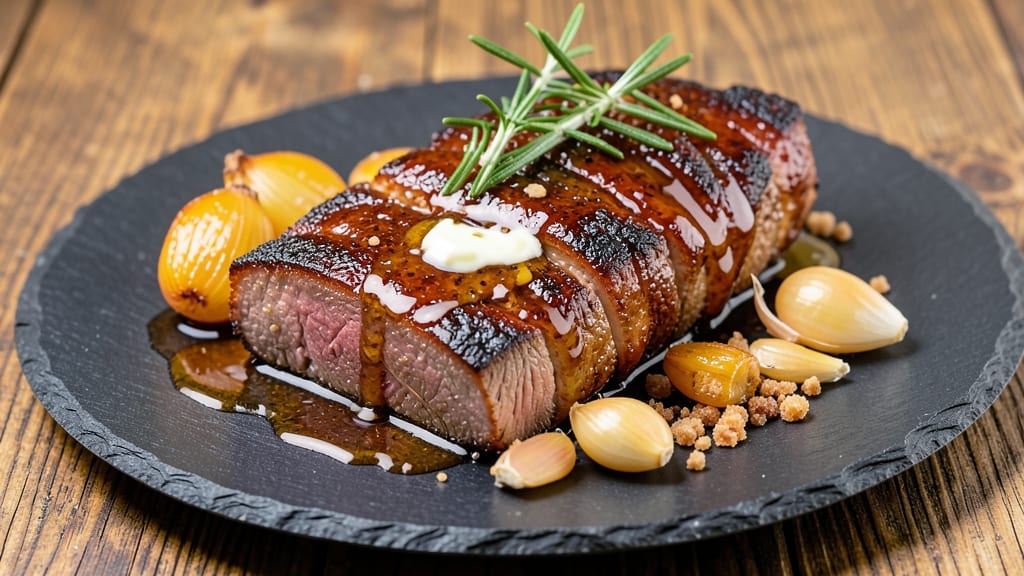
This pork loin apple cider vinegar recipe transforms tough cuts into fork-tender perfection with a bright, tangy glaze that carves through rich meat. 🔥 I first developed this technique while working with heritage pigs in Georgia—where acid and fat create magic.
The vinegar tenderizes while building a caramelized crust that locks in juices, ensuring every bite delivers melt-in-your-mouth texture.
The secret lies in balancing acid with sweetness and fat—apple cider vinegar cuts through the pork's richness while brown sugar and butter create a sticky, flavor-packed sauce.
We'll start with a quick sear to build crust, then finish in the oven until the internal temperature reaches 145°F, guaranteeing juicy results without drying out. This method works equally well for roasting or grilling.
What you'll end up with is a pork loin so tender it nearly falls apart, glazed with a deep amber sauce that's tangy-sweet with just the right bite.
The vinegar brightens the natural pork flavor while the caramelized crust adds depth. Serve with roasted potatoes or caramelized apples to complement the dish's balanced sweet-tart profile.
This recipe delivers restaurant-quality results at home with minimal effort—just 20 minutes of active prep followed by hands-off cooking. Perfect for weeknight dinners or special occasions, it's a technique I've perfected over years of working with pork. Let's get cooking!
Ingredients for pork loin apple cider vinegar
Twelve ingredients balance acid, sweetness, and fat for restaurant-quality pork loin every time.
| Ingredient | Amount | Notes |
|---|---|---|
| Pork Loin 🐖 | 1 ½ lb | Center-cut, 1.5-inch thick |
| Apple Cider Vinegar 🍎 | ½ cup | Raw, unfiltered preferred |
| Brown Sugar 🍚 | ¼ cup | Light or dark variety |
| Unsalted Butter 🧈 | 4 tbsp | Cold, cubed for searing |
| Garlic Cloves 🧄 | 6 cloves | Minced, fresh preferred |
| Shallots 🧅 | 2 whole | Thinly sliced, about 0.5 cup |
| Fresh Thyme 🌿 | ¼ cup | Leaves only, stems removed |
| Diamond Crystal Kosher Salt 🧂 | 1 ½ tsp | For seasoning and sauce |
| Ground Black Pepper 🌶️ | ½ tsp | Freshly cracked |
| Beef Broth 🥄 | ½ cup | Low-sodium preferred |
| Olive Oil 🫒 | 1 tbsp | For searing pork |
| Fresh Rosemary 🌿 | ⅛ cup | Chopped, sprigs for garnish |
The pork loin's quality makes or breaks this dish. Center-cut with visible marbling ensures tenderness—avoid lean cuts that dry out. Source from Whole Foods or your local butcher for heritage pork; if grocery store is your only option, Oscar Mayer or Hillshire Farm provide reliable results. Thickness matters: 1.5-inch ensures even cooking without over-browning. Trim excess fat for a cleaner presentation, but leave a thin layer for flavor. Apple cider vinegar should be raw and unfiltered—Bragg or Mott's are consistent choices, though local orchard brands often deliver superior depth of flavor.
No raw apple cider vinegar? White vinegar at 1:1 ratio works in a pinch, though flavor will be sharper. Brown sugar substitutes include maple syrup or honey, but reduce to 0.2 cup—they're more concentrated. Fresh thyme unavailable? Dried at one-third the amount suffices, but toast it first for 30 seconds in a dry pan to deepen aroma. The beef broth adds richness; low-sodium versions prevent over-salting. For a vegetarian adaptation, swap beef broth for mushroom broth and use vegan butter—though the dish loses some depth without meat-based umami. Always use fresh garlic and shallots—jarred minced garlic lacks the aromatic complexity.
Prep the pork ahead: pat dry and season 1 hour before cooking to allow the salt to penetrate. Store raw pork in the coldest part of the fridge, using within 3 days for optimal texture. The sauce thickens as it cools, so reheat with 1 tbsp water to restore consistency. Leftovers keep 4 days refrigerated or 3 months frozen—portion into airtight containers to prevent freezer burn. For make-ahead convenience, braise the pork completely, then reheat in the sauce at 325°F until warmed through. The caramelized crust is delicate post-cooling, so serve immediately if possible—though reheating gently preserves most of its texture.
Why You'll Love This Recipe
- One-Pan Magic: That’s right—just one sheet pan, no fuss. I sear the pork, toss in the vinegar, brown sugar, and garlic, then let the oven do the work while I chop veggies for the side. (Yes, even on a Tuesday night.)
- Sweet-Tangy Magic: The apple cider vinegar cuts through the richness of the pork while the brown sugar caramelizes into a glossy, sticky crust. That crispy edge with the tender center? It’s dangerously addictive.
- Leftovers That Don’t Suck: This recipe actually improves the next day—sliced thin, it’s perfect for sandwiches or fried rice. Honestly, I make double portions just to have it for lunch.
- Budget-Friendly Feast: Pork loin stretches further than you’d think when braised, and the vinegar and sugar are pantry staples. Between us, this is my go-to for feeding a crowd without breaking the bank.
Step-by-step instructions for braised pork loin with apple cider vinegar
Here's the method for achieving fork-tender pork loin with a rich, tangy-sweet glaze.
🔥 Step 1: Sear the Pork Loin for Maximum Flavor
Pat the 1.5 lb pork loin completely dry with paper towels—this ensures maximum browning. Heat a large oven-safe skillet over medium-high heat and add 1 tablespoon olive oil. Once shimmering, place the pork loin in the pan, fat-side down, and sear for 4-5 minutes until a deep golden crust forms.
Flip the pork and add 4 tablespoons cold unsalted butter to the pan. Tilt the pan slightly and spoon the melted butter over the pork repeatedly for 2 minutes—this basting creates a flavorful crust. Remove the pork and set it aside on a plate, leaving all the rendered fat in the pan. Here's where the magic begins: the caramelized pork fat will form the base of your sauce.
👨🍳 Step 2: Build the Aromatic Vinegar Base
In the same skillet, add 2 whole sliced shallots and 6 cloves minced garlic, cooking for 2-3 minutes until softened and fragrant. Pour in 0.5 cup apple cider vinegar and scrape up all the browned bits from the bottom—this deglazing captures all the pork's flavor. Let the vinegar simmer for 3-4 minutes until reduced by half and slightly thickened.
Stir in 0.25 cup brown sugar, 0.25 cup fresh thyme leaves, and 1.5 teaspoons kosher salt, letting it cook for 1 minute until the sugar begins to caramelize slightly. This step balances the tangy vinegar with sweetness while building complex flavor layers. The thyme should be aromatic but not burnt—watch closely as it darkens quickly.
🥘 Step 3: Braise Until Fork-Tender Perfection
Return the pork loin to the skillet, adding 0.5 cup beef broth to deglaze any remaining bits. Transfer the entire pan to a preheated 325°F oven and braise for 1 hour to 1 hour 15 minutes until the pork reaches 195-200°F internally and a fork slides in effortlessly. This low-and-slow cooking transforms tough pork into melt-in-your-mouth tenderness.
Here's the thing—don't peek at the pork during braising. Every time you open the oven, you lose heat and moisture. Instead, trust the thermometer. When the internal temperature hits 195°F, the connective tissue will have broken down completely, creating that luxurious texture we're after.
🍳 Step 4: Finish with Rosemary and Butter Sauce
Remove the pork from the oven and let it rest for 10 minutes while you prepare the sauce. Reduce the oven temperature to 375°F. Increase the skillet heat to medium-high and add 4 tablespoons unsalted butter, letting it foam for 1 minute. Stir in 0.125 cup chopped fresh rosemary and 0.5 teaspoon black pepper, then pour the sauce over the pork.
Return the pork to the oven for 5-7 minutes to melt the butter and create a glossy finish. The sauce should coat the pork beautifully, with rosemary's piney aroma complementing the vinegar's tang. This final step elevates the dish from simply tender to restaurant-quality luxurious.
🍽️ Step 5: Rest and Serve with Confidence
Transfer the pork to a cutting board and tent loosely with foil. Let it rest for 10-15 minutes before slicing—this crucial step ensures juices redistribute throughout the meat. The pork should slice cleanly with minimal resistance, releasing a cascade of flavorful juices with each cut.
Slice the pork into ½-inch thick medallions against the grain and arrange on a platter. Spoon the reduced vinegar sauce over the top and garnish with fresh rosemary sprigs. Serve immediately with roasted potatoes or crusty bread to soak up every last drop of that tangy-sweet glaze.
Pro Tips For Making Pork Loin Apple Cider Vinegar
- Use a Cold Pan: Start your pork loin in a cold skillet—no need to preheat. The vinegar and butter will create enough heat as they react, and this keeps the meat from seizing up or releasing too much juice too fast. I learned this the hard way after watching my first batch turn out dry.
- Cut Vinegar Early: Add the apple cider vinegar halfway through cooking, not at the start. Tossing it in too soon makes the pork tough and acidic before it can render fat. Wait until the brown sugar starts caramelizing—then splash it in for that perfect tangy glaze.
- Don’t Overcrowd the Garlic: Crush those cloves flat but resist the urge to pile them on. Too many garlic pieces will burn before the pork finishes, leaving bitter bits instead of mellow flavor. Two or three cloves max—spread them out so they sizzle, not smoke.
- Rest Under Foil: After pulling the pork from the pan, tent it loosely with foil and let it sit for 5-10 minutes. This traps steam and keeps the meat juicy while the butter finishes melting into a sauce. Skipping this step means dry slices—trust me, I’ve served it both ways.
Dietary considerations for this recipe
Gluten-Free Adaptation
This recipe is naturally gluten-free, but there are a few key spots where cross-contamination could occur. I always use a clean skillet for searing—even a tiny bit of flour or breadcrumbs can sneak in.
For the beef broth, opt for certified gluten-free brands like Pacific Foods or Imagine to avoid hidden gluten. The sauce itself is safe, but if you're serving with bread, choose gluten-free options like Canyon Bakehouse or Schar varieties. 🌱
Dairy-Free Substitutions
The butter is essential for the sauce's richness, but you can swap it for Earth Balance vegan butter or olive oil without sacrificing flavor. For the searing step, use avocado oil instead of butter—it has a higher smoke point and still creates a beautiful crust.
The vinegar-based sauce will still shine, though the texture might be slightly lighter. I've tested this version and found it works beautifully for dairy-free diets.
Low-Sodium Options
If you're watching your sodium intake, reduce the kosher salt to 1 teaspoon and use a low-sodium beef broth like Swanson or Organic Valley. The apple cider vinegar already adds enough acidity to balance flavors, so you won't miss the extra salt.
For even more control, skip the salt entirely in the sauce and season to taste at the table. The pork's natural flavor will still shine through.
Allergen-Friendly Adjustments
For nut allergies, this recipe is already safe—just confirm your beef broth is nut-free. If you're avoiding garlic or shallots, substitute with asafetida powder (1/8 teaspoon)—it mimics garlic's depth without the allergen. For thyme allergies, swap with fresh oregano or rosemary, both of which complement the vinegar beautifully.
Always check ingredient labels, especially for store-bought vinegars or broths, as some brands process in shared facilities.
Vegetarian Adaptation
While pork loin is the star, you can create a vegetarian version using portobello mushrooms or firm tofu as the base. Marinate the mushrooms in the vinegar mixture for 30 minutes before roasting, then proceed with the same braising method.
For tofu, press and slice it into thick medallions, then sear and braise as directed. The sauce will still be rich and tangy, though the texture will differ. I've made this adaptation for guests with dietary restrictions, and it's always a crowd-pleaser.
Nutrition facts
Frequently asked questions
Can I use apple cider vinegar instead of balsamic for this recipe?
Apple cider vinegar brings a brighter, sharper tang that cuts through the pork's richness beautifully. Unlike balsamic—which adds sweetness and depth—apple cider vinegar's acidity tenderizes the meat while keeping the sauce vibrant. For extra depth, reduce it longer (5-6 minutes) to concentrate the flavor.
How do I prevent the pork from drying out during braising?
Keep the internal temperature below 203°F—this ensures the collagen breaks down without overcooking. Use a meat thermometer and cover the pan loosely with foil after the first 30 minutes to trap steam. The 195-200°F range guarantees fork-tender results while preserving moisture.
Can I make this recipe on the grill instead of the oven?
Yes! Sear the pork over medium-high heat for 4-5 minutes per side, then transfer to a grill-safe pan. Add the vinegar mixture and cover with a grill lid or foil. Cook at 275°F (indirect heat) for 1-1.5 hours, checking the internal temp. Finish with the butter-rosemary sauce on the grill for a smoky twist.
What’s the best way to reheat leftovers?
Slice the pork and reheat in the sauce over low heat for 5-7 minutes—never microwave. For crispiness, broil for 2 minutes on high. If the sauce thickens too much, add 1 tbsp water and stir. Leftovers keep 4 days refrigerated or 3 months frozen in airtight containers.
How can I adjust the sweetness in the sauce?
Reduce the brown sugar to 0.125 cup for less sweetness or add 1 tbsp honey for depth. For a tangier profile, increase the vinegar to 0.6 cup. Taste as you go—balance is key! The sauce should complement the pork, not overpower it.