
Main Courses
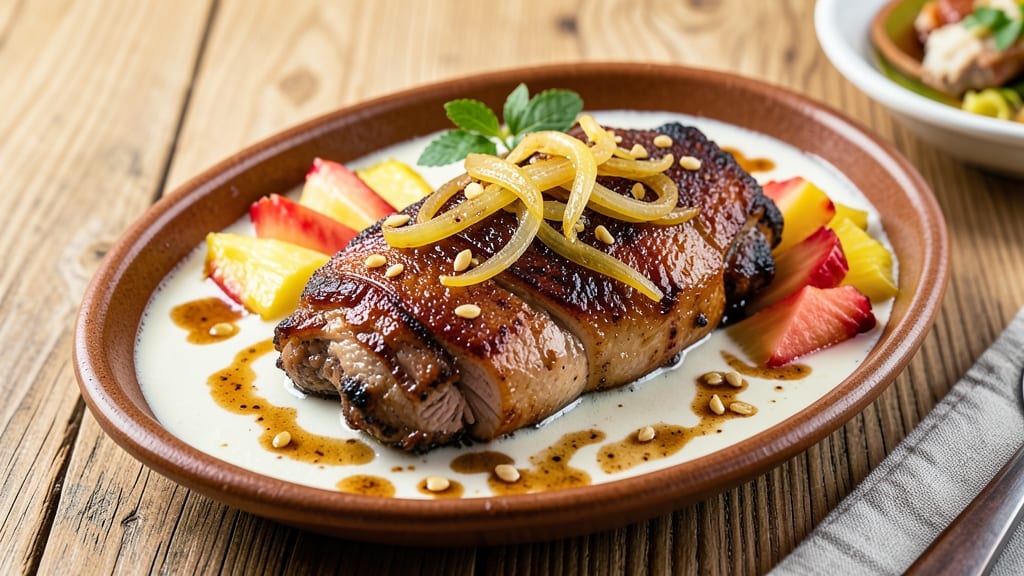
This Pork Pata Humba with Pineapple Recipe in Pinoy Style brings the bold, caramelized flavors of Filipino comfort food to your kitchen. 🌟 The secret lies in slow-braising pork shoulder until it's fork-tender, then finishing it in a sweet-savory sauce with pineapple that creates a perfect balance of crispy edges and tender meat.
I first tried this dish during a Filipino food festival in Portland, and it became an instant family favorite—especially Lily, who now requests it every Sunday.
The magic happens in the marinade, where soy sauce, calamansi (or lemon), and garlic infuse the pork with deep umami flavors before it's braised in coconut milk for richness.
The pineapple isn't just an afterthought—it's the star, adding natural sweetness that caramelizes beautifully as the dish reduces into a glossy, sticky glaze. This one-pan method keeps cleanup simple while delivering restaurant-quality results.
What you'll end up with is a dish that's rich, slightly sweet, and packed with texture—crispy edges on the pork, tender meat that falls apart easily, and a sauce so flavorful it'll have everyone asking for seconds.
The aroma alone will fill your kitchen with warmth, making it perfect for family dinners or gatherings where you want to impress without spending hours in the kitchen.
Serve it with steamed jasmine rice to soak up every last bit of that caramelized sauce, or pair it with garlic fried rice for a heartier meal. The leftovers reheat beautifully, so you can make a big batch and enjoy it all week. Let's get cooking!
Ingredients for pork pata humba with pineapple recipe pinoy style
Pantry staples plus a few specialty items for that Filipino restaurant taste at home.
| Ingredient | Amount | Notes |
|---|---|---|
| Pork Shoulder 🍖 | 3 lb | Bone-in preferred for flavor |
| Yellow Onion 🧅 | 1 whole | Sliced into wedges |
| Garlic Cloves 🧄 | 8 cloves | Minced for marinade |
| Fresh Pineapple 🍍 | 1 whole | Cored, cut into chunks |
| Coconut Milk 🥥 | 2 cans | Full-fat for richness |
| Soy Sauce 🍶 | ½ cup | Filipino-style preferred |
| Calamansi Juice 🍋 | ¼ cup | Substitute lemon if unavailable |
| Brown Sugar 🍯 | ¼ cup | Packed firmly |
| Olive Oil 🫒 | 2 tbsp | For searing pork |
| Black Peppercorns 🌶️ | 1 tsp | Freshly ground |
| Bay Leaves 🌿 | 2 whole | For depth of flavor |
| Jasmine Rice 🍚 | 3 cups | For serving |
| Salt 🧂 | 1 ½ tsp | Kosher or sea salt |
| Ground Black Pepper 🌶️ | ½ tsp | For finishing |
The pork shoulder is the star—look for a well-marbled cut with good fat distribution. Filipino markets or Asian grocery stores often have the best selection, but the regular supermarket works too. If you can't find calamansi, lemon juice works perfectly—just add a pinch of salt to mimic its tang. Pineapple should be ripe but firm; canned pineapple in juice is a great shortcut if fresh isn't available. For the soy sauce, Filipino brands like Silver Swan or Toyo have that authentic depth, but any good-quality soy sauce will do.
No calamansi? Lemon juice plus a pinch of salt is the perfect substitute. Running low on coconut milk? Heavy cream plus a splash of coconut extract gets you close, though it won't be as rich. Brown sugar substitutes? White sugar works, but brown sugar's molasses notes are key. The garlic can be pre-minced from a jar, but freshly minced makes all the difference. For the pineapple, canned chunks in juice save time—just drain and pat dry before adding to the pan. The bay leaves? Don't skip them—they add that subtle earthy note that makes this dish sing.
This dish tastes even better the next day as the flavors meld. Store leftovers in the fridge for up to 4 days, or freeze for 3 months in airtight containers. The sauce thickens as it cools, so a splash of water or coconut milk brings it back to perfection when reheating. I always make a double batch—one for dinner, one for leftovers that become next-day lunches. The rice? Cook it ahead and keep it warm in a rice cooker—it soaks up the sauce beautifully.
Why You'll Love This Recipe
- One-Pot Magic: I swear by this—just brown the pork, toss in onions, garlic, and pineapple chunks, then let the coconut milk work its magic. No extra pots, no fuss, and the aroma alone makes my kitchen feel like a Filipino restaurant.
- Sweet-Savory Balance: That caramelized pineapple with tender pork? It’s like a hug in your mouth. The garlic and onions build layers of flavor, while the coconut milk keeps it rich but never heavy—trust me, it’s the kind of dish that disappears fast.
- Leftover Goldmine: I make this on Sundays because it’s perfect for leftovers. Reheat it for lunch the next day, or even better, turn it into crispy pork sinigang the day after. My freezer’s always got a backup batch ready.
- Budget-Friendly Feast: Pork shoulder stretches, coconut milk adds depth, and pineapple brings freshness—all without breaking the bank. Honestly, it’s one of those recipes where every bite feels like a splurge, but the grocery bill doesn’t scream.
Step-by-step instructions for pork pata humba with pineapple
Here's how to create this Filipino classic with perfectly caramelized pork and sweet-tangy pineapple.
🔥 Step 1: Sear the Pork Shoulder for Maximum Flavor
Heat a large Dutch oven over medium-high heat and add the 2 tbsp olive oil. Place the 3 lb pork shoulder fat-side down and sear for 8-10 minutes until the fat renders and the skin turns deep golden brown. Flip and sear the other side for another 5-7 minutes.
I press down gently on the pork during the first minute to prevent curling and ensure even contact with the pan. This creates a flavorful crust that locks in juices during the long cook. Once browned, remove the pork and set it aside on a plate.
🍳 Step 2: Build the Sweet-Savory Base
In the same Dutch oven, add the sliced 1 whole yellow onion and cook for 5 minutes until softened and slightly caramelized. Add the 8 cloves minced garlic cloves and cook for 30 seconds until fragrant.
Pour in the 0.5 cup soy sauce, 0.25 cup calamansi juice, and 0.25 cup packed brown sugar. Stir well and let it simmer for 3-4 minutes until slightly thickened. The mixture should smell rich and complex—this is your flavor foundation.
🥘 Step 3: Simmer the Pork in Coconut Milk
Return the seared pork shoulder to the Dutch oven. Add the 2 cans coconut milk, 1 tsp black peppercorns, and 2 whole bay leaves. Stir to combine, then add 1.5 tsp salt and bring to a gentle simmer.
Cover and cook on low heat for 2 hours, turning the pork occasionally. The pork is done when it's fork-tender and the sauce has reduced to a glossy consistency. Here's the thing—don't rush this step. The slow cook is what makes the meat melt-in-your-mouth tender.
🍳 Step 4: Caramelize the Pineapple and Finish
Add the 1 whole fresh pineapple cut into chunks to the Dutch oven. Increase heat to medium-high and cook uncovered for 10-12 minutes, stirring occasionally, until the pineapple is tender and the sauce has thickened slightly.
Taste and adjust seasoning with more salt if needed. The pineapple should be caramelized with a slight char on the edges—this adds beautiful depth of flavor. Remove the bay leaves before serving as they can be bitter.
🍽️ Step 5: Serve with Jasmine Rice
Cook the 3 cups jasmine rice according to package instructions for perfect side dish. To serve, spoon the pork and pineapple mixture over the rice, drizzling any remaining sauce on top. Finish with a sprinkle of 0.5 tsp ground black pepper for a peppery kick.
Each bite should deliver tender pork, sweet pineapple, and rich coconut sauce in perfect harmony. The caramelized edges on both the pork and pineapple make this dish truly special—don't skip that final step of cooking the pineapple until it's beautifully browned!
Pro Tips For Making Pork Pata Humba With Pineapple Recipe Pinoy Style
- SEAR THE PORK FIRST: Don’t skip browning the pork shoulder—this isn’t just for flavor, it’s for that caramelized crust that holds up through slow cooking. Slice the meat into 1-inch chunks, pat them dry, and sear in batches over medium-high heat until golden. I learned this the hard way—skipping the sear leaves you with mushy, uninteresting meat, no matter how long you simmer.
- USE FROZEN PINEAPPLE CORES: Save money and time by using the cores from fresh pineapple—just peel, chop, and freeze them. When you’re ready to cook, toss them in whole (no need to thaw) with the onions and garlic. They’ll soften and release sweetness just like fresh, and you won’t waste a single bit. (Yes, even if you’re impatient like me.)
- SIMMER LOW AND LONG: This isn’t a rush job—cover the pot and simmer on low heat for at least 1.5 hours, stirring occasionally. The coconut milk will break if you boil it too hard, and the pork will turn out tough. After 45 minutes, check the liquid level and add a splash of water if it’s reduced too much. Pata humba isn’t about speed; it’s about deep flavor.
- TOAST THE GARLIC: Before adding the garlic to the onions, crush the cloves and fry them in the same pan for 30 seconds until fragrant. This makes a real difference—raw garlic can taste bitter and overpower the dish. Do it while the onions are cooking, and you’ll get that nutty, sweet aroma that defines Pinoy cooking. (Your future self will thank you.)
Pro cooking tips for this dish
Pork Prep Secrets
Start with a bone-in pork shoulder—the bone adds incredible depth of flavor as it simmers. Pat it dry with paper towels before searing to ensure a crispy, golden crust.
I like to score the fat cap in a crosshatch pattern with a sharp knife before searing—this helps render the fat more evenly and creates beautiful crispy edges. 🍖
Never skip the low-and-slow braise—this is where the magic happens. The pork needs 2 hours minimum on low heat to become fork-tender. I use a meat thermometer to check doneness at 195°F internal temperature, which guarantees melt-in-your-mouth texture.
If you're short on time, try a pressure cooker on high for 45 minutes instead.
Pineapple Timing
Add pineapple only in the final 10-12 minutes of cooking—this ensures it stays juicy and caramelizes beautifully without turning mushy. For extra sweetness, I brush the chunks with a little honey before adding them to the pan.
The natural sugars in pineapple caramelize quickly, creating that perfect balance of sweet and tangy flavors that define this dish. 🍍
If using canned pineapple, drain it well and pat it dry with a paper towel first. The excess moisture can dilute your sauce, soaking up all those precious flavors. For a smoky twist, add ½ tsp smoked paprika when you introduce the pineapple—it pairs beautifully with the tropical sweetness.
Sauce Perfection
The sauce should coat the back of a spoon when you lift it from the pan—this is your target consistency. If it's too thin, simmer uncovered for another 5-7 minutes to reduce it. For extra richness, stir in 1 tbsp butter at the end, which adds a luxurious finish.
I always taste the sauce before serving and adjust with Filipino-style soy sauce or a pinch of salt as needed. 🥥
For a glossy finish, add 1 tsp cornstarch mixed with 1 tbsp water to the sauce in the final minute of cooking. Stir vigorously until the sauce thickens slightly—this gives it that restaurant-quality sheen.
The pineapple's natural acids help balance the sweetness, creating a harmonious flavor profile that's both comforting and exciting.
Equipment Essentials
A Dutch oven is my go-to for this recipe—it's deep enough to handle the braising liquid and has a tight-fitting lid to trap steam. If you don't have one, a heavy-bottomed pot with a lid works just as well.
I avoid non-stick pans for this dish because the high heat and long cooking time can damage the coating, leading to off-flavors. 🔥
Invest in a good-quality meat thermometer—it takes the guesswork out of determining doneness. I use an instant-read thermometer like the ThermoWorks Smoke because it gives me precise readings in seconds.
For pineapple caramelization, a tongue depressor helps flip the chunks gently without breaking them apart, preserving their shape for a more elegant presentation.
Nutrition facts
Frequently asked questions
Can I substitute regular pork shoulder for bone-in pork?
Yes, but the flavor won't be quite the same. Bone-in pork adds depth as it simmers, but boneless pork shoulder works in a pinch. Just reduce the cooking time slightly to 1 hour 45 minutes since it cooks faster without the bone. For extra richness, add 1 extra tbsp olive oil when searing to compensate for the missing fat.
What if I don't have calamansi juice?
No problem! Use lemon juice plus ¼ tsp salt to mimic calamansi's tangy brightness. For 1 cup, mix ¾ cup lemon juice with ¼ tsp salt. The salt balances the acidity, giving you that authentic Filipino flavor. If you're feeling adventurous, add ½ tsp grated calamansi zest (or lemon zest) for extra zing.
Can I make this dish in an Instant Pot?
Sear the pork first in a skillet, then transfer it to your Instant Pot with all ingredients except pineapple. Cook on high pressure for 45 minutes, then quick-release. Add pineapple during the last 10 minutes of natural release. The pressure cooker cuts time dramatically while keeping the pork tender and sauce rich. Just stir in 1 tbsp cornstarch at the end to thicken the sauce since it won't reduce as much.
Why does my sauce turn out too thin?
This usually happens when the pineapple releases too much moisture. To fix it, simmer uncovered for 5-7 extra minutes to reduce the sauce. For prevention, pat pineapple chunks completely dry before adding. If using canned pineapple, drain it well and press between paper towels. For a quick fix, mix 1 tsp cornstarch with 1 tbsp water and stir into the sauce at the end.
What's the best way to reheat leftovers?
Reheat in a skillet over medium-low heat with 2 tbsp water or coconut milk to prevent drying. Cover and cook for 5-7 minutes, stirring occasionally. For microwave reheating, cover with a damp paper towel and heat for 1-2 minutes at 50% power. Add a splash of water or coconut milk if the sauce seems too thick. Leftovers taste even better the next day as flavors meld!