
Main Courses
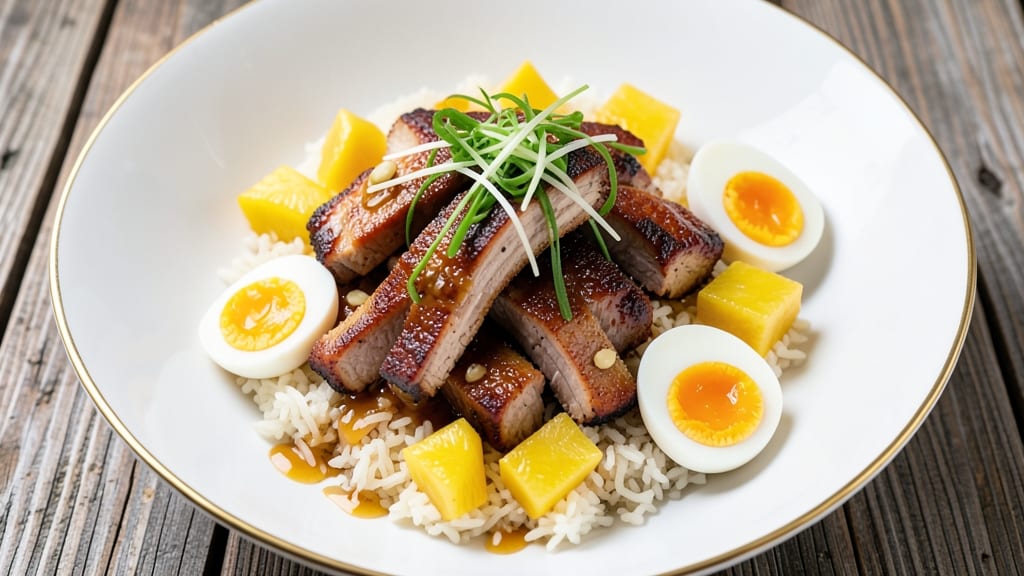
This pork pineapple fried rice recipe transforms simple ingredients into a vibrant, sweet-savory masterpiece that tastes like a restaurant favorite. The secret lies in perfectly seared pork strips paired with tender pineapple chunks, all tossed with fragrant jasmine rice in a savory-sweet sauce.
I developed this recipe after craving a dish that balanced bold flavors without complicated techniques—just one pan, 30 minutes, and a crowd-pleasing result.
The magic happens in the stir-fry step, where the pork develops a caramelized crust while the pineapple softens just enough to release its natural juices. A touch of soy sauce, brown sugar, and garlic builds the sauce, creating a perfect harmony of umami and sweetness.
This isn't just fried rice—it's a complete meal with protein, veggies, and rice all working together in every bite.
By the time you serve it, you'll have a dish that's golden, fragrant, and packed with contrasting textures—crispy pork, juicy pineapple, and tender rice. The aroma alone will have everyone gathering at the table, and the first bite delivers that perfect balance of sweet, savory, and slightly tangy flavors.
Garnish with sesame seeds and green onions for extra color and crunch.
Whether you're feeding a family or meal prepping for the week, this recipe delivers restaurant-quality results with minimal effort. The best part? It's versatile enough to adapt with whatever veggies you have on hand—bell peppers, carrots, or peas all work beautifully. Let's get cooking!
Ingredients for pork pineapple and rice
Sweet, savory, and packed with restaurant-quality flavors—just 14 ingredients for this one-pan masterpiece.
| Ingredient | Amount | Notes |
|---|---|---|
| Pork Shoulder 🥩 | 1 lb | Cut into thin strips |
| Fresh Pineapple 🍍 | 1 cup | Diced, fresh or canned |
| Jasmine Rice 🍚 | 2 cups | Day-old, cooked and cooled |
| Large Eggs 🥚 | 2 whole | Beaten for stir-fry |
| Green Onions 🧅 | ¼ cup | Sliced, white and green parts |
| Garlic Cloves 🧄 | 4 cloves | Minced for flavor |
| Soy Sauce 🍶 | 0.3 cup | Light or regular |
| Brown Sugar 🍯 | 2 tbsp | For sweet-savory balance |
| Sesame Oil 🫒 | 1 tbsp | Toasted for aroma |
| Vegetable Oil 🫒 | 2 tbsp | For high-heat searing |
| Sesame Seeds 🌾 | 1 tbsp | Toasted for garnish |
| Salt 🧂 | ½ tsp | Adjust to taste |
| Black Pepper 🌶️ | ¼ tsp | Freshly ground |
| White Pepper 🌶️ | ¼ tsp | For subtle heat |
The pork shoulder is your secret weapon—it stays juicy while developing that perfect caramelized crust. Grab bone-in if you can (it adds flavor), but boneless works too. Trader Joe's has pre-cut strips for convenience, but slicing your own gives you control. Look for bright pink, not grayish meat—freshness matters here. The pineapple? Fresh is ideal, but canned works in a pinch (drained well). I always grab a small whole pineapple and dice it myself—it's sweeter and more vibrant than pre-cut chunks.
No sesame oil? Toasted peanut oil works in a pinch, though it lacks that nutty aroma. Swap brown sugar for maple syrup or coconut sugar if you prefer. The eggs? Room temperature beats cold eggs every time—they scramble faster and look better. Jasmine rice is non-negotiable here—it's fragrant and holds up to stir-frying better than basmati. Day-old rice is key—it's drier and won't turn mushy. No day-old rice? Cook extra, spread on a tray, and refrigerate overnight.
This keeps for 3 days in the fridge—reheats beautifully with a splash of water. Freeze portions for up to 3 months—just thaw overnight in the fridge. I double the batch and portion into containers for easy lunches. Garnish with extra green onions and sesame seeds right before serving—they add freshness and crunch. The pork gets even more flavorful the next day, so leftovers are a must-make.
Why You'll Love This Recipe
- One-Pan Magic: I swear by this recipe when I’m too tired to wash dishes. The pork and pineapple simmer together while the rice cooks—no extra pots, no fuss. Just slice, sear, and let it do its thing.
- Sweet-Savory Balance: Honestly, the way the caramelized pineapple cuts through the richness of the pork shoulder? It’s like a flavor hug. And those fried eggs on top? Pure satisfaction every time.
- Lunchbox Hero: Between us, this is my go-to for meal prep. The rice stays fluffy, the pork stays tender, and the pineapple keeps it exciting—no sad leftovers here. Pack it cold or reheat it, and you’re golden.
- Budget-Friendly Feast: Pork shoulder and pineapple stretch across multiple meals without breaking the bank. I’ll be real: my grocery bill thanks me, and my family doesn’t complain about the taste. Win-win.
Step-by-step instructions for pork pineapple fried rice
This one-pan recipe delivers perfect balance—crispy pork, juicy pineapple, and fragrant jasmine rice.
Prepare the Pork and Pineapple
Slice the 1 lb pork shoulder into thin strips about ¼-inch thick. Cut the 1 cup fresh pineapple into small, even cubes—about ½-inch pieces. Set both aside in separate bowls. This prep ensures even cooking and maximum flavor in every bite.
In a small bowl, whisk together 0.3 cup soy sauce, 2 tbsp brown sugar, 0.5 tsp salt, 0.25 tsp black pepper, and 0.25 tsp white pepper. Pour half of this marinade over the pork strips and toss gently to coat. Let it sit for 10 minutes while you prep the rest—this jumpstarts the flavor infusion.
Cook the Pork Until Crispy
Heat a large skillet or wok over medium-high heat until hot. Add 2 tbsp vegetable oil and swirl to coat the pan. Add the pork strips in a single layer and let them sear undisturbed for 2-3 minutes until golden brown on one side. Flip and cook another 2 minutes until fully cooked through.
Remove the pork from the pan and set aside. The pork should be tender yet slightly crispy—this contrast is key to the dish's texture. If the pan isn't completely empty, leave the rendered fat behind—it's packed with flavor that will help build the sauce.
Scramble the Eggs
In the same skillet (no need to clean it), reduce heat to medium. Add the 2 whole large eggs and scramble gently with a spatula, stirring constantly for 30-45 seconds until just set but still slightly moist. Remove the eggs and set aside with the pork.
Here's the thing—overcooked eggs turn rubbery. You want them soft and creamy so they blend seamlessly with the fried rice. If they look dry, add a splash of water or a bit of the pork marinade to loosen them up.
Stir-Fry the Aromatics and Rice
Increase heat to high and add 1 tbsp vegetable oil if needed. Add the 4 minced garlic cloves and 0.25 cup sliced green onions (white parts only), stirring for 30 seconds until fragrant. Add the 2 cups day-old jasmine rice and stir-fry for 2 minutes to heat through.
The day-old rice is crucial—it's drier and absorbs flavors better than fresh rice. If your rice is too moist, spread it on a tray and let it sit uncovered for 10 minutes before cooking. You want it to sizzle slightly when it hits the pan.
Combine Everything for Perfect Balance
Return the pork and eggs to the skillet. Add the reserved pork marinade, the 1 cup diced pineapple, and the remaining 0.15 cup soy sauce. Stir everything together for 2-3 minutes until the pineapple softens slightly and the flavors meld.
Taste and adjust seasoning—you might want to add a splash more soy sauce or a pinch of sugar if the sweetness needs balancing. The dish should be sweet, savory, and slightly spicy all at once. Finish with 1 tbsp toasted sesame oil and 1 tbsp sesame seeds, tossing gently to coat.
Garnish and Serve Immediately
Transfer the fried rice to serving plates, garnishing each portion with the remaining 0.1 cup sliced green onions (green parts only) for color and freshness. Serve immediately while hot—this dish is best enjoyed right out of the pan when everything is at its peak texture.
This one-pan wonder comes together faster than you'd think, but every step matters. The crispy pork, tender eggs, and slightly sticky rice create the perfect harmony of textures and flavors. Don't skip the resting time for the rice—it makes all the difference!
Pro Tips For Making Pork Pineapple And Rice
- CUT PINEAPPLE SMALLER: Fresh pineapple turns mushy when cooked—chop it into ½-inch cubes instead of big chunks. I learned this the hard way when my first batch turned into a watery glaze instead of sweet, tender pieces. Smaller pieces cook faster and stay firmer.
- SALT THE PORK TWICE: Season the pork shoulder before cooking, then add another pinch of salt midway through. The first layer seasons the meat, while the second boosts flavor after the initial sear. I used to skip this, and the pork always tasted bland compared to restaurant versions.
- DON’T OVERCOOK THE EGGS: Fry the eggs low and slow—just until the whites set and yolks are still runny. Overcooked eggs turn rubbery and ruin the dish’s balance of textures. My first attempt had eggs that looked like hockey pucks, and I’ve never gone back to high heat since.
- USE COLD RICE FOR GRAVY: Mix the cooked pork and pineapple into cold jasmine rice instead of hot. The cold rice absorbs the juices better, giving you a creamier, less soggy final dish. I was skeptical—doesn’t cold rice taste weird?—but it actually makes the rice fluffier and the sauce stickier.
Common mistakes when making your pork pineapple and rice
Overcooking the Pork
One of the biggest mistakes is letting the pork strips overcook while you're busy with other steps. Thin strips of pork shoulder should cook in 4-5 minutes total—any longer and they'll turn dry and chewy.
I've learned to keep them moving in the pan and remove them as soon as they reach 145°F internal temperature. A meat thermometer makes this easy, but even without one, look for golden-brown edges and slightly translucent centers. 🔥
Skipping the Marinade Rest
The marinade needs time to work its magic. Pouring it over the pork and immediately cooking it means you're missing out on flavor infusion. Let those strips sit for at least 10 minutes—I often marinate them for 15 minutes if I have time.
This jumpstarts the flavor development and helps create that perfect caramelized crust. Trust me, the difference is noticeable!
Using Fresh Rice
Freshly cooked rice is too moist and will turn mushy when stir-fried. The key is using day-old rice that's been chilled and dried out. If you're in a pinch, spread freshly cooked rice on a tray and let it sit for 10-15 minutes before cooking.
I've ruined several batches by using fresh rice—it just doesn't have the same texture. The dried rice absorbs the sauce beautifully and gives that perfect "sticky" texture we all love.
Overcrowding the Pan
Don't try to cook everything at once! Overcrowding the pan steams the pork instead of searing it, leading to soggy results. Cook the pork in batches if needed, and give each component its own space to develop that beautiful crust.
I use a 12-inch cast iron skillet for this recipe, and it comfortably handles everything without overcrowding. If your pan is smaller, work in two batches for the pork.
Ignoring the Egg Texture
Eggs are the glue that holds this dish together, but they're often overcooked or undercooked. You want them soft and slightly moist—just set but still creamy. Cooking them too long makes them rubbery, while undercooking leaves them runny.
I aim for 30-45 seconds on medium heat, stirring constantly. If they look dry, add a splash of water or a bit of the pork marinade to loosen them up.
Neglecting the Pineapple Prep
Pineapple should be cut into ½-inch cubes for even cooking. Larger chunks stay crunchy while smaller pieces turn mushy. Fresh pineapple is ideal, but if using canned, drain it well and pat dry. I've seen people skip draining the canned pineapple, and it makes the rice soggy.
Also, don't add the pineapple too early—it releases water that can make your rice mushy. Add it in the final 2 minutes of cooking so it softens without turning to mush. 🍍
Nutrition facts
Frequently asked questions
Can I substitute pork shoulder with another cut?
For this recipe, you can use pork tenderloin (trimmed into strips) or even chicken thighs for a lighter option. If using chicken, reduce cooking time to 3-4 minutes total to avoid drying out. The key is thin, even strips that cook quickly and develop a good crust. Never use ground pork—it won't give you that satisfying texture contrast.
What if I don't have jasmine rice?
Jasmine rice is ideal for its fragrant aroma, but you can use long-grain white rice or brown rice in a pinch. For brown rice, expect a slightly chewier texture and increase cooking time by 2-3 minutes since it stays moister longer. The flavor won't be identical, but it'll still taste delicious. Just make sure your rice is day-old and properly dried before stir-frying.
How do I make this recipe spicier?
Add ½ teaspoon of chili flakes or 1 teaspoon of sriracha to the pork marinade for instant heat. For deeper spice, stir in 1 teaspoon of gochujang (Korean chili paste) with the soy sauce. If you like it fiery, finish with a sprinkle of red pepper flakes before serving. Balance the heat with a pinch more brown sugar if needed—sweetness helps tame the spice.
Can I make this dish ahead of time?
Yes! This recipe reheats beautifully. Cook the fried rice completely, then let it cool to room temperature. Store in an airtight container in the fridge for up to 3 days. Reheat in a skillet over medium heat with a splash of water or soy sauce to restore moisture. For freezing, portion into single servings and freeze for up to 3 months. Thaw overnight in the fridge before reheating.
What's the best way to cut pineapple for this recipe?
Cut the pineapple into ½-inch cubes for even cooking—smaller than dice but larger than a crumb. Remove the core first, then slice into rings before cutting into cubes. For fresh pineapple, look for bright yellow flesh with no brown spots. If using canned pineapple, drain it well and pat dry with a paper towel to prevent soggy rice. Pro tip: Toss the pineapple cubes with ½ teaspoon of cornstarch before adding to the pan to help them soften faster.