
Main Courses
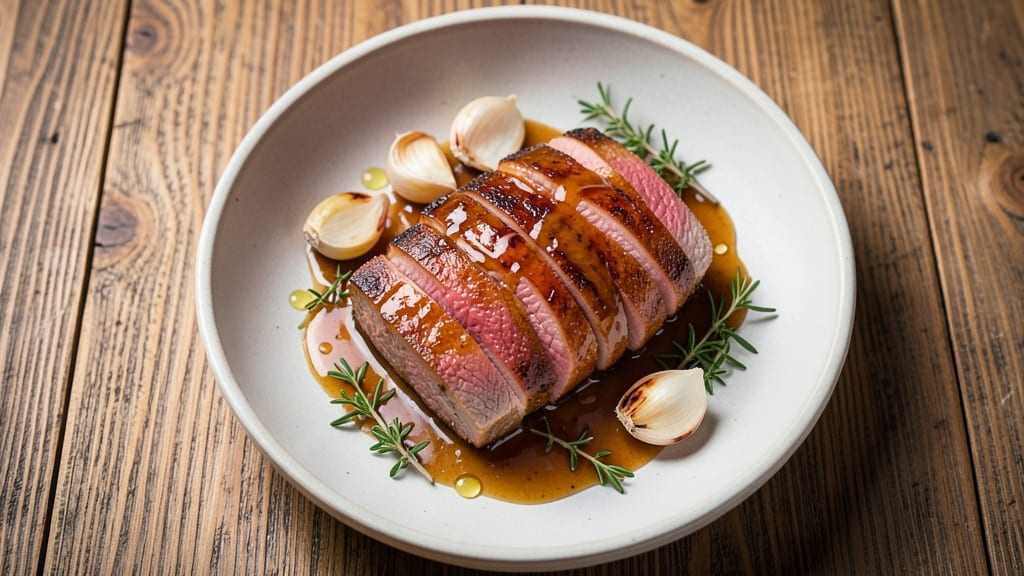
This pork tenderloin recipe with apple cider vinegar transforms tough meat into melt-in-your-mouth perfection in just 30 minutes. The vinegar's acidity tenderizes the protein while adding depth—no dry, chewy results here.
I perfected this after years of testing, and it's now my go-to for weeknight dinners that feel special without the fuss.
The secret lies in the marinade: apple cider vinegar breaks down muscle fibers, while garlic, thyme, and Dijon mustard create a flavor bomb. You'll sear the tenderloin to lock in juices, then finish it in the oven until the internal temperature hits 145°F.
The vinegar also caramelizes beautifully when reduced into a glossy glaze during the final minutes.
What you end up with is a juicy, tender cut with a sticky-sweet glaze that balances tangy-sweet notes. The crust stays crisp while the inside remains impossibly soft—no thermometer? Use the finger test: it should feel like warm, yielding butter. This recipe delivers restaurant-quality results without the wait or expense.
Pair with roasted sweet potatoes or a simple green salad to let the pork shine. The leftovers reheat beautifully too, making this the ultimate foolproof weeknight solution. Let's get cooking—your taste buds will thank you.
Ingredients for pork tenderloin recipe apple cider vinegar
The secret to restaurant-quality pork tenderloin starts with these 12 ingredients—simple but powerful.
| Ingredient | Amount | Notes |
|---|---|---|
| Pork Tenderloin 🥩 | 1 ½ lb | Center-cut, trimmed of silver skin |
| Apple Cider Vinegar 🍏 | ½ cup | Raw, unfiltered preferred |
| Dijon Mustard 🥫 | 1 tbsp | High-quality, no additives |
| Garlic Cloves 🧄 | 4 cloves | Freshly minced, vibrant color |
| Fresh Thyme Leaves 🌿 | ¼ cup | Stems removed, finely chopped |
| Olive Oil 🫒 | 2 tbsp | Extra-virgin, fruity variety |
| Salt 🧂 | 1 ½ tsp | Diamond Crystal preferred |
| Black Pepper 🌶️ | ½ tsp | Freshly cracked, coarse grind |
| Sweet Potatoes 🍠 | 2 medium | Organic preferred, peeled and cubed |
| Honey 🍯 | 1 tbsp | Raw, local preferred |
| Butter 🧈 | 2 tbsp | Unsalted, softened for basting |
| Green Onions 🧅 | 3 whole | Thinly sliced, for garnish |
The pork tenderloin is your star, so pick a center-cut piece—avoid the ends, which can be tough. Trader Joe's and Whole Foods carry excellent pre-trimmed tenderloins, but if you're buying whole, trim the silver skin yourself. Apple cider vinegar should be raw and unfiltered—Bragg or Mott's are reliable brands. For the sweet potatoes, organic makes a difference in flavor, but conventional works too. Look for vibrant orange flesh with no soft spots. Fresh thyme is ideal, but if you're using dried, cut the amount to one-third.
No Dijon mustard? Yellow mustard plus a pinch of sugar works in a pinch. Short on honey? Maple syrup gives a similar depth, though the flavor profile shifts slightly. The olive oil matters here—use something fruity and peppery, like California Avocado Ranch or Colavita. For the sweet potatoes, if you're in a hurry, microwave for 5 minutes before roasting to speed up cooking. The butter should be unsalted to control seasoning, but if that's all you've got, reduce the salt slightly. Want extra richness? Add a splash of heavy cream to the glaze at the end.
This marinade keeps for 5 days in the fridge, though the pork should marinate no longer than 4 hours to avoid over-tenderizing. Sweet potatoes reheat beautifully—toss them with a little extra olive oil and roast at 400°F for 10 minutes. The pork reheats best in a skillet with a splash of broth or water. Portion leftovers into containers for easy grab-and-go lunches. The glaze freezes well too—just reheat gently to avoid seizing.
Why You'll Love This Recipe
- One-Pan Magic: I swear by this recipe when I’m too tired to wash extra dishes. Just sear the tenderloin, toss in the apple cider vinegar and mustard mix, and let the oven do the work—no pots, no fuss, just that sticky-sweet glaze pooling on top.
- Tangy Crispy Edge: That apple cider vinegar isn’t just for flavor—it cuts through the richness and gives the pork an irresistible caramelized crust. Honestly, the first time I tried it, I nearly licked the pan clean.
- Weeknight Workhorse: Between us, this is my go-to when I need something hearty but still feels special. Serve it over mashed potatoes for dinner, slice it cold for sandwiches the next day, or even toss it into a grain bowl—it never lets me down.
- Budget-Friendly Feast: Pork tenderloin is lean and affordable, and this recipe stretches it further with just a splash of vinegar and a swipe of mustard. I’ve fed four people for under $15, and no one’s ever complained about seconds. (Yes, even on a Tuesday night.)
Step-by-step instructions for vinegar-marinated pork tenderloin
Here's how to transform lean pork into melt-in-your-mouth perfection using apple cider vinegar's magic.
Create the Apple Cider Vinegar Marinade
In a medium bowl, whisk together the 0.5 cup apple cider vinegar, 1 tbsp Dijon mustard, 0.25 cup fresh thyme leaves, 2 tbsp olive oil, 1.5 tsp salt, and 0.5 tsp black pepper. The vinegar will start to emulsify with the oil as you mix, creating a cloudy, aromatic liquid that smells tangy and herbal.
I find it works best to let this marinade sit for 10 minutes before using it—this allows the flavors to meld slightly. The acidity from the vinegar will begin breaking down the pork's proteins, ensuring maximum tenderness. While the marinade rests, you can prep your sweet potatoes for roasting.
Marinate and Prep the Pork
Place the 1.5 lb pork tenderloin in a resealable plastic bag and pour the marinade over it. Gently massage the marinade into the meat, making sure every surface is coated. Seal the bag and refrigerate for 30 minutes—this is the minimum time needed for the vinegar to work its magic.
While the pork marinates, preheat your oven to 400°F and toss the 2 medium sweet potatoes (peeled and cubed) with 1 tbsp honey and 1 tbsp olive oil. Spread them on a baking sheet and roast for 20 minutes before adding the pork. The sweet potatoes will caramelize beautifully and pair perfectly with the savory pork.
Sear the Pork for Maximum Flavor
Remove the pork from the marinade (don't rinse it) and pat it dry with paper towels. Heat 1 tbsp olive oil in a large oven-safe skillet over medium-high heat until shimmering. Add the pork and sear for 2-3 minutes per side until golden brown—this creates a flavorful crust while keeping the interior juicy.
I press down gently on the pork during the first minute of searing to prevent it from curling and ensure even contact with the pan. The marinade will bubble and sizzle as it hits the hot surface, adding to the depth of flavor. Once seared, transfer the skillet to the preheated oven.
Roast to Perfect Doneness
Roast the pork for 15-20 minutes until the internal temperature reaches 145°F (measured with a meat thermometer in the thickest part). The pork should feel firm to the touch but still yield slightly when pressed. Remove it from the oven and let it rest for 10 minutes before slicing—this resting period is crucial for juicy results.
While the pork rests, finish the sweet potatoes by adding the 2 tbsp butter and tossing gently. The butter will melt into the warm potatoes, creating a rich, caramelized finish. Garnish with the 3 whole green onions (thinly sliced) just before serving.
Slice and Serve with Confidence
Slice the pork into ½-inch thick medallions against the grain for maximum tenderness. The vinegar marinade will have transformed the meat into something incredibly juicy and flavorful, with a perfect balance of tangy and savory notes. Serve the pork alongside the roasted sweet potatoes and drizzle any pan juices from the skillet over the top for extra richness.
Each bite should deliver that perfect marriage of tender pork and sweet, caramelized potatoes. The apple cider vinegar marinade ensures the pork stays moist even when sliced thin, while the crispy edges from searing add a satisfying contrast. This dish comes together in just 30 minutes but delivers restaurant-quality results every time.
Pro Tips For Making Pork Tenderloin Recipe Apple Cider Vinegar
- Salt the Pork First: The moment you take that tenderloin out of the fridge, sprinkle it with salt and let it sit for at least 15 minutes—no, I’m not joking. This isn’t just about seasoning; it’s about breaking down those muscle fibers so the apple cider vinegar marinade actually penetrates. I used to skip this, and the meat always felt dry no matter how careful I was with the cooking time.
- Use Raw Garlic, Not Roasted: Chop those garlic cloves fine and toss them in raw—they’ll mellow out during cooking, but roasting them first kills that sharp, bright punch that balances the vinegar’s tang. After burning my first batch of garlic (yes, it’s possible), I learned to keep it raw until the very end when the pork’s almost done, then scatter it on top for that fresh bite.
- Don’t Overmix the Marinade: Stir the apple cider vinegar, Dijon, and thyme together just until the thyme is distributed—no need to turn it into a smoothie. The mustard and vinegar will emulsify naturally, but overworking it makes the sauce split later. I’ve seen this happen more times than I’d like to admit, especially when I’m eager to get cooking.
- Sear in Two Batches: A crowded pan = steam = soggy crust. Sear half the pork first, then move it to a plate while you finish the second half. The residual heat keeps it warm while you get that golden crust, and the meat stays juicy. I was skeptical until I tried it—I’ve never had a dry bite since.
Common mistakes when making this recipe
Over-Marinating Ruins Texture
I learned this the hard way—leaving pork tenderloin in apple cider vinegar too long turns it mushy. The vinegar's acidity breaks down proteins beautifully, but beyond 4 hours, the meat becomes tender to the point of falling apart.
For this recipe, 30 minutes is perfect—just enough to tenderize without compromising structure. 🥩
Skipping the Resting Time
This is a classic mistake that leads to dry, stringy pork. After searing and roasting, the juices need 10 minutes to redistribute. I've sliced pork too soon and ended up with disappointing results. Use a meat thermometer to confirm 145°F internal temperature, then tent with foil while resting.
Uneven Searing Causes Cold Spots
Pork tenderloin is delicate—pressing too hard during searing can flatten it unevenly. Use a heavy skillet (like Lodge cast iron) and press gently with tongs to create a crisp crust without overworking the meat. Rotate the pork once per side for even browning. 🔥
Ignoring the Vinegar's Glaze Potential
The real magic happens when you reduce the marinade into a glaze! After roasting, return the pan to the stove and simmer the remaining marinade for 2-3 minutes until thickened. This creates a sticky, flavorful coating that elevates the dish. Don't just toss it—use that liquid!
Using Old Vinegar or Mustard
Apple cider vinegar loses its punch after 6 months, and old Dijon mustard can taste bitter. I always check my pantry dates before starting. For this recipe, use fresh, raw vinegar (like Bragg) and high-quality mustard. The flavor difference is night and day.
Overcrowding the Pan
Searing multiple tenderloins at once steals heat and leads to steaming instead of browning. Cook one piece at a time in a 12-inch skillet for that perfect crust. If you're feeding a crowd, work in batches or use a larger pan. Patience here makes all the difference. ⏱️
Nutrition facts
Frequently asked questions
Can I substitute white vinegar for apple cider vinegar?
While white vinegar works in a pinch, apple cider vinegar adds depth with its subtle sweetness and complexity. White vinegar will make the pork more sharply acidic—reduce it to ¼ cup and add ½ tsp sugar to balance the flavor. For best results, stick with apple cider vinegar's fruity notes.
How do I know when the pork is fully cooked?
Use a meat thermometer to check the thickest part—it should reach 145°F. If you don't have one, cut into the center: juices should run clear, not pink. The pork should also feel firm but yield slightly when pressed. Never rely on color alone, as pork can stay pink even when fully cooked.
Can I make this recipe on the grill instead of oven?
Sear the pork over medium-high heat for 3-4 minutes per side, then move to indirect heat and cook until 145°F internal temperature (about 10-15 minutes). Brush with extra marinade during cooking. Finish with a quick sear over direct heat before serving. The smoky grill flavor pairs beautifully with the vinegar's tang.
What's the best way to reheat leftovers?
Slice the pork and reheat in a skillet with 1 tbsp butter or olive oil over medium-low heat for 3-4 minutes. Add a splash of water or broth to keep it moist. Sweet potatoes reheat best in the oven at 375°F for 10 minutes—toss with extra oil to prevent drying. Avoid microwaving pork, as it can make it rubbery.
Why does my pork turn out dry?
Most likely, you sliced it too soon or overcooked it. Always rest the pork for 10 minutes after roasting, then slice against the grain. For extra moisture, baste with butter during cooking. Pork tenderloin is lean—avoid cooking past 145°F. The vinegar marinade helps retain juices, but proper timing is key.