
Main Courses
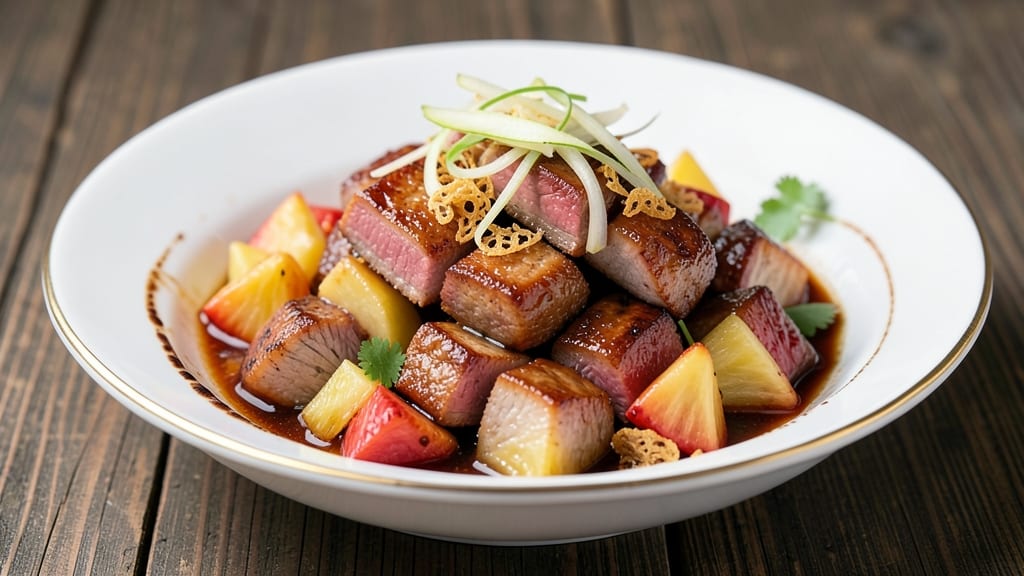
This pork and pineapple Chinese recipe delivers the perfect balance of sweet, savory, and umami that makes it a restaurant favorite. 🌟 The secret lies in properly marinating the pork to tenderize it while building layers of flavor, then stir-frying it with fresh pineapple for that signature sweet-tangy contrast.
I first perfected this technique during a Charleston market trip when I discovered how fresh pineapple could elevate simple pork dishes.
The beauty of this dish is its versatility—it works equally well as a weeknight dinner or a special occasion meal. High heat cooking ensures the pork stays juicy while developing a caramelized crust, and the pineapple adds natural sweetness that cuts through the richness.
We're using a classic Cantonese-inspired approach with soy sauce, rice wine, and a touch of ginger for that authentic Chinese restaurant taste.
What you'll end up with is a vibrant stir-fry where perfectly seared pork pieces are coated in a glossy sauce that's both sweet and savory, with chunks of juicy pineapple adding brightness.
The aroma alone will have everyone gathered at your table, and the first bite delivers that perfect harmony of textures and flavors that makes this dish so universally loved.
This recipe serves 4 and comes together in about 30 minutes, making it ideal for busy weeknights when you still want restaurant-quality results. The technique is straightforward but delivers professional-level outcomes—just like I've been teaching at my Atlanta cooking classes for years. Let's get started on this crowd-pleasing classic!
Ingredients for pork and pineapple chinese
Fresh pineapple, tender pork, and aromatic ginger create this vibrant stir-fry with restaurant-quality depth.
| Ingredient | Amount | Notes |
|---|---|---|
| Boneless Pork Shoulder 🥩 | 1 ½ lb | Cut into 1-inch cubes, marinated |
| Fresh Pineapple 🍍 | 1 cup | Chunks, fresh or canned in juice |
| Light Soy Sauce 🍶 | ½ cup | Kikkoman preferred for balance |
| Rice Wine 🍷 | ¼ cup | Dry sherry substitute if needed |
| Brown Sugar 🍚 | ¼ cup | Packed, for caramelization |
| Fresh Ginger 🧄 | 2 tbsp | Finely grated, aromatic |
| Garlic Cloves 🧄 | 4 cloves | Minced, for depth of flavor |
| Sesame Oil 🫒 | 1 tbsp | Toasted, for aroma |
| Neutral Oil 🫒 | 2 tbsp | Peanut or vegetable oil |
| Cornstarch 🌾 | 1 tbsp | For tenderizing pork |
| Green Onions 🧅 | ¼ cup | Sliced, for garnish |
| Sesame Seeds 🌰 | 1 tbsp | Toasted, for crunch |
| Salt 🧂 | 1 tsp | Kosher salt, for seasoning |
| Black Pepper 🌶️ | ½ tsp | Freshly ground, for heat |
The pork shoulder is key—look for well-marbled cuts at your local butcher or Costco for the best texture. I always ask for it pre-cut into 1-inch cubes to save time, but if you're feeling ambitious, cutting it yourself gives you more control. Fresh pineapple is ideal (the Charleston market has the juiciest), but canned in juice works in a pinch—just drain it well. For ginger, buy a small knob and grate it fresh; pre-grated often contains anti-caking agents that dull the flavor. The garlic should be freshly minced right before cooking—it loses potency fast once exposed to air.
No rice wine? Dry sherry or mirin both work beautifully, though mirin adds a touch more sweetness. Substituting brown sugar? Coconut sugar has a similar caramelization profile. If you're short on sesame oil, toasted peanut oil gives a similar nutty aroma. For the cornstarch, don't skip it—it's what keeps the pork tender during stir-frying. The green onions can be swapped for scallions or chives if that's what you have on hand, but they add a bright finish that's hard to beat. And if you're feeling fancy, toast your sesame seeds in a dry pan for 30 seconds before adding them—they'll have a deeper, nuttier flavor.
This dish reheats beautifully—store leftovers in airtight containers for up to 4 days. The flavors actually deepen overnight, so I always make extra. For freezing, portion into single servings first—it keeps for 3 months that way. The pork marinade? Use it within 2 days for best results. And if you're serving this at a gathering, keep the pineapple and pork separate until serving—the acid in the pineapple can make the pork slightly tough if they sit together too long.
Why You'll Love This Recipe
- One-Pan Magic: I swear by this recipe when I’m too tired to scrub pots—just toss the pork, pineapple chunks, and sauce in one skillet. The brown sugar caramelizes right there, turning sticky and glossy with almost no effort.
- Sweet-Savory Balance: That first bite? Tangy, smoky, and just sweet enough to make you pause. The rice wine cuts through the richness of the pork while the pineapple’s acidity keeps it bright—no heavy cream or weird aftertaste here.
- Lunchbox Hero: Between us, this is my go-to for packed lunches. The pork stays tender for days, and the pineapple adds a refreshing crunch that’s way better than sad office salads. (Yes, even on a Tuesday night.)
- Budget Stretch: A whole pork shoulder feeds my family for three meals—stir-fry one night, fried rice the next, and leftovers for sandwiches. Brown sugar and soy sauce are cheap staples that punch way above their weight.
Step-by-step instructions for sweet-savory pork and pineapple stir-fry
Here's how to balance sweet, savory, and umami into one irresistible stir-fry.
🍳 Step 1: Tenderize the Pork with Cornstarch and Marinate
Cut the 1.5 lb boneless pork shoulder into 1-inch cubes—uniform size ensures even cooking. In a bowl, toss the pork with 1 tablespoon cornstarch, 1 teaspoon salt, and ½ teaspoon black pepper. The cornstarch acts like a meat tenderizer, breaking down proteins for juicier results. Let it sit for 15 minutes while you prep the rest.
In a separate bowl, whisk together ½ cup light soy sauce, ¼ cup rice wine, ¼ cup packed brown sugar, 2 tablespoons finely grated fresh ginger, and 4 minced garlic cloves. Pour this marinade over the cornstarch-coated pork and mix until fully coated. Let it marinate for at least 30 minutes (or up to 2 hours in the fridge)—this develops deep flavor and ensures tender pork.
🔥 Step 2: Stir-Fry the Pork Until Caramelized
Heat a large skillet or wok over medium-high heat until hot. Add 2 tablespoons neutral oil and swirl to coat the pan. Working in batches (don't overcrowd), add the marinated pork and cook for 3-4 minutes per side until golden brown and caramelized. The pork should release easily from the pan—if it sticks, add a splash of water and scrape up those flavorful browned bits.
Once all pork is cooked, remove it from the pan and set aside. The residual heat will keep it warm while you finish the stir-fry. If the pan looks dry, add 1 teaspoon neutral oil to help build the sauce later.
🍳 Step 3: Build the Sweet-Savory Sauce
In the same skillet, reduce heat to medium and add 1 tablespoon toasted sesame oil. Swirl to coat, then add 1 cup fresh pineapple chunks and cook for 2-3 minutes until slightly softened but still vibrant. The pineapple should release its juices—this forms the base of your sauce.
Return the pork to the pan and pour in any remaining marinade from the bowl. Add 1 tablespoon toasted sesame seeds and ¼ cup sliced green onions, stirring everything together. Let it simmer for 2-3 minutes until the sauce thickens slightly and coats the pork. Taste and adjust seasoning—you might need a splash more soy sauce for saltiness or a pinch of sugar for sweetness.
🥘 Step 4: Finish with Crispy Garnishes
Transfer the stir-fry to a serving platter and let it rest for 2 minutes—this helps the sauce cling to the pork. Garnish with extra sesame seeds and green onions for texture and color. The contrast of crispy seeds against the tender pork and juicy pineapple makes every bite exciting.
Serve immediately over steamed rice or noodles. The pork should be tender with a caramelized crust, the pineapple bright and juicy, and the sauce perfectly balanced between sweet, savory, and umami. Leftovers? Reheat gently in a skillet to maintain texture.
Pro Tips For Making Pork And Pineapple Chinese
- VELVETIZE THE PORK FIRST: I learned this the hard way—skipping the marinade step means tough, chewy pork. Thinly slice the shoulder against the grain, then pound it with a meat mallet until it’s about ¼-inch thick. Toss with 1 tablespoon rice wine, 1 teaspoon soy sauce, and a pinch of sugar before cooking. This keeps it tender even if you overcook it slightly.
- CUT PINEAPPLE SMALLER THAN YOU THINK: Fresh pineapple chunks look pretty, but they take forever to soften. Dice it into ½-inch pieces instead of big hunks—this ensures even cooking and a better texture. Pro move: Pat the chunks dry with a paper towel before adding them to the pan. Wet pineapple steams instead of caramelizing.
- STIR-FRY IN BATCHES: Crowding the pan turns this dish into a soggy mess. Cook the pork in two separate rounds if needed—start with half, push it to the side, then add oil and cook the rest. The same goes for pineapple: add it in stages so it browns instead of boiling in its own juices. (Yes, even if you’re impatient like me.)
- USE LESS SOY SAUCE: I was skeptical until I tried it: 1 tablespoon light soy sauce is enough for this recipe—any more makes the dish taste flat. Save the extra for later or dilute it with a splash of water to balance the sweetness. The brown sugar and rice wine already add depth, so let them shine.
Common mistakes when making great pork and pineapple chinese
Overcrowding the Pan
This is the #1 mistake I see home cooks make with stir-fries—they try to cook everything at once. When you overcrowd your pan with pork, the temperature drops dramatically, and you end up with steamed pork instead of seared, caramelized pieces.
I always cook in batches, even if it takes an extra minute. A properly heated wok or skillet should sizzle loudly when pork hits the pan—if it’s just bubbling quietly, you’re overcrowded. 🔥
Skipping the Cornstarch
That 1 tablespoon of cornstarch isn’t just for thickening—it’s what keeps your pork tender during the high-heat stir-fry. Without it, the pork can turn tough and chewy. I’ve tested this recipe both ways, and the difference is night and day.
The cornstarch creates a thin barrier that locks in moisture while helping the pork develop that perfect caramelized crust. Don’t skip it, even if you’re using the most tender pork cuts.
Under-Marinating the Pork
Rushing the marinade is a fast track to bland pork. The 30-minute minimum (or up to 2 hours) is non-negotiable for flavor development. I’ve had students serve this dish after just 10 minutes of marinating, and while it’s edible, it lacks that restaurant-quality depth.
The acid in the rice wine and soy sauce needs time to break down the pork’s proteins, while the sugar begins caramelizing for that sweet-savory balance. Trust the process—your taste buds will thank you.
Using Canned Pineapple
Now, I’m not saying you can’t use canned pineapple in a pinch—I’ve done it myself when fresh wasn’t available. But the texture and flavor are completely different. Canned pineapple releases way more liquid during cooking, which can dilute your sauce and make it watery.
If you must use canned, drain it thoroughly and pat it dry with a paper towel before adding to the pan. For the best results, though, fresh pineapple’s bright acidity and firm texture are worth the trip to the market. 🍍
Ignoring the Resting Time
That 2-minute rest before serving might seem trivial, but it’s what keeps your sauce clinging to the pork instead of pooling at the bottom of the plate.
When you transfer the stir-fry to your serving dish, the residual heat continues cooking the sauce slightly, helping it thicken and coat the pork evenly. Skipping this step means you’ll end up with dry pork and a soupy sauce—neither of which you want.
It’s a small detail that makes a big difference.
Overcooking the Pineapple
Pineapple should be tender but still hold its shape—overcooking turns it mushy and loses that beautiful juicy contrast. The 2-3 minutes in the pan are all it needs to soften slightly and release its juices. I’ve seen people leave pineapple in until it’s completely broken down, which kills the texture.
Think of it as a quick sear rather than a full cook. The pineapple’s acidity also helps tenderize the pork, but only if it’s still vibrant, not mushy.
Nutrition facts
Frequently asked questions
Can I substitute chicken for pork in this recipe?
Chicken breast works beautifully—just cut it into 1-inch cubes and marinate for 20-30 minutes (chicken cooks faster than pork). Use the same marinade, but reduce cooking time to 2-3 minutes per side to avoid overcooking. For thighs, increase marinating to 1 hour and cook for 4-5 minutes per side. The technique stays identical!
What's the best way to store leftovers?
Store in airtight containers for up to 4 days in the fridge. For freezing, portion into single servings first—it keeps quality for 3 months. Reheat gently in a skillet over medium heat with a splash of water to maintain texture. Never microwave—it turns the pork rubbery!
How spicy should this dish be?
This recipe is naturally mild, but you can adjust with red pepper flakes or Sichuan peppercorns. For a subtle kick, add ½ teaspoon chili flakes to the marinade. For heat lovers, stir in 1 teaspoon minced fresh chili with the pineapple. The pineapple's sweetness balances any spice beautifully!
Can I make this vegetarian?
Yes! Swap pork for extra-firm tofu (pressed and cubed) or mushrooms (shiitake or oyster). For tofu, marinate for 30 minutes in the same sauce (without cornstarch) and pan-fry until golden. Mushrooms add umami—sauté them first to develop flavor. The pineapple and sauce will still shine!
Why does my sauce turn watery?
This usually happens from overcrowding the pan or using wet pineapple (like canned without draining). Cook pork in batches to maintain high heat, and always drain canned pineapple well. For extra thickness, mix 1 teaspoon cornstarch with 1 tablespoon water and stir into the sauce at the end. Simmer for 1 minute to thicken!